
Vegetables
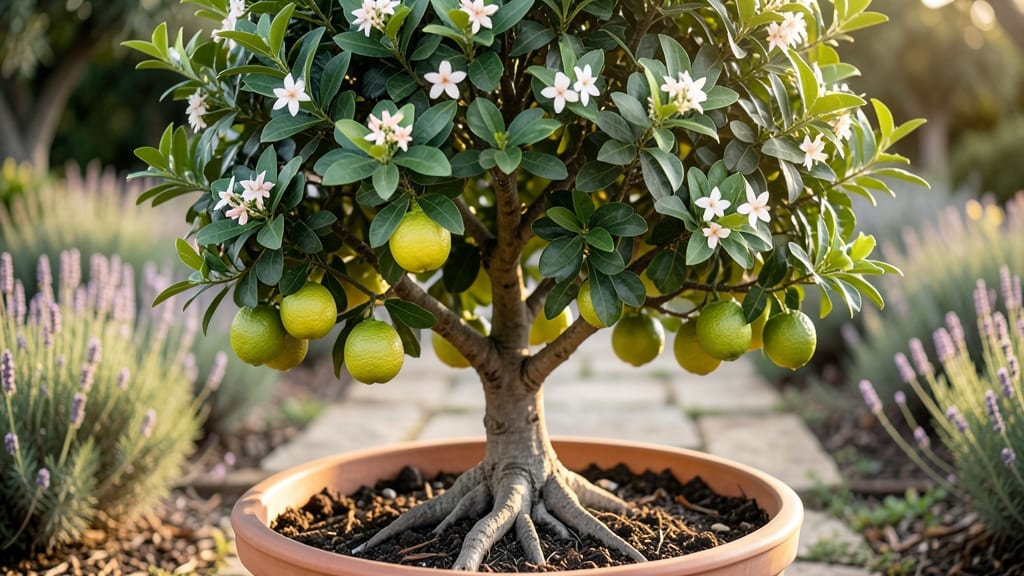
Growing green citron fruit transforms your garden into a fragrant citrus wonderland. 🌿 These bold, textured fruits aren't just for show—they're packed with intense lemony flavor and aromatic leaves perfect for cooking or garnishing.
Unlike typical citrus, citrons thrive in containers too, making them ideal for small spaces or warm climates where they can stay outdoors year-round.
The secret to success starts with well-draining soil and a sunny spot—think 6+ hours of direct sunlight daily. I've found that even in cooler zones, a large container lets you bring your tree indoors during winter, protecting it from frost.
Watering is key: keep soil consistently moist but never soggy, as citrons hate wet roots. A light fertilizer boost in spring kickstarts vigorous growth that leads to those signature bumpy, green fruits.
By late summer, you'll spot the first fruit forming—harvest them when they're firm and still green for the best flavor. The real magic happens when you slice them open: the fragrant, lemony pulp and thick peel make them perfect for candying or zesting.
My tree produces enough to share with neighbors, and the leaves add a citrusy aroma to any dish. Even in small spaces, this tree delivers big rewards.
Citrons are surprisingly low-maintenance once established, but watch for spider mites in dry heat or root rot if drainage is poor. Prune lightly after harvest to encourage new growth, and you'll have another year of fragrant fruit.
Whether you grow one in a pot on your patio or plant it in the ground, this citrus stands out as both beautiful and useful.
📚 In This Guide
- What you need
- Instructions
- Tips and common mistakes
- Wrapping up and next steps
What you need
- ● Green Citron Seeds or Saplings: 1-3 (ensure they’re disease-free and sourced from a reputable nursery).
- ● Well-Draining Soil: 5-10 gallons of a mix of 60% potting soil, 30% perlite, and 10% compost (or a citrus-specific blend).
- ● Containers or Garden Plot: Containers: 3-5 gallon pots with drainage holes (minimum 12” diameter for mature plants).
- ● Garden Plot: Full sun (6+ hours daily) with loose, slightly acidic soil (pH 6.0-7.0).
- ● Fertilizer: Balanced citrus fertilizer (e.g., 6-6-6 NPK ratio) or organic options like fish emulsion or worm castings.
- ● Mulch: 2-3 inches of organic mulch (e.g., straw or wood chips) to retain moisture and regulate temperature.
- ● Gloves & Pruners: Sharp pruners (sterilized with rubbing alcohol) and gardening gloves for handling thorns.
- ● Watering Can or Hose: With a gentle spray nozzle (citrons hate soggy roots!).
- ○ pH Test Kit: To monitor soil acidity (optional but helpful for troubleshooting).
- ○ Support Stakes (Optional): For container-grown plants, as they can reach 6-10 feet tall.
- ● Climate: USDA Zones 9-11 (or grow indoors with grow lights in cooler zones).
- ● Patience: Citrons take 2-3 years to bear fruit!
- ● Consistency: Regular watering (keep soil evenly moist but not waterlogged).
Step-by-Step guide to growing green citron trees
Here’s how to cultivate these fragrant, cold-hardy citrus relatives into productive perennials that reward you with bold, aromatic fruit year after year.
🌱 Step 1: Choose the Right Location and Planting Time
Green citron trees thrive in USDA hardiness zones 9-11, but with protection, they can survive as far north as zone 7. Plant in early spring after the last frost date when soil temperatures reach at least 60°F. This gives roots time to establish before summer heat arrives.
Select a spot with full sun exposure (6-8 hours daily)—they’re not shade-tolerant like some citrus varieties. The tree’s natural shape is compact, so space it 8-10 feet apart from other plants or structures. I always check for underground utility lines before digging, as their roots can reach 3-4 feet deep in search of moisture.
☀️ Step 2: Prepare Well-Draining Soil and Plant
Green citrons despise soggy roots, so amend heavy clay soil with 2-3 inches of organic matter (like compost or aged manure) mixed into the top 12 inches. The ideal soil pH is 6.0-7.0—test yours with a kit if unsure. If your soil drains poorly, consider planting in a large container (at least 18 inches deep) with a fast-draining citrus mix.
Dig a hole twice as wide as the root ball but no deeper. Place the tree so the graft union (the bump where the top growth meets the rootstock) sits 1-2 inches above soil level. This prevents rot while allowing flexibility for seasonal soil shifts. Water deeply before backfilling to eliminate air pockets around the roots.
💧 Step 3: Water Deeply and Establish a Routine
Water once weekly during the first year, soaking the root zone to 12 inches deep. You’ll know it’s enough when water drains from the bottom of the hole. Overwatering is the #1 killer—let the top 2 inches of soil dry out between waterings. Mulch with 2-3 inches of wood chips, keeping it 6 inches away from the trunk to prevent rot.
Fertilize lightly in spring and summer with a balanced citrus fertilizer (6-6-6 or 8-3-9). Start with half the recommended dose to avoid burning tender roots. I always fertilize after a deep watering so nutrients distribute evenly. Avoid high-nitrogen blends—they promote leafy growth at the expense of fruit production.
✂️ Step 4: Prune for Shape and Fruit Production
Prune in late winter or early spring before new growth begins. Remove dead, diseased, or crossing branches first, then thin out 10-20% of the canopy to improve airflow. Green citrons naturally grow in a rounded shape, so avoid heavy pruning—it stresses the tree and delays fruiting.
Watch for suckers (shoots growing from the rootstock below the graft union)—these divert energy from fruit production. Snip them off at the base immediately. Harvest fruit when it turns bright yellow and emits a strong citrus scent, usually 6-8 months after flowering. The peel is the star here—thick, fragrant, and perfect for zesting or infusing.
🪴 Step 5: Protect from Cold and Pests Year-Round
In colder zones, wrap the tree’s trunk and canopy with burlap or frost cloth before the first frost. If planted in a container, move it to a garage or sheltered patio when temperatures drop below 30°F. Green citrons are more cold-hardy than oranges but still need protection in freezing conditions.
Watch for citrus leaf miners (tiny white larvae) and scale insects—both love green citron trees. Spray with neem oil or insecticidal soap at the first sign of infestation. I also release ladybugs nearby as a natural predator. Healthy trees resist pests better, so consistent watering and fertilization keep them strong.
Tips & tricks for growing fragrant green citron trees
These game-changing tips will help you cultivate thriving green citron trees that burst with bold citrus flavor year after year.
Site Selection Secret: While Step 1 emphasizes full sun, I’ve found that green citrons actually tolerate up to 4 hours of afternoon shade in hotter zones (9-11) without sacrificing fruit quality. The key is morning sun—this gives leaves time to dry before evening moisture sets in. For containers, place them where they get at least 6 hours of direct sun daily, rotating occasionally for even growth.
Soil Prep Pro Tip: The instructions mention 2-3 inches of organic matter in Step 2, but I recommend going deeper—work in 4-6 inches of compost mixed with perlite or coarse sand to ensure proper drainage. Green citrons hate soggy feet! If your native soil is heavy clay, consider building a raised bed (at least 12 inches deep) with a mix of 50% citrus soil, 30% compost, and 20% perlite. This creates the perfect airy environment their roots crave.
Watering Wisdom: The once-weekly watering in Step 3 works perfectly, but here’s the trick: water in the morning (before 10 AM) to prevent fungal diseases from overnight moisture. I use a soaker hose to deliver water slowly at the base, which reduces evaporation and keeps roots moist without wetting the foliage. In containers, I check moisture by sticking my finger 2 inches deep—if it feels dry, it’s time to water.
Frost Protection Hack: For those in zones 7-8, I’ve discovered that wrapping the tree’s trunk with bubble wrap (under the frost cloth) creates an extra insulating layer that can push cold tolerance down to 25°F. For container growers, place pots on wooden pallets or bricks to prevent heat loss from the soil. I also move potted trees closer to south-facing walls where they benefit from reflected sunlight during cold days.
Pro Tips for Green Citron Fruit
- These game-changing tips will help you cultivate thriving green citron trees that burst with bold citrus flavor year after year.
- Site Selection Secret: While Step 1 emphasizes full sun, I’ve found that green citrons actually tolerate up to 4 hours of afternoon shade in hotter zones (9-11) without sacrificing fruit quality.
- Soil Prep Pro Tip: The instructions mention 2-3 inches of organic matter in Step 2, but I recommend going deeper—work in 4-6 inches of compost mixed with perlite or coarse sand to ensure proper drainage.
Frequently asked questions
How long does it take for a green citron tree to bear fruit?
A healthy Citrus medica tree typically takes 3–5 years to produce its signature wrinkled, green fruit. Patience pays off—young trees focus on root and canopy growth first. Pro tip: Prune lightly in early years to encourage faster fruiting.
Can green citron trees survive winter? What’s the coldest they tolerate?
Green citrons are tender perennials and thrive in USDA zones 9–11. In colder climates, grow them in large containers and move them indoors (or wrap the pot in bubble wrap) when temps dip below 30°F (-1°C). A greenhouse or sunny patio works too!
What’s the difference between green citron and regular lime?
While both are citrus, green citrons are non-edible when raw—their thick, bitter rind is prized for zest, marmalade, and perfumes. Limes are juicy and tart. Citrons add aromatic depth to desserts, teas, and savory dishes (think: candied peel in chutneys).
Why are my citron leaves turning yellow? How do I fix it?
Yellowing leaves often signal overwatering, nutrient deficiency, or pests. Check soil moisture (keep it slightly dry between waterings) and fertilize with citrus-specific food every 6–8 weeks. Inspect for aphids or scale—spray with neem oil if needed. Quick fix: Trim affected leaves and improve drainage.
Can I grow green citron from seed? Will it be true to the parent plant?
Yes, but seeds may not produce true-to-type fruit—citrons are self-pollinating but hybrid-prone. For reliable results, graft a citron scion onto a hardy rootstock (like a trifoliate orange). Seed-grown trees take 5+ years to fruit and may yield smaller, less fragrant fruit.
What are the best ways to use green citron fruit in cooking?
Citrons shine in zest, peel, and preserves! Try:
- Candied peel: Simmer slices in sugar syrup for 3–4 hours (great in cakes or curries).
- Infused oils: Steep dried peel in olive oil for floral, citrusy dressings.
- Tea blends: Dry and steep with chamomile for a calming, aromatic brew.
- Marmalade: Cook with oranges and spices for a complex, tangy jam.
Save this: Always remove seeds—they’re bitter!
Wrapping up and next steps
Growing green citron fruit is a rewarding journey that brings bold, fragrant flavors and lush greenery to your garden—or even your kitchen windowsill! 🌿 With the right care, patience, and a little creativity, you can enjoy its unique citrusy aroma and potential culinary uses year-round.
Whether you're a seasoned gardener or a beginner, this fragrant perennial is a fantastic addition to your green space.
Ready to take the next step? Start by planting your own citron tree or experimenting with its leaves in teas, marinades, or homemade remedies. Share your progress with fellow plant lovers—your fragrant harvest might just inspire someone else to grow their own!