
Vegetables
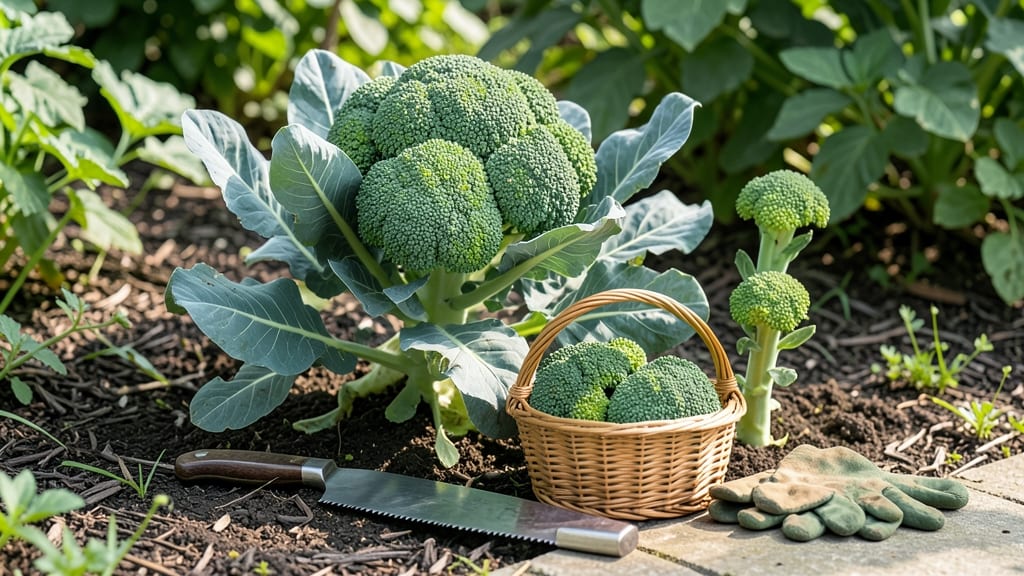
Winter in Southern California doesn’t mean garden hibernation—it’s prime time for bold, cold-hardy vegetables that thrive when others fade. 🌱 I’ve grown kale, carrots, and broccoli through three winters here, and the secret isn’t just timing—it’s choosing varieties that love the region’s mild chill.
Coastal areas can handle spinach and peas, while inland spots shine with cabbage and Brussels sprouts.
The key is soil prep: amending with compost before planting ensures roots stay warm and water drains fast (no one likes soggy winter soil). Most winter crops need 6-8 hours of sun and consistent moisture—think of it like wrapping your plants in a cozy blanket.
Frost? Rare, but if it hits, a simple row cover keeps tender greens safe without fuss.
By mid-winter, you’ll be harvesting vibrant greens and crisp roots that taste sweeter after a light frost. The best part? These plants keep producing until spring, giving you a steady supply of homegrown goodness. No greenhouses or heat lamps needed—just smart choices and a little patience.
Whether you’re coastal or inland, the same rules apply: start seeds indoors 4-6 weeks before last frost, space plants properly, and watch for pests like aphids (a strong spray of water usually does the trick). Winter gardening here isn’t just possible—it’s rewarding, and your table will thank you.
📚 In This Guide
- What you need
- Instructions
- Tips and common mistakes
- Wrapping up and next steps
What you need
- ● Seeds or seedlings: Kale (e.g., Winterbor or Lacinato) – 20-30 plants
- ● Broccoli (e.g., Calabrese or De Cicco) – 15-20 plants
- ● Carrots (e.g., Danvers or Nantes) – 1 lb of seeds
- ● Spinach (e.g., Bloomsdale Long Standing) – 1 lb of seeds
- ● Peas (e.g., Sugar Snap or Snow Peas) – 1 lb of seeds
- ● Lettuce (e.g., Romaine or Buttercrunch) – 1 lb of seeds
- ● Soil: High-quality potting mix or well-draining garden soil (amended with compost). Aim for 2-3 cubic yards for a 10x10 ft bed.
- ● Fertilizer: Balanced organic fertilizer (e.g., 10-10-10) or compost tea for nutrient-rich soil.
- ● Watering supplies: Drip irrigation system or soaker hoses (recommended for efficiency)
- ● Watering can (for seedlings or containers)
- ● Basic gardening tools: Trowel or hand fork
- ● Garden gloves (to protect your hands!)
- ● Pruners (for harvesting)
- ○ Optional (but helpful!): Row covers or frost cloth (for extra protection in chilly nights)
- ● Straw or mulch (to retain moisture and suppress weeds)
- ● Seedling trays and grow lights (if starting indoors)
- ● A sunny or partially shaded spot (most winter veggies need 4-6 hours of sunlight daily).
- ● Well-draining soil (avoid soggy roots!)
- ● Patience—some crops (like broccoli) take 60-80 days to mature.
- ● Consistent watering (keep soil moist but not waterlogged).
How to grow Southern California winter vegetables like a pro
Here's the straightforward method I've used for years to keep my winter garden thriving in SoCal's mild climate.
🌱 Step 1: Choose the Right Winter Vegetables for Your Region
Southern California's winter growing zone (typically USDA 9b-11) allows for bold, cool-season crops that thrive when daytime temps stay between 50-75°F. Focus on broccoli, cabbage, carrots, kale, lettuce, peas, and spinach—these handle our coastal fog and inland chill better than most. I always plant broccoli and cabbage in October for harvests through January, while spinach and peas do best in December-February.
For maximum success, avoid frost-sensitive crops like tomatoes or peppers. Instead, opt for hardy greens that actually prefer cooler weather. You'll notice your lettuce and kale grow more tender and flavorful when nights dip into the 40s°F—that's when they hit peak sweetness. If you're near the coast, you can even grow winter radishes in December, harvesting them before any unexpected cold snaps.
☀️ Step 2: Prepare Your Soil for Winter Planting
Winter rains in Southern California can turn soil compacted and waterlogged, so amend your beds now with 3-4 inches of compost and a light application of balanced organic fertilizer (like 5-5-5). I like to work in aged chicken manure for nitrogen-loving greens, but avoid fresh manure—it burns tender roots. Test your soil pH; most winter veggies prefer 6.0-7.0. If your soil is too alkaline (common in SoCal), add sulfur or peat moss to lower the pH gradually.
For containers or raised beds, mix equal parts potting soil and compost to ensure good drainage. Winter watering needs drop dramatically, but soil should still be moist but not soggy—stick your finger 1 inch deep to check. Overwatering in winter leads to rot, especially with heavy soils. If your garden sits in a low spot, improve drainage by adding sand or perlite to prevent water pooling.
🪴 Step 3: Plant at the Right Time for Winter Harvests
Timing is everything in Southern California's winter garden. Direct-sow seeds in these windows for best results:
- Broccoli & Cabbage: Late September to October (harvest 100-140 days later)
- Peas & Spinach: November to December (harvest 50-70 days later)
- Lettuce & Kale: October to January (harvest 30-60 days later)
- Carrots & Radishes: December to January (harvest 60-90 days later)
Use row covers or cold frames if temps dip below 35°F—they protect young plants without overheating. I plant broccoli and cabbage in 3-foot-wide rows with 18 inches between plants to allow for growth. For lettuce and spinach, sow seeds every 2 weeks for a continuous harvest. Watch for pests like aphids or cabbage worms—they thrive in winter too. A neem oil spray applied every 2 weeks keeps them in check without harming your plants.
💧 Step 4: Water and Maintain for Winter Success
Winter watering in Southern California is 50% less than summer, but consistency is key. Water deeply 2-3 times per week (or as needed) to encourage deep root growth. Morning watering prevents fungal diseases that thrive in winter's damp evenings. You'll know you're doing it right when the soil feels moist 2 inches down but not waterlogged. Overwatering in winter leads to root rot, especially in heavy clay soils common in inland SoCal.
Fertilize lightly every 4-6 weeks with a low-nitrogen, high-phosphorus organic fertilizer to support root and leaf growth. Compost tea is my go-to for a gentle nutrient boost without burning plants. If you notice yellowing leaves, it's usually a sign of overwatering or nitrogen deficiency—cut back on water and add a balanced fertilizer to correct it. Mulch with straw or wood chips to retain moisture and protect roots from temperature swings.
✂️ Step 5: Harvest and Plan for Spring Transition
Harvest leafy greens like lettuce and spinach by cutting outer leaves to encourage regrowth. For broccoli and cabbage, cut the main head when firm, then watch for side shoots to develop. Carrots and radishes should be pulled when they reach desired size—waiting too long makes them tough or woody. I always harvest in the morning when veggies are crispest and most flavorful.
As winter fades and temps rise toward 70°F, start succession planting for spring. Peas and spinach will bolt quickly, so replace them with warm-season crops like beans or cucumbers by late February. Save seeds from your best broccoli or cabbage plants for next year's garden—just let a few heads mature fully on the stem before drying them indoors. This ensures you always have heirloom-quality starts for your winter garden.
Tips & tricks for perfect Southern California winter vegetables
Here's what nobody tells you—these little tweaks make all the difference in SoCal's winter garden.
Soil Prep Secret: Don't just add compost—mix in 1/4 cup of bone meal per square foot when planting broccoli and cabbage. The phosphorus boosts root development, especially important during our shorter winter daylight hours. I learned this the hard way after struggling with stunted growth in my first winter garden. The difference is night-and-day for those 100-140 day harvests.
Planting Layout: For coastal gardens where fog lingers, space your 3-foot-wide rows of broccoli and cabbage 24 inches apart instead of 18 inches. This improves airflow and prevents fungal diseases that thrive in SoCal's damp winters. I also plant lettuce and spinach in staggered rows—sow half the seeds, then wait 2 weeks before sowing the next half. This gives you a continuous harvest window instead of everything bolting at once.
Pest Prevention: The 2-week neem oil spray schedule is your best defense against winter pests, but here's the trick: mix it with 1 teaspoon of dish soap per gallon of spray. The soap helps the neem oil stick to plant surfaces better in our humid coastal air. I apply it right after watering so it doesn't wash off immediately. This combo keeps aphids and cabbage worms away without harming beneficial insects like ladybugs.
Harvest Timing: Morning harvests are ideal, but if you must harvest later in the day, pick leafy greens like spinach and kale first—they wilt fastest in afternoon heat. For broccoli and cabbage, cut the main head when the buds are still tight but starting to open. The side shoots will develop faster if you harvest the main head at this stage. I always leave the bottom 2 inches of stem attached when harvesting broccoli—this helps the plant direct energy to producing more side shoots.
Pro Tips for Southern California Winter Vegetables
- Here's what nobody tells you—these little tweaks make all the difference in SoCal's winter garden.
- Soil Prep Secret: Don't just add compost—mix in 1/4 cup of bone meal per square foot when planting broccoli and cabbage.
- Planting Layout: For coastal gardens where fog lingers, space your 3-foot-wide rows of broccoli and cabbage 24 inches apart instead of 18 inches.
Frequently asked questions
Got questions about growing or enjoying Southern California winter vegetables? You’re not alone! Here are answers to the most common queries—from timing to troubleshooting—so you can make the most of your cool-season garden.
What are the best winter vegetables to grow in Southern California?
Opt for cold-hardy crops like kale, broccoli, carrots, spinach, and peas. These thrive in SoCal’s mild winters (40–70°F) and even tolerate light frosts. Avoid heat-sensitive veggies like tomatoes or peppers—they’ll bolt or struggle.
When should I plant winter vegetables in Southern California?
Start seeds or transplants 8–10 weeks before the first frost (usually late August–early September). For a second crop, plant fast growers like lettuce or radishes in late October. Use a frost blanket if temps dip below 30°F to protect tender greens.
Can I grow winter vegetables in containers or small spaces?
Leafy greens (spinach, arugula), radishes, and bush beans do well in 5–12" deep pots. Choose compact varieties like ‘Little Gem’ lettuce or ‘Cherry Belle’ radishes. Just ensure containers have drainage and use a balanced fertilizer every 3–4 weeks.
How do I protect my winter vegetables from frost?
Use row covers, cold frames, or cloches to shield plants from light frosts (28–32°F). For heavier freezes (<32°F), drape old blankets or bubble wrap over crops. Water soil before frost to retain heat—just avoid wetting foliage, which can cause ice damage.
What if my winter veggies turn bitter or bolt?
Bitter flavors? Your greens (like kale) need consistent moisture and cooler temps (below 75°F). Bolting (premature flowering) happens when days lengthen—harvest early or opt for heat-tolerant varieties like ‘Winter Density’ kale. Succession plant every 2–3 weeks to extend harvests.
Wrapping up and next steps
Winter in Southern California may feel mild compared to other regions, but it’s the perfect time to embrace bold, nutrient-packed vegetables that thrive in cooler weather. From hearty kale to sweet carrots, these seasonal picks not only elevate your meals but also support a healthier lifestyle—no matter the season! 🌱
Ready to grow your own or shop smarter? Start by experimenting with just one or two varieties this week—whether it’s planting a few seeds or swapping out store-bought staples for local harvests. Your taste buds (and garden!) will thank you.