
Vegetables
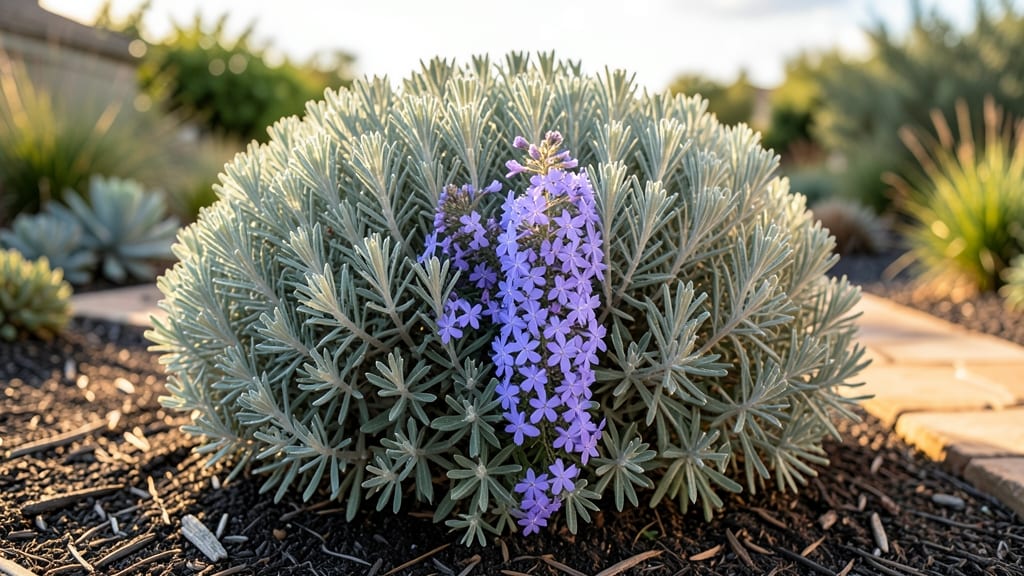
Planting the Green Cloud Texas Sage shrub transforms your landscape with its striking silver-green foliage and bursts of lavender blooms—it’s the drought-proof star your garden has been missing. 🌿 This shrub thrives in heat, handles neglect like a champ, and even blooms after rain (seriously, it’s that dramatic).
The key to its success? Well-drained soil, full sun, and minimal fuss—once established, it’s basically a set-it-and-forget-it plant. The real magic happens in zones 7-11, where it stays lush year-round, but don’t let that fool you—it adapts to containers too.
Start with a spot that gets 6+ hours of sun (more is better), and skip the heavy clay soil unless you’re amending it. Water deeply but infrequently—this plant stores moisture like a pro—and you’ll see those signature silver leaves stay crisp even in summer’s peak.
By late summer, you’ll be rewarded with clusters of lavender-purple flowers that attract butterflies and hummingbirds. The blooms may look delicate, but they’re tougher than they appear—just prune back any leggy growth after flowering to keep the shape neat. And if you’re worried about pests?
Good news: deer avoid it, and diseases rarely touch it. For best results, fertilize lightly in spring (too much makes it floppy) and watch it grow 3-5 feet tall and wide over time.
Whether you’re filling a dry slope, lining a walkway, or adding height to a border, this shrub delivers low-maintenance beauty with almost no trade-offs. Let’s get growing!
📚 In This Guide
- What you need
- Instructions
- Tips and common mistakes
- Wrapping up and next steps
What you need
- ● Green Cloud Texas Sage Plants: 2–4 nursery-grown plants (6–12 inches tall) or seeds (if starting from scratch).
- ● Pro tip: 💡 Buy from a local nursery to ensure climate compatibility!
- ● Soil: Well-draining sandy loam or gravelly soil (pH 6.0–8.0).
- ○ Optional: Amend with compost (1 part compost to 3 parts soil) for richer growth.
- ● Fertilizer: Slow-release granular fertilizer (10-10-10 or similar, 1–2 tbsp per plant).
- ○ Optional: Organic options like worm castings or fish emulsion.
- ● Mulch: 1–2 inches of organic mulch (cedar chips, pine straw, or gravel).
- ● Tools: Garden trowel or shovel
- ● Pruning shears (for shaping)
- ● Watering can or hose with a gentle spray nozzle
- ○ Gloves (optional, but helpful for handling prickly stems!)
- ● Sunlight: Full sun (6+ hours daily)—this shrub loves bright, open spaces!
- ● Climate: Thrives in USDA Zones 7–10 (drought-tolerant once established).
- ● Spacing: Plant 3–5 feet apart for mature shrubs (they grow 3–5 feet wide!).
- ● Pro tip: 🎯 Space wider in windy areas to prevent leaf damage.
- ● Watering: Water deeply 1–2 times per week (more in extreme heat or dry spells).
Step-by-step guide to planting and cultivating Green Cloud Texas Sage
This striking striped beauty thrives with minimal fuss—here’s how to establish it for years of vibrant foliage.
🌱 Step 1: Choose the Perfect Planting Spot with Ideal Conditions
Green Cloud Texas Sage (Leucophyllum frutescens) craves full sun—at least 6-8 hours daily—to maintain its bold variegated stripes. I always scout the site first: check for afternoon shade from trees or buildings, which can fade the foliage over time. The shrub tolerates dry, well-draining soil, so avoid low-lying areas where water pools after rain.
Dig a hole twice as wide as the root ball but only as deep. This prevents burying the stem, which invites rot. Amend heavy clay soil with 2-3 inches of coarse sand or gravel mixed into the bottom of the hole—this ensures excess moisture drains away quickly. The plant’s native Texas roots appreciate this gritty texture.
🪴 Step 2: Plant with Care to Encourage Strong Root Establishment
Gently remove the nursery container and loosen any circling roots with your fingers—this prevents girdling as the plant matures. Place the shrub in the hole so the top of the root ball sits level with the surrounding soil. Backfill with native soil mixed with compost (no fertilizer yet—new roots need time to establish before competing with nutrients).
Water deeply immediately after planting to settle the soil and eliminate air pockets. You’ll know it’s right when the surface looks slightly damp but not soggy. Mulch with 2-3 inches of gravel or decomposed granite (never organic mulch—it retains too much moisture). This mimics the plant’s natural habitat and keeps roots cool.
☀️ Step 3: Water Strategically to Build Drought Resistance
During the first 6-8 weeks, water once a week unless rainfall provides 1 inch of moisture. After that, Green Cloud Sage thrives on neglect—water only when the top 2-3 inches of soil feel completely dry. Overwatering is the fastest way to kill this drought-tolerant beauty. You’ll see it signal stress when leaves curl or edges brown.
Once established, the shrub blooms spectacularly after drought stress—nature’s way of rewarding you for withholding water. In late summer, reduce watering entirely to trigger those famous purple flowers. Just don’t let the soil dry out completely in extreme heat (above 95°F), when roots need occasional hydration.
✂️ Step 4: Prune for Shape and Health—Timing Matters
Prune immediately after flowering (late fall or early winter) to maintain shape and encourage dense growth. Use clean, sharp pruners to make cuts just above a leaf node—never leave stubs. Remove 1/3 of the oldest wood annually to rejuvenate the shrub. This prevents woody, leggy growth while keeping those striking stripes vibrant.
Never prune in spring—new growth will emerge after the heat sets in, and the plant may struggle to harden off. If you must shape lightly during summer, do it early in the morning to reduce stress from heat and sun exposure. The plant’s natural form is attractive, so resist over-pruning unless you’re correcting damage.
🌿 Step 5: Monitor for Pests and Diseases (Prevention First)
Green Cloud Sage rarely has pest issues, but aphids or whiteflies may appear if stressed. I spray with neem oil (mixed per label) at the first sign of sticky residue on leaves—this prevents infestations before they spread. Avoid chemical pesticides, which can harm beneficial insects and the plant’s delicate foliage.
Fungal issues like powdery mildew only appear if the plant sits in poorly draining soil or stays wet too long. If you notice white powder on leaves, improve airflow by pruning nearby foliage and avoid overhead watering. Most problems stem from overwatering—this plant’s resilience comes from its ability to handle dry conditions.
Tips & tricks for perfect Green Cloud Texas Sage cultivation
Here's what I've learned after years of growing this drought-resistant stunner—these details make all the difference.
Sunlight Strategy: While 6-8 hours of direct sun is ideal, I've found that morning sun with afternoon shade (especially in hotter climates) actually preserves those vibrant stripes better. The afternoon sun can bleach the foliage over time, so if you notice fading, consider moving plants that get intense afternoon heat to a spot with filtered light during those hours. This is particularly important in regions with summer temperatures above 95°F.
Soil Prep Secret: The 2-3 inches of coarse sand or gravel in heavy clay soil isn't just about drainage—it's about creating that perfect air-to-soil ratio. I like to mix in a handful of perlite too (about 10% of the total soil mix) for even better aeration. This prevents that dreaded "soggy bottom" effect where roots suffocate. Think of it as giving your plant's roots room to breathe while still holding onto enough moisture for those first critical 6-8 weeks.
Watering Wisdom: That "once a week" guideline during establishment works perfectly in most climates, but I've learned to adjust based on your local humidity. In dry, desert conditions, you might need to water every 5 days instead. The key is checking that top 2-3 inches of soil—it should feel completely dry before watering again. Pro tip: Use a soil moisture meter for accuracy, especially if you're new to drought-tolerant plants. You'll notice the difference in how quickly your plant establishes strong roots.
Pruning Precision: When removing that 1/3 of oldest wood annually, I always look for stems that are thicker than a pencil—these are the ones causing that leggy growth. Make your cuts at a 45-degree angle just above a leaf node where new growth can emerge. This technique creates a bushier plant with more of those striking variegated leaves. And remember, those purple blooms are nature's way of telling you "I'm happy with my drought treatment!"—so don't prune too aggressively after flowering.
Pro Tips for Green Cloud Texas Sage Shrub
- Here's what I've learned after years of growing this drought-resistant stunner—these details make all the difference.
- Sunlight Strategy: While 6-8 hours of direct sun is ideal, I've found that morning sun with afternoon shade (especially in hotter climates) actually preserves those vibrant stripes better.
- Soil Prep Secret: The 2-3 inches of coarse sand or gravel in heavy clay soil isn't just about drainage—it's about creating that perfect air-to-soil ratio.
Frequently asked questions
Got questions about growing and caring for the stunning Green Cloud Texas Sage? You’re in the right place! Here are some of the most common queries—plus straightforward answers to help you nurture this striped beauty like a pro.
How fast does Green Cloud Texas Sage grow, and when can I expect blooms?
The Green Cloud Texas Sage is a moderate grower, typically gaining 6–12 inches per year under ideal conditions. With proper care, you can expect blooms in late spring to early summer (May–June in most U.S. zones). Patience pays off—full maturity (3–4 feet tall) usually takes 2–3 years.
Is Green Cloud Texas Sage cold-hardy? Can it survive winter in Texas?
This shrub is drought-tolerant and cold-hardy to USDA Zone 7, making it perfect for Texas’s fluctuating climates. While it can handle light freezes (15–20°F), mulching in winter adds extra protection. No fuss, just resilience!
What’s the best way to prune Green Cloud Texas Sage to keep it bushy?
Prune right after blooming (June–July) to encourage dense growth. Use clean shears to trim 1/3 of the oldest stems back to healthy wood. Avoid heavy pruning in fall—it stimulates tender new growth that won’t survive winter. Pro tip: Shape lightly in spring to maintain its iconic striped foliage!
Are there pests or diseases I should watch for with this shrub?
The Green Cloud Texas Sage is highly resistant to pests and diseases, but keep an eye out for aphids or spider mites in extreme drought. Treat with neem oil if needed. Overwatering can cause root rot, so ensure well-draining soil. Good airflow = happy shrub!
Can I grow Green Cloud Texas Sage in containers? What size pot do I need?
Yes! This shrub thrives in containers with at least 12–15 inches of depth and drainage holes. Use a fast-draining potting mix (like cactus/succulent blend) and repot every 2–3 years to refresh nutrients. Bonus: Container-grown plants bloom earlier and are easier to move if frost threatens!
What’s a great alternative if I want similar foliage but faster growth?
If you love the striped, silvery-green look but want quicker results, try:
- Lantana ‘New Gold’ – Fast-growing, drought-tolerant, and blooms nonstop.
- Salvia ‘Berggarten’ – Cold-hardy with striking variegation.
- Dwarf Mondo Grass – Low-maintenance ground cover for contrast.
Wrapping up and next steps
The Green Cloud Texas Sage is more than just a striking addition to your garden—it’s a resilient, low-maintenance beauty that brings color and texture to any landscape, no matter the climate.
With its silvery foliage and vibrant purple blooms, it’s the perfect choice for drought-tolerant gardens, pollinator-friendly spaces, and even urban containers. Whether you’re a seasoned gardener or just starting out, this shrub offers effortless elegance and hardiness.
Ready to transform your outdoor space? Start by planting one (or a few!) this season—your garden (and pollinators) will thank you! 🌿✨