
Vegetables
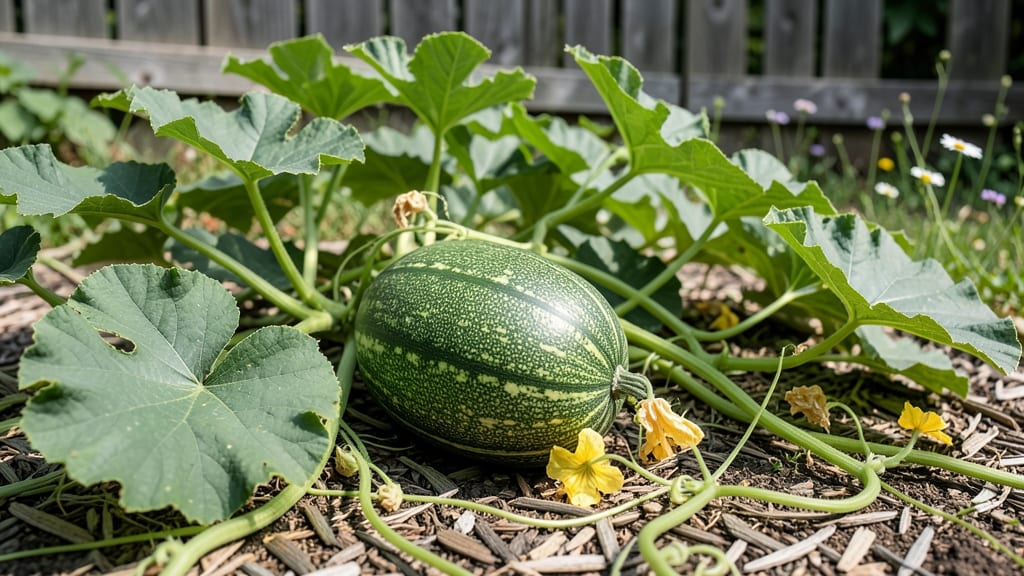
Growing green Crenshaw melons means turning your garden into a tropical escape with bold striped vines and sweet, honey-like fruit in just 50 days. 🌿 I learned the hard way that these melons need exact conditions—too much heat or too little water, and you end up with bitter fruit or cracked skins.
But when it works, you get a harvest that tastes like summer in a bite.
Start with warm soil (at least 70°F) and full sun—these melons won’t tolerate shade or cool nights. The secret to success? Consistent moisture—keep the soil damp but not soggy, and mulch heavily to retain water. I use drip irrigation to avoid wetting the leaves, which cuts down on disease.
By mid-summer, you’ll see those signature green-and-white striped vines sprawling, and within weeks, you’ll be harvesting fruit that’s sweeter than store-bought cantaloupes. The first few slices are always a celebration—especially after troubleshooting poor fruit set or cracked skins.
Perfect for gardeners in zones 5-10 with a long, warm growing season. Whether you’re a first-timer or a seasoned grower, these melons reward patience with a harvest that’s worth every extra effort.
📚 In This Guide
- What you need
- Instructions
- Tips and common mistakes
- Wrapping up and next steps
What you need
- ● Green Crenshaw melon seeds: 3–5 seeds per plant (start with 10–15 seeds if sharing with friends or experimenting). Opt for heirloom or organic seeds for best flavor and disease resistance.
- ● Growing space: Garden bed: Full sun (6–8+ hours daily) and well-draining soil with a pH of 6.0–7.0.
- ● Containers: 5-gallon pots or larger (melons need room to sprawl!); ensure pots have drainage holes.
- ● Raised beds: Minimum 12" depth; enrich with compost before planting.
- ● Compost or organic fertilizer: 2–3 cups per planting hole (look for a balanced 10-10-10 or 5-5-5 blend).
- ● Mulch: Straw or shredded leaves (2–3 inches) to retain moisture and suppress weeds.
- ● Garden tools: Trowel or hand shovel
- ● Pruners (for trimming vines later)
- ○ Gloves (optional but recommended)
- ● Watering supplies: Hose with a gentle spray nozzle or drip irrigation system (melons need 1–2 inches of water weekly).
- ○ Trellis or cages (optional): For vertical growth—use sturdy stakes or a 6-foot-tall trellis to save space.
- ○ Row covers or shade cloth (optional): 30–50% shade cloth to protect young plants from harsh sun or pests.
- ○ Pest control (optional): Neem oil or insecticidal soap (for aphids/squash bugs)
- ● Yellow sticky traps (to monitor pests early)
- ● Last frost date: Wait until soil is at least 70°F (1–2 weeks after last frost in most regions).
- ● Warmth: Crenshaws thrive in hot summers (75–95°F)—avoid planting in cool climates unless using black plastic mulch to warm soil.
- ● Growing days: Plan for 70–90 days to harvest (varies by variety; check seed packet).
Step-by-step instructions for growing green Crenshaw melons
Here’s how I grow these vibrant melons—fast, productive, and packed with flavor—using proven techniques for reliable results.
🌱 Step 1: Start Seeds Indoors 4-6 Weeks Before Last Frost
Crenshaw melons need a long, warm season, so I begin seeds indoors under grow lights. Fill 2-inch deep biodegradable pots with sterile seed-starting mix—never garden soil, which can harbor fungal diseases. Press the mix down lightly to remove air pockets, then moisten it until it holds together when squeezed but doesn’t drip.
Plant 2-3 seeds per pot at a depth of ½ inch, just deep enough to cover them lightly. I use a toothpick to create small holes and drop the seeds in one at a time—this prevents overcrowding, which leads to weak seedlings. Label each pot with the variety and date, since germination can take 7-10 days at 75-85°F.
☀️ Step 2: Provide Warmth and Light for Germination
Place the pots on a seedling heat mat to maintain soil temperatures at 75-85°F, which speeds up germination. Cover the pots with a clear plastic dome or wrap them in plastic wrap to retain moisture—Crenshaw seeds need consistent humidity to sprout reliably. Check daily for condensation; if the inside of the dome fogs up, remove it for 10-15 minutes to prevent mold.
Once seedlings emerge, remove the dome immediately and move them under 14-16 hours of bright light daily. A full-spectrum LED grow light positioned 2-4 inches above the seedlings prevents leggy growth. You’ll know the light is right when the seedlings grow compact and dark green, not stretched and pale.
🪴 Step 3: Harden Off and Transplant After Frost
Two weeks before your last frost date, start hardening off the seedlings by placing them outside in a sheltered, shaded spot for 1-2 hours the first day. Gradually increase their outdoor time by 1 hour daily until they can tolerate a full day in the garden. This process takes 7-10 days and prevents transplant shock, which can stunt growth.
Transplant seedlings into the garden after soil temperatures reach 65°F—Crenshaws won’t thrive in cold soil. Space plants 3-4 feet apart in full sun, giving them plenty of room to sprawl. Bury the biodegradable pots 1 inch deep to encourage root growth. Water deeply at the base to settle the soil and reduce stress.
💧 Step 4: Maintain Consistent Moisture and Fertility
Crenshaw melons need deep, even watering—about 1-2 inches per week—to develop sweet, flavorful fruit. I water at the base in the early morning to prevent fungal diseases. Mulch around the plants with 2-3 inches of straw to retain moisture and suppress weeds. Avoid overhead watering, which can spread mildew on the vines.
Fertilize when flowers appear with a balanced, organic fertilizer (10-10-10). I use a slow-release granular fertilizer applied every 4-6 weeks to avoid burning the roots. Stop fertilizing once fruit begins to form—too much nitrogen late in the season leads to leafy growth at the expense of sweet melons.
✂️ Step 5: Prune and Harvest at Peak Ripeness
Prune the vines to encourage stronger fruit production by removing suckers (the small shoots that grow between the main stem and branches). I also trim any leaves shading the fruit to improve air circulation and reduce disease risk. Crenshaw melons are ready to harvest when the stripes turn deep green and the rind feels slightly tough when pressed.
The key is timing—harvest when the melons reach 8-12 inches long and the tendril near the stem turns brown. Use a sharp knife or pruners to cut the stem, leaving a 1-inch tail to extend shelf life. Store harvested melons in a cool, dry place for up to 2 weeks, or enjoy them fresh within 3-5 days for peak flavor.
Tips & tricks for growing perfect green Crenshaw melons
These insider tricks will help you grow melons that rival the best farmers' market finds—without the guesswork.
Germination Success: The 75-85°F soil temperature range is non-negotiable for Crenshaw seeds. I've found that placing pots on a seedling heat mat with a built-in thermometer prevents temperature swings. If your home stays below 70°F, consider using a small greenhouse tent over your setup to create a microclimate. This consistency cuts germination time from 10 days to just 5-7 days—trust me, your seedlings will thank you.
Lighting Strategy: Those 14-16 hours of daily light are crucial for preventing leggy seedlings. I position my full-spectrum LED grow lights on a timer to automate this. If you notice seedlings stretching toward the light, raise the lights another inch or two—this forces them to grow wider rather than tall. A reflective surface like aluminum foil behind the pots can help distribute light more evenly, making your setup more efficient.
Transplant Timing: The 65°F soil temperature requirement is often misunderstood. Many gardeners check air temperature instead—this is a common mistake. Use a soil thermometer to confirm warmth before transplanting. If your soil warms up quickly during the day but cools at night, consider using black plastic mulch to retain heat. This small adjustment can mean the difference between thriving plants and struggling ones.
Watering Wisdom: The 1-2 inches per week guideline assumes average conditions. In hotter climates, you may need to water every 2-3 days, while cooler areas might only need weekly watering. I've learned to check moisture by pushing my finger 2 inches into the soil—if it's dry, it's time to water. Overhead watering is the enemy here; always water at the base to prevent mildew on those delicate vines.
Pro Tips for Green Crenshaw Melon
- These insider tricks will help you grow melons that rival the best farmers' market finds—without the guesswork.
- Germination Success: The 75-85°F soil temperature range is non-negotiable for Crenshaw seeds.
- Lighting Strategy: Those 14-16 hours of daily light are crucial for preventing leggy seedlings.
Frequently asked questions
Got questions about growing green Crenshaw melons?
You’re not alone—this striped beauty is a favorite, but it does have its quirks! Here are answers to the most common questions to help you grow bold, juicy melons with confidence.
How long does it take for green Crenshaw melons to mature?
Green Crenshaw melons typically mature in 80–90 days from transplant, though some varieties (like ‘Crenshaw’ or ‘Santa Claus’) can be ready in as few as 50–60 days under ideal conditions. Start seeds indoors 4–6 weeks before the last frost for a head start, and ensure warm soil (at least 70°F) to speed up growth. Patience pays off—these melons reward you with sweet, striped perfection!
What’s the best soil temperature for planting green Crenshaw melons?
Green Crenshaw melons love warmth—soil should be at least 70°F (21°C) before planting. Cold soil slows germination and growth, leading to poor yields. Use a soil thermometer to check, and consider black plastic mulch or row covers to warm the soil faster. If your climate is cool, opt for container growing near a sunny wall to extend the season.
Why aren’t my green Crenshaw melons ripening?
If your melons stay small and hard, it’s often due to inconsistent pollination or nutrient deficiencies. Hand-pollinate flowers with a paintbrush if bees are scarce, and ensure they get adequate sun (6–8 hours/day) and balanced fertilizer (high in potassium and phosphorus). Overwatering or uneven watering can also stunt growth—stick to 1–1.5 inches per week once vines start running.
Can I grow green Crenshaw melons in containers?
These melons thrive in 5-gallon containers or larger (at least 12–18 inches deep) with well-draining soil and trellising support to save space. Choose a fast-growing variety like ‘Crenshaw’ and use a balanced fertilizer every 2–3 weeks. Just ensure the container gets full sun and is placed where vines can sprawl or climb—balconies and patios work great!
What’s the best way to store harvested green Crenshaw melons?
Store them at room temperature (60–65°F) in a dry, well-ventilated spot for up to 2 weeks. Avoid refrigeration—they soften and lose flavor! For longer storage, wrap them in paper towels to absorb moisture. Once cut, refrigerate flesh (if using) for 3–4 days, but the rind keeps best whole. Pro tip: Freeze seeds for next year’s garden!
Wrapping up and next steps
Growing green Crenshaw melons is a rewarding journey that brings bold flavors and vibrant stripes to your garden in just 50 days! 🌱 From selecting the right seeds to mastering care techniques, you now have all the tools to cultivate these unique melons like a pro.
Whether you're a seasoned gardener or a curious beginner, the sweet success of your first harvest is within reach.
Ready to dive in? Start by gathering your supplies, then plant those seeds—your future striped melons are waiting! 🍉✨