
Vegetables
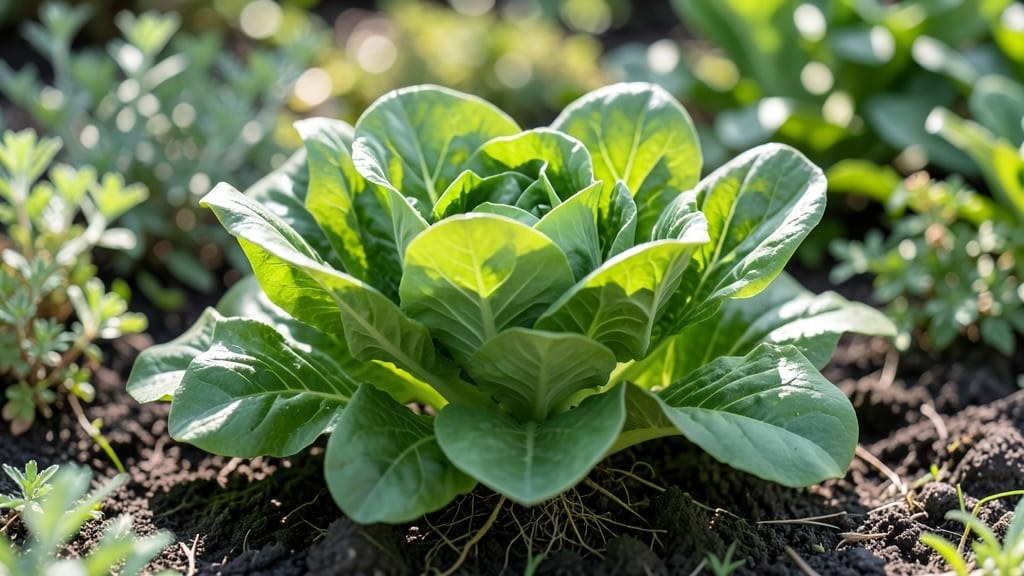
Growing green leaf lettuce in 30 days changed how I eat salads forever—crisp stems, buttery leaves, and zero bitterness. 🌱 The secret isn’t fancy soil or greenhouse tricks; it’s timing, shade, and consistent water that keeps those tender leaves sweet and snappy.
I’ve grown this variety for three seasons now, and even my neighbor’s "black thumb" can’t mess it up once they know the basics.
Start with loose, well-draining soil (no heavy clay) and a spot that gets 4-6 hours of morning sun—afternoon shade prevents bolting. Seeds sprout in 5-7 days if kept moist, but transplants cut that wait time.
Space rows 12 inches apart with plants 6 inches apart—crowding leads to leggy, bitter leaves. The real magic happens when you water deeply at the base (never overhead) and harvest outer leaves first to encourage regrowth.
You’ll taste the difference in just three weeks: tender, slightly crunchy stems with a mild, sweet flavor that holds up even in summer heat. The key is harvesting early—once leaves reach 4-6 inches, snip the outer leaves and let the center keep growing.
This method gives you continuous harvests for months, not just one sad bolting plant.
For cooler climates, plant in early spring or late summer to avoid summer’s heat. In warmer zones, use shade cloth or grow under taller plants. If your lettuce tastes bitter, it’s either too hot or not enough water—both trigger the plant’s survival mode.
With these tricks, you’ll go from store-bought wilt to homegrown crunch in no time.
📚 In This Guide
- What you need
- Instructions
- Tips and common mistakes
- Wrapping up and next steps
What you need
- ● Green leaf lettuce seeds: 1–2 packets (about 200–400 seeds total). Look for heirloom or organic varieties like Black Seeded Simpson or Salad Bowl for extra crispness.
- ● Growing medium: Soil: 1–2 cubic yards of well-draining, loamy soil (pH 6.0–7.0). Mix in compost (1 part compost to 3 parts soil) for nutrients.
- ● OR Potting mix: 1–2 bags (12–18 quarts each) of high-quality, seed-starting mix for containers.
- ● Containers or garden space: For containers: 5–6-inch-deep pots (at least 1 per plant) with drainage holes.
- ● For garden beds: 12–18 inches of spacing between plants in rows 12–18 inches apart.
- ● Watering can or hose: With a gentle spray nozzle for even moisture.
- ○ Fertilizer (optional but recommended): Balanced fertilizer: 5-10-5 or 10-10-10 (follow package rates for application).
- ● OR Organic options: Fish emulsion, compost tea, or worm castings.
- ● Gloves: A pair to protect your hands from soil and sharp seeds.
- ● Trowel or hand fork: For planting seeds and loosening soil.
- ○ Row cover or shade cloth (optional): 30–50% shade cloth to protect seedlings from harsh sun or pests.
- ○ Mulch (optional): Straw or shredded leaves to retain moisture and suppress weeds.
- ● Sunlight access: Full sun to partial shade (4–6 hours of sunlight daily, but avoid scorching afternoon sun in hot climates).
- ● Temperature control: Ideal germination temps: 50–75°F. Avoid frost (lettuce is cold-hardy but dislikes freezing).
How to grow green leaf lettuce for crisp stems and flavorful leaves
Here's the foolproof method I use to grow tender, buttery green leaf lettuce in just 30 days—no bitter stems or tough leaves in sight.
🌱 Step 1: Prepare the Perfect Growing Space
Green leaf lettuce thrives in cool weather between 50-75°F, making it ideal for early spring or fall planting. Choose a location with partial shade (3-4 hours of morning sun) to prevent bolting—the plant's way of saying "it's too hot, I'm giving up." If growing in summer, opt for a spot with dappled shade or use shade cloth rated for 30-50% coverage.
Lettuce loves loose, well-draining soil rich in organic matter. Work in 2-3 inches of compost or aged manure before planting to ensure nutrients are readily available. Avoid fresh manure—it burns tender roots. If your soil is heavy clay, mix in 1 part perlite to 3 parts soil to improve aeration. The goal is soil that crumbles easily when squeezed, not sticks together like wet cement.
💧 Step 2: Sow Seeds at the Right Depth and Spacing
Sow seeds ¼ inch deep, spacing them ½ inch apart in rows 12 inches apart. Scatter seeds thinly—I like to use a seed spreader or tap the packet gently to release them one by one. Crowding leads to weak, leggy plants competing for light. Water immediately after sowing with a fine mist until the soil is evenly moist but not soggy. Overwatering at this stage can cause seeds to rot before they sprout.
Keep the soil consistently moist—not wet, not dry—until germination, which typically occurs in 5-10 days depending on temperature. You'll know it's time to water again when the top inch of soil feels dry to the touch. Use a soaker hose or watering can with a fine rose attachment to avoid disturbing the seeds. Once seedlings reach 2 inches tall, thin them to 6 inches apart to give each plant room to develop broad, flavorful leaves.
☀️ Step 3: Maintain Ideal Conditions for Crisp Growth
Green leaf lettuce grows best with consistent moisture—think of it like a sponge that never dries out completely. Water deeply once or twice weekly, aiming for 1 inch of water per week. Let the soil dry slightly between waterings to prevent root rot, but never let it dry out completely. You'll see the best texture and flavor when the soil stays evenly damp like a wrung-out sponge.
Fertilize lightly every 2-3 weeks with a balanced, water-soluble fertilizer (like 10-10-10) diluted to half strength. Over-fertilizing leads to bitter leaves and rapid bolting. I also sprinkle compost tea around the base of plants monthly for a gentle nutrient boost. Watch for yellowing leaves—this usually means nitrogen deficiency, so adjust your fertilizer or add a handful of compost to the soil.
✂️ Step 4: Harvest for Maximum Flavor and Texture
Start harvesting outer leaves when they reach 3-4 inches long, using clean sharp scissors or your fingers to pluck them at the base. This method encourages the plant to keep producing new leaves—cut-and-come-again harvesting is key to a continuous supply. Avoid pulling entire plants unless you're ready to harvest all at once, as this ends the plant's productivity.
Harvest in the morning after dew has dried but before the sun peaks. Leaves are crispest and most flavorful then. If your lettuce starts to bolt (sending up a tall flower stalk), harvest immediately and use the leaves in recipes before they turn bitter. With proper care, a single planting can provide 4-6 weeks of harvests before the heat sets in. Store harvested leaves in a plastic bag with a paper towel in the fridge for up to 5 days to maintain crispness.
Tips & tricks for perfect green leaf lettuce
These simple adjustments will transform your garden into a crisp, flavorful lettuce haven—no bitter surprises in sight.
Temperature Matters: Green leaf lettuce thrives in that 50-75°F sweet spot, but don't panic if your thermometer shows 76°F. The key is morning shade—those 3-4 hours of gentle sunlight prevent bolting while still giving plants enough energy. I've grown lettuce successfully in 80°F days by using shade cloth rated for 50% coverage and watering twice daily during heatwaves. The secret? Watering in the early morning and late evening to keep roots cool.
The Soil Secret: That 2-3 inches of compost isn't just about nutrients—it's about creating the perfect crumbly texture. I learned this the hard way after planting in compacted soil that made my lettuce taste like dirt. For heavy clay soils, mix in 1 part perlite to 3 parts soil and add a handful of vermiculite to improve moisture retention. Pro tip: Test your soil's drainage by squeezing a handful—it should crumble like dry cake crumbs, not stick together like wet modeling clay.
Germination Game-Changer: Those 5-10 days until germination can feel like an eternity, but here's what nobody tells you—covering your seeds with a thin layer of peat moss (about ¼ inch) keeps moisture consistent and speeds up sprouting by 2-3 days. Remove it once seedlings appear to prevent mold. And watch for that top inch of soil feeling dry—this is your cue to water, but only with a soaker hose or fine mist to avoid disturbing the delicate seeds. Overwatering at this stage is the #1 reason seeds rot before sprouting.
Harvesting Hack: When harvesting those 3-4 inch leaves, I've found that using clean kitchen scissors (disinfect with rubbing alcohol first) gives you the cleanest cuts and prevents tearing. The cut-and-come-again method works wonders, but here's the real secret: Harvest in the morning after dew has dried but before 9 AM. Leaves are at their peak crispness then, and you'll notice the sweetest flavor—like the difference between a fresh-baked cookie and one that's been sitting out all day.
Pro Tips for Green Leaf Lettice
- These simple adjustments will transform your garden into a crisp, flavorful lettuce haven—no bitter surprises in sight.
- Temperature Matters: Green leaf lettuce thrives in that 50-75°F sweet spot, but don't panic if your thermometer shows...
- The Soil Secret: That 2-3 inches of compost isn't just about nutrients—it's about creating the perfect crumbly textur...
Frequently asked questions
Got questions about growing green leaf lettuce?
You’re not alone! Here are some of the most common queries—plus quick, no-fuss answers to help you grow crisp, flavorful leaves in no time.
How long does it take for green leaf lettuce to mature?
Green leaf lettuce is one of the fastest-growing leafy greens, typically ready to harvest in 30 to 45 days from seed—sometimes even sooner! For baby leaves, you can start picking outer leaves as early as 21 days without uprooting the whole plant.
How often should I water green leaf lettuce?
Keep the soil consistently moist but not soggy—think of it like a damp sponge. Water daily or every other day, especially in hot weather, and aim for 1 inch of water per week. Mulching helps retain moisture and keeps roots cool. Pro tip: Water at the base to avoid wetting the leaves, which can lead to disease.
Can I grow green leaf lettuce in containers or just in the ground?
Green leaf lettuce thrives in containers, raised beds, or in-ground gardens. Just ensure your container is at least 6–8 inches deep and has drainage holes. A 5–6 gallon pot can comfortably hold 2–3 plants. For containers, choose a spot with 4–6 hours of sunlight daily—partial shade works too!
What pests should I watch out for, and how do I prevent them?
Common pests include aphids, slugs, and flea beetles. To deter them:
- Handpick slugs at night (they’re sluggish then!).
- Use row covers or neem oil for aphids.
- Interplant with radishes or nasturtiums to repel flea beetles.
How do I harvest green leaf lettuce without killing the plant?
You can harvest outer leaves first using clean scissors or your fingers, leaving the inner leaves to grow. For a full harvest, cut the plant 1 inch above the base—it’ll often regrow for a second harvest! Avoid pulling the whole plant unless you’re done, as this can stunt future growth. Bonus: Harvest in the morning for the crispest leaves!
Wrapping up and next steps
Growing green leaf lettuce is a rewarding journey—packed with fresh, crisp greens in just 30 days!
Whether you're a beginner or a seasoned gardener, this versatile leafy green thrives with minimal effort, offering nutrient-rich rewards for your kitchen. 🌱 With the right soil, sunlight, and care, you’ll enjoy homegrown salads, sandwiches, or smoothies year-round.
Ready to dive in? Start by gathering your supplies, then plant those seeds and watch your garden flourish. Happy growing—and soon, you’ll be savoring the crisp, vibrant taste of your very own harvest! 🌿