
Vegetables
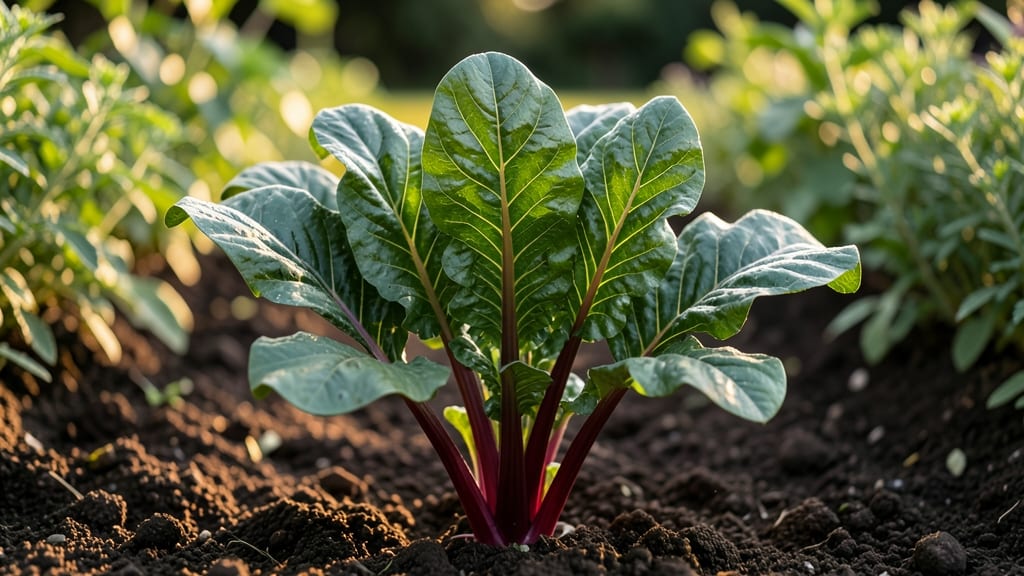
That stunning green leaf with red stem vegetable in your garden isn't just pretty—it's the cold-hardy perennial that keeps giving, year after year. 🌱 I've grown it through three winters, and it's the one vegetable that thrives when others bolt or freeze.
The secret lies in its ability to regrow from the base after harvest, making it one of the most reliable and productive crops for patient gardeners.
The key to success starts with well-draining soil rich in organic matter—think compost mixed in before planting. These plants love full sun but tolerate partial shade, and their spacing (12-18 inches apart) gives them room to grow those bold, colorful stems without crowding.
A light mulch in winter protects the roots while keeping the soil cool enough to prevent bolting.
Once established, Swiss chard is low-maintenance but rewards consistent care. Water deeply once a week (more in extreme heat), and snip outer leaves regularly to encourage new growth. The stems stay vibrant when you harvest young—older ones get tougher but still delicious.
And here's the magic: with proper care, you'll get two full harvests per year, sometimes even a third in mild climates.
The real payoff comes when you taste those tender young leaves—slightly sweet with a crisp texture that holds up better than spinach. Even in late fall, when most gardens are winding down, your chard keeps producing.
It's the vegetable that proves beauty and function can grow together, no fancy tricks required.
📚 In This Guide
- What you need
- Instructions
- Tips and common mistakes
- Wrapping up and next steps
What you need
- ● Seeds or young plants: 5–10 Swiss chard or celery seeds (or 3–4 starter plants for quick harvests)
- ● Seed-starting mix: 1 small bag (1–2 cubic feet) for indoor germination
- ● Soil: Well-draining, organic-rich garden soil (pH 6.0–7.0)
- ● Compost: 1–2 gallons per planting area (boosts nutrients)
- ● Fertilizer: Balanced 10-10-10 fertilizer (1 lb) or fish emulsion (for organic gardens)
- ● Garden tools: Hand trowel (for transplanting seedlings)
- ● Garden fork (to loosen soil)
- ● Watering can or hose with gentle spray nozzle
- ○ Optional (but helpful!): Row cover or frost cloth (to extend cold-season growth)
- ● Mulch (straw or shredded leaves to retain moisture)
- ● Plant markers (to label varieties)
- ● A sunny spot (6+ hours of sunlight daily) or partial shade (for hot climates)
- ● Cold-hardy zone: 2–11 (ideal for Swiss chard; celery prefers zones 5–10)
- ● Patience! Germination takes 7–21 days (keep soil moist 💧)
How to grow and maintain a cold-hardy perennial with striking red stems
This vibrant plant thrives in cool climates and rewards patience with bold regrowth year after year.
🌱 Step 1: Choose the Right Location for Planting
Select a spot with partial shade to full sun—this plant handles both but shines brightest in 4-6 hours of morning sunlight. I always pick a location with well-draining soil because soggy roots lead to rot. If your soil drains poorly, mix in 2-3 inches of compost before planting to improve texture.
Watch for nearby trees or structures that might cast heavy shade. The ideal spot gets gentle afternoon shade in hotter climates. Dig a hole twice as wide as the root ball but only as deep as the container it came in—planting too deep suffocates the roots.
🪴 Step 2: Prepare the Soil and Plant Correctly
Loosen the soil in the planting hole with your fingers or a trowel until it’s light and crumbly. This plant thrives in slightly acidic to neutral soil (pH 6.0-7.0). If your soil is heavy clay, blend in 1 part perlite to 3 parts soil to improve aeration.
Place the plant in the hole so the top of the root ball sits level with the surrounding soil. Press gently around the edges to eliminate air pockets, then water deeply until moisture reaches 6 inches down. You’ll see the soil settle slightly—this confirms proper placement.
☀️ Step 3: Water and Feed for Strong Regrowth
Water once a week during the first growing season, aiming for 1 inch of water per week. Let the top 2 inches of soil dry out between waterings to prevent fungal issues. In hotter months, increase to twice weekly if the leaves show signs of wilting.
Fertilize lightly in early spring with a balanced 10-10-10 fertilizer—this plant doesn’t need much to thrive. Scatter ½ teaspoon per plant around the base, then water thoroughly. Avoid over-fertilizing; too much nitrogen makes the leaves lush but weakens the striking red stems.
✂️ Step 4: Prune and Maintain for Bold Regrowth
Cut back one-third of the foliage in early spring before new growth begins. This encourages bushier, more vibrant regrowth. Use clean, sharp pruners and make cuts just above a leaf node—this is where new shoots emerge.
Remove any yellowed or damaged leaves throughout the season. These act as entry points for pests and diseases. The plant’s natural resilience means it recovers quickly from pruning, but never cut into the red stems—they’re the plant’s signature feature.
⏰ Step 5: Prepare for Winter and Next Year’s Growth
In late fall, reduce watering as temperatures drop. The plant enters dormancy naturally, so no special winter care is needed unless you’re in a region with hard freezes below 10°F. In that case, mulch with 2-3 inches of straw to protect the roots.
Watch for new shoots in early spring—this is your signal to remove the mulch and resume regular care. The plant’s cold-hardiness means it often regrows from the same roots year after year, making it a low-maintenance perennial.
Tips & tricks for perfect red-stemmed perennial growth
Here's what I've learned after growing this plant for years—these little details make all the difference for vibrant regrowth.
Location is Everything: That 4-6 hours of morning sunlight is critical for the red stems to develop their most intense color. I've noticed the stems fade dramatically when plants get too much afternoon sun in hot climates—so if you're in a warm zone, prioritize that morning light window. The afternoon shade actually helps prevent leaf scorch while still allowing the stems to maintain their signature hue.
Soil Prep Secret: When amending heavy clay soil, I always mix in perlite first before adding compost. This creates tiny air pockets that prevent compaction, which is especially important for this plant's shallow root system. The 1:3 perlite-to-soil ratio gives just enough aeration without overwhelming the soil's natural structure. Test your soil's pH before planting—if it's outside 6.0-7.0, adjust with lime or sulfur before adding the plant.
Watering Wisdom: The "let top 2 inches dry out" rule is your best friend for preventing fungal issues. I use a moisture meter to check—when it reads dry at 2 inches, that's your watering cue. In containers, this might mean watering every 4-5 days even if it's not hot, since pots dry out faster. The key is consistency: this plant hates soggy feet but also can't handle drought stress, which causes the stems to weaken.
Pruning Precision: When you cut back one-third of the foliage in early spring, focus on removing the oldest, leggiest growth first. The leaf nodes you're cutting above are where new shoots emerge, so make clean cuts just above them at a 45-degree angle. I've found that using sterilized pruners prevents introducing pathogens to the fresh cuts. And never cut into those red stems—they're the plant's energy storage system for regrowth!
Pro Tips for Green Leaf With Red Stem Vegetable
- Here's what I've learned after growing this plant for years—these little details make all the difference for vibrant regrowth.
- Location is Everything: That 4-6 hours of morning sunlight is critical for the red stems to develop their most intense color.
- Soil Prep Secret: When amending heavy clay soil, I always mix in perlite first before adding compost.
Frequently asked questions
Got questions about this vibrant, cold-hardy perennial? You’re not alone! Here are some of the most common queries—and their answers—to help you grow and enjoy your green leaf with red stem vegetable like a pro.
What’s the best way to harvest leaves without killing the plant?
Harvest leaves by snipping individual stems just above a leaf node (where new growth emerges). Avoid cutting more than one-third of the plant at a time—this ensures regrowth. For continuous harvests, focus on outer leaves first. Pro tip: Use clean scissors or pruners to prevent disease!
Can this vegetable survive winter in cold climates?
This hardy perennial thrives in USDA Zones 3-9 and often regrows after frost. Mulch with straw or leaves in late fall to protect roots. In extreme cold (<10°F), a light row cover can save tender new growth. Fun fact: Some varieties even taste sweeter after winter!
What are the best culinary uses for this leafy green?
Versatile and mild, it’s perfect for salads, sautés, soups, and smoothies. Young leaves work raw; mature leaves shine when cooked briefly (like spinach). Try blending into pestos or massaging with olive oil and lemon for a nutrient-packed side. Bonus: The red stems add a pop of color to dishes!
How do I fix yellowing leaves or stunted growth?
Yellowing often signals overwatering, nutrient deficiency, or pests. Check soil moisture (it should be damp, not soggy) and amend with compost. Stunted growth? Test for nitrogen (leafy greens love it!) or aphids. Quick fix: Spray with neem oil or introduce ladybugs for natural pest control.
Are there any non-toxic alternatives if I dislike the taste?
If the flavor’s too bitter, try mild Swiss chard, malabar spinach, or young dandelion greens—they’re cold-hardy and regrow like this veggie. For a similar texture, kale or collard greens work too. Experiment! Some people prefer it cooked with garlic or vinegar to mellow the taste.
Wrapping up and next steps
Discovering the green leaf with red stem vegetable—like Swiss chard or beet greens—opens up a world of resilient, nutrient-packed greens that thrive year after year. These cold-hardy perennials reward patience with bold regrowth, vibrant flavors, and minimal fuss, making them a gardener’s dream.
Whether you’re a seasoned grower or just starting, embrace their versatility in salads, sautés, or smoothies!
Ready to dive in? Start small—plant a few seeds or seedlings this season and watch your garden transform into a regenerative powerhouse. Happy growing! 🌱✨