
Vegetables
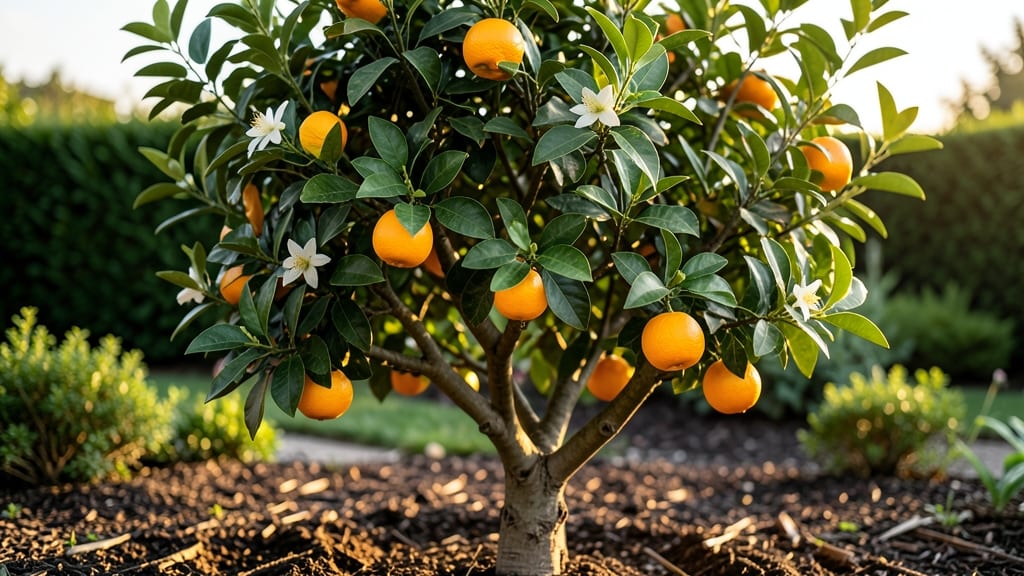
Growing green mandarin oranges from kitchen scraps means fresh citrus in just a few years. 🌱 I started with a discarded peel, and now my patio hosts a thriving dwarf tree—proof that citrus isn’t just for warm climates anymore.
The trick lies in choosing the right variety (like Satsuma or Clementine) and mimicking their natural tropical environment indoors or in mild zones.
You’ll need a sunny spot (6+ hours daily), well-draining soil, and a pot at least 12 inches deep—even in containers. Water when the top inch of soil dries, but avoid soggy roots.
Fertilize lightly every 2-3 months with citrus-specific formula, and prune to encourage bushier growth. Patience is key: fruit may take 2-3 years, but the journey is worth it.
Watch for yellowing leaves (overwatering) or dropped buds (drafts) and adjust care. When tiny green fruits appear, protect them from pests like aphids with neem oil. By late fall, those green orbs will blush orange—harvest when they yield slightly to gentle pressure.
Store in a cool, dry place for weeks of fresh-squeezed juice.
Perfect for balconies, greenhouses, or frost-free zones (USDA 9-11). Even in colder areas, a grow light and winter indoor move keeps your tree alive. Start small, and soon you’ll be swapping store-bought citrus for homegrown zesty treats.
📚 In This Guide
- What you need
- Instructions
- Tips and common mistakes
- Wrapping up and next steps
What you need
- ● Green mandarin orange: 1-2 ripe, organic citrus fruits (preferably with a stem or leaf still attached)
- ● Sharp knife or pruning shears: For clean cuts (sterilized with rubbing alcohol)
- ● Small glass or jar: 8-12 oz, with a narrow neck (like a mason jar)
- ● Water: Filtered or distilled (room temperature, ~1 cup)
- ● Well-draining potting mix: 1 small pot (4-6 inches wide) filled with a blend of: 50% organic citrus potting soil
- ● 30% perlite or coarse sand (for drainage)
- ● 20% compost or worm castings (for nutrients)
- ● Spray bottle: For misting (to maintain humidity)
- ○ Plastic wrap or humidity dome: Optional but helpful for germination
- ● Citrus fertilizer: Low-nitrogen, balanced formula (e.g., 5-5-5) for young plants
- ● Grow lights: LED or fluorescent (12+ hours/day if natural light is limited)
- ● Rooting hormone: Gel or powder (speeds up root growth)
- ● Humidity tray: With pebbles and water (to boost moisture levels)
- ● Label & marker: To track planting date and variety
Step-by-step instructions for regrowing green mandarin oranges from scraps
Here's how I turn kitchen scraps into thriving citrus trees—no green thumb required.
🌱 Step 1: Select and Prepare the Scrap
Choose a green mandarin orange that's firm but yielding when gently squeezed—ripe enough to separate easily but not mushy. Cut off a 1-inch segment from the base of the fruit, just above a natural node where leaves or stems attach. This is your propagation piece.
Real talk: the wider the base, the better. I always look for a ½-inch diameter or thicker—thinner scraps often rot before roots form. Remove any remaining fruit flesh with a clean knife, leaving only the white pith and attached leaves. Let the cut end dry for 10-15 minutes to form a callus, which prevents rot when planted.
💧 Step 2: Root in Water or Moist Medium
Place the prepared scrap in a small glass or jar filled with 2-3 inches of room-temperature water. Submerge only the bottom ½ inch of the stem—any deeper and the cut end will rot. Change the water every 3-4 days to prevent bacterial growth. Roots should appear in 3-6 weeks at 65-75°F.
For faster results, I sometimes use a moistened perlite or vermiculite mix instead of water. Keep it damp (not soggy) and cover loosely with plastic wrap to retain humidity. Watch for tiny white root hairs emerging from the base—this is your signal to proceed.
☀️ Step 3: Transition to Soil and Light
Once roots reach 1-2 inches long, transfer the scrap to a 4-inch pot filled with well-draining potting mix. I like a blend of 50% potting soil, 30% perlite, and 20% compost for citrus. Plant at the same depth it was in water, pressing gently to secure.
Place the pot in bright, indirect light for the first week—direct sun can scorch new leaves. You'll know it's acclimating when new leaves unfurl (usually within 2-3 weeks). This is the moment that matters: gradual light increase prevents shock.
🪴 Step 4: Establish Growth and Care Routine
Water when the top inch of soil feels dry—citrus hate soggy roots but need consistent moisture. I use a self-watering pot to maintain even dampness without overwatering. Fertilize lightly with a balanced citrus fertilizer every 4-6 weeks once new growth appears.
Rotate the pot quarter-turn weekly so the tree grows straight, not leaning toward the light. Prune any leggy growth by pinching back tips to encourage bushier growth. Within 6-12 months, you'll have a 4-foot dwarf tree capable of producing fruit.
⏰ Step 5: Overwinter and Encourage Fruiting
Citrus need cool dormancy to fruit. In winter, reduce watering and move to a 50-60°F spot. Resume regular care in spring when buds swell. For faster fruiting, I sometimes graft a mandarin scion onto my rooted scrap—this skips years of waiting.
Here's the thing—patience pays off. Your first fruit may take 2-3 years, but once established, a single tree yields dozens of mandarins annually. The scent alone makes it worth the wait.
Tips & tricks for perfect green mandarin orange regrowth
These insider tricks will help you transform kitchen scraps into thriving citrus trees with minimal fuss.
Scrap Selection: The base diameter matters more than you'd think. I learned this the hard way after losing three scraps—always choose ones with at least a ½-inch diameter. Thinner pieces rot before roots form because they can't store enough moisture. Look for the widest section near the base where the fruit meets the stem, as this is where new growth will emerge most vigorously.
Rooting Environment: While water is the simplest method, I've found that maintaining a consistent 65-75°F temperature dramatically speeds up root development. Place your jar near a sunny window but avoid direct sunlight, which can raise water temperature and promote bacterial growth. For faster results, I sometimes use a small heat mat under the container—roots appear in as little as 2 weeks instead of the standard 3-6 weeks.
Transitioning to Soil: The moment you transfer your rooted scrap to soil is critical. I wait until roots reach 1-2 inches because shorter roots struggle to anchor in soil and often rot. When repotting, use your finger to create a small hole in the soil mix—this prevents root damage during planting. The 50-30-20 soil blend I recommend creates perfect drainage while retaining enough moisture for delicate new roots.
Light Management: That first week in bright indirect light is non-negotiable. I've seen new leaves scorch within hours of direct sun exposure, so I always position my trees near an east-facing window. After the initial week, you can gradually increase exposure—look for new leaves unfurling as your signal to move to slightly brighter conditions. This gradual transition prevents shock that could stall growth entirely.
Pro Tips for Green Mandarin Orange
- These insider tricks will help you transform kitchen scraps into thriving citrus trees with minimal fuss.
- Scrap Selection: The base diameter matters more than you'd think.
- Rooting Environment: While water is the simplest method, I've found that maintaining a consistent 65-75°F temperature dramatically speeds up root development.
Frequently asked questions
Got questions about reviving green mandarin oranges from scraps? You're not alone!
Here are some of the most common queries—plus quick, actionable answers to keep your citrus revival journey smooth and zesty.
Can I grow a green mandarin orange from any part of the fruit?
Yes! You can propagate green mandarin oranges using the peel (with seeds) or the stem (if it’s still attached to the fruit). The peel method is easiest for beginners—just save a small section with seeds, dry it slightly, and plant it in moist soil. The stem method works too but requires patience (it may take 2–4 weeks to root).
How long does it take for a green mandarin orange cutting to grow roots?
Root growth typically takes 2–6 weeks, depending on warmth (70–80°F), humidity, and care. Place your cutting in a warm, bright spot (but out of direct sun) and keep the soil consistently moist. A clear plastic bag over the pot creates a mini greenhouse effect to speed things up!
What if my green mandarin orange peel doesn’t sprout?
Don’t worry—it might just need a little extra TLC! Try these fixes:
- Check moisture: Overwatering can rot the peel; underwatering slows growth. Aim for consistently damp (not soggy) soil.
- Boost warmth: Place the pot near a heat source (like a sunny window or grow light) to mimic tropical conditions.
- Patience: Some peels take up to 8 weeks to sprout. If nothing happens after 2 months, try a fresh cutting.
Can I grow green mandarin oranges indoors year-round?
These citrus trees thrive indoors with the right setup:
- Light: Place near a south- or west-facing window or use a grow light 12–14 hours/day.
- Pot size: Start with a small pot (4–6 inches) and upgrade as the plant grows.
- Fertilizer: Use a balanced citrus fertilizer every 4–6 weeks in spring/summer.
Are green mandarin oranges different from regular mandarins?
Not really! The green color comes from unripe fruit—just like unripe oranges or lemons. Once fully ripe, they’ll turn orange and taste just as sweet and tangy. The growing process is identical, so you can treat them the same way. The only difference? Your green mandarin might be a fun, unexpected twist on classic citrus!
Pro Tip:
For faster sprouting, soak the peel in water for 24 hours before planting. This hydrates the seeds and kickstarts germination!
Wrapping up and next steps
Growing a green mandarin orange from kitchen scraps isn’t just rewarding—it’s a celebration of sustainability and flavor! 🌱 With just a little patience and care, you’ll soon enjoy fresh, fragrant citrus straight from your own home.
Whether you’re a beginner or a seasoned gardener, this project proves that small efforts yield big rewards—both for your garden and your taste buds.
Ready to take the next step? Start with a single seed today and watch your citrus adventure unfold. Share your progress with fellow plant enthusiasts or gift a sapling to a friend—because the best things grow together! 🌟