
Vegetables
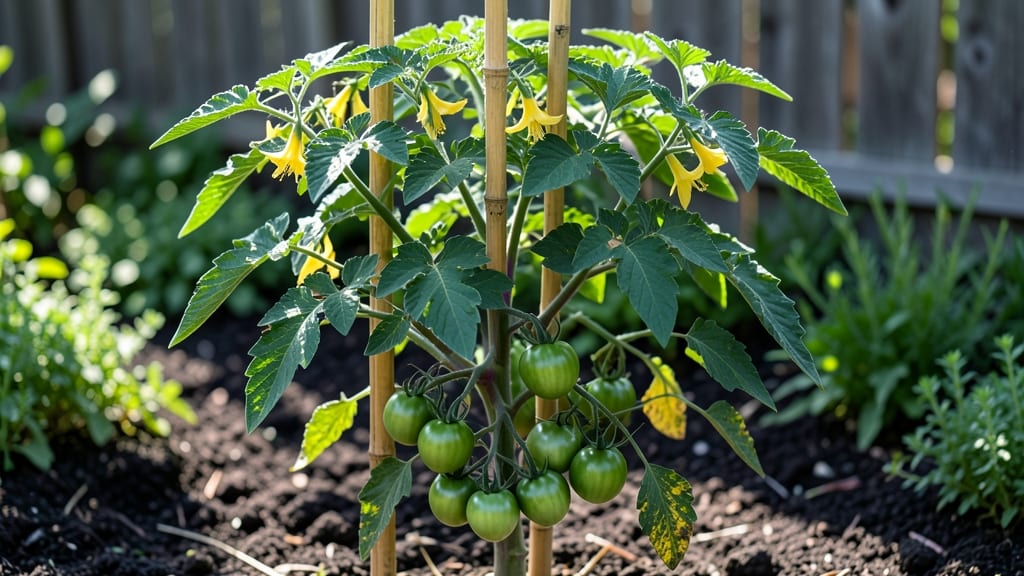
Growing green plum tomatoes changed how I think about tomatoes forever—these cold-hardy perennials keep producing bold, tangy fruit year after year, even when other varieties give up. 🌱 The secret lies in their unique green skin that ripens to a deep red inside, offering a flavor profile that’s both sweet and slightly tart, with a meaty texture perfect for sauces, slicing, or fresh eating.
Unlike annual tomatoes, these thrive in zones 5-9 and regrow from the roots each spring, cutting your replanting work by half.
They demand full sun (6-8 hours daily) and well-draining soil with a pH of 6.0-6.8, but their real magic happens when you train them on sturdy trellises—this prevents sprawl and makes harvesting those 1-2 pound fruits effortless.
Start seeds indoors 6-8 weeks before your last frost, or buy transplants in early spring.
Once established, water consistently at the soil line (not the leaves) to avoid cracking—a common issue with their thick skins—and fertilize lightly every 4-6 weeks with a balanced 10-10-10 mix.
Prune suckers regularly to focus energy on fruit production, and watch as your plants reward you with a harvest that stretches from early summer until frost. The first green plums ripen in about 80 days, but they’ll keep surprising you well into fall.
Troubleshooting is simple: if your tomatoes split, ensure even moisture; for blossom end rot, add calcium-rich amendments like crushed eggshells. Store unripe fruits at room temperature to finish ripening indoors, or pop them in the fridge to slow the process.
With these perennials, your tomato game just got smarter—and your garden, more resilient.
📚 In This Guide
- What you need
- Instructions
- Tips and common mistakes
- Wrapping up and next steps
What you need
- ● Green Plum Tomato Seeds or Seedlings: Choose Solanum lycopersicum var. 'green plum' (e.g., 'Green Zebra' or 'Pineapple'). Start with 3–5 plants for a small harvest or 10+ for a bountiful yield.
- ● Well-Draining Potting Mix: 5–10 gallons (for containers) or 1–2 cubic yards (for in-ground planting). Use a blend with 50% compost or aged manure for fertility.
- ● Containers or Garden Space: Containers: 5-gallon pots or larger (minimum 12–18 inches deep) with drainage holes. 3–5 plants per container (thin to strongest seedlings).
- ● Garden Beds: Full sun (6–8+ hours daily) and 6 feet apart (or 3 feet in cages).
- ● Tomato Cages or Trellis: 1–2 cages per plant (6–8 feet tall) or a sturdy trellis to support vines.
- ● Fertilizer: Balanced Organic Fertilizer: 10-10-10 or 5-5-5 (e.g., fish emulsion, compost tea). Apply at planting and when flowers appear.
- ○ Calcium Supplement (Optional): Crushed eggshells or calcium nitrate to prevent blossom-end rot.
- ○ Garden Tools: Trowel, pruners, and gloves. A moisture meter (optional but helpful for container growers).
- ● Mulch: 2–3 inches of straw or shredded leaves to retain moisture and suppress weeds.
- ● Watering Can or Hose: With a gentle spray nozzle to avoid damaging stems.
- ● Sunlight Access: Full sun (no shade cloths—these tomatoes thrive in heat!).
- ● Patience & Warmth: Green plums need 70–85°F soil temps to germinate (7–14 days). Start indoors 6–8 weeks before last frost if in a cold climate.
Step-by-step guide to growing green plum tomatoes
These cold-hardy perennials reward patience with bold, flavorful harvests year after year.
🌱 Step 1: Choose the Right Location and Prepare the Soil
Green plum tomatoes thrive in full sun—at least 6-8 hours daily. I pick the warmest, most sheltered spot in my garden because these plants can survive light frosts but need consistent warmth to fruit well. If you're growing in containers, place them where they won’t be shaded by taller plants.
Amend the soil with 2-3 inches of compost mixed into the top 6 inches of soil. These tomatoes love rich, well-draining soil with a pH between 6.0 and 6.8. Work in a handful of balanced fertilizer (like 10-10-10) at planting time to give them a nutrient boost. If your soil is heavy clay, add 1 part perlite to 3 parts soil to improve drainage—waterlogged roots will stunt growth.
☀️ Step 2: Plant at the Right Time and Depth
Plant after the last frost date when soil temperatures reach at least 60°F. You’ll know it’s time when nearby perennials start actively growing. Dig a hole twice as wide as the root ball but only as deep as the container—planting too deep can suffocate the stem.
Space plants 3-4 feet apart to allow air circulation, which prevents fungal diseases like early blight. If growing in containers, use 5-gallon pots minimum—smaller pots restrict root growth and reduce yields. Water deeply right after planting to settle the soil and remove any air pockets around the roots.
💧 Step 3: Water Consistently and Mulch to Retain Moisture
Keep the soil evenly moist but never soggy—1-1.5 inches of water per week is ideal. I water in the early morning so foliage dries quickly, reducing disease risk. Let the top 1-2 inches of soil dry out slightly between waterings; wilting leaves signal you’ve gone too long without water.
Apply 2-3 inches of organic mulch (like straw or shredded leaves) around each plant, keeping it 2 inches away from the stem. Mulch locks in moisture, cools roots, and suppresses weeds. Replenish mulch as it breaks down, especially during dry spells. Avoid synthetic mulches—they can overheat the soil and stress the plants.
✂️ Step 4: Prune for Airflow and Support
Green plum tomatoes benefit from light pruning to improve airflow and fruit production. Remove any suckers (the small shoots that form in the leaf axils) when they’re 2-3 inches long. These compete with fruit for energy and can make the plant sprawl. I leave just 1-2 main stems per plant for better structure and easier harvesting.
Install sturdy cages or stakes at planting to support the plants as they grow. Without support, the heavy fruit can snap stems. Prune any yellow or diseased leaves immediately—don’t wait. Healthy foliage should be deep green and crisp; anything brown or spotted needs to go to prevent the problem from spreading.
🌿 Step 5: Fertilize and Harvest for Continued Growth
Feed plants every 4-6 weeks with a balanced fertilizer (like 5-5-5) or a tomato-specific formula. I switch to a low-nitrogen, high-phosphorus blend (like 3-6-6) when flowers appear to encourage fruiting. Avoid over-fertilizing with nitrogen—it promotes leafy growth at the expense of fruit.
Harvest when tomatoes are fully green and slightly soft to the touch, usually 60-70 days after flowering. Green plum tomatoes ripen on the vine but can be picked early if frost threatens. Cut stems with pruners to avoid damaging the plant. With proper care, these perennials will regrow each year, producing more fruit with minimal effort—just repeat the pruning and feeding steps annually.
Tips & tricks for perfect green plum tomatoes
These cold-hardy perennials thrive with the right care—here’s how to maximize your harvest without the guesswork.
Sunlight Strategy: While 6-8 hours of sun is the minimum, I’ve found that positioning plants on the south or west side of the garden extends their sunlight exposure naturally. If you’re in a shady spot, supplement with a small grow light for 2-3 hours daily during cloudy periods. Green plum tomatoes are tough, but they’ll reward you with bigger fruit when they get their full sun requirement.
Soil Test Tip: Before planting, grab a handful of your garden soil and squeeze it—if it holds its shape tightly, it’s too compact. For clay-heavy soil, mix in 1 part perlite to 3 parts soil as instructed, but also consider adding 1 cup of coarse sand per square foot to further improve drainage. Well-draining soil prevents root rot and encourages stronger root systems that support more fruit.
Watering Wisdom: The 1-1.5 inches of water per week guideline works, but I’ve learned to adjust based on weather. During hot spells, increase to 2 inches weekly and water twice a week instead of once. Check soil moisture by sticking your finger 1-2 inches deep—if it feels dry, it’s time to water. Morning watering is key, but if you miss that window, water in the early evening to prevent fungal issues.
Pruning Precision: When removing suckers at 2-3 inches, use clean pruners and make cuts at a 45-degree angle just above a leaf node. This technique promotes faster healing and stronger regrowth. I also recommend pruning in the morning when plants are hydrated—it’s easier to spot healthy growth and reduces stress on the plant. Leave those 1-2 main stems sturdy for maximum fruit production.
Pro Tips for Green Plum Tomatoes
- These cold-hardy perennials thrive with the right care—here’s how to maximize your harvest without the guesswork.
- Sunlight Strategy: While 6-8 hours of sun is the minimum, I’ve found that positioning plants on the south or west sid...
- Soil Test Tip: Before planting, grab a handful of your garden soil and squeeze it—if it holds its shape tightly, it’s...
Frequently asked questions
Got questions about growing green plum tomatoes? You’re not alone—these cold-hardy perennials are unique! Here are answers to the most common queries to help you cultivate success.
Can green plum tomatoes survive winter?
Yes!
Unlike annual tomatoes, green plum tomatoes are perennial in USDA zones 8–11. They’ll regrow each year if protected from hard freezes (use mulch or row covers). In colder zones, treat them as annuals or overwinter indoors. Pro tip: Prune back dead foliage in late winter to encourage fresh growth!
How long does it take for green plum tomatoes to fruit?
Patience pays off! First fruits typically appear 60–90 days after transplanting (longer if grown from seed). Perennial plants may fruit even faster in subsequent years. Boost production: Fertilize lightly with compost in early spring and keep soil moist but well-drained.
What if my green plum tomatoes stay green and never ripen?
This is normal! Green plum tomatoes are harvested green (like heirloom varieties) and ripen off the vine. For sweeter flavor, let a few turn yellow or red in warm climates. Troubleshooting: If they’re too green and mealy, they may need more sun (6+ hours/day) or warmer temps (70°F+).
Can I substitute green plum tomatoes for regular tomatoes in recipes?
Absolutely!
Their tart, plum-like flavor works great in salsas, sauces, or salads—just don’t expect the same juiciness as red tomatoes. For cooking, roast or simmer them to soften. Bonus: Their thick skin holds up well to canning!
How do I prevent pests like hornworms or aphids on green plum tomatoes?
Use organic defenses:
- Handpick hornworms (drop them in soapy water!).
- Spray neem oil for aphids.
- Encourage ladybugs or lacewings (natural predators!).
- Mulch heavily to deter soil-dwelling pests.
Wrapping up and next steps
Green plum tomatoes are a gardener’s dream—cold-hardy, productive, and packed with bold flavor! Whether you’re a seasoned grower or a curious beginner, these perennials reward patience with years of harvests.
Start small, experiment with varieties, and soon you’ll be sharing your vibrant tomatoes with neighbors (or freezing them for winter soups!). 🌱
Ready to dive in? Pick a spot, grab some seeds, and let your green plum tomato adventure begin! Happy growing! 🌿