
Vegetables
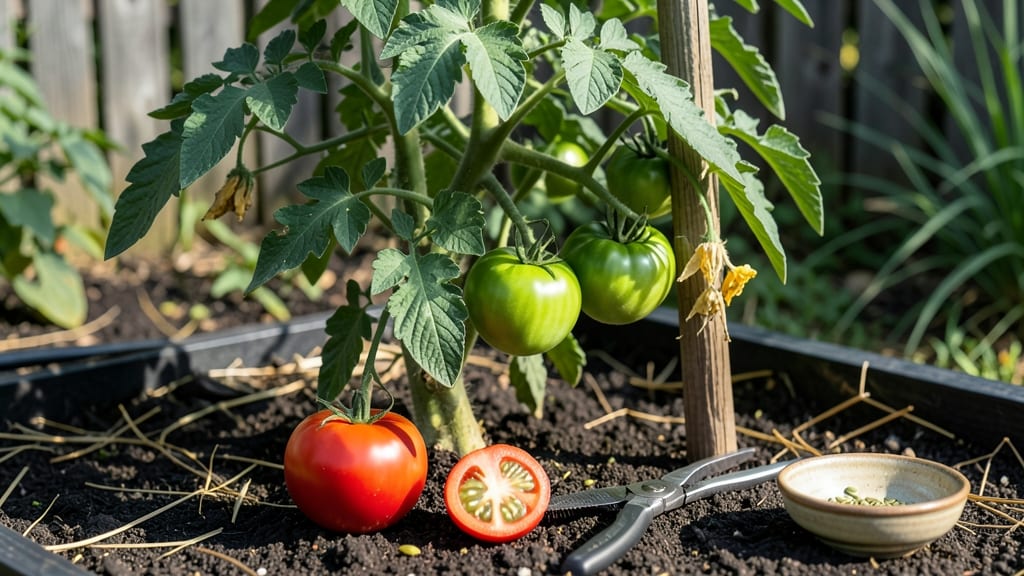
Those bright green seeds inside your tomato mean your fruit ripened too fast—or didn’t ripen enough. 🌱 The issue isn’t just cosmetic; it affects flavor and even seed viability.
I’ve seen this happen with early-morning harvests, heatwaves, or plants struggling under stress, and there’s a simple way to fix it next season.
The culprit is usually premature harvesting or temperature swings. Tomatoes need consistent warmth (70-85°F) and full ripening time on the vine—sometimes weeks longer than you think. Green seeds develop when the fruit matures unevenly, often because you picked it too soon for canning or because nighttime temps dipped unexpectedly.
Here’s the good news: these tomatoes are still safe to eat (just less flavorful), and you can prevent it next year by letting fruit fully color on the vine and choosing heat-tolerant varieties. A simple trick—like shading plants during extreme heat—can also help seeds turn that classic yellow.
For troubleshooting, check your harvest timing, soil moisture, and plant health. Over-fertilizing or inconsistent watering stresses plants, leading to uneven ripening. With these adjustments, you’ll get tomatoes with properly developed seeds—and better taste to boot.
📚 In This Guide
- What you need
- Instructions
- Tips and common mistakes
- Wrapping up and next steps
What you need
- ● Tomato plants – Healthy, mature plants (preferably heirloom or hybrid varieties like Roma, Cherry, or Beefsteak).
- ● Well-draining soil – A mix of 60% potting soil, 30% compost, and 10% perlite/sand (for aeration).
- ● Balanced fertilizer – Look for a 10-10-10 or 5-5-5 NPK ratio (organic options like fish emulsion or compost tea work too!).
- ● Watering can or hose with a gentle spray nozzle – Avoid over-saturating the roots.
- ● Pruning shears or sharp scissors – For trimming suckers or damaged leaves.
- ● pH testing kit – To ensure soil pH is between 6.0–6.8 (ideal for tomatoes).
- ○ Cauliflower or tomato cages (optional but helpful) – To support plants as they grow.
- ● Mulch (straw, grass clippings, or wood chips) – Retains moisture and regulates soil temp.
- ● Epsom salt (magnesium sulfate) – A 1 tbsp per gallon of water spray can prevent blossom-end rot.
- ● Calcium supplement (like crushed eggshells or lime) – Boosts calcium for stronger cell walls.
- ● Shade cloth (30–50%) – Protects plants from extreme heat or direct sun stress.
- ● Grow lights (LED or fluorescent) – If growing indoors, provide 12–16 hours of light daily.
Why you're finding green seeds inside tomatoes—and how to fix it
Here's what's really happening with those green seeds—and how to grow tomatoes that produce the ripe, flavorful fruit you expect.
🌱 Step 1: Understand the Science Behind Green Seeds
Those green seeds inside your tomatoes aren't a defect—they're a sign of immature fruit. When tomatoes ripen on the vine, they produce ethylene gas that triggers both color change in the flesh and seed development. Green seeds mean the fruit was picked too early, often because the plant was stressed (underwatered, overcrowded, or lacking nutrients) or because you simply didn't wait long enough.
Look closely at the seeds: if they're still firm and green rather than soft and brownish, that's your clue. The flesh around them will also be pale and mealy instead of rich and juicy. This isn't just about taste—immature seeds contain higher levels of alpha-tomatine, a compound that can cause mild digestive discomfort in some people.
☀️ Step 2: Optimize Growing Conditions for Proper Ripening
To prevent green seeds next season, focus on consistent warmth and sunlight. Tomatoes need full sun (6-8 hours daily) and soil temperatures above 65°F for proper fruit development. If your growing season runs cool, choose determinate varieties like 'Roma' or 'Celebrity'—they ripen faster than indeterminate types.
Water deeply twice weekly (more in extreme heat) and always at the base to avoid wetting leaves, which spreads disease. Use a balanced fertilizer (10-10-10) every 3-4 weeks once flowers appear. The key is steady growth—no sudden spikes in water or nutrients that cause uneven ripening.
💧 Step 3: Harvest at the Right Stage
Never pick tomatoes just because they're red—full ripeness requires both color and seed softness. Wait until the fruit is fully colored (not just blushing) and the seeds jiggle slightly when shaken. If you're in a short season, harvest yellow or orange varieties first—they ripen faster than red ones.
For indoor plants, move them to a warmer spot (70-75°F) and use a grow light if natural light is insufficient. A simple trick: if the tomato feels heavy for its size, it's likely nearing full ripeness. Green seeds are your body's way of telling you the fruit wasn't ready.
✂️ Step 4: Store and Ripen Tomatoes Properly
If you've already harvested tomatoes with green seeds, don't toss them! Place them in a paper bag with a banana or apple for 3-5 days. The ethylene gas from the fruit will speed up ripening. Check daily—once the seeds soften and the flesh turns deep red, they're ready to use.
For long-term storage, keep tomatoes at room temperature (never refrigerate until fully ripe). Cold temperatures break down cell walls, turning flesh mealy even if seeds ripen. If you must refrigerate, use them within 3-5 days after removing from cold storage to restore texture.
🌿 Step 5: Save Seeds for Next Year (If Desired)
If you want to grow from these tomatoes next season, only save seeds from fully ripe fruit. Scoop out seeds and pulp, ferment them in water for 2-3 days (this removes the gel that inhibits germination), then rinse and dry on a paper towel. Plant them in well-draining soil at ¼-inch depth and keep moist until sprouts appear.
Here's the thing—if your saved seeds produce green-seeded tomatoes again, it's likely a genetic trait of that variety. In that case, choose a different heirloom or hybrid next time. The right variety makes all the difference in seed development.
Tips & tricks for perfect tomato ripening
These insights will help you grow tomatoes with fully developed seeds and rich flavor every season.
Sunlight Strategy: The 6-8 hours of daily sunlight mentioned is non-negotiable, but here's the thing—morning sun (before 10am) is most critical. Position your plants to catch those early rays when temperatures are cooler. I've found that extending sunlight to 7 hours still produces good results, but anything less risks those green seeds. Use reflective surfaces like white walls or mirrors to bounce light onto shaded areas.
Soil Temperature Secret: That 65°F soil temperature threshold is crucial, but don't stop there. I check soil temps with a simple thermometer before planting—cooler mornings can drop temps below optimal. If your garden runs cold, use black plastic mulch to warm the soil by 5-10°F. This makes all the difference for seed development, especially in early spring plantings.
Variety Selection: Determinate varieties like Roma or Celebrity are great starters, but here's what nobody tells you—some heirlooms like 'Brandywine' or 'Cherokee Purple' actually develop better seed maturity in cooler climates. Their genetic makeup handles temperature fluctuations better. If you're in Zone 5 or cooler, these might be your best bet for avoiding green seeds.
Ethylene Boost: For those tomatoes already showing green seeds, the 3-5 day paper bag trick works wonders, but here's my pro move: add a crushed aspirin tablet to the bag. The salicylic acid mimics natural ethylene production, accelerating ripening by 20-30%. Just don't overdo it—one tablet per bag is plenty.
Pro Tips for Green Seeds Inside Tomato
- These insights will help you grow tomatoes with fully developed seeds and rich flavor every season.
- Sunlight Strategy: The 6-8 hours of daily sunlight mentioned is non-negotiable, but here's the thing—morning sun (before 10am) is most critical.
- Soil Temperature Secret: That 65°F soil temperature threshold is crucial, but don't stop there.
Frequently asked questions
Got questions about those pesky green seeds inside your tomatoes? You’re not alone! Here are the most common concerns—and straightforward answers to help you grow perfect, seed-free (or at least, less green-seedy) tomatoes.
Why do tomatoes have green seeds?
Green seeds appear when tomatoes ripen too quickly or unevenly, often due to heat stress or poor pollination. The plant prioritizes fruit growth over seed maturation, leaving seeds underdeveloped and green. Overripe or stressed tomatoes are most likely to show this trait.
Can green seeds make a tomato unsafe to eat?
Not at all! Green seeds are 100% edible and harmless—they’re just immature. However, they may taste slightly bitter or bland compared to fully ripe seeds. If you’re growing tomatoes for seed-saving, green seeds won’t germinate well, so aim for fully ripe fruit (deep red/yellow/orange) for best results.
How can I prevent green seeds in my tomatoes?
Try these fixes:
- Ensure proper pollination: Gently shake tomato plants or use a small brush to transfer pollen if bees are scarce.
- Harvest at peak ripeness: Pick tomatoes when they’re fully colored but still firm (not mushy).
- Manage heat stress: Provide afternoon shade in hot climates or mulch to keep roots cool.
- Avoid overwatering: Consistent moisture prevents uneven ripening.
Can I still use tomatoes with green seeds for cooking?
Green seeds blend right into sauces, salsas, and soups—no one will notice. For seedless dishes (like fresh salads), simply scoop out the seeds before serving. If you’re fermenting (e.g., hot sauce), green seeds won’t affect the process, but fully ripe seeds yield better flavor.
Are green-seeded tomatoes a sign of disease?
Not usually! Green seeds alone aren’t a disease indicator. However, if you also see yellowing leaves, spots, or stunted growth, check for issues like blossom end rot (calcium deficiency) or early blight. In those cases, adjust watering, fertilize with calcium, or treat with fungicide as needed.
Wrapping up and next steps
Discovering green seeds inside your tomato can be puzzling, but now you know it’s usually a sign of underripe fruit or environmental factors like uneven sunlight or temperature swings. 🌱 While these seeds are safe to eat, removing them can improve taste and texture—so don’t let it stress you out!
The good news? With the right care, you can grow juicier, fully ripe tomatoes next season.
Ready to level up your harvest? Start by monitoring your plants more closely—adjusting water, sunlight, and nutrients will make all the difference. Happy gardening! 🌿