
Vegetables
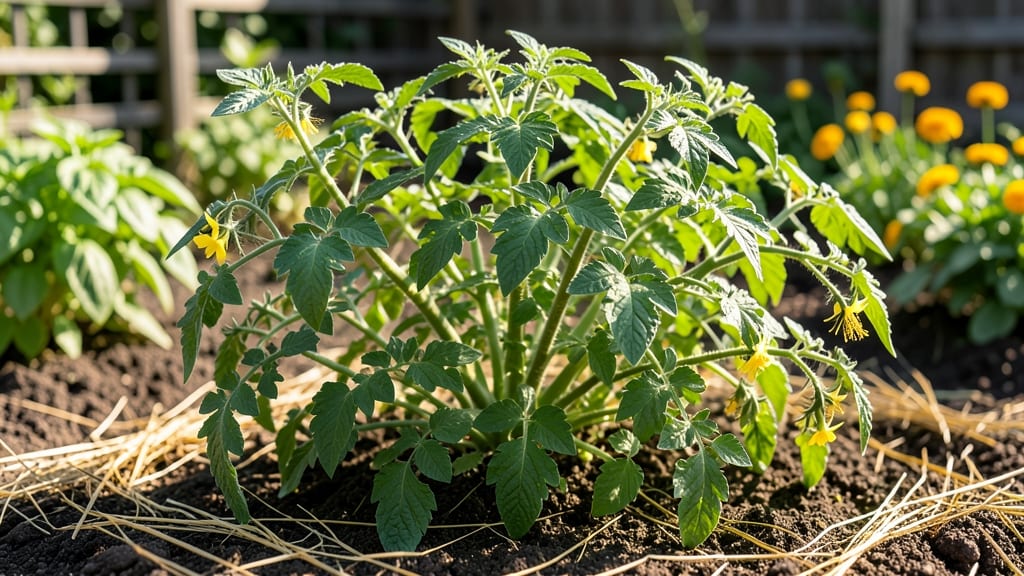
Growing ground husk cherry tomatoes means year-after-year harvests without replanting—these cold-hardy perennials come back stronger every spring. 🌱 I’ve watched mine survive winter’s freeze only to burst into fruit by early summer, and the secret lies in their unique ground-husk trait that protects seeds for regeneration.
The key is mimicking their native prairie conditions: loose, well-draining soil with 30% organic matter, full sun (6+ hours daily), and minimal fuss once established. They thrive in zones 3-9, making them the ultimate low-maintenance crop for impatient gardeners or busy homesteaders.
You’ll harvest sweet, golf-ball-sized tomatoes from late summer through fall, with plants that self-seed prolifically. The ground husk isn’t just a quirky feature—it’s their survival superpower, letting them bounce back after frost. Perfect for cottage gardens, pollinator-friendly borders, or even container growing with deep pots.
Here’s how to unlock their perennial magic without the guesswork.
📚 In This Guide
- What you need
- Instructions
- Tips and common mistakes
- Wrapping up and next steps
What you need
- ● Ground husk cherry tomato plants – Start with Physalis pruinosa seeds or young plants (available from specialty seed suppliers).
- ● Well-draining soil – A mix of 60% native soil, 30% compost, and 10% coarse sand or perlite works best.
- ● Organic mulch – 2–3 inches of straw, wood chips, or shredded leaves to retain moisture and suppress weeds.
- ● Balanced fertilizer – 5-10-10 or 10-10-10 (organic options like fish emulsion or compost tea are ideal).
- ● Watering can or drip irrigation system – For consistent, deep watering (avoid overhead sprinklers to prevent disease).
- ● Garden trowel or transplanting spade – For planting seeds or young plants.
- ○ Gloves (optional but recommended) – To protect hands from thorny stems or prickly husks.
- ● Pruning shears – For trimming leggy growth or removing damaged foliage.
- ○ Garden twine or stakes (optional) – If your plants grow tall in your climate (though they’re typically low-growing).
- ○ pH test kit (optional) – To ensure soil pH is between 6.0–7.0 (ideal for cherry tomatoes).
- ● A sunny location with at least 6–8 hours of direct sunlight daily.
- ● Cold-hardy zone suitability – Thrives in USDA Zones 3–9 (perennial in colder climates).
- ● Patience for establishment – These plants may take 2–3 years to fully mature and produce abundant fruit.
Step-by-Step instructions for planting ground husk cherry tomatoes
These cold-hardy perennials reward patience with years of fruit—here’s how to establish them properly.
🌱 Step 1: Choose the Right Location and Prepare the Soil
Ground husk cherry tomatoes thrive in full sun—select a spot that receives at least 6-8 hours of direct sunlight daily. I always test the soil first by digging a 6-inch hole and checking the drainage. If water pools after 10 minutes, amend the soil with 2-3 inches of compost to improve aeration and fertility.
These plants prefer slightly acidic to neutral soil (pH 6.0-7.0). You can test your soil with a simple kit or send a sample to your local extension office. If your soil is heavy clay, mix in 1 part sand to 3 parts native soil to prevent root rot. The goal is loose, well-draining soil that holds moisture without becoming soggy.
🪴 Step 2: Plant Bare-Root Starts or Divide Established Clumps
If you’re starting with bare-root plants, soak the roots in lukewarm water for 30 minutes before planting to rehydrate them. Dig a hole twice as wide as the root ball but no deeper—ground husk cherries resent being buried too deeply. Gently position the plant so the crown sits just above soil level (never below).
For established clumps, carefully separate the roots into 4-6 inch sections, ensuring each piece has at least 2-3 buds. Replant these divisions 18-24 inches apart in rows 3 feet apart to allow airflow and prevent disease. Water deeply immediately after planting to settle the soil and eliminate air pockets around the roots.
☀️ Step 3: Mulch and Water for Establishment
Spread 2-3 inches of organic mulch (like shredded leaves or straw) around each plant, keeping it 2 inches away from the stem to prevent rot. This mulch layer conserves moisture, regulates soil temperature, and suppresses weeds—critical for the first 6-8 weeks while roots establish.
Water deeply 2-3 times per week during the first month, ensuring the soil stays moist but not waterlogged. You’ll know you’re doing it right when the top 1-2 inches of soil feel slightly damp but not saturated. Avoid overhead watering, which can spread fungal diseases. Instead, use a soaker hose or drip irrigation placed at the base of the plant.
✂️ Step 4: Prune and Train for Maximum Cold Hardiness
In early spring, prune back any dead or weak growth to encourage new, vigorous shoots. Ground husk cherries benefit from light pruning—remove 1/3 of the oldest stems to redirect energy to newer growth. This also improves airflow, reducing the risk of fungal issues.
Train the remaining stems along a small trellis or stakes if they grow taller than 18 inches. This prevents the plants from flopping over in wind or rain, which can damage the delicate fruit. Harvest regularly to encourage continuous production—ripe cherries turn a deep red and are ready to pick when they’re soft to the touch.
⏰ Step 5: Prepare for Winter Dormancy
As temperatures drop below 40°F at night, ground husk cherries will begin to slow down. Stop fertilizing 6-8 weeks before the first frost to allow the plant to harden off naturally. Cut back the foliage to 2-3 inches above the ground once it turns brown, but leave the stems intact—the roots will remain dormant underground.
Mulch heavily (4-6 inches) with straw or leaves before the first hard freeze to insulate the roots. These perennials are hardy to Zone 4, but the mulch acts as a buffer against extreme cold. In early spring, remove the mulch and water lightly to wake the roots before new growth emerges.
Tips & tricks for perfect ground husk cherry tomato planting
Common pitfalls—and how to sidestep every one when growing these resilient perennials.
Sunlight Secret: Those 6-8 hours of daily sun are non-negotiable, but here's the thing: morning sun is more important than afternoon. If you're in a hot climate, provide afternoon shade to prevent stress—these plants can handle full sun but appreciate a break during peak heat. I've seen them thrive with 5 hours of morning sun plus 3 hours of afternoon shade in Zone 7.
Soil Test Timing: Don't skip that 10-minute drainage test in Step 1—it's the difference between thriving plants and root rot. If your soil drains too quickly (sandy), mix in 1 part peat moss to the 3 parts native soil to help retain moisture. For clay-heavy soils, the 1:3 sand ratio works wonders, but I've also had success with coconut coir as a sustainable alternative.
Root Rehydration Hack: That 30-minute lukewarm soak for bare-root plants is crucial, but here's what nobody tells you—add 1 tablespoon of seaweed extract to the water. It jumpstarts root growth and gives your plants a head start. The extract contains natural hormones that stimulate cell division in the roots, making them establish faster. (Optional: you can also use plain water if you're short on supplies.)
Mulch Layer Strategy: The 2-3 inch mulch layer in Step 3 is your best friend for moisture retention, but placement matters. Keep that 2-inch clearance from the stem to prevent rot—this is where most beginners go wrong. I've also found that using straw mulch breaks down more slowly than leaves, providing longer-term moisture control. For extra insulation in winter, add a second layer of 4-6 inches of straw once temperatures consistently drop below 40°F.
Pro Tips for Ground Husk Cherry Tomatoes
- Common pitfalls—and how to sidestep every one when growing these resilient perennials.
- Sunlight Secret: Those 6-8 hours of daily sun are non-negotiable, but here's the thing: morning sun is more important...
- Soil Test Timing: Don't skip that 10-minute drainage test in Step 1—it's the difference between thriving plants and r...
Frequently asked questions
Got questions about growing ground husk cherry tomatoes? You’re not alone! These cold-hardy perennials are unique, and even seasoned gardeners have curiosities. Below, we’ve tackled the most common queries to help you cultivate success—no guesswork required.
What’s the best way to overwinter ground husk cherry tomatoes?
These hardy plants thrive in USDA zones 5-9, but a little prep ensures they bounce back yearly. After the first frost, trim foliage back by half to reduce stress. Mulch heavily (4-6 inches) with straw or leaves to insulate roots. In colder zones (below 5), add a thick layer of evergreen boughs or a cloche for extra protection. Pro tip: Avoid heavy pruning in late fall—let some growth remain to photosynthesize under snow!
Can ground husk cherry tomatoes survive freezing temperatures?
Unlike annual tomatoes, these perennials are cold-hardy down to 10°F (-12°C) when established. Young plants or seedlings may need frost blankets if temps dip below 20°F (-6°C). Once mature, their woody stems act like natural insulation. Key trick: Plant in full sun to build resilience—shady spots weaken their cold tolerance.
How do I tell if my ground husk cherry tomatoes are ready to harvest?
Harvest when tomatoes turn a vibrant red, orange, or yellow (depending on the variety) and feel firm but slightly soft to the touch. Size varies—some stay tiny (cherry-sized), while others grow to golf-ball proportions. Timing tip: Pick in the morning for peak flavor, and harvest regularly to encourage more production. Overripe tomatoes may crack or split, so stay vigilant!
What should I do if my ground husk cherry tomatoes stop producing fruit?
Several factors could be at play. First, check for pollination issues—hand-pollinate with a soft brush if bees are scarce. Next, ensure they’re getting 6-8 hours of sun daily and well-draining soil (they hate soggy roots). Nutrient deficiency? Feed with a balanced fertilizer (10-10-10) in early spring. Finally, prune aggressively in late winter to rejuvenate growth—these plants do respond to a good haircut!
Are there alternatives to ground husk cherry tomatoes for cold climates?
If you love cold-hardy tomatoes but want variety, consider these perennials:
- Tomato ‘Indigo Rose’ (cold-tolerant, heirloom variety)
- Solanum nigrum (Black Nightshade) (edible berries, thrives in shade)
- Physalis (Ground Cherries) (sweet, papery husks, zones 4-9)
Wrapping up and next steps
Ground husk cherry tomatoes (Physalis pruinosa) are a gardener’s dream—cold-hardy, low-maintenance, and packed with flavor! These perennials reward patience with year-after-year harvests, making them a sustainable and exciting addition to any garden.
Whether you’re a seasoned grower or a beginner, their resilience and adaptability make them a must-try.
Ready to plant your own patch? Start small—try a few plants in a sunny spot—and watch them thrive. Share your progress with fellow gardeners or experiment with recipes using your homegrown bounty! 🌱✨