
Vegetables
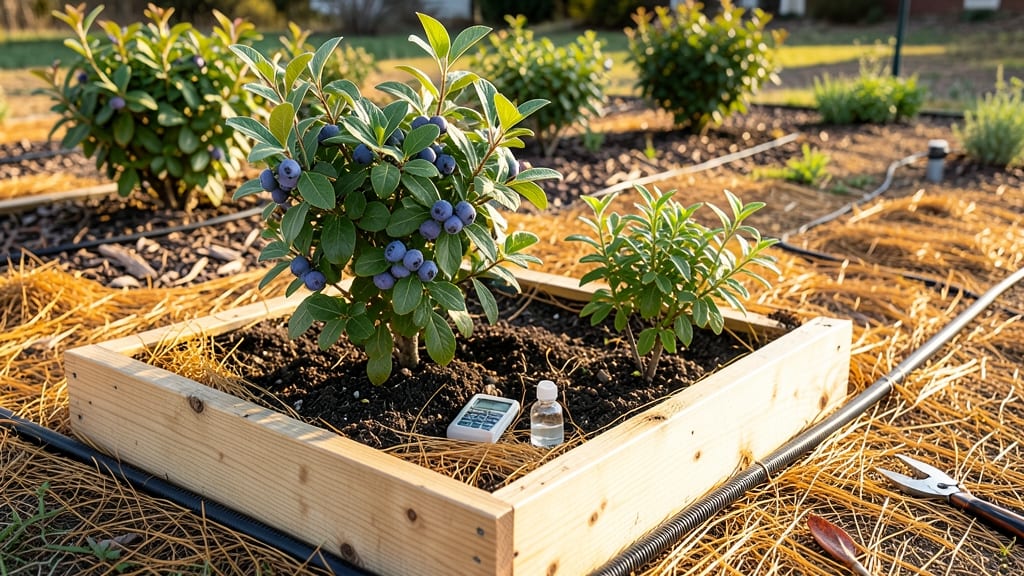
Utah’s crisp mountain air and alkaline soil don’t have to stop you from growing blueberries—these cold-hardy varieties prove it. 🌱 I’ve grown them at 6,000 feet elevation, and with the right prep, you can too.
The key is selecting varieties that handle Utah’s sharp temperature swings and dry spells while thriving in our thin, rocky soil.
Start with Top Hat or Bluecrop—both handle Utah’s heat and cold better than most. Amend your soil with sulfur and peat moss to lower pH (aim for 4.5–5.5), and plant in well-draining raised beds if your native soil is too alkaline.
Mulch heavily with pine needles or wood chips to retain moisture and protect roots from winter freeze-thaw cycles.
Once established, your bushes will reward you with juicy, deep-blue berries by mid-summer. Prune in late winter to open the center for airflow, and water deeply once a week during dry spells.
The first harvest might be small, but each year, your bushes grow stronger—just like my neighbor’s, which now produces enough for jam every August.
Utah’s challenges—like late frosts and hail—aren’t dealbreakers. Just time your planting for early spring (after last frost) and protect young plants with frost cloth if needed. With patience, your blueberry bushes will become the showstopper of your high-desert garden.
📚 In This Guide
- What you need
- Instructions
- Tips and common mistakes
- Wrapping up and next steps
What you need
- ● Blueberry Plants: Cold-hardy varieties (e.g., Bluecrop, Patriot, or Jersey) – 2-4 plants (for cross-pollination, plant at least two different varieties).
- ● Bare-root or potted plants (check local nurseries for Utah-adapted stock).
- ● Soil Amendments: Peat moss or coconut coir – 5-10 gallons (for acidifying soil).
- ● Sulfur (elemental or aluminum sulfate) – 1-2 lbs per 100 sq ft (to lower pH to 4.5-5.5).
- ● Compost or well-rotted manure – 2-3 cubic feet per plant (for organic matter).
- ● Growing Space: Full sun location (6+ hours of direct sunlight daily).
- ○ Raised beds or containers (optional but recommended for Utah’s alkaline soil).
- ● Tools: Garden trowel or spade.
- ● Pruning shears (sterilized).
- ● pH testing kit (digital or liquid).
- ● Watering can or drip irrigation system (blueberries hate soggy roots!).
- ● Mulch (pine needles or wood chips) – 2-3 inches (retains moisture and acidifies soil).
- ● Epsom salt (magnesium sulfate) – 1 tbsp per plant (boosts growth, apply in early spring).
- ● Blueberry fertilizer (acid-loving plant formula) – follow label rates.
- ● Frost cloth or row covers (for early springs in Utah’s high elevations).
- ● Container grow bags (5+ gallons per plant) if space is limited.
Step-by-step instructions for planting blueberries in Utah’s high elevation
Utah’s cool climate and alkaline soil demand special prep—but these steps ensure your bushes thrive.
🌱 Step 1: Select Cold-Hardy Varieties for Utah’s Climate
Choose low-chill varieties like 'Bluecrop' or 'Patriot'—they tolerate Utah’s 500-800 chill hours and produce reliably. Avoid southern varieties; they need more winter cold than Utah’s high desert provides. Buy 1-year-old bare-root plants from nurseries specializing in cold-hardy berries to ensure strong establishment.
I always check the plant tag for USDA Zone 4-5 suitability—Utah’s elevation means your microclimate may run cooler than the official zone. If your yard gets frost pockets, opt for 'Jersey' or 'Northcountry'—they handle late springs better. Plant 4 bushes for cross-pollination (Utah’s thin bees need help!).
🪴 Step 2: Prepare Acidic Soil and Planting Sites
Utah’s native soil is alkaline (pH 7.5-8.5), but blueberries need acidic soil (pH 4.5-5.5). Mix 3 cubic yards of peat moss or pine bark fines into the planting hole to lower pH. I test soil first with a home pH kit—if it’s above 6.0, I’ll need to amend entire beds, not just holes.
Dig holes twice as wide as the root ball and 6 inches deeper. Place plants so the root flare (where roots meet stem) sits 1 inch above soil level—this prevents rot. Space bushes 5-6 feet apart (closer in windy areas). Utah’s thin topsoil means mulch heavily with 3 inches of pine needles to retain moisture and acidity.
☀️ Step 3: Water Deeply and Protect from Utah’s Harsh Conditions
Water immediately after planting—soak the root zone until water runs out the bottom. Utah’s low humidity and high winds dry soil fast, so drip irrigation is ideal. Keep soil evenly moist for the first 6 weeks, then taper to 1 inch per week (more in summer). I set a rain gauge near the plants to track moisture—Utah’s erratic rains make guessing dangerous.
Install windbreaks if your yard is exposed. Blueberries hate drying winds, which scorch leaves. A 6-foot-tall evergreen hedge on the north side works, or use burlap screens temporarily. In winter, pile mulch 4 inches deep around the base—Utah’s freeze-thaw cycles can heave roots if soil shifts.
✂️ Step 4: Fertilize and Prune for Utah’s Growing Season
Use acid-loving fertilizer (like cottonseed meal) in early spring—avoid synthetic fertilizers, which raise pH. I apply 1 pound per bush and water deeply to prevent salt buildup. Never fertilize in fall—new growth won’t harden off before winter. Utah’s short growing season means pruning matters: Cut back 1/3 of oldest canes in late winter (before buds swell) to encourage new fruit-bearing wood.
Watch for mummy berries (dried fruit from fungal issues)—Utah’s humidity spikes in summer create perfect conditions. Remove infected berries immediately and sterilize pruners with rubbing alcohol. Thin fruit clusters to 6 inches apart in June—this prevents overcrowding and improves size. Utah’s heat can cause sunburn, so I shade young bushes with 50% shade cloth in peak afternoon sun.
⏰ Step 5: Harvest and Winterize for Next Year
Pick berries when deep blue and fully soft—Utah’s late frosts can damage blooms, so harvest every 2-3 days once ripe. Store in the fridge for up to 2 weeks. After harvest, replenish mulch and test soil pH—Utah’s alkaline water can slowly raise bed pH over time. If pH drifts above 5.5, re-amend with sulfur in fall.
In late fall, wrap young bushes with burlap if your winter dips below -10°F—Utah’s mountain valleys get colder than urban areas. Prune out dead canes in February before new growth starts. I mark pruning cuts with white paint to spot them under snow—Utah’s deep snowpack can hide damage until spring.
Tips & tricks for thriving blueberry bushes in Utah’s unique climate
Utah’s high elevation and alkaline soil create special challenges—but these proven strategies will help your blueberry bushes flourish where others fail.
Variety Selection Wisdom: When choosing between 'Bluecrop' and 'Patriot', consider your specific microclimate. 'Bluecrop' handles Utah’s 500-800 chill hours beautifully but may struggle in frost pockets, while 'Patriot' offers slightly larger berries with comparable cold tolerance. For areas with unpredictable late frosts, 'Jersey' or 'Northcountry' varieties are my go-to—they’ve proven more resilient in Utah’s mountain valleys where cold air settles. Always verify the plant tag specifies USDA Zone 4-5 suitability to match Utah’s elevation realities.
Soil pH Precision: Utah’s native alkaline soil (pH 7.5-8.5) is the biggest hurdle for blueberries, which need pH 4.5-5.5. The key is testing before amending—use a home pH kit to check your soil. If it’s above 6.0, don’t just amend the planting hole; you’ll need to treat the entire bed with 3 cubic yards of peat moss or pine bark fines per 100 square feet. I’ve seen many gardeners skip this step and end up with stunted bushes that never produce well. For a faster fix, you can also add sulfur at planting time, but monitor pH annually since Utah’s alkaline water can slowly raise it again.
Watering Strategy for Utah’s Extremes: The first 6 weeks after planting are critical—keep soil evenly moist by watering at the same time every day (morning is best). Utah’s low humidity and high winds evaporate moisture quickly, so drip irrigation is ideal. Install a rain gauge near your plants to track exactly 1 inch of water per week—this helps you adjust for Utah’s unpredictable rainfall patterns. Pro tip: Water deeply until it runs out the bottom of the hole; shallow watering encourages shallow root growth that won’t handle Utah’s dry spells.
Winter Protection Hacks: When temperatures dip below -10°F, young bushes need extra protection. Wrap them with burlap and pile mulch 4 inches deep around the base—this insulation prevents the freeze-thaw cycles that can heave roots. For older bushes, focus on thicker mulch layers and avoid pruning until February when new growth begins. I’ve found marking pruning cuts with white paint helps spot them under Utah’s deep snowpack, preventing accidental cuts when spring arrives.
Pro Tips for Growing Blueberries In Utah
- Utah’s high elevation and alkaline soil create special challenges—but these proven strategies will help your blueberry bushes flourish where others fail.
- Variety Selection Wisdom: When choosing between 'Bluecrop' and 'Patriot', consider your specific microclimate.
- Soil pH Precision: Utah’s native alkaline soil (pH 7.5-8.5) is the biggest hurdle for blueberries, which need pH 4.5-5.5.
Frequently asked questions
Got questions about growing blueberries in Utah’s unique climate? You’re not alone! Here are answers to the most common concerns—from soil prep to troubleshooting—so you can confidently grow cold-hardy, high-elevation blueberries.
What are the best blueberry varieties for Utah’s cold climate?
Opt for cold-hardy, northern highbush varieties like ‘Bluecrop,’ ‘Jersey,’ or ‘Patriot,’ which tolerate Utah’s winters (down to -20°F/-29°C). Rabbiteye varieties (e.g., ‘Tifblue’) may struggle in colder zones but can work in warmer southern Utah microclimates. Always check your USDA Hardiness Zone (4-7 in Utah) before planting!
When is the best time to plant blueberries in Utah?
Plant bare-root blueberries in early spring (March–April) or container-grown plants in fall (September–October) to establish roots before summer heat. Avoid transplanting in peak summer—Utah’s dry air and intense sun stress young plants. Dormant planting (late fall/winter) also works if soil isn’t frozen.
How much water do blueberries need in Utah’s dry climate?
Blueberries are thirsty but hate soggy soil—aim for 1–1.5 inches of water weekly (more in summer). Use drip irrigation or soaker hoses to keep roots moist without wetting leaves (prevents fungal diseases). Mulch heavily (3–4 inches of pine bark or straw) to retain moisture and regulate soil temps.
Why are my Utah-grown blueberries small or tart?
Small/tart berries often signal poor pollination, insufficient sunlight, or nutrient deficiencies. Ensure you plant multiple compatible varieties (e.g., ‘Bluecrop’ + ‘Jersey’) for cross-pollination. Full sun (6+ hours/day) and acidic soil (pH 4.5–5.5) are critical—test soil and amend with sulfur if needed. Over-fertilizing with nitrogen can also reduce fruit size.
Can I grow blueberries in containers in Utah?
Use large pots (15+ gallons) with well-draining, acidic potting mix (add peat moss or pine fines). Choose dwarf varieties like ‘Top Hat’ or ‘Sunshine Blue’ for smaller spaces. Place containers in full sun and water consistently—containers dry out faster than in-ground beds. Ideal for patios, balconies, or urban yards!
What pests or diseases should I watch for in Utah?
Utah’s blueberries may face spider mites, aphids, or fungal issues like powdery mildew. Prevent pests with neem oil sprays and prune for airflow. Birds love ripe berries—use netting if needed. Root rot can occur in heavy clay soils; improve drainage with organic matter or raised beds.
Wrapping up and next steps
Growing blueberries in Utah’s unique climate is absolutely doable—especially with the right cold-hardy varieties and a little know-how! 🌱 From selecting the perfect bushes to mastering soil prep and seasonal care, you’re now equipped to cultivate sweet, juicy berries even at high elevations. Don’t let the challenges hold you back—your garden (and taste buds) will thank you!
Ready to take the next step? Start by planting your bushes this fall or early spring, then monitor their progress with patience and care. Before you know it, you’ll be harvesting your own Utah-grown blueberries—one delicious bite at a time! 🍇