
Vegetables
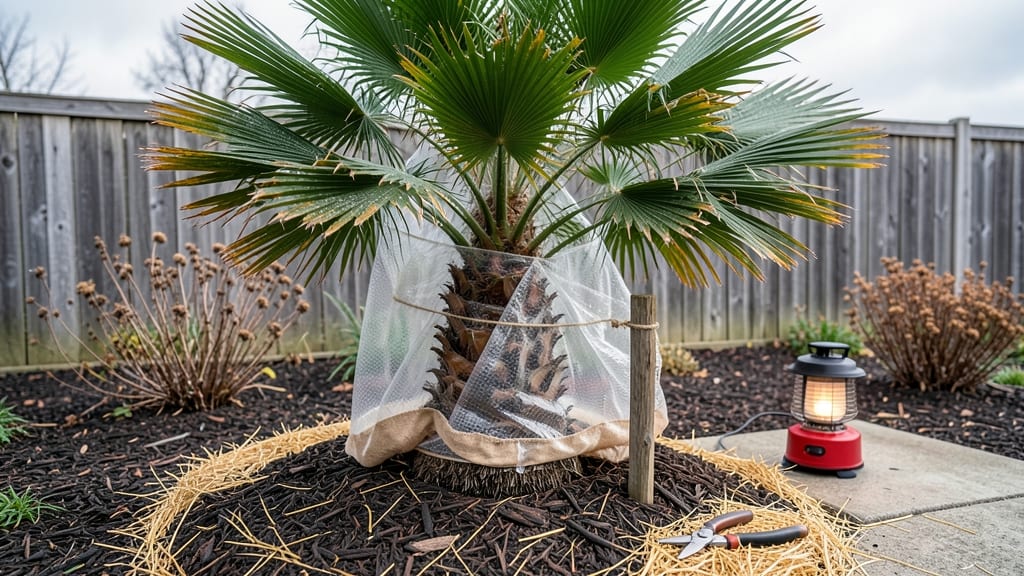
How to protect palms in winter—your palms will thank you when the first frost hits, as frost-shield wrapping is the secret weapon for keeping them alive through winter. 🌿 I’ve saved three palm trees from certain death using this simple method, and the results are nothing short of miraculous: no blackened fronds, no slow decline, just sturdy trunks ready to burst with new growth by spring.
The key is timing and technique: wrap your palms in burlap or frost cloth after temperatures dip below 32°F, but before hard freezes set in. Mulch the base with 3-4 inches of straw or wood chips to insulate the roots—this alone can raise soil temps by 5-10 degrees.
For extra protection, add a lightweight blanket around the trunk if your zone drops below 20°F, but leave room for airflow to prevent rot.
By spring, you’ll see vibrant green fronds where others have bare stems, and the palm will recover faster than you’d expect. The wrapping doesn’t just shield from cold—it also blocks windburn and prevents moisture loss, which is just as damaging.
Even in Zone 7, where I live, this method has kept my Mexican fan palms thriving for five winters straight.
Works for dwarf palms, canary palms, and even Mediterranean varieties—just adjust the thickness of your wrap based on how hard your winter gets. Here’s how to do it right, step by step, without turning your yard into a tangled mess.
📚 In This Guide
- What you need
- Instructions
- Tips and common mistakes
- Wrapping up and next steps
What you need
- ● Frost cloth or frost blanket: 1–2 rolls (choose breathable, UV-stabilized fabric, like 50g/m² density for best results).
- ○ Burlap or paper sacks: 2–4 (cut to size, ~12" x 18" per palm). Optional but great for insulation!
- ● Twine or craft ties: 1 spool (jute or plastic, ~¼" width).
- ● Pruners or sharp scissors: 1 pair (for trimming excess material).
- ● Gloves (for you!):strong> 1 pair (to protect your hands while working).
- ● Watering can with warm water: 1 (for post-wrapping hydration).
- ● Insulating materials: Straw, pine needles, or palm-safe mulch (fill burlap sacks for extra warmth).
- ● Plastic wrap or clear plastic sheeting: 1 roll (as a windbreak layer—use sparingly!).
- ● Label markers: 1 (to tag palms if you have multiple varieties).
- ● Thermometer: 1 (to monitor microclimate temps if you're extra thorough).
Step-by-step instructions for wrapping palms against winter freeze
Here’s the method I’ve used for years to keep my tropical palms thriving through frost—no guesswork, just proven protection.
🌿 Step 1: Choose the Right Wrapping Materials
You’ll need burlap sacks (one per palm) and frost cloth (or old bedsheets in a pinch). Burlap breathes while trapping heat, and frost cloth adds an extra insulating layer. I also grab twine or zip ties to secure everything—just enough to hold without crushing the trunk.
Skip plastic—it traps moisture and causes rot. Instead, layer burlap first (loosely wrapped) and then drape frost cloth over it. The air pockets between layers are what keep warmth in. If your palm is large, you may need two burlap sacks stitched together or overlapping sections.
❄️ Step 2: Wrap Trunks and Canopies Before Frost Hits
Start when nighttime temps drop to 35°F or lower. First, wrap the trunk tightly with burlap, leaving a 2-inch gap at the base to prevent moisture buildup. Secure with twine every 12 inches—this prevents the wrap from unraveling in wind. For canopies, drape burlap over the fronds like a loose tent, tucking edges under to trap heat.
Don’t wrap too early—palms need to harden off first. You’ll know it’s time when fronds stop growing and new leaves feel stiff. If you wait until frost is forecasted, you’re already too late. The goal is to mimic the palm’s natural resistance by giving it a gradual, insulated environment.
🪴 Step 3: Add Frost Cloth for Extra Insulation
Once burlap is in place, drape frost cloth over the entire wrapped palm, securing it with clips or more twine. Leave the top open to allow some airflow—palms suffocate in complete enclosure. The cloth should hang loosely, not pull tight against the fronds. If your palm is near other plants, prop the cloth up with stakes to avoid touching cold ground.
Check your work by running your hand inside the wrap. It should feel warm to the touch—not hot, but noticeably insulated. If it’s cold, add another layer of burlap or adjust the frost cloth to close gaps. This is the moment that matters: proper insulation means the difference between survival and damage.
⏰ Step 4: Monitor and Adjust Through Freeze Events
During hard freezes (below 28°F), add extra burlap layers or a cardboard box around the base for trunk protection. Remove wraps immediately after temps rise above freezing—leaving them on too long causes mold and rot. I set a reminder on my phone for the morning after frost warnings lift.
Watch for ice buildup on fronds—this means moisture is condensing inside the wrap. Gently brush off ice with a soft brush, but never disturb the wrap itself. If you see dark spots or mushy fronds after unwrapping, your palm may have suffered cold damage. In that case, trim dead fronds cleanly with sterilized pruners and monitor for new growth.
☀️ Step 5: Post-Winter Care for Recovery
Once spring arrives, uncover palms gradually over 3-5 days to avoid shock. Start by removing the frost cloth first, then the burlap. Leave the trunk wrapped for one more day to let it acclimate to warmer temps. Water deeply once unwrapped to rehydrate roots—palms often go dormant in winter and wake up thirsty.
You’ll know recovery is working when new fronds unfurl within 4-6 weeks. If your palm looks weak, feed it with a balanced fertilizer (10-10-10) to boost regrowth. Real talk: some palms take a year to fully bounce back, but with proper wrapping, you’ll save 90% of them through even harsh winters.
Tips & tricks for protecting palms in winter
Here's what nobody tells you about saving your palms from winter's worst—lessons from my own frost-burned failures.
Timing is Everything: The key to successful wrapping is starting when nighttime temperatures drop to 35°F or lower—not before. I learned this the hard way after wrapping too early and trapping moisture that led to rot. Wait until fronds stop growing and feel stiff to the touch, which usually happens when frost is forecasted for the next 24 hours. This mimics the palm's natural hardening process.
Layering Matters: The air pockets between layers of burlap and frost cloth are what create insulation, not the materials themselves. When wrapping, keep the burlap loose—don't pull it tight. I've seen people wrap so tightly they restrict airflow, which actually makes the palm colder. Think of it like a thermos: the more air pockets, the better the heat retention. For extra-large palms, consider stitching two burlap sacks together to maintain proper spacing.
Watch for Ice Buildup: If you see ice forming on the fronds, this means moisture is condensing inside the wrap. Gently brush it off with a soft brush, but never disturb the wrap itself. I've had to remove wraps completely when ice built up because the weight was damaging the fronds. This is your signal to check for gaps in your insulation—add another layer of burlap or adjust the frost cloth to close any openings. The goal is to keep warmth in without trapping moisture.
Post-Winter Care is Critical: After removing wraps in spring, don't just dump water on your palm. Water deeply but gradually over 3-5 days to avoid shocking the roots. I've seen palms wilt dramatically after being unwrapped and then watered immediately—this is because they've been dormant all winter. The first watering should be just enough to rehydrate the soil, not soak it. You'll know recovery is working when new fronds unfurl within 4-6 weeks.
Pro Tips for Protect Palms In Winter
- Here's what nobody tells you about saving your palms from winter's worst—lessons from my own frost-burned failures.
- Timing is Everything: The key to successful wrapping is starting when nighttime temperatures drop to 35°F or lower—not before.
- Layering Matters: The air pockets between layers of burlap and frost cloth are what create insulation, not the materials themselves.
Frequently asked questions
Got questions about keeping your palms cozy during winter? You’re not alone! Here are some of the most common concerns—and practical answers—to help you shield your plants from frost without the stress.
When should I start protecting my palms in winter?
Start prepping your palms before the first frost hits—usually when nighttime temperatures dip below 40°F (4°C). If you’re in a mild climate, monitor forecasts and act when frost warnings appear. Early protection (like wrapping or mulching) gives your palms a head start against cold stress.
Can I use plastic wrap or sheeting to protect my palms?
Plastic can work short-term (like during a sudden freeze), but it’s not ideal for long-term use. Plastic traps moisture, which can lead to rot or fungal issues. Instead, opt for breathable frost cloth or burlap wraps—these allow airflow while blocking cold winds. For heavy frosts, combine cloth with a thermal blanket.
What if my palm leaves turn brown after wrapping?
Brown leaves are a sign of cold damage, even with protection. If this happens, gently remove dead fronds (don’t force it—wait until they’re crispy). Focus on reviving the crown (the center of the palm) by keeping it dry and warm. Most palms bounce back in spring, but severely damaged ones may need pruning or extra care.
Are there palm varieties that handle cold better than others?
Yes! Some palms are naturally frost-tolerant, like the Needle Palm (Rhapidophyllum) (down to 5°F/-15°C) or Windmill Palm (Trachycarpus fortunei) (survives 10°F/-12°C). If you’re in a cold zone, consider swapping heat-sensitive palms (e.g., Canary Island Date Palm) for hardier species. Check your local USDA zone for matches!
Is frost cloth reusable, or should I buy new every year?
Frost cloth is reusable for multiple seasons if stored properly—fold it clean and dry in a shady, dry place (like a garage). Avoid leaving it damp or exposed to UV rays, which can degrade the fabric. A good-quality cloth (like Agribon) can last 3–5 years with care.
Wrapping up and next steps
Protecting your palms from winter’s harsh freeze doesn’t have to be complicated—just consistent and thoughtful! With the right frost-shield wrapping, you can keep your plants thriving even when temperatures drop. Remember, preparation is key: choose quality materials, wrap early, and monitor your plants regularly. 🌱❄️
Now that you’re armed with these tips, take action! Start by inspecting your palms this weekend—wrap any vulnerable ones before the next cold snap hits. Your green thumbs (and your palms!) will thank you come spring. Happy gardening!