
Vegetables
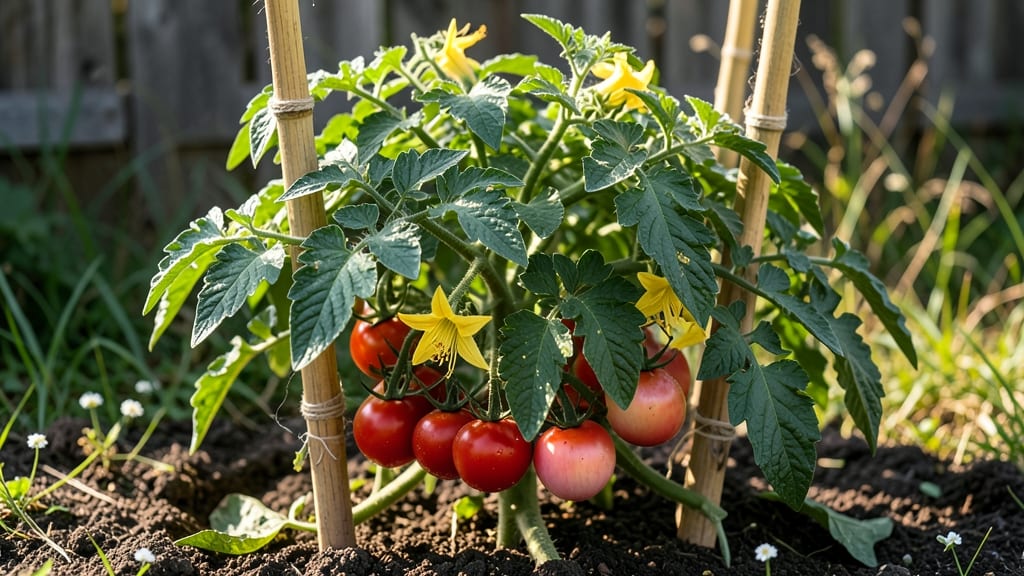
Growing Brandywine tomatoes transforms your garden into a sweet, juicy paradise in just 80 days. 🌱 These heirloom beauties—with their pink, beefsteak-sized fruits—taste like nothing store-bought can match. The secret?
Starting seeds indoors in early spring, then giving them room to sprawl (they’re vining monsters!) and the right balance of sun, water, and patience. These tomatoes thrive in well-draining soil rich in compost, planted after the last frost when nighttime temps stay above 55°F.
Unlike many varieties, Brandywines tolerate humidity well but need consistent moisture—drought stress causes cracking, and too much water leads to blossom drop. A sturdy trellis or cage keeps the vines contained while improving air circulation to prevent disease. By midsummer, you’ll be harvesting 1-pound fruits that burst with flavor.
The first tomatoes might be smaller, but each vine produces 20+ pounds of fruit per season. Prune suckers regularly to focus energy on fruit production, and watch for early signs of blight or pests—Brandywines are disease-resistant but not invincible. Perfect for backyard gardens, containers (with support), or even greenhouses.
The payoff? Homemade sauces, sandwiches, and salads that make grocery-store tomatoes feel like a sad memory. Let’s get those seeds started!
📚 In This Guide
- What you need
- Instructions
- Tips and common mistakes
- Wrapping up and next steps
What you need
- ● Brandywine tomato seeds – 3–5 seeds per plant (or 1–2 plants per container if growing in pots). Pro tip: Buy from a trusted heirloom seed supplier for the best flavor! 🌱
- ● Well-draining potting mix – 5–10 gallons per plant (or a high-quality tomato-specific soil blend if gardening in beds).
- ○ Containers (optional but ideal for small spaces) – 5-gallon pots or larger (minimum 12" diameter) with drainage holes.
- ● Sturdy tomato cages or stakes – 5–6 ft tall (Brandywines grow big!).
- ● Balanced fertilizer – 10-10-10 or organic options like composted manure (follow package rates).
- ● Mulch (straw or shredded leaves) – 2–3 inches thick to retain moisture and suppress weeds.
- ● Hand trowel or transplanting spade – For digging and planting.
- ● Watering can or hose with a gentle spray nozzle – Brandywines love consistent moisture!
- ● Pruning shears – For trimming suckers and shaping plants.
- ● Garden gloves – Protect your hands from thorns and dirt.
- ○ pH test kit (optional but helpful) – Aim for soil pH 6.0–6.8 for optimal growth.
- ● Sunlight – At least 6–8 hours of direct sun daily (more is better!).
- ● Warm soil – Wait until after the last frost (soil temp should be 60°F+).
- ● Patience – Brandywines take 80–90 days to mature, but the wait is worth it!
Step-by-step instructions for growing Brandywine tomatoes
Here's how I grow these legendary tomatoes—juicy, sweet, and worth every minute of care.
🌱 Step 1: Start Seeds Indoors 8-10 Weeks Before Last Frost
Fill 2-3 inch deep seedling trays with sterile seed-starting mix (never garden soil—it's too dense). I press the mix down lightly to remove air pockets but keep it loose enough for roots to push through. Moisten until damp but not soggy—think of a wrung-out sponge.
Plant 2-3 seeds per cell at a depth of ¼ inch—just enough to cover them lightly. Cover the tray with a humidity dome or plastic wrap to retain warmth and moisture. Place on a seedling heat mat set to 75-85°F for fastest germination. You'll see sprouts in 7-14 days.
Once 50% of seeds sprout, remove the dome immediately—trapped humidity invites damping-off disease. Thin to the strongest seedling per cell, snipping the others at soil level with clean scissors. This prevents overcrowding and gives roots room to grow.
☀️ Step 2: Provide Light and Fertility for Strong Seedlings
Brandywines need 14-16 hours of light daily from day one. A south-facing window won't cut it—supplement with a full-spectrum LED grow light positioned 2-4 inches above the seedlings. Raise it as they grow to maintain that distance.
Leggy seedlings (thin, pale stems) mean light deprivation. You'll know you're doing it right when stems are thick and sturdy, leaves are dark green and compact, and new growth appears within 2-3 days after pinching.
Fertilize with a balanced liquid fertilizer (10-10-10) at half-strength when the first true leaves appear. Over-fertilizing now burns tender roots. Water from the bottom—place trays in ½ inch of water for 10 minutes daily to encourage deep root growth.
🪴 Step 3: Transplant After Hardening Off
Two weeks before your last frost date, begin hardening off seedlings by placing them outside in a sheltered spot for 1-2 hours the first day. Gradually increase time by 1 hour daily until they tolerate a full day outside. This toughens stems and prevents transplant shock.
Choose a full-sun location with 8+ hours of direct sunlight and well-draining soil. Brandywines thrive in loamy, slightly acidic soil (pH 6.0-6.8). Amend heavy clay with compost and perlite to improve drainage.
Dig holes twice as wide as the root ball but no deeper. Space plants 3-4 feet apart in rows 4-5 feet apart—these vines spread! Gently remove seedlings from trays, tease roots apart if pot-bound, and place in holes. Backfill with soil, firm gently, and water deeply.
✂️ Step 4: Support and Prune for Maximum Yield
Brandywines need strong support—install a 6-8 foot tall tomato cage or trellis at planting. As vines grow, weave them through the support to prevent sprawling. You'll see the first flowers appear in 4-6 weeks after transplanting.
Prune suckers (the small shoots in the leaf axils) when they're 2-3 inches long. Remove them by pinching at the base—this redirects energy to fruit production. Leave 3-4 main stems per plant for best airflow and sunlight penetration.
When fruit sets, thin clusters to 2-3 tomatoes per stem. Overcrowded fruit stays small and underdeveloped. You'll know you're doing it right when tomatoes grow large, plump, and deep red—not green or misshapen.
💧 Step 5: Water and Fertilize for Sweetness
Water deeply 1-2 times weekly, delivering 1-2 gallons per plant at the base. Avoid wetting leaves to prevent disease. You'll see soil 1-2 inches dry before watering again—stick your finger in to check.
Fertilize every 2-3 weeks with a low-nitrogen, high-phosphorus fertilizer (5-10-10) to encourage flowering and fruiting. Stop fertilizing 4-6 weeks before harvest—excess nitrogen delays ripening.
Watch for first signs of ripening—tomatoes will turn from green to pinkish-red near the stem. Pick them when fully red, even if they're not perfectly round. Brandywines are best eaten within 3-5 days of harvest for peak sweetness.
Tips & tricks for perfect Brandywine tomato growth
Here's what nobody tells you—these small details make all the difference with heirloom varieties.
Germination Environment: That 75-85°F heat mat range is non-negotiable for Brandywines. I learned this the hard way after ruining three batches with inconsistent temperatures—cold soil delays germination by days, while heat above 85°F can actually kill seeds before they sprout. Place your trays on a dedicated heat mat rather than using a warm spot on your counter, which fluctuates wildly. Once sprouts appear, maintain consistent moisture by bottom-watering your trays for those first 10 minutes daily—this prevents the dreaded damping-off disease that strikes when humidity spikes.
Lighting Strategy: The 14-16 hours of light requirement isn't just about duration—it's about intensity. I've seen growers with 16-hour timers but poor-quality bulbs produce leggy, weak seedlings. Invest in full-spectrum LEDs that mimic sunlight's spectrum. Position them just 2-4 inches above seedlings and adjust as they grow—too high and they'll stretch; too low and you'll burn tender leaves. Watch for that 2-3 day growth response after pinching: if you don't see new compact growth within that window, your light isn't strong enough.
Transplanting Technique: When hardening off, I've found that starting with just 1-2 hours on day one works best, but the real secret is shelter placement. Choose a spot protected from wind and direct afternoon sun—this gradual transition prevents transplant shock. For the soil prep, don't just amend heavy clay—test your existing soil's pH first. Brandywines thrive at 6.0-6.8, and if your soil is already in that range, you're better off adding organic matter than adjusting pH. That twice-as-wide hole gives roots room to establish without competing with surrounding soil.
Pruning Precision: Those 2-3 inch suckers might seem insignificant, but removing them consistently prevents energy drain from fruit production. I use clean fingernails to pinch them at the base rather than cutting with scissors—this reduces disease entry points. For the 3-4 main stems, think of it as creating an open umbrella shape: this maximizes airflow and sunlight penetration to prevent fungal diseases. When thinning fruit clusters to 2-3 tomatoes per stem, choose the largest, most centrally located tomatoes—they'll have the best access to nutrients and sunlight.
Pro Tips for Growing Brandywine Tomatoes
- Here's what nobody tells you—these small details make all the difference with heirloom varieties.
- Germination Environment: That 75-85°F heat mat range is non-negotiable for Brandywines.
- Lighting Strategy: The 14-16 hours of light requirement isn't just about duration—it's about intensity.
Frequently asked questions
Got questions about growing Brandywine tomatoes?
You’re not alone! Here are answers to the most common ones—from planting to harvest—so you can grow these juicy, heirloom beauties with confidence.
How long does it take to grow Brandywine tomatoes from seed?
Brandywine tomatoes typically mature in 80–90 days from transplanting, but if you start from seed, add 10–14 days for germination. Start seeds indoors 6–8 weeks before your last frost date for a summer harvest. Patience pays off—these big, beefy tomatoes are worth the wait!
When is the best time to plant Brandywine tomatoes?
Plant Brandywine tomatoes after the last frost when soil temps reach at least 55°F (13°C). In warm climates, they thrive year-round, but cooler areas benefit from late spring planting. Use black plastic mulch to warm soil faster and extend the season.
Why are my Brandywine tomato leaves turning yellow?
Yellowing leaves (chlorosis) often signal overwatering, nutrient deficiency (like nitrogen or magnesium), or fungal issues. Check soil moisture—Brandywines need 1–1.5 inches of water weekly. For yellow edges, test for magnesium deficiency and amend soil with Epsom salt. Fungal spots? Prune affected leaves and improve airflow.
Can I grow Brandywine tomatoes in containers?
Brandywines thrive in 5-gallon+ containers with well-draining soil and cage support. Choose a large pot (at least 18” deep) to accommodate their sprawling roots. Use a balanced fertilizer (like 10-10-10) every 3–4 weeks and prune suckers to encourage fruit production.
How do I know when Brandywine tomatoes are ripe?
Brandywines ripen to a deep pink or red hue, but don’t rely solely on color! Gently squeeze the tomato—it should yield slightly like a ripe avocado. The stem may also slip easily from the vine. For best flavor, harvest in the morning when sugars are highest.
Wrapping up and next steps
Growing Brandywine tomatoes is a rewarding journey that brings sweet, juicy rewards to your table in just 80 days! With the right soil, sunlight, and care, you’ll enjoy a bountiful harvest that’s perfect for salads, sauces, or fresh eating.
Don’t let a few challenges discourage you—every gardener starts somewhere, and your first crop will taste even sweeter knowing you grew it yourself.
Ready to take the next step? Start small—whether it’s a single plant in a pot or a full garden bed—and watch your confidence (and harvest!) grow. Happy gardening! 🌱🍅