
Vegetables
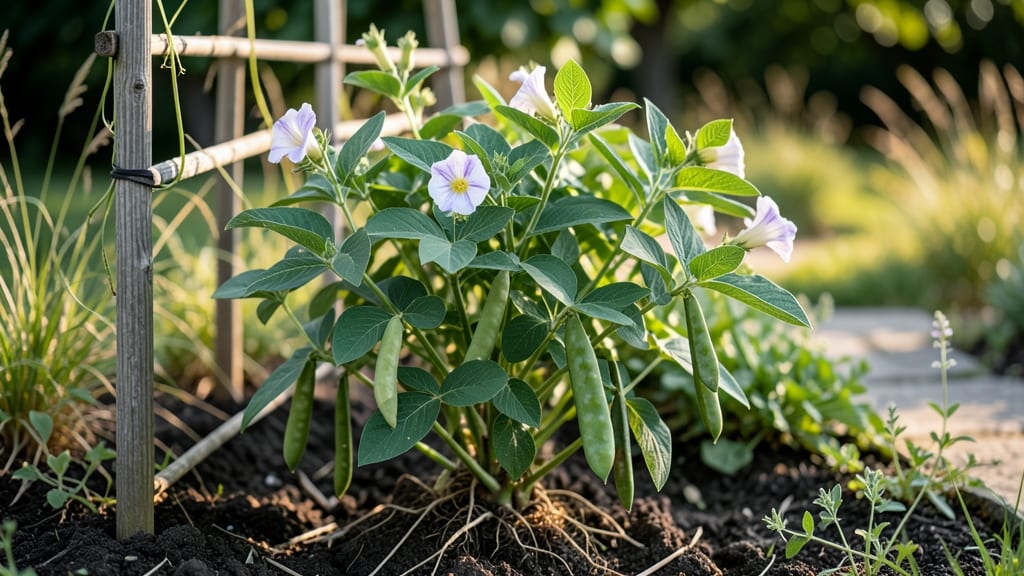
Growing edamame beans in your backyard means fresh, protein-packed pods straight from your garden—50 days faster than store-bought. 🌱 I’ve grown them for years, and the secret isn’t complicated: warm soil, consistent moisture, and a little patience.
Most people overlook how quickly they mature, assuming they’re a long-term crop, but with the right setup, you’ll harvest your first pods by mid-summer.
The key starts with soil—edamame thrives in well-draining, slightly acidic earth (pH 6.0-7.0), enriched with compost. Plant seeds 1 inch deep, 4-6 inches apart, in full sun (6+ hours daily).
They love warmth, so wait until the soil hits 65°F before sowing. A trellis or sturdy stakes help vines climb, saving space and improving airflow to prevent diseases like powdery mildew.
By day 30, you’ll see purple flowers—each one holds future pods—and by day 50, you’ll be snapping beans fresh from the vine. The flavor? Rich, nutty, and impossible to beat.
Just avoid overwatering (they hate soggy roots) and watch for Japanese beetles, which adore edamame leaves. A simple row cover or neem oil spray keeps them at bay.
Bonus: Pair edamame with bush beans, carrots, or lettuce—they share similar growing needs and repel pests naturally. Whether you’re growing in a raised bed or containers, this crop delivers high yields in tight spaces. Ready to try? Grab some seeds and let’s get planting!
📚 In This Guide
- What you need
- Instructions
- Tips and common mistakes
- Wrapping up and next steps
What you need
- ● Edamame seeds: 1–2 lbs (or ~50–100 seeds, depending on spacing). Choose a variety suited to your climate (e.g., ‘Enrei’ for short seasons or ‘Black Turtle Soya’ for heat tolerance).
- ● Well-draining potting mix or garden soil: 5–10 gallons (for containers) or amend garden beds with compost (1–2 inches mixed into the top 6–12 inches of soil).
- ● Fertilizer: Balanced organic fertilizer (10-10-10 or 5-5-5) at planting (1 tbsp per plant).
- ● High-nitrogen fertilizer (like fish emulsion) mid-season for foliage growth (follow label rates).
- ● Watering can or hose with a gentle spray nozzle: Edamame loves consistent moisture but hates soggy roots!
- ● Garden trowel or transplanting spade: For digging holes (4–6 inches deep).
- ● Measuring tape or ruler: To space seeds 4–6 inches apart (rows 18–24 inches apart).
- ● Mulch (straw or shredded leaves): 2–3 inches thick to retain moisture and suppress weeds.
- ○ Trellis or stakes (optional): If growing bush varieties, a 3–4 foot tall support helps vining types climb.
- ○ Pruning shears (optional): For trimming leggy vines or harvesting pods.
- ● Warm soil: Edamame thrives in 70–85°F soil temps. Wait until after the last frost (or use a cold frame for early starts).
- ● Sunlight: Full sun (6–8+ hours daily). Partial shade may reduce yields.
- ● pH-balanced soil: Aim for 6.0–7.0 pH (test with a soil kit if unsure).
- ● Patience: From seed to pod? 50–60 days—but worth every crunchy bite! 😋
Step-by-step instructions for growing edamame beans
Here's the straightforward method I've used to grow sweet, homegrown edamame every summer—no fancy equipment needed.
🌱 Step 1: Start Seeds Indoors 4-6 Weeks Before Last Frost
Fill small seedling pots with the seed-starting mix until they're ¾ full. I like to use 4-inch pots for edamame because they give roots room to spread before transplanting. Press the soil down gently so it's firm but not compacted—this prevents air pockets that could rot tender roots.
Plant 2-3 seeds per pot at a depth of 1 inch, since edamame seeds are larger than many vegetables. Cover them lightly with more mix, then water gently until the soil feels evenly moist. Place the pots in a warm spot (70-75°F)—I use a seedling heat mat under my kitchen counter. Keep the soil consistently moist but never soggy until germination, which typically takes 7-10 days.
☀️ Step 2: Transplant Seedlings After True Leaves Appear
Once the seedlings develop their first true leaves (the second set after the initial seed leaves), they're ready to move outdoors. Wait until nighttime temperatures stay above 55°F, as edamame is sensitive to cold. Choose a location with full sun—at least 6-8 hours daily—since edamame needs plenty of warmth to produce pods.
Dig holes slightly larger than the seedling pots and space them 4-6 inches apart in rows that are 18-24 inches apart. This gives plants enough room to grow without competing for nutrients. Gently remove each seedling, keeping the root ball intact, and place it in the hole. Fill around the roots with soil and water deeply to settle everything in place.
💧 Step 3: Water and Fertilize Consistently for Pod Production
Edamame needs 1-1.5 inches of water per week, delivered consistently. I water deeply 2-3 times per week, checking the soil first—it should feel moist 1-2 inches below the surface. Avoid wetting the leaves to prevent fungal diseases like powdery mildew, which can ruin your crop. A soaker hose or drip irrigation works best for even moisture without splashing.
Start fertilizing 2 weeks after transplanting with a balanced, water-soluble fertilizer (like 10-10-10) diluted to half strength. Apply every 2-3 weeks until flowers appear. Once the plants begin blooming, switch to a low-nitrogen, high-phosphorus fertilizer (like 5-10-10) to encourage pod development. You'll know it's working when you see purple or white flowers forming along the stems.
⏰ Step 4: Harvest Pods at Peak Maturity
Edamame pods mature 50-60 days after transplanting, but timing is everything for flavor. Watch for pods that are plump and slightly firm—they should still have a bit of give when gently squeezed. The pods will turn from green to a deeper shade, and you'll see the edges of the beans pressing against the pod walls. Harvest in the morning for the freshest taste.
Use sharp scissors or pruners to cut the pods from the stem, leaving a small portion of the stem attached. This prevents damage to the plant and encourages more pods to form. Harvest every 2-3 days during peak production to keep the plants focused on new growth. Store unwashed pods in the refrigerator for up to 5 days or freeze them for later use. If you miss the window, pods will turn brown and dry out—so stay vigilant!
Tips & tricks for perfect edamame growth
These small details make all the difference between a modest harvest and a bountiful edamame crop.
Seedling Pot Selection: While 4-inch pots work well, you can also use biodegradable peat pots that dissolve when planted—no need to disturb roots during transplanting. If using regular pots, make sure they have drainage holes to prevent soggy soil, which can cause root rot. I've found that slightly larger pots (5-inch) give even better results for edamame's spreading roots.
Germination Environment: The 7-10 day germination window can feel like forever, but consistency is key. I place a humidity dome over my seedling pots to maintain moisture levels, which speeds up germination by 1-2 days. Keep the soil temperature between 70-75°F—if your kitchen runs cooler, consider using a seedling heat mat. Watch for the first tiny sprouts breaking through the soil; that's your cue to start monitoring daily.
Transplanting Timing: Those first true leaves signal readiness, but don't rush—wait until nighttime temperatures consistently stay above 55°F. I've learned this the hard way: transplanting too early can shock the delicate seedlings. A simple trick is to harden off seedlings by placing them outside in a sheltered spot for 2-3 hours daily during the week before transplanting, gradually increasing their exposure time.
Harvesting Window: The 50-60 day maturity range is tight, so stay vigilant! I set a calendar reminder for 50 days after transplanting to start checking pods daily. Morning harvests yield the sweetest pods since they've had a full night to develop. When pods start turning brown at the edges, that's your final harvest window—after that, they quickly become tough and dry.
Pro Tips for Growing Edamame Beans
- These small details make all the difference between a modest harvest and a bountiful edamame crop.
- Seedling Pot Selection: While 4-inch pots work well, you can also use biodegradable peat pots that dissolve when plan...
- Germination Environment: The 7-10 day germination window can feel like forever, but consistency is key. I place a hum...
Frequently asked questions
Got questions about growing edamame? You’re not alone—this fast-growing, protein-packed legume has a few quirks! Here are answers to the most common queries to help you grow edamame like a pro.
How long does it take for edamame beans to mature?
Edamame typically matures in 50–70 days from planting, depending on the variety and growing conditions. Most pods are ready to harvest when they’re firm but slightly soft (about 3–4 inches long) and turn a vibrant green. Check pods every 3–5 days to avoid overripening!
Can I grow edamame in cold climates?
Edamame thrives in warm weather (70–85°F), but you can still grow it in cooler areas! Start seeds indoors 4–6 weeks before the last frost or use row covers to protect young plants. Choose early-maturing varieties like ‘Envy’ or ‘Black Turtle Soya’ for shorter seasons.
What can I do if my edamame plants aren’t producing pods?
Pod production can stall due to poor pollination, heat stress, or nutrient deficiencies. Try these fixes:
- Hand-pollinate by gently shaking plants to release pollen.
- Ensure consistent moisture—drought stress halts flowering.
- Add compost or nitrogen-rich fertilizer (like fish emulsion) if leaves are pale.
Can I grow edamame in containers?
Edamame does well in 5-gallon containers or larger with drainage holes. Use a light, well-draining potting mix and place pots in full sun. Just ensure containers are stable—tall plants can topple in wind. Dwarf varieties like ‘Mikuri’ are ideal for containers.
How do I know when edamame is ready to harvest?
Harvest pods when they’re firm, bright green, and 2–4 inches long—they’ll turn yellow and tough if left too long. Pick pods every 2–3 days to encourage more production. For best flavor, harvest in the morning when pods are crispest!
Pro Tip:
Need a quick fix for pests? Neem oil or companion planting with marigolds can deter aphids and spider mites—common edamame nuisances. Happy growing!
Wrapping up and next steps
Growing edamame beans is a rewarding journey that delivers fresh, flavorful pods in just 50 days—perfect for beginners and seasoned gardeners alike! With the right soil, sunlight, and care, you’ll enjoy a protein-packed harvest that’s as satisfying to grow as it is to eat. 🌱
Ready to dive in? Start by planting your seeds this week and watch your garden transform into a lush edamame patch. Need inspiration? Try experimenting with varieties or sharing your progress with fellow gardening communities. Happy growing!