
Vegetables
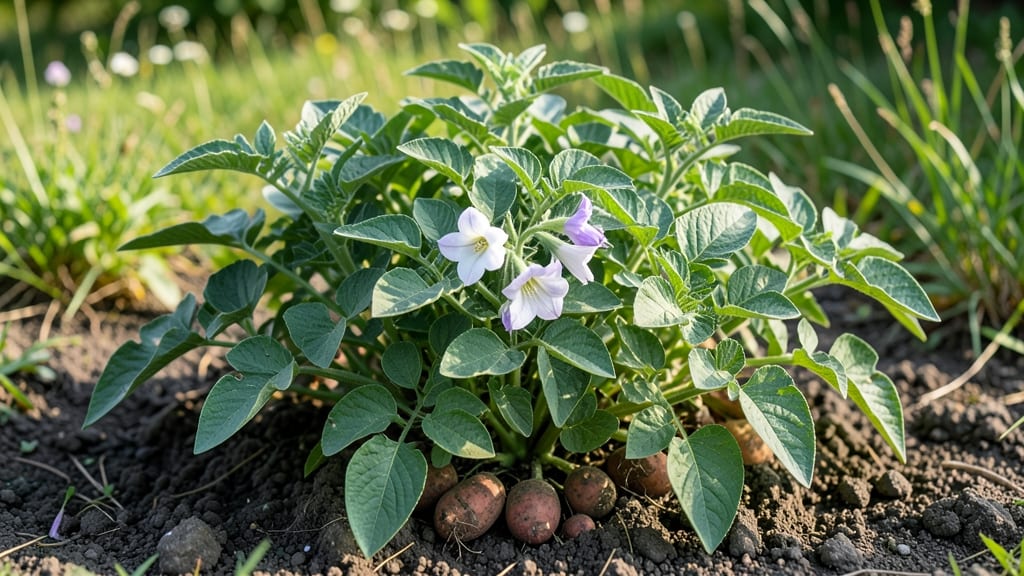
Growing potatoes in Kansas means choosing varieties that shrug off early frosts and late freezes—like Yukon Golds or Red LaSodes, which handle our unpredictable springs better than most. 🌱 I learned this the hard way after planting early-maturing varieties that bolted when a late frost hit in May.
The key isn’t just timing; it’s matching the right spuds to Kansas’ swing from 20°F winters to 100°F summers.
Start with loose, well-draining soil—Kansas’ heavy clay needs amending with compost or sand to prevent waterlogging. Plant seed potatoes in 3-inch-deep trenches, spacing them 12 inches apart and rows 3 feet apart.
When shoots reach 6 inches, hill soil around them to protect tubers from sun scorch, a common issue here. Water consistently but avoid soggy soil—drought stress is another Kansas challenge that stunts harvests.
By mid-July, you’ll see foliage thicken and tubers form. Watch for Colorado potato beetles (they’re relentless here) and blight—rotate crops yearly to break disease cycles. Harvest when foliage yellows, gently digging to avoid bruising those golden, floury potatoes you’ve been dreaming of since last winter’s last meal.
Local extension offices often host free soil tests—use them to fine-tune your approach. Kansas’ growing season is long enough to try two plantings: one in early spring and another in late June for fall harvests. The payoff? A pantry full of homegrown spuds that outshine anything from the grocery store.
📚 In This Guide
- What you need
- Instructions
- Tips and common mistakes
- Wrapping up and next steps
What you need
- ● Potato Seeds: Frost-resistant varieties like Yukon Gold, Red Pontiac, or Kennebec (5–10 lbs, ~50–100 seed potatoes).
- ● Garden Space: Full sun (6+ hours/day).
- ● Well-draining soil (sandy loam ideal for Kansas).
- ● Space: 12–18 inches between plants, 30+ inches between rows.
- ● Soil Amendments: Compost (2–3 inches mixed into top 6 inches of soil).
- ● Balanced fertilizer (10-10-10, 1 lb per 100 sq ft) or organic options like bone meal.
- ● Tools: Garden fork or tiller (for loosening soil).
- ● Hoe or rake (for hilling soil).
- ● Garden gloves (to protect hands from prickly stems).
- ● Mulch: Straw or grass clippings (2–3 inches) to retain moisture and suppress weeds.
- ● Row Covers: Lightweight fabric to protect early sprouts from late frosts.
- ● Potato Harvester: A 3-pronged fork or specialized tool for gentle digging.
- ● Disease Prevention: Copper fungicide or neem oil (if blight is a concern in humid years).
- ● Storage: A cool, dark, well-ventilated space (50–60°F) with wooden crates or burlap sacks.
Step-by-Step guide to growing potatoes in Kansas
Here’s how to grow hearty, frost-resistant potatoes that thrive in Kansas’ variable climate.
🌱 Step 1: Choose the Right Varieties for Kansas
Kansas’ short growing season and unpredictable frosts call for early-maturing, cold-tolerant varieties. I always plant Yukon Gold (70-90 days) and Red Pontiac (80-90 days)—both handle late springs and early falls better than longer-season types. Avoid late bloomers like Russets unless you’re in southern Kansas with a longer frost-free period.
Buy certified disease-free seed potatoes (not grocery store potatoes—they carry diseases). Cut larger seed potatoes into 2-ounce chunks with at least one eye (bud) each, then let them cure in a dark, cool place for 24-48 hours to form calluses. This prevents rot and speeds up sprouting.
☀️ Step 2: Time Planting for Kansas’ Climate
Plant 2-4 weeks before your last frost date (usually mid-to-late March in northern Kansas, early March in southern regions). Use a soil thermometer—wait until the ground reaches 40°F for consistent germination. Cold soil slows sprouting, so I often start with a black plastic mulch to warm the soil faster.
Dig trenches 12 inches deep and 3 feet apart (or plant in hills if space is tight). Place seed pieces 4 inches deep, eyes up, and cover with 2-3 inches of soil. Space rows 3 feet apart for easy hilling later. If frost threatens after planting, mound extra soil over the rows for protection.
💧 Step 3: Hill Soil and Manage Water
When sprouts reach 6 inches tall, mound soil around the stems to 12 inches high—this encourages more tubers to form and protects them from greening (toxic when exposed to light). Repeat hilling every 2-3 weeks until the plants flower. Kansas’ dry spells mean deep watering once a week (1 inch total), but avoid soggy soil—potatoes rot faster in wet conditions.
Watch for blossoms—they signal tubers are forming. Stop watering 2 weeks before harvest to toughen skins. If your area gets hard freezes after harvest, wait until soil temps rise above 50°F before digging, or tubers may rot.
✂️ Step 4: Harvest and Cure Properly
Dig new potatoes when plants flower (small, tender tubers). For full-sized potatoes, wait until foliage yellows and dies back (usually late June to early July in Kansas). Use a fork or shovel to gently loosen soil—never pull plants, or you’ll break tubers. Handle them carefully to avoid bruising.
Cure potatoes in a dark, humid spot (60-70°F) for 1-2 weeks to thicken skins. Store in a cool (40-50°F), dark, well-ventilated area (like a root cellar or basement). Kansas’ humid summers mean avoid plastic bags—they trap moisture and cause rot. Check stored potatoes monthly for spoilage.
⏰ Step 5: Rotate Crops and Plan Next Year
Potatoes are heavy feeders and attract pests like colorado potato beetles and potato blight. Never plant potatoes in the same spot two years in a row—rotate with beans, corn, or grasses to break disease cycles. I mark my garden map with a red X where potatoes grew to avoid repeating the mistake.
Save seed potatoes from your healthiest plants for next year’s crop. Choose tubers with few eyes and no blemishes, then store them in a cool, dry place until spring planting. Kansas’ unpredictable weather means keep a backup supply of certified seed potatoes—sometimes home-saved ones don’t sprout reliably.
Tips & tricks for growing potatoes in Kansas
Kansas’ unpredictable climate demands some smart adjustments to ensure your potato crop thrives. Here’s how to maximize your success with these hardy varieties.
Variety Matters: For northern Kansas, stick with the recommended Yukon Gold (70-90 days) and Red Pontiac (80-90 days) varieties—they’re bred to handle our short season. If you’re in southern Kansas with a longer frost-free period, you could experiment with Russets (110-130 days), but they’re riskier. I’ve seen too many late-season frosts ruin Russet crops when planted too early.
Soil Temperature Secret: That 40°F soil temperature isn’t just a number—it’s your germination guarantee. If your soil thermometer shows colder temps, use black plastic mulch to warm it up faster. Pro tip: Lay the plastic down 1-2 weeks before planting to give the soil a head start. You’ll notice sprouts appear more consistently when the soil hits that sweet spot.
Hilling Technique: When you mound soil to 12 inches high in Step 3, don’t rush it! Build the hill gradually—about 2-3 inches at a time—so you don’t smother the plants. This gradual approach also prevents soil from compacting around the stems. I’ve found that potatoes grown with proper hilling produce larger tubers because they’re encouraged to grow deeper rather than wider.
Harvest Timing: The 2-week window before harvest when you stop watering is crucial for skin toughening. But here’s what nobody tells you—if your forecast shows hard freezes after harvest, wait until soil temps rise above 50°F before digging. Cold soil can cause immediate rot, even if the potatoes look perfect. I’ve lost entire harvests by ignoring this, so don’t make my mistake!
Pro Tips for Growing Potatoes In Kansas
- Kansas’ unpredictable climate demands some smart adjustments to ensure your potato crop thrives. Here’s how to maximi...
- Variety Matters: For northern Kansas, stick with the recommended Yukon Gold (70-90 days) and Red Pontiac (80-90 days)...
- Soil Temperature Secret: That 40°F soil temperature isn’t just a number—it’s your germination guarantee. If your soil...
Frequently asked questions
Got questions about growing potatoes in Kansas? You’re not alone! Here are answers to the most common queries to help you grow a thriving crop with confidence.
What’s the best time to plant potatoes in Kansas?
Plant seed potatoes as soon as the soil reaches 40°F (4°C)—typically late March to early April in most of Kansas. For a fall harvest, consider a second planting in mid-June. Early planting reduces frost damage and gives tubers time to mature before summer heat peaks.
Which potato varieties handle Kansas’ hot summers best?
Opt for heat-tolerant, early-maturing varieties like Yukon Gold, Red LaSoda, or Kennebec. These varieties resist scab disease (common in hot, dry conditions) and produce reliable yields. Avoid late-maturing types like Russet Burbank, which struggle in Kansas’ intense summers.
How do I protect my potato plants from hail or late frosts?
Use frost cloth or row covers for early plantings, and mulch heavily (with straw or grass clippings) to insulate soil. If hail is forecasted, drape lightweight netting over plants. Choose hill soil around stems to shield new growth.
Why are my potato leaves turning yellow, and what can I fix?
Yellowing leaves often signal blight, nutrient deficiency (like potassium), or overwatering. Improve drainage, rotate crops (avoid planting potatoes in the same spot yearly), and fertilize with potassium-rich compost. If blight appears, remove affected plants immediately to prevent spread.
Can I grow potatoes in containers or raised beds in Kansas?
Use deep containers (12+ inches) or raised beds with well-draining soil. Varieties like Red Pontiac or Fingerling thrive in containers. Place them in full sun and keep soil moist but not soggy. Containers warm up faster in spring, giving you a head start!
Wrapping up and next steps
Growing potatoes in Kansas is not only doable—it’s rewarding! 🌱 With the right frost-resistant varieties, proper soil prep, and a little patience, you’ll enjoy a bountiful harvest that’s perfect for everything from mashed potatoes to crispy fries.
Whether you’re a seasoned gardener or just starting out, this guide gives you the tools to succeed.
Ready to dig in? Start small this season—plant a few rows of your chosen variety, keep track of your progress, and soon you’ll be harvesting homegrown spuds like a pro. Happy growing! 🥔✨