
Vegetables
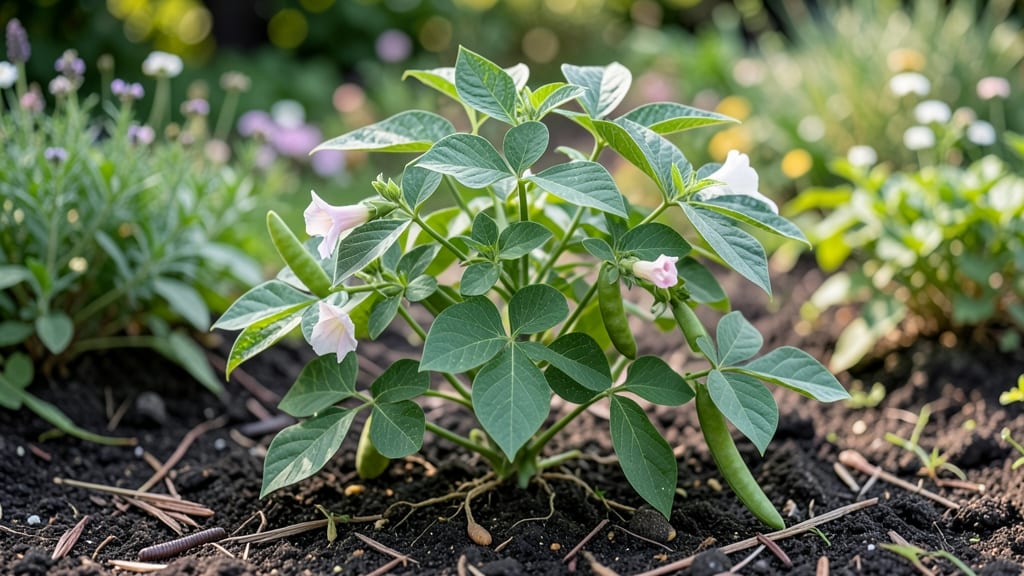
Growing half runner beans feels like discovering a vegetable that refuses to quit. 🌱 These cold-hardy perennials return year after year, producing tender pods long after regular beans have faded—no replanting needed. My first harvest surprised me with sweet, stringless beans in early summer, and they kept producing until frost.
The secret lies in their resilience: they thrive in cooler climates, tolerate light frosts, and even regrow from the roots if cut back. You’ll need well-draining soil, a sturdy trellis (they climb 10–12 feet), and consistent moisture—but the payoff is beans that outlast most annual varieties.
They’re also more disease-resistant than bush beans, meaning fewer pesticides and more harvests. Start seeds indoors 6–8 weeks before your last frost, or sow directly after soil warms to 50°F. Plant them near corn or potatoes to improve growth, and watch as vines twine upward like nature’s own green curtain.
By midsummer, you’ll be harvesting pods daily, with the plants still flourishing into fall. Perfect for small gardens, trellises, or even containers with support. Once established, they’re nearly self-sufficient—just water and occasional pruning to keep them productive. Here’s how to make them thrive in your space!
📚 In This Guide
- What you need
- Instructions
- Tips and common mistakes
- Wrapping up and next steps
What you need
- ● Half Runner Bean Seeds: 3–5 seeds per plant (or 10–15 for a small garden). Choose cold-hardy varieties like ‘Scarlet Emperor’ or ‘Prince Albert.’
- ● Well-draining soil: Mix compost (2–3 parts) with garden soil (1 part) for optimal growth. Aim for a pH of 6.0–7.0.
- ● Support structure: Trellis or netting: 6–8 ft tall for climbing (use 1-inch mesh or bamboo stakes).
- ○ Cages or teepees: 4–5 ft tall for bushier growth (optional for compact varieties).
- ● Watering can or hose: With a gentle spray nozzle for consistent moisture.
- ● Garden trowel or transplanter: For digging holes (1–2 inches deep).
- ● Mulch (straw or shredded leaves): 2–3 inches thick to retain moisture and suppress weeds.
- ● Fertilizer: Balanced organic fertilizer (10-10-10) or compost tea at planting and mid-season.
- ● Pruning shears: For trimming dead vines or encouraging bushier growth.
- ● Garden gloves: To protect your hands while handling soil or vines.
- ● A sunny spot (6–8 hours of direct sunlight daily).
- ● Cold-hardy zone: Half runner beans thrive in USDA Zones 4–9 (some varieties survive winter in zones 5+).
- ● Patience! These perennials take 2–3 years to fully establish but regrow yearly with care.
Step-by-step instructions for planting half runner beans
These cold-hardy climbers thrive with minimal fuss—here’s how to get them established for years of harvests.
🌱 Step 1: Choose the Perfect Planting Location and Time
Half runner beans love sun and space. Pick a spot with at least 6 hours of full sun daily and shelter from strong winds—these vines grow 8-10 feet tall and need sturdy support. I plant mine along fences or trellises in early spring, 2-3 weeks before your last frost date, when soil temperature reaches 50°F.
They’re surprisingly cold-tolerant, but avoid waterlogged soil. If your garden stays soggy, build raised beds or plant on a slight mound. The key is well-draining soil—they’ll sulk and rot if their roots sit in cold, wet conditions. Test by squeezing a handful: it should crumble when dry but not drip water.
🪴 Step 2: Prepare Soil and Plant with Care
Work in 2-3 inches of compost to enrich the soil—half runner beans are heavy feeders and reward rich soil with vigorous growth. Mix in a handful of bone meal for phosphorus to encourage strong root development. These perennials thrive in slightly acidic to neutral soil (pH 6.0-7.0), so test your soil if your area is particularly alkaline.
Plant seeds 1 inch deep and 4-6 inches apart in rows 18-24 inches apart for easy trellising. I like to plant 3-4 seeds per spot and thin to the strongest seedling after germination—this ensures you don’t lose your entire row if one seed fails. Water gently but thoroughly after planting to settle the soil around the seeds.
☀️ Step 3: Install Support and Train Vines Early
Set up trellises, fences, or strong stakes before planting—these beans climb aggressively, and retrofitting support later leads to tangled messes. I use 4-foot tall bamboo stakes tied with jute twine for small gardens, or a 10-foot tall wire trellis for larger spaces. The vines will twine naturally, but give them a gentle nudge onto the support when they’re 6-8 inches tall.
Don’t wait until they’re established to add support—you’ll end up with a jungle of sprawling vines. Prune any side shoots that grow away from the trellis to encourage upward growth. This keeps the plant focused on climbing and producing pods rather than bushy, unruly growth.
💧 Step 4: Water and Fertilize for Continuous Growth
Keep soil consistently moist but never soggy—half runner beans need 1-1.5 inches of water weekly, more in hot, dry weather. Water at the base in the morning to reduce fungal risks. These perennials are drought-tolerant once established, but young plants need steady moisture. You’ll know they’re thirsty when the leaves start curling slightly—this is their way of signaling dry soil.
Feed with a balanced organic fertilizer (10-10-10) when flowers appear, then switch to a low-nitrogen, high-phosphorus fertilizer to boost pod production. I like to side-dress with compost every 4-6 weeks during the growing season. Avoid high-nitrogen fertilizers—they’ll give you lush foliage but few beans.
✂️ Step 5: Prune and Harvest for Year-Round Productivity
Harvest pods regularly to encourage more production—pick when they’re 4-6 inches long and tender. I harvest every 2-3 days in peak season to keep the plant focused on flowering. Use sharp scissors to cut the stem just above the pod to avoid damaging the vine. Regular harvesting extends the season and prevents the plant from going to seed prematurely.
In fall, cut back the vines to 6 inches tall and mulch heavily with straw or leaves. Half runner beans are hardy to -15°F and will regrow from the roots in spring. This perennial habit means you’ll get beans for years with minimal replanting—just keep the soil healthy and the support sturdy.
Tips & tricks for perfect half runner bean growth
These cold-hardy climbers reward patience with years of harvests—here's how to maximize their potential without the guesswork.
Location and Timing: The 6 hours of full sun daily requirement is non-negotiable for half runner beans. I've found that planting near a south-facing fence maximizes sunlight exposure while providing wind protection. For cooler climates, extend the planting window by using black plastic mulch to warm the soil—this helps reach that critical 50°F soil temperature earlier in spring. The 2-3 weeks before last frost guideline works best when you can predict your local frost dates accurately.
Soil Preparation: The 2-3 inches of compost and handful of bone meal create the perfect foundation for these heavy feeders. I always test my soil pH before planting—if it's above 7.0, I add sulfur to bring it down to that ideal 6.0-7.0 range. For alkaline soils, this adjustment makes all the difference in root development. The 1 inch deep planting depth might seem shallow, but it prevents the seeds from rotting in heavy clay soils while still providing enough moisture.
Support System: Installing support before planting is the single most important step I've learned from years of growing these beans. I've tried adding trellises later and ended up with tangled, unproductive vines. For small gardens, the 4-foot bamboo stakes work beautifully, but I've found that 6-foot stakes (optional) give better support for the taller varieties. The 6-8 inch height for nudging vines onto support is when they're strong enough to hold their own but not so established that they resist guidance.
Watering Wisdom: The 1-1.5 inches of water weekly guideline might seem straightforward, but timing matters. I've learned to water at the base in the morning to prevent fungal diseases that thrive in damp foliage. During heatwaves, I increase to 2 inches weekly (optional) and watch for those telltale leaf curls—this is the plant's way of saying it's thirsty. Mulching around the base helps retain moisture and keeps roots cool, which is especially important during summer heat.
Pro Tips for Half Runner Beans
- These cold-hardy climbers reward patience with years of harvests—here's how to maximize their potential without the guesswork.
- Location and Timing: The 6 hours of full sun daily requirement is non-negotiable for half runner beans.
- Soil Preparation: The 2-3 inches of compost and handful of bone meal create the perfect foundation for these heavy feeders.
Frequently asked questions
about half runner beans—whether you're a first-time gardener or a seasoned grower—can help clear up doubts and boost your success. Here are some of the most common queries:What’s the difference between half runner and pole beans?
Half runner beans (like Phaseolus coccineus) are cold-hardy perennials that climb but don’t need tall trellises—unlike pole beans, which require sturdy supports (6+ feet). Half runners thrive in cooler climates and regrow yearly, while pole beans are annuals and need warmer soil.
Can half runner beans survive winter in my zone?
Yes! These beans are frost-tolerant and can overwinter in USDA Zones 3–9. Mulch heavily with straw or leaves to protect roots, and prune back in early spring. In colder zones (below 5), they’ll regrow from the base once temperatures rise above 50°F (10°C).
How long does it take for half runner beans to produce pods?
From seed to harvest, expect 60–90 days in warm conditions, but they’re slower to mature in cooler climates. Start seeds indoors 4–6 weeks before your last frost, or direct-sow after soil reaches 50°F (10°C). Patience pays off—they reward you with months of harvests!
Are half runner beans good for canning or drying?
Their thick pods and high starch content make them ideal for canning, freezing, or drying. Harvest when pods are firm but not overmature (7–10 inches long). For drying, string beans on a line in a dry, shaded area. Pro tip: Try the ‘Scarlet Emperor’ variety—it’s a favorite for heirloom preservation!
What should I do if my half runner beans get beetles or powdery mildew?
Stay vigilant! Bean beetles: Handpick adults and larvae, or use row covers early in the season. Powdery mildew: Improve airflow with proper spacing (12–18 inches apart), water at the base, and apply a baking soda spray (1 tsp baking soda + 1 quart water + a drop of soap). Avoid overhead watering to prevent fungal issues.
Wrapping up and next steps
Growing half runner beans is a rewarding journey that brings low-maintenance, cold-hardy perennials to your garden year after year! Their resilience and natural regrowth make them a fantastic choice for both beginners and seasoned gardeners.
Whether you're aiming for a bountiful harvest or simply enjoying their hardy nature, these beans are a game-changer for sustainable gardening.
Now that you’re equipped with the knowledge to plant, nurture, and troubleshoot, it’s time to roll up your sleeves and get growing! Start small—try a few plants in a sunny spot—and watch as your garden transforms into a thriving, self-sustaining bean haven. Happy gardening! 🌱💚