
Vegetables
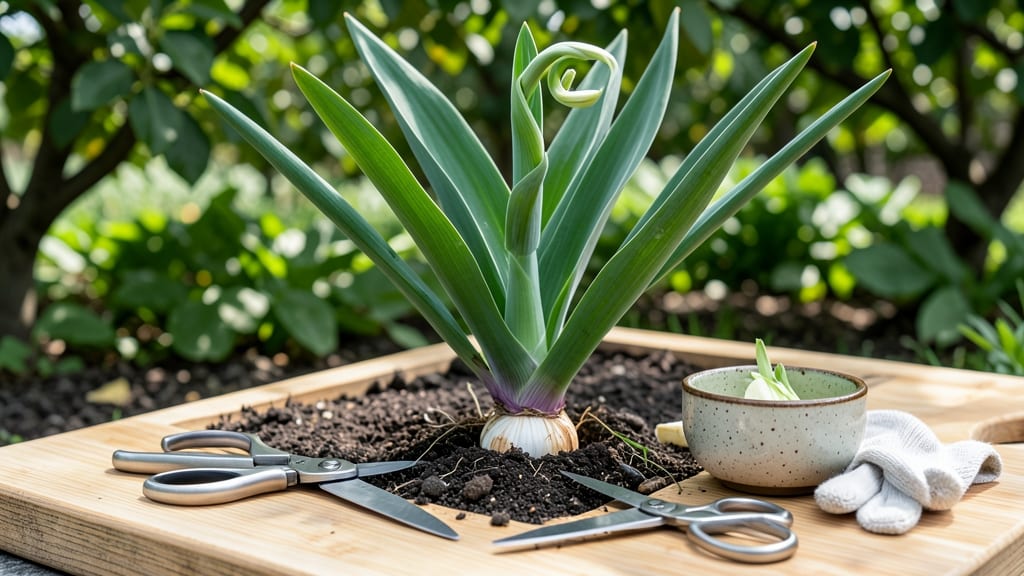
Growing hardneck garlic scapes is where the real flavor magic happens. 🌱 These curly green stems aren't just edible—they're the secret to bigger bulbs and a kitchen pantry stocked with bold garlic goodness.
The moment you see those first curly tendrils appear in late spring, you'll know your garlic plants are ready for their first harvest.
Here's the thing—harvesting scapes doesn't harm your garlic; it actually encourages stronger bulb development. Simply snip them off about 6 inches from the base when they reach 12-18 inches long, leaving the main plant intact.
You'll get two harvests this season: fresh scapes for cooking and full-sized garlic bulbs later in summer.
What you end up with is a kitchen staple that transforms pesto, pasta, and roasted veggies with intense garlic flavor. The scapes themselves taste milder than bulbs but pack a punch when used fresh.
And the best part? Your garlic plants will reward you with noticeably larger bulbs at harvest time.
Works perfectly for home gardeners in zones 3-8, whether you're growing in raised beds, in-ground plots, or even large containers. Let's get those scapes harvested and put to use!
📚 In This Guide
- What you need
- Instructions
- Tips and common mistakes
- Wrapping up and next steps
What you need
- ● Hardneck garlic scapes: 1 bunch (about 8–10 inches long, fresh and firm)
- ● Fresh basil leaves: 2 cups (packed, preferably Genovese or sweet varieties)
- ● Pecorino Romano or Parmesan cheese: ½ cup (finely grated, for a sharp, salty kick)
- ● Extra-virgin olive oil: ½ cup (plus extra for drizzling)
- ● Garlic cloves: 2–3 (peeled, for extra depth)
- ● Kosher salt: ½ teaspoon (adjust to taste)
- ● Black pepper: ¼ teaspoon (freshly cracked for a peppery punch)
- ○ Lemon zest (optional but recommended): 1 teaspoon (for brightness)
- ● High-speed blender or food processor: (1 cup capacity or larger for smooth blending)
- ● Chef’s knife & cutting board: (for prepping scapes and garlic)
- ● Measuring cups and spoons: (for precision)
- ● Wooden spoon or spatula: (for stirring and scraping)
- ● Small bowl or ramekin: (for storing leftovers)
- ○ Fine-mesh strainer (optional): (if you prefer a smoother texture)
How to harvest and use hardneck garlic scapes
Here's how to turn those curly green stems into flavor-packed pesto—no cooking skills required.
🌱 Step 1: Identify and Harvest Scapes at Peak Flavor
Scapes emerge in late spring as curly green stems that loop over the garlic plant. Harvest them when they're 6-8 inches long and still tightly coiled—this is when their flavor is most intense. Use clean kitchen shears or pruners to cut them just above the garlic bulb.
Real talk: Don't wait too long. Once scapes start uncurling or flowering, they become tough and bitter. I like to harvest on a dry morning after the dew has evaporated—this prevents dirt from clinging to the stems.
✂️ Step 2: Clean and Prep Scapes for Pesto
Rinse the scapes under cool water to remove any dirt, but don't soak them—they'll get soggy. Pat dry with paper towels, then remove any tough lower stems or damaged leaves. You'll want to keep only the tender, green parts for the pesto.
Here's the thing—if your scapes are particularly long, you can cut them into 2-inch pieces for easier blending later. Store any unused scapes in a sealed container in the fridge for up to 5 days or freeze them for longer storage.
💧 Step 3: Blend Scapes with Classic Pesto Ingredients
Combine the cleaned scapes with 2 cups fresh basil leaves, ½ cup grated Parmesan cheese, ¼ cup pine nuts, 2 cloves roasted garlic, ½ teaspoon salt, and ½ cup olive oil in a food processor. Pulse until the mixture is smooth but still has some texture.
You'll know it's ready when the pesto clings together when you press it between your fingers. If it's too thick, add a splash of olive oil or a little pasta water. Taste and adjust seasoning—sometimes scapes need an extra pinch of salt to balance their bold garlic flavor.
🌿 Step 4: Store and Use Your Garlic Scape Pesto
Transfer the pesto to a clean jar, pressing it down to remove air bubbles. Cover the surface with a thin layer of olive oil to prevent browning, then seal the jar. Store it in the refrigerator for up to 1 week or freeze it for 3 months.
Use your pesto within a few days for the freshest flavor. I love tossing it with pasta, spreading it on crusty bread, or mixing it into salad dressings. The garlic flavor mellows slightly over time, but it never loses its bold character.
Tips & tricks for perfect garlic scape pesto
Here's what nobody tells you about making this flavor-packed pesto shine.
Harvesting is Everything: The key to great scape pesto starts in your garden. Harvest when scapes are 6-8 inches long and still tightly coiled—this is when their flavor is most intense. I've learned the hard way that waiting too long makes them tough and bitter. Cut them cleanly just above the bulb with sharp shears, and harvest on a dry morning to avoid dirt clinging to the stems.
Prep Like a Pro: When cleaning your scapes in Step 2, focus on the tender green parts only—tough lower stems will make your pesto bitter. For easier blending, cut particularly long scapes into 2-inch pieces before processing. And here's a game-changer: if you're not using all your scapes right away, store them in a sealed container in the fridge for up to 5 days or freeze them—they'll keep their flavor perfectly.
Blending Secrets: In Step 3, don't rush the blending process. Pulse your food processor until the pesto clings together when you press it between your fingers—this is your perfect texture. If it's too thick, add olive oil or pasta water (just a splash!) rather than more liquid. And taste as you go! Scapes can be bold, so sometimes they need an extra pinch of salt to balance their flavor.
Storage Wisdom: The olive oil layer in Step 4 isn't just for show—it's what keeps your pesto vibrant and fresh. Press the pesto down in the jar to remove air bubbles before sealing, and store it in the fridge for up to 1 week. For longer storage, freeze it for 3 months, but use it within a few days for the freshest flavor. The garlic flavor does mellow slightly over time, but it never loses that bold character.
Pro Tips for Hardneck Garlic Scapes
- Here's what nobody tells you about making this flavor-packed pesto shine.
- Harvesting is Everything: The key to great scape pesto starts in your garden.
- Prep Like a Pro: When cleaning your scapes in Step 2, focus on the tender green parts only—tough lower stems will make your pesto bitter.
Frequently asked questions
Got questions about hardneck garlic scapes? You’re not alone—these curly green stems can be a game-changer in the kitchen (or garden!). Here’s what you need to know to make the most of them:
What exactly are hardneck garlic scapes, and how do they differ from regular garlic?
Hardneck garlic scapes are the curly, flat green stems that sprout from hardneck garlic varieties in late spring. Unlike the bulb itself, scapes are edible, tender, and packed with milder garlic flavor. They’re harvested before they harden to prevent the bulb from forming properly, so they’re a bonus crop—no trade-off!
When is the best time to harvest garlic scapes?
Harvest scapes when they’re 6–8 inches long and still flexible (not woody or curling tightly). This usually happens 4–6 weeks after sprouting, depending on your climate. Pro tip: Check them weekly—once they start curling into tight loops, they lose tenderness and flavor.
Can I substitute scapes for garlic in recipes?
Scapes add a milder, fresher garlic taste with a slight onion-like sweetness. Use them 1:1 as a substitute for fresh garlic in pesto, soups, or stir-fries. For a stronger kick, finely chop or blend them into sauces or marinades. Bonus: They’re great raw in salads or as a garnish!
What if my scapes turn yellow or woody before I can use them?
Don’t stress—woody scapes are still edible but best cooked or sautéed (they lose tenderness). Yellowing can signal heat stress or overgrowth. To prevent this, harvest early and store unused scapes in the fridge for up to 2 weeks. For long-term storage, blanch and freeze them like green beans!
Should I remove scapes to save my garlic bulbs?
Yes! Always harvest scapes—leaving them on will divert energy from bulb development, resulting in smaller harvests. Snip them just above the 4th leaf (about 2 inches down from the stem) with clean scissors. This boosts bulb size and ensures a better harvest later in the season.
Wrapping up and next steps
Harnessing the bold, garlicky magic of hardneck garlic scapes is easier—and more flavorful—than you think! Whether you’re whipping up creamy pesto, savory sautés, or fermented delights, these curly green stems turn humble ingredients into chef’s-kiss dishes.
Don’t let their fleeting season slip by—get creative in the kitchen and savor the harvest!
Next step: 🌱 Grow your own scapes or raid the farmers’ market, then experiment with these recipes to make every bite unforgettable. Your taste buds will thank you!