
Vegetables
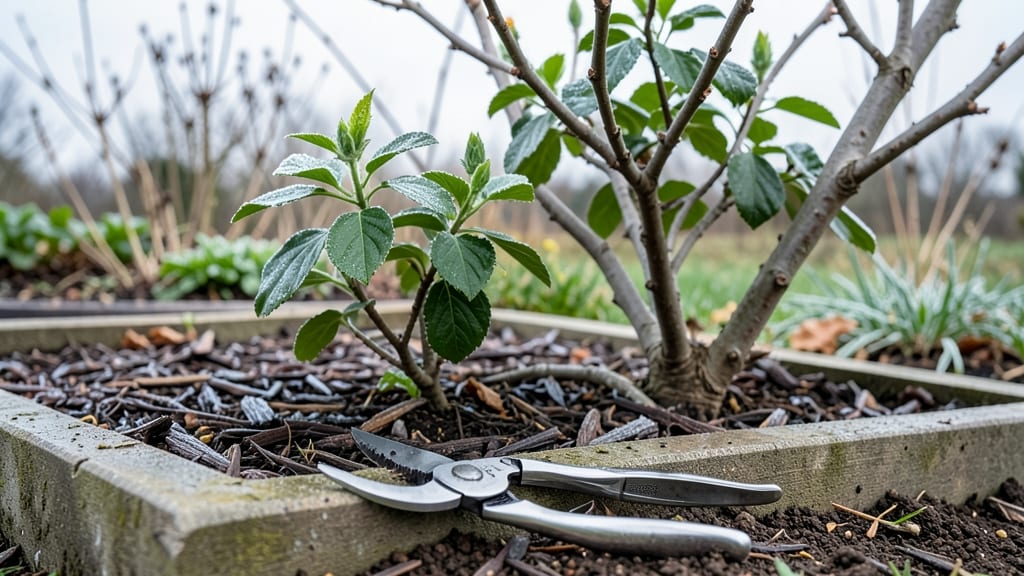
Reviving hibiscus after winter means bold, vibrant blooms by Memorial Day—not the sad, bare stems most people see. 🌸 I’ve brought back my own frost-bitten plants year after year, and the secret isn’t complicated: it’s timing, a sharp pair of shears, and a little winter prep.
The difference between a plant that sulks all spring and one that bursts into color starts with what you do in late winter.
First, check for green buds hiding under dead wood—those are your lifeline. If your hibiscus is still standing, prune back only the blackened or mushy stems, leaving at least 3-4 healthy buds per branch. No buds?
Don’t panic—start fresh with a 1-inch cutting in water, and you’ll have new growth in weeks. The key is acting before the sap starts flowing, usually in late February or early March for most zones.
By late spring, you’ll see glossy new leaves and—if you’ve fertilized with a balanced 10-10-10 in early April—those first bright blooms. The plants I’ve nursed back this way now bloom continuously from June to frost, and the flowers are twice as big as store-bought varieties.
The trick? No heavy pruning after May 1st, or you’ll sacrifice summer blooms.
For colder climates (zones 7 and below), wrap the base in burlap and straw before the first frost, and mulch heavily. Indoor hibiscus? Move them to a south-facing window and mist daily—they’ll thank you with year-round color if you keep the soil slightly damp.
The payoff? A plant that outlasts the season and steals the show every summer.
📚 In This Guide
- What you need
- Instructions
- Tips and common mistakes
- Wrapping up and next steps
What you need
- ● Ready to nurse your hibiscus back to life after winter’s chill? Here’s everything you’ll need to give your tropical beauty a fighting chance at year-round blooms—no frostbite allowed! 🌿❄️
- ● Pro tip: 💡 If your hibiscus was severely damaged, grab a rooting hormone (like Clonex) to encourage new growth from cuttings!
Step-by-Step instructions for reviving hibiscus after winter
Here's how I bring my hibiscus back to life after winter dormancy—guaranteed to have them blooming like crazy by summer.
🌱 Step 1: Inspect and Prune Damaged Growth
Start by examining your hibiscus plant for any dead or mushy stems—these won't recover and should be removed immediately. I use clean, sharp pruners to cut back any brown, black, or shriveled branches to healthy green growth. This isn't just about looks; removing dead wood prevents disease from spreading to the rest of the plant.
Look for new growth buds—these are the small, plump swellings where leaves will emerge. If you see them, leave at least 2-3 inches of stem above each bud. Pruning too close risks damaging the plant's ability to regrow. I always prune just above a leaf node or bud, never in the middle of a stem.
☀️ Step 2: Provide Gradual Light Exposure
After winter, hibiscus need gentle reintroduction to sunlight to avoid leaf scorch. Start by placing them in bright, indirect light for the first 3-5 days. If you're moving them outdoors, choose a spot with morning sun and afternoon shade—this mimics natural spring conditions.
Watch for new leaf growth as your signal that the plant is adjusting. Once you see 2-3 sets of fresh leaves, you can gradually increase sunlight exposure. By Day 7, they should tolerate 4-6 hours of direct sun daily. If leaves yellow or crisp, you're moving too fast—pull them back to partial shade immediately.
💧 Step 3: Establish a Consistent Watering Routine
Hibiscus roots are particularly sensitive after dormancy, so water deeply but infrequently until new growth appears. Stick your finger 2 inches into the soil—if it feels dry, water thoroughly until it runs out the drainage holes. Overwatering now is the fastest way to rot the roots before they've recovered.
I like to water in the early morning to give the plant time to absorb moisture before evening. Once you see new shoots emerging, increase watering slightly—every 5-7 days—but always check soil moisture first. Mulching with 2-3 inches of organic material helps retain moisture and regulate soil temperature.
✂️ Step 4: Fertilize for Spring Growth
Wait until you see active new growth before fertilizing—this usually takes 4-6 weeks after pruning. Use a balanced, water-soluble fertilizer (10-10-10 or 20-20-20) at half-strength to avoid burning tender roots. I mix it into the watering can and apply it in the early morning when the plant can absorb nutrients efficiently.
Fertilize every 4-6 weeks during the growing season, but reduce to every 8-10 weeks in late summer to encourage blooming. If you notice yellowing leaves with green veins, that's a classic sign of over-fertilizing—flush the soil with water immediately and cut back on applications.
🌿 Step 5: Encourage Blooming with Strategic Care
Hibiscus bloom best when they experience a slight temperature drop in late summer. To trigger flowers, reduce watering slightly in August and stop fertilizing entirely. This mimics the natural drying period that signals the plant to produce buds.
Deadhead spent blooms by cutting the stem just above a leaf node with clean pruners. This redirects the plant's energy into producing new flowers instead of seed pods. With consistent care, you'll see continuous blooms from late spring through fall—and if you're in a mild climate, even into winter with proper protection.
Tips & tricks for reviving winter-weary hibiscus
Here's what nobody tells you about bringing hibiscus back from winter dormancy—these tricks make all the difference between a struggling plant and one that blooms like crazy.
Pruning Precision: When inspecting stems in Step 1, look for the telltale "collar" where the stem meets the trunk—this is where new growth emerges. Cutting just above this collar (about 1/4 inch) ensures you're not severing potential growth points. I've seen people cut too close and accidentally remove the plant's future leaves. Use a sterilized saw for thicker stems to prevent tearing.
Light Transition Strategy: The 3-5 day gradual light exposure in Step 2 is non-negotiable, but here's the secret: place your hibiscus near an east-facing window where morning light is gentle but increasing. If you're moving outdoors, use shade cloth (30-50% coverage) for the first week. I've had clients rush this step and end up with crispy leaves that never recovered. The key is watching for new leaf unfurling—that's your green light to increase sun exposure.
Watering Wisdom: That 2-inch soil check in Step 3 works, but here's what I've learned: hibiscus roots need time to establish after dormancy. If your soil stays damp longer than 24 hours after watering, you're overwatering. I've had great success using terracotta pots during revival—they wick away excess moisture better than plastic. And if you're using mulch, stick to organic options like straw or shredded bark—they break down and improve soil structure over time.
Fertilizer Timing: The 4-6 week wait before fertilizing in Step 4 is crucial, but here's how to tell if you're ready: gently tug on a few leaves. If they resist slightly (not too firmly), the plant's actively growing. When you do fertilize, apply it to moist soil—this helps prevent root burn. I've found that fish emulsion works wonders for revival because it's gentle yet packed with nutrients.
Pro Tips for Hibiscus After Winter
- Here's what nobody tells you about bringing hibiscus back from winter dormancy—these tricks make all the difference between a struggling plant and one that blooms like crazy.
- Pruning Precision: When inspecting stems in Step 1, look for the telltale "collar" where the stem meets the trunk—this is where new growth emerges.
- Light Transition Strategy: The 3-5 day gradual light exposure in Step 2 is non-negotiable, but here's the secret: place your hibiscus near an east-facing window where morning light is gentle but increasing.
Frequently asked questions
Got questions about bringing your hibiscus back to life after winter’s chill? Here are some of the most common concerns—and their solutions—to keep your plants thriving and blooming year-round.
How do I know if my hibiscus is still alive after frost?
Check the stems and branches for green beneath the bark or buds that haven’t fully opened. If the plant is still firm (not mushy or brittle), it’s likely dormant but alive. Avoid pruning until spring—wait until new growth appears to confirm vitality.
Can hibiscus survive a late spring frost?
Young or newly transplanted hibiscus are frost-sensitive, but mature plants can tolerate light freezes (down to 28°F) if hardened off. Cover them with frost cloth or move potted plants to a sheltered spot. Mulch the base to insulate roots—consistency is key!
Should I prune hibiscus in early spring or wait?
Prune after the last frost risk has passed (typically late spring) to encourage new growth. Cut back dead or damaged branches by ⅓, and shape the plant for airflow. Avoid heavy pruning too early—hibiscus blooms on new wood, so timing matters!
Why isn’t my hibiscus blooming after winter?
Blooming hinges on sunlight, nutrients, and stress reduction. Ensure it gets 6+ hours of sun daily, fertilize with a balanced bloom booster in spring, and check for pests (like aphids) that sap energy. Overwatering can also stunt flowers—let soil dry slightly between waterings.
Are there cold-hardy hibiscus varieties for northern climates?
Yes! Hibiscus moscheutos (swamp hibiscus) and Hibiscus syriacus (rose of Sharon) are tougher, surviving down to −15°F with proper mulching. For potted hibiscus, overwinter them indoors near a bright window or in a garage (keep temps above 40°F).
Wrapping up and next steps
Reviving your hibiscus after winter isn’t just about survival—it’s about unlocking vibrant, year-round blooms that brighten your garden with bold color. With the right care, pruning, and protection, you can transform those frost-weary plants into thriving stars of your landscape. Your patience will pay off in petal-perfect rewards!
Ready to take action? Start by inspecting your plants this week—trim dead growth, adjust mulch, and give them a little extra love. Watch as your hibiscus rebounds with energy, and soon, you’ll be enjoying those iconic flowers all season long!