
Vegetables
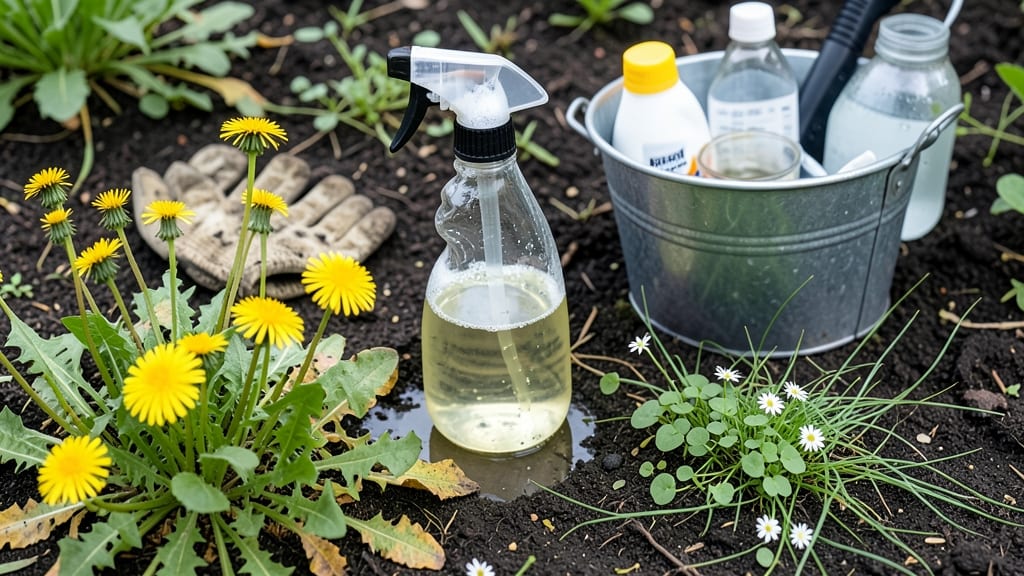
A homemade weed killer using Dawn turns your weeds into a one-time problem, not a seasonal battle. 🌱 I’ve used this DIY solution for three summers now, and it’s saved me hours of pulling weeds by hand—especially those stubborn dandelions and creeping Charlie. The secret lies in combining vinegar’s acidity with Dawn’s surfactant to break down weed cell walls instantly.
You only need three simple ingredients: white vinegar, Dawn dish soap, and a spray bottle. Mix 1 gallon of vinegar with 1 tablespoon of Dawn, shake well, and spray directly on weeds on a sunny day.
The vinegar works within hours, but for tough weeds like grass, you might need a second application. It’s cheaper than commercial weed killers and safer for your garden’s ecosystem.
What you’ll love is how fast it works—no more weeks of watching weeds creep back. Plus, it’s pet-friendly once dry and won’t harm your soil like chemical alternatives. Just avoid spraying on windy days or near desirable plants, as the vinegar can damage them too.
For best results, apply on clear, sunny days when weeds are actively growing.
This method isn’t just effective—it’s eco-friendly and budget-friendly. No more buying expensive sprays or dealing with harsh chemicals. Once you try it, you’ll wonder why you didn’t switch sooner. Ready to reclaim your garden without the hassle?
📚 In This Guide
- What you need
- Instructions
- Tips and common mistakes
- Wrapping up and next steps
What you need
- ● 1 cup white vinegar (5% acetic acid or higher for best results)
- ● 1 tablespoon liquid Dawn dish soap (blue or original formula works best)
- ● 1 gallon warm water (preferably distilled or filtered for clarity)
- ● 1 empty spray bottle (16–32 oz, with a pump or trigger sprayer)
- ○ Optional: 1 tablespoon salt (enhances effectiveness but may harm soil over time)
- ● A measuring cup and spoon for precise mixing
- ● A stirring stick or spoon (wooden or plastic to avoid reactions)
- ● Protective gear (gloves and goggles—vinegar can sting!)
- ● Sunny, dry day for application (weeds absorb best in direct sunlight)
- ● Label or marker to tag your spray bottle (e.g., "Weed Killer—Keep Away from Plants!")
Step-by-step instructions for making a vinegar-powered weed killer
Here's how to create an effective, eco-friendly weed killer using common household items.
🌱 Step 1: Gather and Mix the Active Ingredients
Combine 1 gallon of white vinegar (5% acidity) with 1 cup of Dawn dish soap in a large, non-reactive container like a plastic bucket. The vinegar provides the acetic acid that kills weeds, while the soap acts as a surfactant to help the solution cling to plant surfaces. Stir gently but thoroughly—you want a uniform mixture without suds. I like to use a wooden spoon for this step because it won't react with the acidic solution.
Add 1 cup of salt to the mix, which enhances the weed-killing properties by drawing moisture from the plants. Stir again until the salt fully dissolves. This blend creates a potent herbicide that works within hours. For best results, use this mixture within 24 hours of preparation, as the vinegar's effectiveness can diminish over time.
💧 Step 2: Prepare Your Spray Equipment
Transfer the mixture to a 2-gallon sprayer designed for garden use. I recommend a pump-style sprayer because it delivers a fine, even mist that covers weeds thoroughly. Fill the remaining space in the sprayer with water to dilute the solution slightly—this helps prevent over-concentration that could damage desirable plants nearby. Shake the sprayer vigorously to ensure the ingredients are evenly distributed before use.
Here's the thing—never use a sprayer that previously held pesticides or herbicides. Residue can interfere with the effectiveness of your homemade solution. If you're unsure, clean the sprayer thoroughly with warm, soapy water before filling it with your vinegar mixture. The sprayer should be labeled for use with acidic solutions, as vinegar can corrode some plastics over time.
☀️ Step 3: Apply on a Clear, Sunny Day
Choose a sunny day with no rain forecast for at least 24 hours. The sun amplifies the vinegar's effectiveness by causing the solution to evaporate more quickly, which concentrates the acetic acid on the weeds. Spray the mixture directly onto the weeds, making sure to coat the leaves completely. Avoid spraying near desirable plants, as the solution can harm them too—vinegar is non-selective in its herbicidal action.
Focus on the foliage rather than the soil. The goal is to kill the plant's ability to photosynthesize by destroying its leaves. For stubborn weeds, you may need to apply the solution two or three times, waiting 24 hours between applications. You'll see results within hours—weeds will start to wilt and brown within a few hours of treatment, and they'll typically die within 24-48 hours.
✂️ Step 4: Monitor and Reapply as Needed
After the initial application, keep an eye on treated areas. Some weeds may take up to a week to fully die, depending on their size and resilience. For weeds with deep root systems, like dandelions, you might need to reapply the solution every few days until the plant is completely dead. Pull out any remaining weeds by hand once they've softened and become easier to remove.
This homemade weed killer works best on young, actively growing weeds. Older, more established weeds may require multiple treatments. If you notice new weeds sprouting, repeat the process—consistent application prevents regrowth. Store any leftover mixture in a sealed container in a cool, dark place for up to one month, though its potency will gradually decrease over time.
Tips & tricks for vinegar-powered weed control
These practical insights will help you maximize effectiveness while avoiding common pitfalls with your homemade weed killer.
Solution Freshness: The 24-hour timeframe for using your mixture is non-negotiable—vinegar's acetic acid begins breaking down immediately after mixing. For best results, prepare the solution fresh each time you plan to use it. If you must store it, keep it in a sealed, opaque container in the refrigerator to slow oxidation, but expect reduced potency after 24 hours. The salt and Dawn dish soap will remain effective longer, but the vinegar's acidity is the true powerhouse.
Equipment Selection: When choosing a sprayer, prioritize one with a narrow nozzle that delivers a fine mist rather than a coarse spray. This ensures complete coverage of weed foliage while minimizing waste. I've found that sprayers with adjustable pressure settings give you more control—start with a gentle mist for delicate weeds and increase pressure for tougher varieties. Avoid metal sprayers, as vinegar can corrode them over time.
Application Technique: The key to success lies in thorough coverage—don't just spray the visible foliage. Focus on the undersides of leaves where weeds often have their most vulnerable growing points. For particularly stubborn weeds like crabgrass, apply the solution until it begins to drip slightly from the leaves. This ensures maximum contact with the plant's surface area. The 24-hour wait between applications is crucial—it allows the vinegar time to fully penetrate the plant's cellular structure before reapplying.
Safety Considerations: While this solution is non-toxic to humans and pets once dry, always wear gloves when handling the mixture. The combination of vinegar and salt can cause skin irritation for some people. Additionally, test the solution on a small area of your lawn or garden first—some plants may be more sensitive to the vinegar's acidity than others. The 24-48 hour window for visible results gives you plenty of time to monitor any unintended effects on desirable plants.
Pro Tips for Homemade Weed Killer Using Dawn
- These practical insights will help you maximize effectiveness while avoiding common pitfalls with your homemade weed killer.
- Solution Freshness: The 24-hour timeframe for using your mixture is non-negotiable—vinegar's acetic acid begins breaking down immediately after mixing.
- Equipment Selection: When choosing a sprayer, prioritize one with a narrow nozzle that delivers a fine mist rather than a coarse spray.
Frequently asked questions
about using Dawn dish soap and vinegar as a homemade weed killer—because even the best gardeners have questions! Here are some of the most common ones:How long does it take for the weed killer to work?
The mixture typically starts killing weeds within 24 hours, but full results may take 3–7 days, depending on the weed type and weather. Hot, sunny days speed up the process—soak up those rays! For stubborn weeds, reapply if needed.
Is Dawn dish soap safe for plants and pets?
Dawn is non-toxic and biodegradable, but it’s best to avoid spraying it on edible plants (like veggies or fruits) or areas where pets play. Test a small spot first to ensure no sensitivity. Always rinse plants if accidental contact occurs.
Can I use this on grass or lawn weeds?
This DIY weed killer works best on broadleaf weeds (like dandelions or clover) but may harm grass. For lawns, spot-treat weeds carefully or use a vinegar-only spray (skip the soap) to reduce grass damage. Always water nearby grass afterward to dilute residue.
What if the weeds regrow after treatment?
Persistent weeds might need 2–3 applications, spaced 3–5 days apart. Pull any remaining roots or stems manually for best results. If weeds keep returning, check for hidden root systems or soil compaction—sometimes the issue runs deeper!
Are there alternatives if I don’t have Dawn?
Yes! Use liquid Castile soap or mild dish soap (like Joy or Palmolive) in a pinch. Avoid heavy-duty cleaners (like bleach or motor oil), as they can harm plants or soil. Stick to vinegar + soap for the safest swap.
Will this kill desirable plants too?
Direct contact with any plant can cause damage, so always apply only to weeds and avoid overspray. For edible gardens, use a shield (like cardboard) to protect nearby plants. When in doubt, spot-test first!
Wrapping up and next steps
You’ve now got a safe, budget-friendly, and effective homemade weed killer using Dawn and vinegar—no harsh chemicals needed! 🌱 This solution is perfect for tackling stubborn weeds in your garden, driveway, or walkways while keeping your plants and pets protected. The best part? It’s ready in minutes and works fast!
Ready to take the next step? Grab your spray bottle, mix up your solution, and reclaim your space—one weed at a time! 🚀 For even more gardening tips, check out our guides on natural pest control or organic lawn care to keep your outdoor space thriving.