
Vegetables
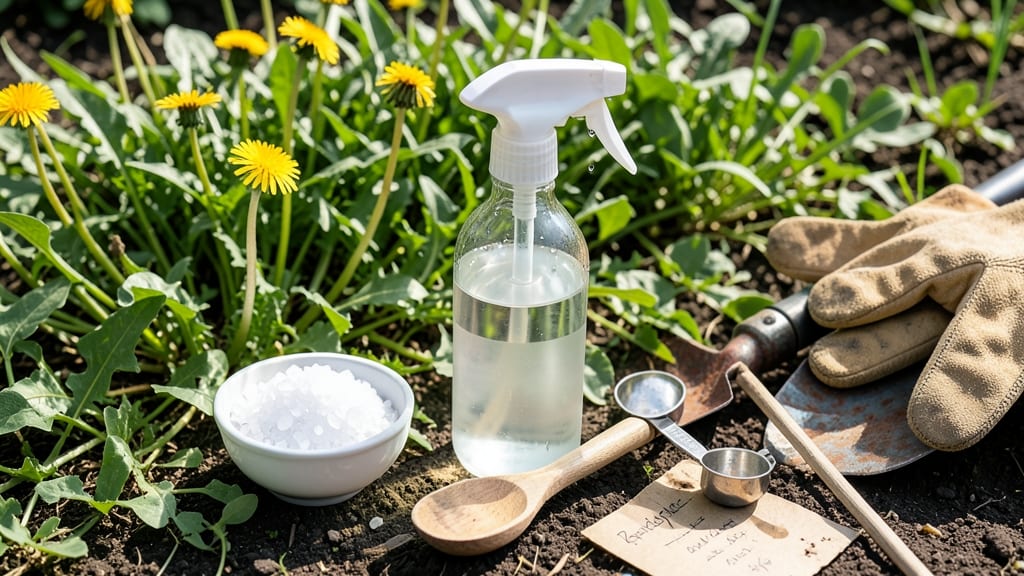
A weed killer recipe using vinegar and salt can clear stubborn weeds in under 15 minutes—no harsh chemicals needed. I’ve used this method for years to tackle driveways, sidewalks, and garden edges without harming my soil or pollinators.
The key lies in the right ratio, timing, and application technique to maximize effectiveness while minimizing collateral damage.
This solution works best on broadleaf weeds like dandelions, chickweed, and clover, though tougher weeds like nutgrass may need multiple treatments. The vinegar breaks down cell walls, while salt disrupts moisture absorption—together, they create a fast-acting, organic alternative to glyphosate.
Just be cautious: it’s not selective, so avoid spraying near desirable plants or grass.
You’ll need 1 gallon white vinegar (5% acidity), 2 cups coarse salt, and a spray bottle for precision. Mix thoroughly, let sit for 24 hours before use, and apply on a sunny, wind-free day—the heat helps the solution penetrate deeper.
Reapply every 3-5 days for stubborn weeds until they wither completely.
For best results, test a small area first and water thoroughly afterward to rinse residual salt from the soil. Pair this with mulching or hand-pulling for long-term control, and consider adding dish soap (1 tbsp) to help the solution stick to weed leaves.
Sustainable, effective, and budget-friendly—this recipe proves weeds don’t stand a chance.
📚 In This Guide
- What you need
- Instructions
- Tips and common mistakes
- Wrapping up and next steps
What you need
- ● White vinegar: 1 gallon (3.8 liters) – Must be 5% to 10% acetic acid for best results.
- ● Salt: 1 cup (250 grams) – Non-iodized salt works best (e.g., kosher or sea salt).
- ● Dish soap: 1 tablespoon – Helps the mixture stick to weeds (use a biodegradable, plant-safe option).
- ● Spray bottle or garden sprayer: 1 (1-gallon capacity recommended) – Ensure it’s clean and labeled for non-toxic use.
- ● Protective gear: Gloves (rubber or nitrile)
- ● Long sleeves and pants
- ○ Safety goggles (optional but recommended)
- ● Measuring cups/spoons: For precise vinegar and salt ratios.
- ● Stirring stick or spoon: To mix ingredients thoroughly.
- ● Label and marker: To tag your spray bottle (e.g., "Natural Weed Killer").
- ● Garden hose or water source: For rinsing tools afterward.
Step-by-Step instructions for creating an effective vinegar-salt weed killer
This method delivers fast, chemical-free weed control using common household materials.
Gather Materials and Prepare the Work Area
Collect 1 gallon white vinegar (5% acetic acid), 1 cup coarse salt, and 1 tablespoon liquid dish soap. The vinegar provides the primary killing action through acetic acid, while salt dehydrates remaining plant tissue. The soap acts as a surfactant to help the solution cling to leaves and stems.
Work on a clear day when temperatures are between 70-85°F and weeds are actively growing. Avoid applying when rain is forecast within 24 hours, as dilution will reduce effectiveness. Wear gloves and protective eyewear—vinegar can irritate skin and eyes. Lay down cardboard or newspaper to protect surrounding plants and soil.
Mix the Solution in a Non-Reactive Container
Combine the 1 gallon vinegar and 1 cup salt in a clean, plastic or glass container. Stir thoroughly until the salt fully dissolves. The solution will feel gritty—this ensures even distribution of the dehydrating agent. Add the 1 tablespoon dish soap last, mixing gently to avoid excessive sudsing.
Transfer the mixture to a spray bottle with a fine mist nozzle. A 1-quart sprayer works best for targeted application. Shake well before each use—settled salt can clog the nozzle. Test the spray pattern on a scrap piece of cardboard to ensure even coverage. The solution should create a fine, even mist rather than large droplets.
Apply Directly to Weeds Under Ideal Conditions
Spray the solution directly onto the leaves and stems of weeds, avoiding desirable plants. Focus on young, actively growing weeds—they absorb the solution more quickly. For stubborn weeds, apply the mixture twice, allowing 24 hours between applications. The acetic acid in vinegar disrupts cellular function, while the salt draws moisture from plant tissues.
Watch for visible wilting within 6-12 hours and complete desiccation in 2-5 days. The soap helps the solution adhere to waxy leaf surfaces, preventing runoff. If weeds regrow, repeat the process—the vinegar-salt solution doesn’t provide long-term soil sterilization, only immediate control. Apply only in direct sunlight for maximum effectiveness.
Monitor and Maintain Treated Areas
After application, monitor treated areas for 7-10 days to ensure complete weed eradication. Remove any remaining dead weeds by hand or with a hoe to prevent seed dispersal. The soil may become temporarily barren due to the salt’s dehydrating effect, but it won’t permanently harm most garden beds if rinsed with water after a few weeks.
For persistent weed problems, repeat the process every 2-4 weeks during the growing season. Avoid applying to areas where you plan to plant vegetables or flowers within 2 weeks, as residual salt can inhibit seedling growth. Water the area thoroughly after treatment if you intend to replant soon.
Store and Reuse Remaining Solution
Store any leftover solution in a sealed, labeled container away from children and pets. The vinegar-salt mixture remains effective for up to 2 weeks if kept in a cool, dark place. Shake before reuse, as settled salt can reduce potency. For larger weed-infested areas, double the recipe to 2 gallons vinegar, 2 cups salt, and 2 tablespoons soap.
This method works best on broadleaf weeds like dandelions, chickweed, and clover. For grassy weeds or thick thatch, consider a follow-up treatment with a vinegar-only spray (1 part vinegar to 1 part water) for better penetration. Always spot-test the solution on a small area first to ensure it doesn’t damage nearby plants.
Tips & tricks for perfect natural weed eradication
These precision techniques ensure your vinegar-salt weed killer works effectively while protecting your garden's health.
Solution Preparation: When mixing the 1 gallon white vinegar with 1 cup coarse salt in Step 2, use a non-reactive container like glass or food-grade plastic. The acetic acid in vinegar can react with metal containers, reducing potency. After dissolving the salt completely, add the 1 tablespoon liquid dish soap last—this prevents excessive sudsing that can clog your spray nozzle. For even better adhesion, stir the solution gently to create a fine mist consistency before transferring to your sprayer.
Application Strategy: In Step 3, focus your application on the undersides of leaves where the stomata (pores) are concentrated. This maximizes absorption of the acetic acid and salt solution. For particularly stubborn weeds, split your application into two sessions with the required 24-hour interval between treatments. The first application weakens the plant's cellular structure, making it more susceptible to the second treatment. Always apply in direct sunlight—this enhances the acetic acid's effectiveness by increasing evaporation rate.
Environmental Conditions: The 70-85°F temperature range specified in Step 1 is critical for optimal results. Warmer temperatures accelerate the acetic acid's action, while cooler conditions slow the process. If you're working outside this range, consider adding a splash of water (no more than ¼ cup) to the solution to maintain viscosity. However, avoid applying when rain is forecast within 24 hours—this will dilute the solution and reduce its effectiveness. The 6-12 hour wilting period you'll observe is a clear indicator the solution is working at its intended strength.
Post-Application Care: After treating your area, monitor for 7-10 days as instructed in Step 4. During this period, you may notice the soil appears temporarily barren due to the salt's dehydrating effect. To mitigate this, water the area thoroughly after 2 weeks if you plan to replant. The 2-5 day desiccation period varies based on weed type—broadleaf weeds typically respond fastest, while grassy weeds may require the full timeframe. For persistent problems, maintain the 2-4 week treatment schedule during the growing season to prevent regrowth.
Pro Tips for Weed Killer Recipe Using Vinegar And Salt
- These precision techniques ensure your vinegar-salt weed killer works effectively while protecting your garden's health.
- Solution Preparation: When mixing the 1 gallon white vinegar with 1 cup coarse salt in Step 2, use a non-reactive container like glass or food-grade plastic.
- Application Strategy: In Step 3, focus your application on the undersides of leaves where the stomata (pores) are concentrated.
Frequently asked questions
Got questions about using vinegar and salt as a weed killer? You’re not alone! Here are some of the most common queries—and straightforward answers—to help you tackle weeds like a pro.
How long does it take for vinegar and salt to kill weeds?
Results typically appear within 3 to 7 days, but full eradication can take up to 2–3 weeks, depending on the weed type, weather, and application frequency. Hot, sunny days speed up the process, while rain may dilute the solution. Reapply if weeds persist!
Will this mixture harm my plants or grass?
Yes, it can! Vinegar and salt are non-selective, meaning they’ll kill anything green they touch. Avoid spraying near desired plants, grass, or edible crops. For safety, apply only to weeds on driveways, sidewalks, or bare soil. Always test a small area first!
Can I use dish soap or other additives to boost effectiveness?
Some DIY recipes suggest adding 1 teaspoon of dish soap to help the solution stick to weeds. While it may improve adhesion, it’s not essential. The vinegar-salt combo works well on its own—just ensure the mixture covers the weeds thoroughly. Avoid harsh additives like bleach or bleach-based cleaners.
What’s the best time of day to spray vinegar and salt weed killer?
Spray on a clear, sunny day between 10 AM and 4 PM for maximum effectiveness. The heat helps the vinegar penetrate weed leaves faster. Avoid windy conditions or watering the area immediately after application, as moisture can wash away the solution.
What if the weeds keep coming back? How do I prevent regrowth?
Persistent weeds often have deep roots or seeds. For stubborn cases, reapply the solution every 3–5 days until the weeds die completely. To prevent future growth, remove dead weeds by hand or with a hoe and consider adding a mulch layer (like straw or wood chips) to block sunlight.
Is vinegar and salt safe for pets or children?
While the mixture is non-toxic to pets and kids once dry, the undiluted vinegar and salt can be irritating if ingested or inhaled in large amounts. Keep pets and children away from treated areas until the solution dries (usually 1–2 hours). Always store ingredients securely.
What’s a good alternative if I don’t have vinegar or salt?
If you’re short on supplies, try these natural weed killers:
- Boiling water: Pour directly on weeds (best for cracks in driveways).
- Corn gluten meal: A pre-emergent herbicide (apply in early spring).
- Baking soda: Mix with water (1:1 ratio) for spot treatment on small weeds.
- Citrus peels: Soak in water for 2 weeks, then spray—citric acid weakens weeds.
Wrapping up and next steps
Ready to reclaim your garden naturally?
This vinegar and salt weed killer recipe is your eco-friendly ally—no harsh chemicals needed! 🌱 With just a few household ingredients, you’ve got a powerful, budget-friendly solution to tackle weeds in minutes. Start small, test a patch, and watch your garden thrive without the guesswork.
Now that you’re equipped with the know-how, pick a sunny day and give it a try! For extra tips, check out our guide on maintaining a weed-free garden—your green space will thank you. Happy gardening! 🌿