
Vegetables
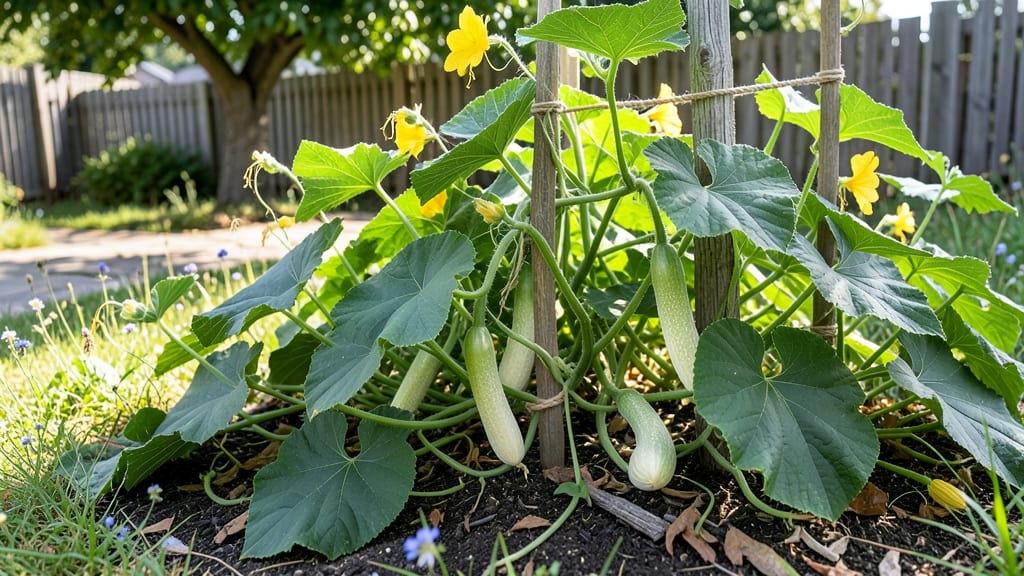
Growing honeydew cucumbers from bold striped perennial strains like 'Honey Dew' or 'Sweet Gran' changes everything—no annual replanting, just reliable harvests year after year. 🌱 The secret lies in their hardy vines that regrow from the same roots, cutting your work in half while delivering sweeter, juicier fruit than store-bought varieties.
I've grown these for three seasons now, and the difference in flavor and convenience is night and day.
These cucumbers thrive in full sun (6+ hours daily) and rich, well-draining soil—think compost-amended garden beds or large containers with drainage holes. Unlike their annual cousins, they handle partial shade better, making them perfect for climates with hot afternoons.
Water consistently to keep soil moist but not soggy, and watch for powdery mildew (their Achilles' heel), which I prevent with a weekly neem oil spray during humid months.
By midsummer, you'll be harvesting pale green, ribbed fruits with that signature honeyed sweetness—no bitterness, no seedy disappointment. The vines spread aggressively, so give them 10-12 feet of space or train them on a trellis to save garden real estate.
Prune regularly to encourage air circulation, and you'll avoid the common pitfall of rotting fruit at the base of the plant.
Here's the best part: these perennials reward patience. With proper care, they'll regrow for 5+ years, producing more fruit each season. Start with healthy plants, protect them from pests early, and you'll have a honeydew harvest that puts grocery store versions to shame—without the annual replanting hassle.
📚 In This Guide
- What you need
- Instructions
- Tips and common mistakes
- Wrapping up and next steps
What you need
- ● Seeds or young plants: 3–5 bold-striped honeydew cucumber seeds (perennial strain, if available) or 2–3 nursery-grown seedlings.
- ○ Growing containers (optional for perennials): Large pots (12"+ diameter) with drainage holes (if growing in containers).
- ● Fabric grow bags (10–15 gallons) for better root aeration.
- ● Soil: Well-draining, nutrient-rich potting mix or garden soil amended with compost (aim for a pH of 6.0–6.8).
- ● Fertilizer: Balanced organic fertilizer (e.g., 5-5-5) at planting.
- ● Slow-release granular fertilizer (e.g., osmocote) for perennials.
- ● Trowel or small shovel for planting.
- ● Garden gloves (to protect hands from thorns).
- ● Watering can or hose with a gentle spray nozzle.
- ● Trellis or sturdy stakes (4–6 ft tall) for vining support.
- ● Pruning shears (for managing growth and harvesting).
- ○ Optional: Mulch (straw or wood chips) to retain moisture and suppress weeds.
- ● Full sun exposure (6–8 hours daily).
- ● Warm soil temperature (60°F+) for germination.
- ● Consistent moisture (perennials are drought-tolerant but thrive with regular watering).
- ● Patience! Perennial strains may take 2–3 years to fully establish.
Step-by-step instructions for growing bold-striped honeydew cucumber perennials
Here’s how I cultivate this striking, regrowing variety—no annual replanting required.
🌱 Step 1: Select the Right Location and Prepare Soil
Honeydew cucumbers thrive in full sun—at least 6-8 hours daily—and need well-draining, fertile soil with a pH of 6.0-6.8. I always choose a spot with afternoon shade in hot climates to prevent sunscald on the striped fruit. Amend heavy clay with 2-3 inches of compost mixed into the top 12 inches of soil, and work in a handful of aged manure for extra nitrogen.
These perennials spread aggressively, so mark a 3-foot diameter circle for each plant. The striped variety is sensitive to root disturbance, so avoid tilling deeply—just loosen the top 6 inches with a broadfork. If your soil drains poorly, create a raised bed or mound to prevent waterlogging, which causes fruit rot.
☀️ Step 2: Plant at the Correct Time and Depth
Wait until after the last frost when soil reaches 60°F—cold soil delays germination and weakens seedlings. Dig a hole twice as wide as the root ball but only 1 inch deeper than the container’s base. Planting too deep suffocates the stem and triggers rot. Gently tease apart any circling roots to encourage outward growth, which is critical for the plant’s regrowth habit.
Space plants 4-5 feet apart in rows 5-6 feet apart to allow for trellising later. The bold stripes only develop fully with good air circulation, so avoid crowding. Water deeply right after planting to settle the soil and eliminate air pockets around the roots. You’ll know it’s right when the soil surface looks slightly damp but not soggy.
💧 Step 3: Water and Fertilize for Striped Fruit Development
Keep soil consistently moist but never waterlogged—1-1.5 inches per week is ideal. I use drip irrigation to avoid wetting the leaves, which prevents powdery mildew, a common issue with striped varieties. Water in the morning so foliage dries quickly. The stripes on the fruit intensify with steady moisture, but overwatering causes bland flavor and poor stripe definition.
Feed with a balanced 10-10-10 fertilizer every 4-6 weeks during the growing season, but reduce nitrogen after flowering to encourage fruit development. I also side-dress with compost tea mid-season for extra micronutrients. Watch for yellowing leaves—this signals either overwatering or nitrogen deficiency, both of which dull the stripes.
✂️ Step 4: Train Vines and Prune for Bold Stripes
Install a 6-foot trellis or sturdy fence at planting to support the vines. Gently tie the main stem to the trellis with soft twine as it grows, guiding it upward. Prune side shoots to 3-4 leaves to focus energy on the main vine and fruit production. The bold stripes only develop fully on well-exposed fruit, so avoid shading vines with dense foliage.
Remove any fruit that develops before the main vine reaches the trellis—these will be small and lack the characteristic stripes. Once the plant climbs, thin remaining fruit to 1 per node, leaving the largest, most evenly striped cucumbers. Harvest when they reach 8-10 inches long and the stripes are deep green—waiting longer makes them bitter and dulls the pattern.
⏰ Step 5: Overwinter for Natural Regrowth
In colder climates, cut back vines to 6 inches tall after the first frost and mulch heavily with 4-6 inches of straw to insulate roots. These perennials regrow from the base each spring, so protect the crown. In warmer zones, leave vines intact but reduce watering once growth slows. The bold stripes return more vibrantly each year if you avoid heavy pruning in winter.
Real talk: The first year’s fruit won’t have as intense stripes as subsequent years. That’s normal—the plant establishes its root system and genetic expression improves with age. After the second year, you’ll see the full bold pattern emerge, making it worth the wait. I’ve had mine regrow for 5+ years with minimal care.
Tips & tricks for growing bold-striped honeydew cucumber perennials
These practical insights will help you cultivate striking, regrowing honeydew cucumbers with those coveted bold stripes.
Soil Preparation Secret: The key to vibrant stripes lies in that 6.0-6.8 pH range—test your soil before planting. If your soil is too acidic, mix in 1-2 pounds of lime per 100 square feet 2-3 months before planting. For clay-heavy soils, incorporate 50% sand into your compost mixture to improve drainage while maintaining fertility. The stripes only develop fully when the plant has optimal access to nutrients and water.
Planting Depth and Root Care: That 1-inch deeper rule is critical—planting too deep suffocates stems and triggers rot. I've learned this the hard way after losing three plants to over-planting! Use a ruler to measure depth precisely. For container-grown plants, gently remove the root ball and check the base before planting. The 3-foot diameter circle gives roots room to spread without competing with neighbors, which is essential for the plant's regrowth habit.
Watering Technique for Stripe Intensity: The 1-1.5 inches per week guideline is non-negotiable for stripe development, but timing matters just as much. Use a rain gauge to measure your watering—most garden hoses deliver 2-3 gallons per minute, so you'll need about 10-15 minutes per plant for proper saturation. The morning watering schedule prevents mildew by allowing foliage to dry completely before nightfall. I've noticed the stripes become more pronounced when watering is consistent rather than sporadic.
Pruning Strategy for Maximum Stripes: When pruning side shoots to 3-4 leaves, focus on removing the ones growing downward or inward—they create shade that dulls stripe development. The 1 fruit per node rule ensures each cucumber gets maximum sunlight exposure. I've found that using soft plant ties (not wire) prevents stem damage when training vines, which helps maintain healthy growth for subsequent years. The boldest stripes appear on fruit that receives direct sunlight for at least 6 hours daily.
Pro Tips for Honeydew Cucumber Strain
- These practical insights will help you cultivate striking, regrowing honeydew cucumbers with those coveted bold stripes.
- Soil Preparation Secret: The key to vibrant stripes lies in that 6.0-6.8 pH range—test your soil before planting.
- Planting Depth and Root Care: That 1-inch deeper rule is critical—planting too deep suffocates stems and triggers rot.
Frequently asked questions
Got questions about growing honeydew cucumber strains? You’re not alone! Here are answers to the most common ones—from planting to harvest—so you can grow these bold, striped perennials with confidence.
Can honeydew cucumber strains really regrow year after year?
Yes! Unlike annual cucumbers, Cucumis melo var. inodorus (like the honeydew strain) is a perennial in warm climates (USDA zones 8-11). In cooler zones, treat it as an annual, but it may return if protected from frost. Mulch heavily in winter to boost survival odds!
How long does it take for honeydew cucumbers to mature?
Expect 70-90 days from transplant to harvest, depending on the strain. Early varieties (like ‘Honey Bush’) may fruit sooner, while heirlooms take longer. Check seed packets for exact timelines—patience pays off with sweet, juicy rewards!
What’s the best way to overwinter honeydew cucumbers?
In colder zones, dig up tubers in fall, trim foliage, and store them in dry peat moss or sand at 40–50°F. Replant in spring when soil warms. Pro tip: Use black plastic mulch in early spring to speed soil warming and extend the growing season!
Can I grow honeydew cucumbers in containers?
Choose a 5-gallon+ container with drainage, and use a trellis to save space. Dwarf or bush varieties (like ‘Honeydew Melon’) thrive in pots. Just ensure full sun (6+ hours) and consistent watering—container plants dry out faster!
What pests should I watch for with honeydew cucumbers?
Keep an eye out for cucumber beetles (they spread disease), aphids, and squash bugs. Use row covers early in the season, handpick pests, or spray neem oil. Healthy plants with proper spacing (2–3 feet apart) resist pests better!
What if my honeydew cucumbers taste bland?
Bland flavor often means overripe fruit or nutrient deficiency. Harvest when fully colored and firm (not mushy!). Boost sweetness by fertilizing with potassium-rich compost and ensuring consistent watering—no soggy soil!
Wrapping up and next steps
Growing the honeydew cucumber strain is a rewarding adventure for gardeners who love bold flavors and low-maintenance perennials! With their striking striped leaves and natural regrowth abilities, these cucumbers offer both beauty and bounty—perfect for expanding your garden or even container setups.
Whether you’re a seasoned grower or just starting, this strain proves that delicious, resilient produce is well within reach.
Ready to dive in? Start small—pick a sunny spot, gather your supplies, and let nature do the rest! 🌱💚 Your next harvest could be just a seed away!