
Vegetables
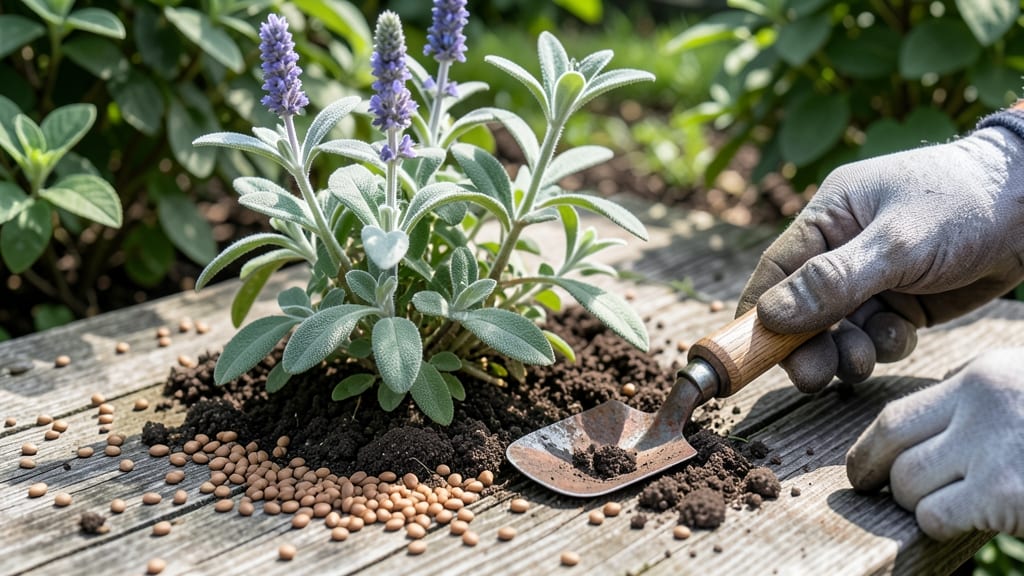
Planting sage from seed means 1-2 seeds per hole—any more and you’ll end up with crowded, weak plants that fight for sunlight. 🌱 I learned this the hard way after thinning dozens of seedlings last spring, only to watch them bolt before they matured.
The key is spacing: 18-24 inches apart for full-grown sage bushes that thrive for years, not just one season.
Sage rarely grows true from seed (most gardeners use cuttings or nursery starts), but if you’re experimenting, plant seeds 1/4 inch deep in well-draining soil. A mix of sand and compost works best—sage hates soggy roots.
Keep the soil warm (70-80°F) and moist until germination, which takes 10-21 days. Patience is key here; rushing leads to leggy seedlings that flop over.
Once sprouted, thin to the strongest plant per hole—this isn’t a race, it’s about giving each sage room to develop its signature fragrant, velvety leaves. Mulch around the base to retain moisture and deter weeds, but avoid piling mulch against the stems.
By summer, you’ll have bushy plants ready for pruning, and the aroma alone makes the effort worth it.
Pro tip: If you’re starting from seed, consider sowing in a nursery pot first—germination rates are low, and you’ll save time. For cuttings, take 3-4 inch stems in early summer and root them in perlite for foolproof success. Either way, sage rewards precision with years of harvestable foliage.
📚 In This Guide
- What you need
- Instructions
- Tips and common mistakes
- Wrapping up and next steps
What you need
- ● Sage seeds: High-quality, organic sage seeds (e.g., Salvia officinalis). Aim for 3–5 seeds per hole (we’ll cover spacing later!).
- ● Planting containers or garden bed: For containers: 5–6 inch diameter pots (at least 2–3 per seedling) with drainage holes.
- ● For garden beds: Well-draining soil in a sunny spot (6+ hours of sunlight daily).
- ● Potting mix or garden soil: Lightweight, well-draining mix (add perlite or sand if your soil is heavy).
- ○ Planting tray or small pots (optional but helpful): For starting seeds indoors (biodegradable pots work great!).
- ● Watering can or spray bottle: With a fine mist setting to avoid disturbing seeds.
- ● Trowel or small hand shovel: For digging holes (¼–½ inch deep).
- ○ Mulch (optional but recommended): Straw or shredded leaves to retain moisture.
- ● Seedling heat mat: Speeds up germination if starting indoors in cool climates.
- ● Grow lights: For indoor seedlings (12–16 hours of light/day).
- ● Fertilizer (low-nitrogen): Like compost tea or balanced 10-10-10 once seedlings sprout.
- ● Plant labels: To track varieties and planting dates.
Step-by-step guide to planting sage seeds correctly
Mastering sage seed planting starts with precision—too many seeds crowd roots, while too few waste your effort.
🌱 Step 1: Prepare the Planting Hole
Use a small trowel to dig a hole that's twice as deep as the seed—about ¼ inch for sage. The soil should be loose and well-draining, so work in a handful of compost if your garden soil is heavy. Sage thrives in full sun, so choose a spot that gets at least 6 hours of direct sunlight daily.
Gently break up any clumps in the hole with your fingers—sage roots need room to spread without resistance. A lightly moistened hole (not soggy) ensures the seed stays in place while germinating. If your soil feels dry, add a small amount of water and let it absorb before planting.
🌱 Step 2: Plant the Correct Number of Seeds
For sage, plant 1-2 seeds per hole—no more, or you'll end up with weak, competing seedlings. I tap the seed packet gently to release one seed at a time, then place it ¼ inch deep in the hole. Cover it lightly with soil, just enough to hide it completely but not bury it too deeply.
Here's the thing—sage seeds are tiny, so I use a toothpick to position them precisely. If you plant more than two, you'll struggle to thin them later without damaging the roots. Space holes 12-18 inches apart to give mature plants room to grow into their full, bushy shape.
💧 Step 3: Water Gently and Monitor Moisture
After planting, water the area lightly with a spray bottle or a gentle stream from a watering can. You want the soil to be moist but not waterlogged—think of it as damp, not dripping. Overwatering at this stage can cause seeds to rot before they sprout.
Watch for the first signs of germination, which usually appear in 10-20 days if conditions are right. You'll see tiny green shoots pushing through the soil, and that's your signal to reduce watering slightly. Once seedlings emerge, keep the soil evenly moist but not soggy—sage is drought-tolerant once established, but young plants need consistent moisture.
✂️ Step 4: Thin Seedlings for Strong Growth
When seedlings reach 2-3 inches tall, it's time to thin them. Use scissors to snip the weaker seedling at soil level, leaving the strongest one in each hole. This prevents overcrowding and gives the remaining plant room to develop a sturdy root system.
Real talk: thinning is the step most gardeners skip, but it makes all the difference. A single sage plant left to grow without competition will be hardier, bushier, and more productive. If you planted two seeds per hole and both sprout, keep the healthier-looking one—the one with the deeper green leaves and stronger stem.
☀️ Step 5: Maintain Sun and Soil Conditions
Sage loves full sun, so ensure your plants get at least 6 hours daily. If you notice leaves turning pale or stems stretching toward the light, they need more sun. Once established, sage is surprisingly drought-resistant, but young plants benefit from 1 inch of water per week during dry spells.
After the first few weeks, you can reduce watering further—sage thrives in dry soil and overwatering is the fastest way to kill it. Mulch around the base with a thin layer of straw or wood chips to retain moisture and keep roots cool. You'll know you're doing it right when your sage plants grow into bushy, aromatic shrubs ready for harvesting.
Tips & tricks for perfect sage seed planting
Here's what nobody tells you about growing sage from seed—these tricks will help you avoid the most common mistakes and get the strongest plants possible.
Seed Placement Precision: The key to the 1-2 seeds per hole rule is actually placing them properly. I use a toothpick to gently position each seed against the side of the hole rather than dropping them in. This creates better soil contact and prevents them from rolling to the bottom where they might suffocate. When covering, use the back of your trowel to create a tiny mound of soil—just enough to hide the seeds without compacting them.
Germination Timing Insight: That 10-20 day germination window can feel like forever, but here's the secret: check for moisture first. If your soil feels dry when you're expecting germination, water lightly with a spray bottle. The seeds need consistent moisture to sprout, but they'll rot if the soil stays soggy. I keep a small watering can with a fine rose attachment handy—it gives me better control than a hose or watering can with a broad stream.
Thinning Strategy: When you reach the 2-3 inch thinning stage, don't just grab and pull. Use clean scissors to snip at soil level—this prevents disturbing the roots of your remaining plant. I always keep a small bowl nearby to collect the discarded seedlings. You can actually compost these (they're not diseased) or use them as microgreens if you're feeling adventurous. The important thing is to do this thinning carefully so you don't accidentally uproot your stronger plant.
Sunlight Secret: The 6 hours of sunlight requirement is non-negotiable, but here's what I've learned: morning sun is more important than afternoon sun for sage. If you're in a hot climate, provide afternoon shade for the first few weeks until the seedlings are established. I've seen many gardeners lose young sage plants because they got sunburned during their most vulnerable stage. A simple shade cloth works perfectly for this.
Pro Tips for How Many Sage Seeds Per Hole
- Here's what nobody tells you about growing sage from seed—these tricks will help you avoid the most common mistakes and get the strongest plants possible.
- Seed Placement Precision: The key to the 1-2 seeds per hole rule is actually placing them properly.
- Germination Timing Insight: That 10-20 day germination window can feel like forever, but here's the secret: check for moisture first.
Frequently asked questions
Got questions about planting sage seeds?
You’re not alone! Here are some of the most common queries—plus quick, expert-backed answers to help you grow a thriving herb garden with confidence.
How deep should I plant sage seeds?
Sage seeds need light to germinate, so plant them just barely under the soil surface—about ¼ inch deep. Press them gently into the soil and cover with a light dusting of compost or sand. Over-deepening can delay or prevent sprouting.
When is the best time to plant sage seeds?
Sage thrives in warm soil, so wait until after the last frost when nighttime temperatures stay above 50°F (10°C). In most climates, this means late spring or early summer. Starting indoors 6–8 weeks before the last frost is also an option!
Can I use sage cuttings instead of seeds?
Sage propagates easily from cuttings, which often yields faster results. Take 4–6 inch cuttings from healthy stems, strip the lower leaves, and root them in water or moist soil. Plant them 12–18 inches apart once rooted—just like you would seedlings!
Why aren’t my sage seeds sprouting?
Sage seeds can be slow to germinate (sometimes 2–4 weeks!). Check these fixes:
- Warmth: Use a heat mat if soil temps are below 60°F (15°C).
- Moisture: Keep soil consistently damp (not soggy).
- Light: Place trays in bright, indirect light or under grow lights.
- Freshness: Old seeds may fail—test viability by soaking in water (sink = good, float = bad).
How much space do sage plants need?
Sage plants spread over time, so give them plenty of room! Space holes 18–24 inches apart in rows 2–3 feet apart. If growing in containers, use at least a 12-inch pot per plant for optimal airflow and growth.
Wrapping up and next steps
Mastering the art of planting sage seeds—just 2-3 seeds per hole, spaced 12-18 inches apart—sets the stage for a thriving, aromatic garden. 🌿 With patience and the right techniques, you’ll soon enjoy fresh sage for cooking or landscaping.
Ready to grow? Grab your gloves, head outdoors, and let your green thumb shine!
Next step: Mark your planting zones, prep the soil, and watch your sage flourish! 🌱