
Vegetables
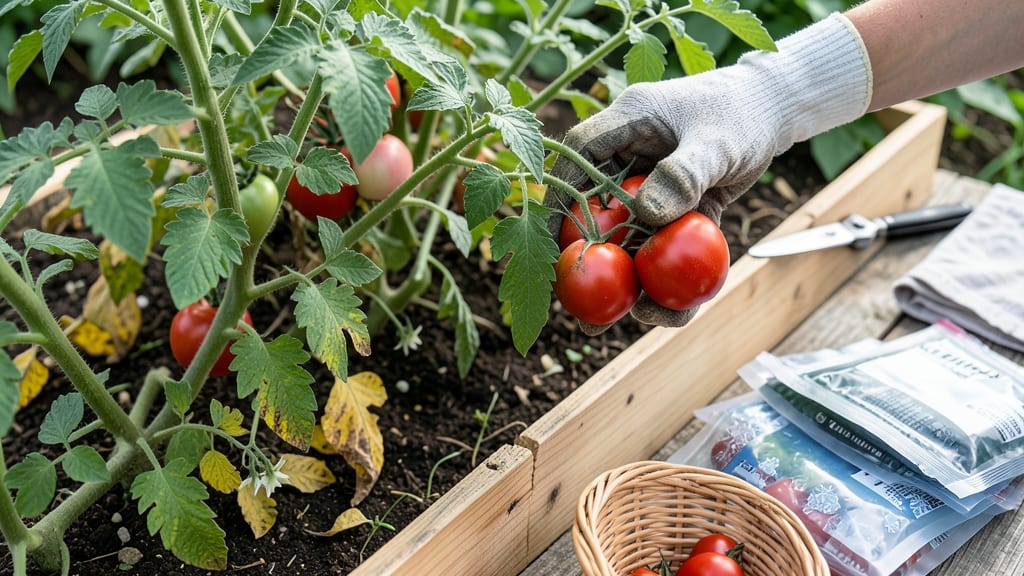
Freezing whole tomatoes whole preserves their summer flavor and texture for winter soups and sauces. 🌱 I learned the hard way that skipping blanching leads to mushy results—this method keeps them firm and delicious for months. The key is quick prep and proper packaging to prevent freezer burn.
You’ll need vine-ripe tomatoes, a pot of boiling water, ice bath, towels, and freezer bags or containers. A sharp knife and a kitchen scale help with even-sized tomatoes. Most importantly, have a sharpie for labeling—trust me, you’ll thank yourself in January.
After blanching for 30 seconds and shocking in ice water, pat them dry completely. Arrange on a tray to freeze solid before transferring to bags. This prevents clumping and makes storage compact. When ready to use, just toss them straight into hot recipes—the skins soften naturally.
Store in the coldest part of your freezer for up to 12 months. Thaw overnight in the fridge before using. The texture changes slightly but works perfectly for sauces, stews, or roasting. Never skip the drying step—moisture leads to ice crystals and spoilage.
📚 In This Guide
- What you need
- Instructions
- Tips and common mistakes
- Wrapping up and next steps
What you need
- ● Fresh tomatoes: 5–10 lbs (adjust based on your needs—heirloom, Roma, or vine-ripened work best!)
- ● Water: Enough to fill a large pot or sink for blanching (about 2–3 gallons).
- ● Ice water bath: A large bowl or clean tub filled with ice and cold water (or a separate sink).
- ● Plastic freezer bags: Heavy-duty, quart-sized (2–4 bags, depending on tomato size and quantity). Tip: Use ziplock-style bags for a tight seal!
- ● Paper towels or clean kitchen towels: For drying tomatoes before freezing.
- ● Permanent marker or masking tape: To label bags with the date and variety (trust us, this saves future you!).
- ○ Optional (but helpful): A colander for draining blanched tomatoes.
- ● Tongs or a slotted spoon for easy handling in hot water.
- ● Vacuum sealer (if you want to extend shelf life even further—💡 pro tip: this removes air and prevents freezer burn!).
- ● Tomatoes should be ripe but firm (avoid overripe or soft ones—they’ll turn mushy!).
- ● Work in a cool, dry space (like a kitchen or garage) to speed up the blanching process.
- ● Have a freezer with space (whole tomatoes take up more room than chopped or sauced versions!).
Step-by-step instructions for freezing whole tomatoes
Here’s my foolproof method for locking in summer flavor—no blenders or canning jars required.
🌱 Step 1: Select and Prep the Tomatoes
Pick tomatoes at their peak ripeness—firm but yielding slightly to gentle pressure. Avoid any with bruises or soft spots, as they’ll turn mushy when frozen. Rinse them under cool water to remove dirt, then pat completely dry with a clean towel. I like to trim the stems off with kitchen shears for a cleaner look, but it’s optional.
For best results, blanch the tomatoes first. Drop them into boiling water for 30-60 seconds—just until the skins start to loosen slightly. Immediately transfer them to an ice bath for 1-2 minutes to halt cooking. This step preserves texture and makes peeling easier later. Drain well on a towel before proceeding.
💧 Step 2: Peel and Pack for Freezing
Once cooled, the skins should slip off easily. Hold a tomato over a bowl and gently squeeze it while rotating—most of the flesh will release in one piece. If a few seeds or pulp remain, just scrape them out with a spoon. I pack the peeled tomatoes into 1-gallon freezer bags, placing 4-5 tomatoes per bag (about what you’d need for one meal).
Leave 1 inch of headspace at the top of the bag—tomatoes expand slightly when frozen. Squeeze out as much air as possible before sealing. Label each bag with the date and variety (if mixing types). Real talk: Skipping the air removal leads to freezer burn and off flavors after a few months.
⏰ Step 3: Freeze and Store Properly
Place the sealed bags flat on a tray in the freezer for 4-6 hours to solidify. This prevents them from sticking together in a clump. Once frozen solid, transfer the bags to a long-term storage spot in your freezer. Whole tomatoes stay good for up to 12 months this way—no need to worry about soggy texture.
When ready to use, thaw overnight in the fridge. The skins will peel off easily after thawing, and the flesh stays firm enough for salads, sauces, or roasting. I like to add them straight to pasta dishes or chop them for salsa—no defrosting required if you’re cooking with them right away.
☀️ Step 4: Thaw and Use (With Flavor Preservation Tips)
For best results, thaw tomatoes in the fridge overnight. The cold slows down enzyme activity that can dull flavors. Once thawed, you can peel them easily by slipping off the skin with your fingers. If you’re short on time, a quick rinse under warm water helps loosen the skin before peeling.
Use thawed tomatoes within 3-5 days for peak quality. They’re perfect for homemade sauces, soups, or even grilling. I often toss them into a skillet with garlic and olive oil for a quick pan sauce—freezing preserves their sweetness surprisingly well.
Tips & tricks for freezing whole tomatoes
Here's what nobody tells you about keeping your tomatoes tasting fresh for months—no soggy surprises here.
Selection is Everything: Look for tomatoes that are vibrant red all the way through, not just on the surface. The deeper the color, the more lycopene (that antioxidant we love) they contain. I've learned the hard way—overripe tomatoes with soft spots turn to mush when frozen, no matter how careful you are with the blanching.
Blanching Precision: That 30-60 second boil isn't a wide window—it's about watching for the skins to just start loosening. Test one tomato first by dipping it in, then immediately shocking it in ice water. If the skin peels easily, you've got the timing right. Too long in boiling water and you'll cook the flesh, making it mealy when thawed.
Packing Strategy: The 1-inch headspace in your freezer bags isn't just about expansion—it's about preventing crushed tomatoes when you go to use them later. I've seen people skip this and end up with a frozen tomato brick that's impossible to separate. Also, use quart-sized bags for 4-5 tomatoes—this portion size works perfectly for most recipes without being too bulky.
Labeling Matters: Write the date on your bags in permanent marker, not just with a pencil that'll fade. I've pulled out bags labeled "summer 2023" only to realize they were from 2022—yes, it happens! Also note the variety if you're mixing types (like Roma and beefsteak), since their textures thaw differently. This helps you remember which ones work best for sauces versus salads.
Pro Tips for Freeze Tomatoes Whole
- Here's what nobody tells you about keeping your tomatoes tasting fresh for months—no soggy surprises here.
- Selection is Everything: Look for tomatoes that are vibrant red all the way through, not just on the surface. The dee...
- Blanching Precision: That 30-60 second boil isn't a wide window—it's about watching for the skins to just start loose...
Frequently asked questions
Got questions about freezing whole tomatoes? You’re not alone—this method takes a little finesse! Here are answers to the most common concerns to help you freeze like a pro.
Can I freeze tomatoes with the stems still on?
Yes, but it’s best to remove stems first. Whole tomatoes with stems can develop mold or off-flavors during freezing. Trim stems close to the fruit before blanching and freezing for cleaner results.
How long can I store frozen whole tomatoes?
Frozen whole tomatoes stay fresh for 8–12 months at 0°F (-18°C) or colder. After that, texture and flavor may degrade. For best quality, use them within 6–9 months.
What’s the best way to thaw frozen whole tomatoes?
Thaw tomatoes in the fridge overnight for even results. Avoid microwaving or room-temperature thawing, as it can soften the fruit too quickly. For cooking, you can use them frozen—just add a few extra minutes to recipes.
Can I freeze cherry or grape tomatoes whole?
Small tomatoes freeze well, but they’ll soften more than larger varieties. Blanch them for 30–45 seconds, then freeze on a tray before bagging. Great for sauces or roasting later!
Why do my frozen tomatoes get mushy when thawed?
Mushiness usually happens from improper blanching or storage. Ensure you blanch tomatoes for the right time (45–60 sec for large, 30 sec for small) and freeze them in a single layer first. Air exposure speeds up freezer burn.
Wrapping up and next steps
Freezing whole tomatoes is a game-changer for preserving their freshness and flavor without sacrificing texture! With just a few simple steps—washing, drying, blanching, and proper packaging—you’ll unlock a year-round supply of tomatoes ready for soups, sauces, or salsas.
Don’t let summer’s harvest go to waste; your future self will thank you!
Now that you’re equipped with the know-how, grab a basket of tomatoes and start freezing. Try experimenting with your favorite recipes—tag us in your creations! 🍅❄️