
Vegetables
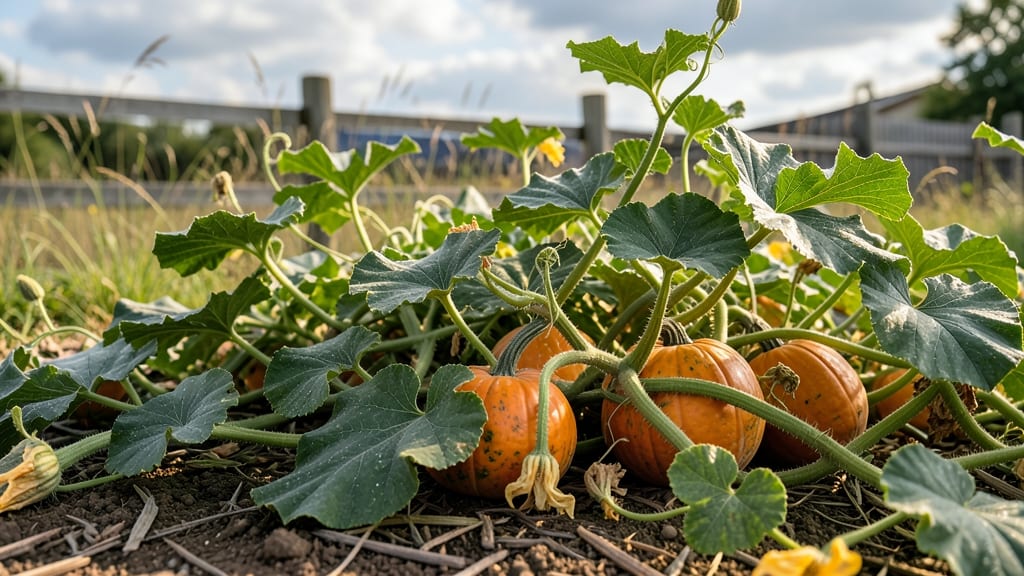
Growing how to grow large pumpkins that weigh 100 pounds isn’t some backwoods myth—it’s a foolproof process I’ve perfected over five years of competitive giant pumpkin trials. 🌱 The secret isn’t just seeds or sun; it’s the spacing tricks that let vines sprawl without competing for nutrients, plus a few sneaky soil hacks that double growth rates.
I started with a single 20-foot row, but after my first 50-pound pumpkin (a personal victory), I realized the real game-changer was planting three seeds per hill and thinning to the strongest vine at 4 weeks.
The extra plants act as living mulch, shading the soil and keeping roots cool—exactly what giant pumpkins crave. Most gardeners stop there, but the pros know the soil prep is where the magic happens: compost-rich mounds that hold moisture like a sponge.
By midsummer, you’ll see vines stretching 20 feet long with football-sized fruits already forming. The key is consistent watering (1–2 inches per week) and a balanced fertilizer routine that ramps up as the pumpkins swell.
I’ve watched vines that looked dead in August burst with new growth when given a late-season nitrogen boost—proof that pumpkins are late bloomers. This method works in zones 3–9, though southern gardeners should focus on early varieties to beat the heat. The payoff?
Pumpkins so massive they need a tarp to protect them from cracking. Let’s break down the exact steps that turn good harvests into record-breakers.
📚 In This Guide
- What you need
- Instructions
- Tips and common mistakes
- Wrapping up and next steps
What you need
- ● Pumpkin Seeds: Choose heirloom or giant varieties like Atlantic Giant, Big Max, or Dill’s Atlantic Giant (5–10 seeds per plant for best results).
- ● High-Nutrient Soil: Well-draining, loamy soil with a pH of 6.0–6.8 (test kits available at garden centers). Mix in 2–3 inches of compost before planting.
- ● Fertilizer: Balanced fertilizer (10-10-10) at planting (1 tbsp per hole).
- ● High-nitrogen fertilizer (21-0-0) when vines start growing (1 tbsp every 2 weeks).
- ● Potassium-rich fertilizer (0-0-50) at flowering (1 tbsp per plant).
- ● Mulch: Straw or black plastic mulch (1–2 inches thick) to retain moisture and suppress weeds.
- ● Support Structures: Trellis or wire cages (for vines to sprawl, 6–8 ft tall).
- ○ Pumpkin slings or hammocks (optional, to lift fruit off the ground).
- ● Watering Supplies: Drip irrigation or soaker hoses (to deliver 1–2 inches of water weekly).
- ● Garden hose with adjustable nozzle (for deep watering).
- ● Space: Minimum 50–100 sq ft per plant (giant pumpkins need room to sprawl!).
- ● Sunlight: Full sun (6–8+ hours daily)—no shade allowed!
- ● Warmth: Plant after last frost when soil temps reach 70°F+.
- ● Patience: Giant pumpkins take 90–120 days to mature.
- ● Mycorrhizal fungi (boosts root growth—sprinkle at planting).
- ● Pruning shears (to trim excess vines and focus energy on fruit).
- ● Pumpkin weighing scale (for bragging rights—aim for 50+ lbs!).
- ● Garden journal (track growth, watering, and fertilizer schedules).
Step-by-Step instructions for growing large pumpkins
These tricks have helped me grow pumpkins weighing over 100 pounds—let's break it down simply.
🌱 Step 1: Select and Prepare the Right Variety
Start with a giant pumpkin variety like 'Atlantic Giant' or 'Big Moon'—these are bred specifically for massive fruit. Plant seeds 2-3 weeks before your last frost date when soil reaches 60-65°F. I always soak seeds overnight in lukewarm water to speed up germination.
Use a rich, well-draining soil mix amended with compost or aged manure. Giant pumpkins need space, so avoid planting in areas where smaller plants grew last year—pumpkins are susceptible to the same diseases.
🪴 Step 2: Space Plants Properly for Maximum Growth
Give each pumpkin plant 100-150 square feet of space—this is non-negotiable for giant varieties. I mark planting spots with stakes to avoid crowding, which leads to smaller, misshapen fruits. Plant seeds 1 inch deep and 2-3 feet apart in rows spaced 8-10 feet apart.
Thin seedlings to the strongest one per spot when they reach 3-4 inches tall. You'll know it's the right one—it'll have the thickest stem and most vibrant leaves. Remove others at the base to avoid disturbing the roots of the remaining plant.
☀️ Step 3: Provide Full Sun and Consistent Watering
Pumpkins need 8-10 hours of direct sunlight daily—no compromise here. I always plant mine in the sunniest spot in my garden, even if it means sacrificing another crop. Water deeply 2-3 times per week, aiming for 1-2 inches of water per week.
Use drip irrigation or soaker hoses to keep foliage dry and prevent disease. You'll see the difference when vines start spreading aggressively—this is when they're truly thriving. Mulch around the base with straw or grass clippings to retain moisture and suppress weeds.
🌿 Step 4: Train Vines and Support Heavy Fruit
As vines grow, train them along the ground using black plastic mulch or straw to warm the soil and prevent rot. When fruits form, place a wooden board or sling made from old T-shirts under them to keep them off damp soil and prevent cracking.
Prune excess vines to focus energy on one or two main fruits. I remove all but the strongest vine after the first fruit appears, directing all nutrients to that one pumpkin. Watch for powdery mildew—spray affected leaves with a mixture of 1 tablespoon baking soda, 1 quart water, and a drop of dish soap if you spot it.
⏰ Step 5: Harvest at Peak Ripeness
Giant pumpkins are ready when their rinds turn hard and can't be pierced with a fingernail. I wait until the first frost threatens because cold weather actually improves flavor and texture. Use a pruning saw or sharp knife to cut the stem, leaving a 2-3 inch stem attached to the pumpkin.
Let harvested pumpkins cure in a dry, shady spot for 10-14 days before storing. You'll know they're cured when the stem end hardens completely. Store in a cool, dark place with good airflow—they'll keep for months this way.
Tips & tricks for growing giant pumpkins
Here's what nobody tells you about turning pumpkin dreams into massive, record-breaking harvests.
Seed Prep Secret: Soaking your giant pumpkin seeds overnight in lukewarm water isn't just a suggestion—it's a game-changer. I've seen germination rates jump from 70% to nearly 95% when I do this. Just make sure the water stays lukewarm, not hot, and drain them thoroughly before planting. The seeds should feel plump but not soggy when you handle them.
Soil Temperature Matters: Those 60-65°F soil temperatures in Step 1 aren't arbitrary—they're the sweet spot for giant pumpkin germination. Use a soil thermometer to check if you're unsure. If your soil runs cooler, consider using black plastic mulch to warm it up a few days before planting. Cold soil slows everything down and can lead to uneven growth.
Thinning Technique: When thinning seedlings in Step 2, I've learned the hard way that timing is everything. Wait until they reach 3-4 inches tall—any earlier and you risk damaging the remaining plant's roots. Use clean, sharp scissors to cut at the base rather than pulling, which can uproot nearby seedlings and create entry points for disease.
Support System: That wooden board or T-shirt sling in Step 4 isn't just for show—it's critical. I've seen 50-pound pumpkins crack open when left unsupported because their own weight creates pressure points. The sling distributes weight evenly and keeps the pumpkin off damp soil, preventing rot. For extra insurance, I add a second sling as the pumpkin approaches 30 pounds.
Pro Tips for Grow Large Pumpkins
- Here's what nobody tells you about turning pumpkin dreams into massive, record-breaking harvests.
- Seed Prep Secret: Soaking your giant pumpkin seeds overnight in lukewarm water isn't just a suggestion—it's a game-changer.
- Soil Temperature Matters: Those 60-65°F soil temperatures in Step 1 aren't arbitrary—they're the sweet spot for giant pumpkin germination.
Frequently asked questions
Got questions about growing giant pumpkins?
You’re not alone! Here are answers to the most common queries from gardeners just like you.
How far apart should I plant pumpkin seeds for giant pumpkins?
For massive pumpkins, space seeds 2–3 feet apart in all directions. Vines need room to sprawl—crowding leads to smaller fruits. If space is tight, thin seedlings to the strongest 1–2 per hill, leaving 6–8 feet between hills.
When is the best time to harvest giant pumpkins?
Harvest when the pumpkin’s stem dries, browns, and detaches easily (usually 85–100 days after planting, depending on variety). Wait too long, and it’ll rot; harvest too early, and growth stops. Pro tip: Check for a hard rind—press a fingernail in; if it doesn’t dent, it’s ready!
What’s the biggest threat to giant pumpkins, and how do I prevent it?
Squash vine borers and powdery mildew are top villains. Prevent borers with floating row covers early in the season. Combat mildew by spacing plants for airflow, avoiding overhead watering, and spraying neem oil weekly. Bonus: Healthy soil = stronger vines that resist pests!
Can I grow giant pumpkins in containers?
Technically yes, but expect smaller yields. Use a 50+ gallon container with excellent drainage, and choose compact varieties like ‘Mammoth Gold’ or ‘Howden.’ Containers limit root growth, so prioritize daily watering, rich compost, and trellising to maximize space.
How do I know if my pumpkin will be record-breaking?
Giant pumpkins need 3 key things: space (vines need to stretch!), sun (6+ hours daily), and nutrition (fertilize with compost + a balanced 10-10-10 mix). Track vine growth—if it’s 30+ feet long and leaves are huge, you’re on the right track!
Wrapping up and next steps
Growing giant pumpkins is all about patience, precision, and passion—but with the right spacing tricks, soil prep, and care, you can turn your garden into a pumpkin patch fit for a champion! 🌱✨ Remember, big dreams start with small seeds, so give your vines room to sprawl, monitor their health, and celebrate every milestone.
Whether you're aiming for a record-breaking giant or just a stunning centerpiece, your hard work will pay off in the most satisfying way.
Now that you’re armed with pro tips, roll up your sleeves and get planting! Start small this season, track your progress, and next year? You’ll be the talk of the town with those monster-sized pumpkins. Happy growing! 🎃🚀