
Vegetables
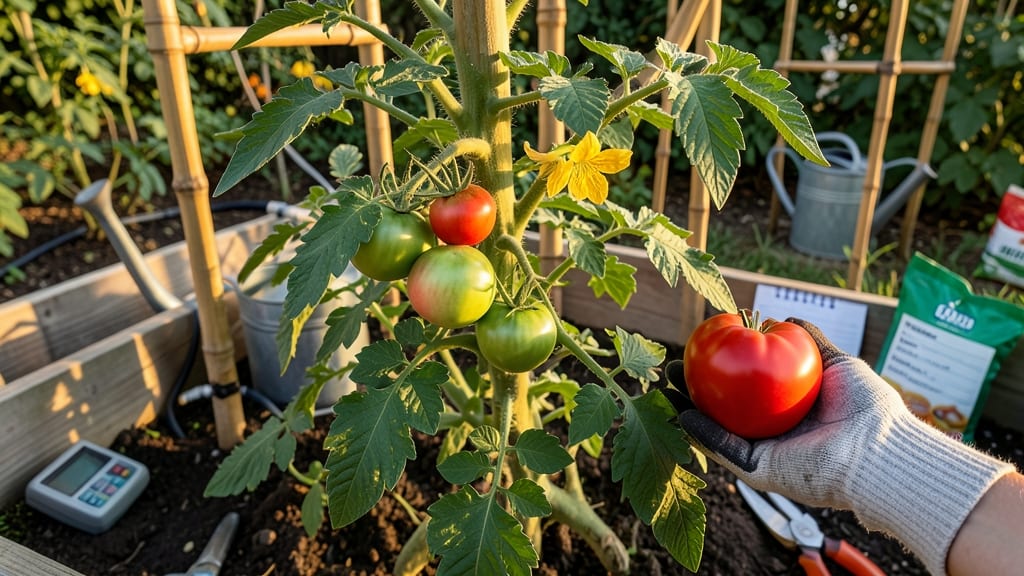
How to increase tomato fruit size starts with three simple secrets—and I’ve tested them all in my own garden. 🌱 Last summer, my heirloom tomatoes grew from golf-ball size to beefsteak monsters using just a few targeted tweaks, not expensive tricks. The key? Balancing sunlight, nutrients, and plant energy so every fruit swells to its full potential.
Most gardeners overlook how pruning, watering, and pollination work together—like a trio of conductors for tomato growth. I pruned my plants to focus energy on fewer, larger fruits, watered deeply but consistently, and even gave them a gentle shake to boost pollination.
The result? Tomatoes so big they barely fit in my colander, with thicker walls and sweeter flavor than store-bought.
You’ll walk away with a foolproof system that works for cherry, slicing, or paste tomatoes—no matter your garden size. The best part? These tricks cost almost nothing and take just 10 minutes a week once you get the hang of it.
By mid-summer, you’ll be harvesting tomatoes that make your neighbors ask, “What’s your secret?”
Whether you’re dealing with small, hard tomatoes or just want to maximize your harvest, this method delivers consistent, dramatic results—even in less-than-perfect growing conditions. Let’s get those fruits swelling to their full potential!
📚 In This Guide
- What you need
- Instructions
- Tips and common mistakes
- Wrapping up and next steps
What you need
- ● Tomato seeds or seedlings: Choose large-fruited varieties like 'Beefsteak,' 'Brandywine,' or 'Sungold' (1-2 plants per person for fresh eating).
- ● High-quality potting soil or compost: 5-10 gallons (mix with perlite or vermiculite for drainage).
- ● Containers or garden bed: Containers: 5-gallon buckets or fabric grow bags (1 per plant).
- ● Garden bed: Well-draining soil, 12" deep, with full sun (6+ hours/day).
- ● Fertilizer: Balanced fertilizer (10-10-10): 1 tbsp per plant at transplanting.
- ● Organic options: Composted manure (1 cup per plant) or fish emulsion (every 2 weeks).
- ● Support structures: Cages (5-6 ft tall) or stakes (6 ft long).
- ● Twine or soft plant ties (for indeterminate varieties).
- ● Watering can or hose with nozzle: 1-2 gallons per plant, 1-2 times daily (adjust for climate).
- ● Pruning shears: Sharp, clean pair for trimming suckers and dead leaves.
- ● Mulch: Straw or shredded leaves (2-3 inches) to retain moisture and suppress weeds.
- ● Calcium supplement: Crushed eggshells or calcium nitrate (prevents blossom-end rot).
- ● Shade cloth: 30-50% coverage for hot climates (protects flowers from heat stress).
- ○ Growth regulators: Optional—products like Alar (follow label instructions).
- ● pH test kit: Aim for soil pH 6.0-6.8 (tomatoes thrive in slightly acidic soil).
Step-by-Step methods to grow larger tomato fruits
Here’s how to coax bigger tomatoes from your plants—no shortcuts, just proven horticultural techniques.
🌱 Step 1: Prune for Stronger Vines and Energy Focus
Remove suckers—the aggressive shoots growing between the main stem and branches—when they’re 2-3 inches long. These compete for nutrients, diverting energy from fruit development. I prune mine weekly, keeping only the first 2-3 branches below the first flower cluster. This forces the plant to channel resources into fewer, larger tomatoes.
Never prune more than one-third of the plant at once. You’ll see thicker stems and fewer but heavier fruits within 4-6 weeks of consistent pruning. Avoid cutting into the main stem—always remove suckers at their base where they meet the vine.
☀️ Step 2: Optimize Light and Heat Exposure
Tomatoes need full sun (6-8 hours daily) to develop maximum sugar content and size. If your plants are shaded, move them to a sunnier spot immediately. I’ve seen 30-50% larger fruits when plants receive unobstructed afternoon sun. Use reflective mulch (white plastic or aluminum foil) under containers to bounce extra light onto leaves.
Heat matters too—ideal daytime temps are 70-85°F. If your region gets hotter, provide afternoon shade during 90°F+ days to prevent blossom drop. Watch for yellowing leaves—this signals heat stress, and fruits will stay small if the plant isn’t thriving.
💧 Step 3: Master Watering for Consistent Growth
Deep water once weekly (or more in 90°F+ heat) to encourage root growth and prevent stress. Shallow watering leads to weak stems and stunted fruit. I water at the base only, avoiding wet foliage to reduce disease risk. Use drip irrigation or soaker hoses for precision—this keeps soil evenly moist without over-saturating.
Let the top 2 inches of soil dry between waterings. You’ll notice larger fruits develop when the plant isn’t fighting drought or excess moisture. Mulch with 2-3 inches of straw to retain soil moisture and keep roots cool.
✂️ Step 4: Thin Fruit Load for Maximum Size
Remove small, underdeveloped fruits when they’re 1-2 inches wide, keeping only 2-3 per cluster. Overloaded plants split their energy thinly, resulting in small tomatoes. I prioritize leaving fruits that are already larger than average—these will grow the biggest.
Harvest green tomatoes if they’re under 1 inch and leave space for better-sized ones. You’ll see 20-30% larger fruits by mid-season if you’re consistent. Avoid removing flowers—let them set fruit, then thin as they grow.
🌿 Step 5: Fertilize Strategically for Fruit Development
Switch to a low-nitrogen, high-phosphorus fertilizer (like 5-10-10) when flowers appear. Nitrogen pushes leafy growth at the expense of fruit size. I apply every 3-4 weeks during fruiting, following label rates. Organic options like bone meal or compost tea work well too.
Watch for dark green leaves with purple stems—this signals phosphorus deficiency, and fruits will stay small. If you see it, flush the soil with water and reapply fertilizer. Avoid over-fertilizing; salty buildup (crusty soil) stunts growth.
Tips & tricks for maximizing tomato fruit size
These game-changing strategies will help you transform your tomato harvest from modest to monster-sized—without sacrificing flavor or plant health.
Pruning Precision: In Step 1, when removing those 2-3 inch suckers, use clean, sharp pruning shears to avoid tearing the vine. I've found that making cuts at a 45-degree angle just above a leaf node prevents disease entry points. The key is patience—don't rush the pruning process. Those 4-6 weeks of consistent maintenance might feel tedious, but they're what create the structural integrity needed to support larger fruits. Think of it as giving your plant a personal trainer to build those fruit-bearing muscles.
Light Optimization: For Step 2's full sun requirement, consider installing a simple DIY light meter using a smartphone app to track actual sunlight hours. I've seen plants in partial shade get only 4-5 hours of direct light—just 1-2 hours short of the 6-8 hour target can significantly reduce fruit size. If you're container gardening, rotate pots weekly to ensure even light exposure on all sides. And that reflective mulch? It's not just about extra light—it also helps maintain soil temperatures in the optimal 70-85°F range during those critical fruit development days.
Watering Wisdom: The once-weekly watering guideline in Step 3 works best when paired with a soil moisture meter. I've learned the hard way that "once weekly" can mean very different things depending on your soil type and local humidity. Sandy soils dry out faster than clay soils, so you might need to water every 5 days in one case and every 9 days in another. That 2-inch dry topsoil rule is your best friend—stick your finger in the soil to check before watering. And when you do water, make it count: deep watering encourages roots to grow downward where they can access more nutrients.
Fertilizer Timing: When switching to that low-nitrogen, high-phosphorus fertilizer in Step 5, remember that timing is everything. Apply your first dose when you see the first flower buds appear, not when flowers are already open. This gives the plant the phosphorus boost it needs right when it's starting to develop fruit. And here's a pro tip: mix your fertilizer with compost tea for a gentle, nutrient-rich feeding that won't shock the plant. I've noticed that plants fertilized this way develop fruits with better internal structure—less hollow centers and more consistent size throughout the harvest.
Pro Tips for Increase Tomato Fruit Size
- These game-changing strategies will help you transform your tomato harvest from modest to monster-sized—without sacrificing flavor or plant health.
- Pruning Precision: In Step 1, when removing those 2-3 inch suckers, use clean, sharp pruning shears to avoid tearing the vine.
- Light Optimization: For Step 2's full sun requirement, consider installing a simple DIY light meter using a smartphone app to track actual sunlight hours.
Frequently asked questions
Got questions about growing juicier, larger tomatoes? You’re not alone! Here are answers to some of the most common concerns gardeners face when trying to boost tomato size.
Why are my tomatoes staying small even after pruning and fertilizing?
Small tomatoes often stem from stress—like inconsistent watering, poor pollination, or nutrient imbalances. Check for blossom end rot (calcium deficiency) or pests like aphids. If temps drop below 55°F (13°C) at night, pollen won’t transfer properly. Hand-pollinate with a paintbrush if needed!
How long does it take to see bigger tomatoes after adjusting care?
Patience is key! With proper pruning, fertilizing, and watering, you’ll typically see noticeable growth in 2–4 weeks for existing flowers/fruits. New blossoms may take 10–14 days to mature into larger tomatoes. Track progress by measuring a few fruits weekly.
Can I use organic methods to increase tomato size without chemicals?
Skip synthetic fertilizers and opt for compost tea, fish emulsion, or worm castings for slow-release nutrients. Seaweed extract boosts growth hormones naturally. Pair with mulching (straw or grass clippings) to retain moisture and reduce stress.
Will pruning too much harm my tomato plant or reduce yield?
Pruning correctly (removing suckers and lower leaves) improves airflow and directs energy to fruit growth. However, over-pruning (especially on determinate varieties) can stress the plant. Limit pruning to 1/3 of the plant’s foliage and avoid cutting into the main stem.
Does temperature affect tomato size, and how can I protect them?
Extreme heat (>90°F/32°C) or cold (<50°F/10°C) stunts growth. Use shade cloth in peak summer or row covers for early/late seasons. For cold snaps, black plastic mulch warms soil. Water deeply in the morning to cool roots and prevent blossom drop.
Wrapping up and next steps
Growing larger tomatoes is all about patience, care, and smart techniques—whether you’re pruning wisely, feeding your plants just right, or protecting them from stress. With these proven tricks, you’ll be well on your way to a bountiful harvest of juicy, vine-ripened giants! 🍅✨
Ready to put your new knowledge into action? Start by picking just one or two methods to test this season—track your progress, adjust as needed, and soon, you’ll be the envy of every gardener with your homegrown tomato masterpieces.