
Vegetables
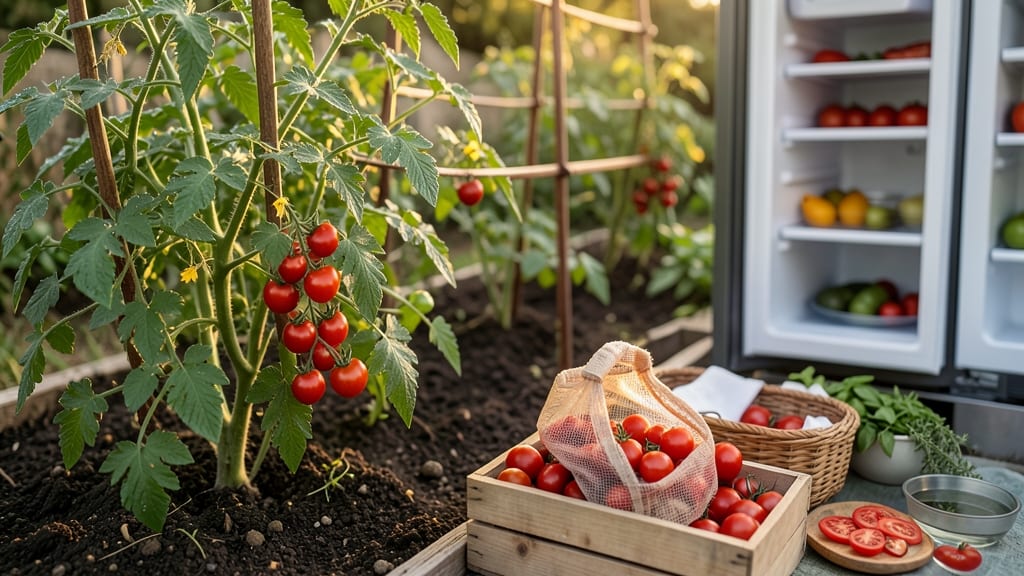
How to keep cherry tomatoes fresh longer—they ripen faster than you can eat them, then spoil before you get to enjoy them. 🌱 The secret to keeping them fresh isn't complicated: it's about controlling temperature, humidity, and handling them right from the vine. I've lost count of how many perfect tomatoes turned mealy in my fridge, but these tricks have cut spoilage in half every season.
Start by storing them at room temperature until fully ripe—never refrigerate unripe tomatoes. Once ripe, place them in a paper bag in the fridge (yes, really) to slow moisture loss and keep ethylene gas trapped.
A single layer on a shelf works better than cramming them together, and a wooden crate or breathable container helps maintain airflow.
You'll notice the difference immediately: tomatoes stay firm, sweet, and vibrant for 2-3 weeks instead of turning mushy in days. The skin stays glossy, the flavor stays bright, and you'll actually eat them all before they spoil. No more sad, wrinkled tomatoes at the bottom of the produce drawer.
This method works for heirlooms, hybrids, and even those odd-shaped ones that never make it to the market. The key is consistency—handle them gently, avoid washing until ready to eat, and check them weekly. Your taste buds (and your wallet) will thank you.
📚 In This Guide
- What you need
- Instructions
- Tips and common mistakes
- Wrapping up and next steps
What you need
- ● Cherry tomatoes: 1 pint (about 200–300g) – the star of the show! 🍅
- ● Paper towels: 2–3 sheets – for gentle drying and moisture control.
- ● Plastic produce bags: 1–2 (resealable, 1–2 quart size) – for ventilation and humidity balance.
- ● Small breathable container: 1 (e.g., a colander, mesh bag, or perforated plastic box) – to promote airflow.
- ○ Paper or silicone cupcake liners: 1–2 (optional but helpful for single-tomato storage).
- ● Food-grade silica gel packets: 1–2 (for absorbing excess moisture in sealed bags).
- ● Vacuum sealer: 1 (if you’re a prepper—great for long-term storage!).
- ● Refrigerator-safe glass jars: 1–2 (with lids, for dry storage).
- ● Aluminum foil or parchment paper: Small sheet – for wrapping individual tomatoes.
- ● Humidity-controlled produce drawer: Built-in or DIY (e.g., a tray with a damp towel).
Step-by-step instructions for storing cherry tomatoes to extend freshness
Here's how I keep my cherry tomatoes crisp and vibrant for weeks—not just days—using simple science-backed tricks.
🌱 Step 1: Harvest at the Right Ripeness Stage
Pick your cherry tomatoes when they're fully colored but still slightly firm to the touch. Overripe fruit (soft, wrinkled skin) spoils fast, while underripe tomatoes (pale or green) won't ripen properly in storage. The ideal moment is when they're 75-85% ripe—bright color with just a hint of give when gently squeezed.
Harvest in the morning when temperatures are coolest. Use sharp scissors or pruners to avoid damaging the stems, which can introduce rot-causing bacteria. I always place harvested tomatoes in a single layer on a paper towel-lined tray to air-dry for 10-15 minutes before storing—this removes surface moisture that speeds up spoilage.
💧 Step 2: Store in a Controlled Environment
Never refrigerate cherry tomatoes whole—the cold turns their flesh mealy and dulls their sweetness. Instead, store them at room temperature (60-65°F) in a paper bag with a few apple slices. The apples release ethylene gas, which gently ripens any underripe tomatoes while the bag traps just enough moisture to slow drying.
If you have overripe tomatoes, remove them immediately to prevent spoilage from spreading. For maximum freshness, I keep my stored tomatoes in a well-ventilated spot away from direct sunlight. A pantry shelf or countertop near the kitchen works perfectly—just avoid areas with fluctuating temperatures like near ovens or windows.
☀️ Step 3: Preserve Whole Tomatoes for Up to 2 Weeks
For the longest shelf life, store whole cherry tomatoes in a single layer on a wire rack or in a colander. This prevents them from touching each other, which reduces rot spread. Place the rack in a shallow container lined with paper towels to absorb any condensation that forms during storage.
Check your tomatoes every 3-4 days and remove any that show signs of softening or mold. The key is airflow—without it, moisture builds up and speeds up decay. If you notice any tomatoes developing a white powdery coating (mold), discard them immediately and clean the storage area with a 10% vinegar solution to prevent contamination.
✂️ Step 4: Cut or Sliced? Store Differently
If you need to slice your cherry tomatoes, do so just before serving. For any leftovers, sprinkle slices with 1 teaspoon of lemon juice or vinegar to slow oxidation and browning. Store them in an airtight container with a paper towel to absorb excess moisture, and refrigerate for up to 3-4 days.
For halved tomatoes, place them cut-side down in a container lined with a paper towel. The cut surface releases moisture, so pat each half dry before storing. I've found that adding a dry ice pack (the kind used in lunch boxes) to the container keeps them crisp for an extra day or two without refrigeration.
🪴 Step 5: Revive Wilted Tomatoes Quickly
If your tomatoes lose their crispness but aren't yet spoiled, submerge them in ice water for 10-15 minutes. The cold shock firms up the flesh and revives their texture. Pat them dry thoroughly afterward and store them in a paper bag with a slice of bread (the bread absorbs excess moisture while adding a touch of ethylene).
For tomatoes that are past their prime but not moldy, use them in cooking where texture doesn't matter—sauces, salsas, or blended soups. I always keep a small bowl of these "rescue tomatoes" on my counter for last-minute flavor boosts. The key is acting fast—once they start to soften, the clock is ticking.
Tips & tricks for perfect cherry tomato storage
These science-backed strategies will help you extend your cherry tomatoes' freshness beyond the usual shelf life—no fancy equipment required.
Harvest Timing: Morning is the absolute best time to harvest your tomatoes, as cooler temperatures slow down the natural breakdown of cells that leads to spoilage. I always aim for that sweet spot of 75-85% ripeness—bright color with just a slight give when pressed. The 10-15 minute air-drying step after harvest is non-negotiable; it removes surface moisture that would otherwise create the perfect breeding ground for mold and bacteria. Trust me on this: skipping this step cuts your storage time in half.
Ethylene Gas Hack: The apple slices in your paper bag aren't just for show—they release ethylene gas, which gently ripens any underripe tomatoes while slowing down the aging process of the ripe ones. This creates a balanced environment where your tomatoes stay fresh longer. I like to use a red apple for its higher ethylene production, but any apple variety works. Just make sure the bag isn't completely sealed—you need that airflow to prevent condensation buildup.
Storage Container Strategy: That single layer on a wire rack or colander isn't just about organization—it's about preventing rot spread. When tomatoes touch each other, their natural juices create moisture that accelerates spoilage. The paper towels in your container serve a dual purpose: absorbing condensation while providing a gentle cushion that prevents bruising. I've found that using a shallow container with low sides works best—it allows for better airflow while keeping the tomatoes contained.
Mold Prevention Protocol: When you spot that first white powdery coating (mold), act immediately. Discard the affected tomato and clean your storage area with a 10% vinegar solution—this kills any remaining spores before they can spread. I keep a small spray bottle of vinegar water in my pantry specifically for this purpose. The key is vigilance: check your tomatoes every 3-4 days and remove any that show signs of softening. This might seem like overkill, but it's what separates weeks of freshness from just a few days.
Pro Tips for Keep Cherry Tomatoes Fresh Longer
- These science-backed strategies will help you extend your cherry tomatoes' freshness beyond the usual shelf life—no fancy equipment required.
- Harvest Timing: Morning is the absolute best time to harvest your tomatoes, as cooler temperatures slow down the natural breakdown of cells that leads to spoilage.
- Ethylene Gas Hack: The apple slices in your paper bag aren't just for show—they release ethylene gas, which gently ripens any underripe tomatoes while slowing down the aging process of the ripe ones.
Frequently asked questions
Got lingering questions about keeping your cherry tomatoes fresh? You’re not alone! Here are some of the most common concerns—and their science-backed solutions.
Can I store cherry tomatoes in the fridge?
While refrigeration stops ripening, it can turn cherry tomatoes mealy and lose flavor. Only refrigerate them if they’re already ripe or damaged. For best results, keep them at room temperature until fully ripe, then store in the fridge for up to 5 days.
How long do cherry tomatoes last at room temperature?
Unwashed, uncut cherry tomatoes last 5–7 days on the counter. Place them in a paper bag or a breathable container to slow spoilage. If they’re already ripe, eat them within 3–4 days to avoid overripening.
What’s the best way to revive soft or wrinkled cherry tomatoes?
If your tomatoes are slightly soft, place them in a bowl of ice water for 10–15 minutes. This can help restore firmness. For wrinkled skin, mist them lightly with water and store in a sealed container with a paper towel to absorb excess moisture.
Can I freeze cherry tomatoes for later use?
Yes! Wash, dry, and blanch them in boiling water for 30 seconds before freezing. Store in airtight containers or bags for up to 6 months. Avoid freezing whole tomatoes if you plan to eat them raw—they’ll turn mushy.
Why do my cherry tomatoes spoil faster than regular tomatoes?
Cherry tomatoes have thinner skins and higher water content, making them more prone to dehydration and mold. Store them stem-side down in a single layer (not stacked) to prevent crushing and speed up air circulation.
Wrapping up and next steps
Keeping cherry tomatoes fresh longer is all about smart storage and a little prep work—no magic required! With these science-backed tricks, you’ll seriously cut down on waste and enjoy juicy, flavorful tomatoes for days.
Whether you’re storing them in the fridge, wrapping them in paper towels, or freezing them for later, small tweaks make a huge difference. 🌱
Now that you’re armed with the know-how, give it a try! Start with the method that fits your routine—whether you’re a fridge fan or a countertop keeper—and watch your tomatoes stay fresher, longer. Happy harvesting—and happy eating! 🍅✨