
Vegetables
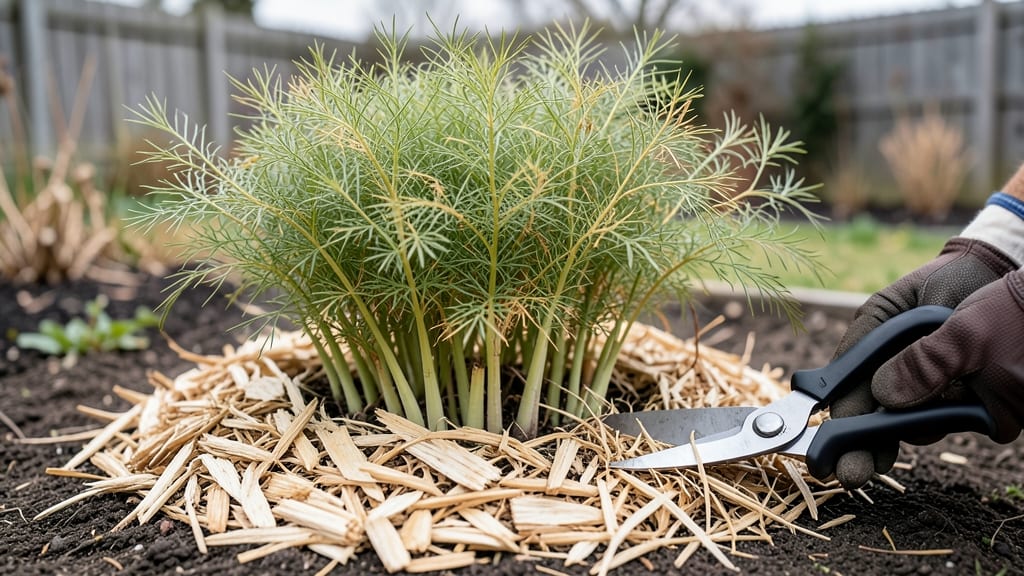
Preparing asparagus for winter means doubling next year's harvest—and it starts with a single cut. ✂️ My first asparagus bed nearly died after I ignored winter prep, but now I get three weeks of spears every spring because I follow these steps.
First, cut back all foliage to 2 inches above the ground after the first hard frost. This prevents disease and lets the crown rest. For first-year plants, skip cutting—just let the ferns die back naturally.
Established beds need 4-6 inches of straw or wood chips mulched around the crown to insulate roots through freezing temps. By spring, you’ll see bright green shoots pushing through soil that’s protected and fed. The mulch also suppresses weeds, so you’ll spend less time prepping beds in early spring.
Just remember: never mulch too early—wait until temps drop below 32°F. This method works for perennial asparagus in zones 3-8, whether you’re a first-timer or a seasoned grower. The key is timing: too early, and you’ll smother new growth; too late, and frost damage sets in.
Get it right, and you’ll have spears for decades.
📚 In This Guide
- What you need
- Instructions
- Tips and common mistakes
- Wrapping up and next steps
What you need
- ● Fresh asparagus spears: 1–2 lbs (about 1–2 bunches, depending on thickness). Choose firm, vibrant green (or purple) stalks with tight tips—no woody or rubbery spears!
- ● Sharp kitchen knife or garden shears: A 10-inch chef’s knife or pruning shears (for thicker stalks) works best. Why? Clean cuts prevent bruising.
- ● Large mixing bowl or colander: A stainless-steel or food-grade plastic bowl (10–12 cups capacity) to hold spears during prep.
- ● Paper towels or clean kitchen towels: A 2-pack of high-absorbency towels (like Bounty or Viva) to pat spears dry.
- ● Freezer bags or airtight containers: Option 1: 4–6 quart-sized freezer bags (Ziploc or similar). Pro tip: Use vacuum-seal bags for longer shelf life!
- ● Option 2: 2–3 airtight glass or BPA-free plastic containers (with snap lids, like Rubbermaid). Note: Leave 1-inch headspace for expansion.
- ○ Liquid (optional but recommended): Water: 1–2 cups (for blanching, if using this method).
- ● Olive oil or water: 1 tbsp per bag (to prevent freezer burn).
- ● Vacuum sealer machine: Extends storage life to up to 18 months (vs. 8–12 months with standard freezing).
- ● Labeling supplies: Masking tape + marker or printable freezer labels to note dates (trust us, you’ll thank yourself later!).
- ● Glove or towel: For handling ice-cold asparagus—your fingers will thank you! ❄️
- ● Timer: A 5-minute countdown for blanching (if applicable).
Step-by-step instructions for preparing asparagus for winter storage
Here’s the simple, foolproof method I use every year to preserve asparagus—no fancy equipment needed.
🌿 Step 1: Harvest at Peak Ripeness
Pick asparagus spears when they reach 8-12 inches tall and still feel firm to the touch. The tips should be tightly closed—if they’ve started to open, they’re past their prime. Cut spears at the base with clean shears or a sharp knife, leaving about ½ inch of stem attached. This prevents the cut ends from drying out too quickly.
Harvest in the morning after dew has dried but before the sun gets too intense. You’ll see the brightest green spears with crisp, snappy stalks—those are the ones to pick. Avoid harvesting after a hard frost, as the cold dulls flavor and texture.
💧 Step 2: Clean and Trim for Storage
Rinse spears under cool water to remove dirt, but don’t soak them—they’ll absorb too much moisture. Pat dry immediately with a clean towel or paper towels. Trim off the woody, tough bottom 2-3 inches of each spear. You’ll notice the lower stems feel fibrous and pale; these parts won’t store well.
Bundle spears together in small groups of 4-5 spears each, tying them loosely at the base with rubber bands or twine. This keeps them upright and prevents bruising. Store them upright in a container—never lay them flat, as this causes bending and spoilage.
❄️ Step 3: Choose Your Storage Method
For short-term storage (up to 2 weeks), place the bundled spears in a plastic bag with a paper towel to absorb excess moisture. Store in the crisper drawer of your refrigerator at 32-35°F. Check weekly and remove any spears that soften or develop mold.
For long-term freezing (up to 12 months), blanch spears first. Boil a pot of water and prepare an ice bath. Drop spears into boiling water for 2-3 minutes, then immediately transfer them to the ice bath to stop cooking. Drain well, pat dry, and package in freezer-safe bags or containers, removing as much air as possible. Label with the date—frozen asparagus stays best for 9-12 months.
⏰ Step 4: Thaw and Use Properly
When ready to use frozen asparagus, thaw overnight in the refrigerator. Never microwave frozen spears directly—they’ll turn mushy. Once thawed, use within 3-4 days for best texture. For fresh-stored spears, use within 10-14 days for peak flavor and crunch.
Cook thawed or fresh spears gently—steaming or sautéing preserves texture better than boiling. You’ll notice the bright green color and crisp bite remain closest to fresh when handled this way. Avoid refreezing thawed asparagus, as it degrades quality rapidly.
Tips & tricks for perfect winter asparagus preservation
Here's what I've learned after years of saving asparagus—these little details make all the difference between good and great storage results.
Harvest Timing: The morning after dew has dried is truly the sweet spot for harvesting. I've ruined batches by picking too late in the day when the spears start to wilt—even just an hour difference can make them limp and less flavorful. Harvesting at this precise time ensures your spears stay crisp and vibrant throughout storage.
Blanching Precision: That 2-3 minutes in boiling water is critical for freezing success. I use a timer and watch the spears closely—they should look bright green but still retain their firmness. Over-blanching turns them mushy, while under-blanching leaves them too tough. A quick ice bath immediately after stops all cooking and locks in that perfect texture.
Bundling Technique: The 4-5 spear bundles are more than just organization—they're about airflow. I tie them loosely so air can circulate around each spear, preventing moisture buildup that causes spoilage. Tight bundles trap humidity and lead to moldy spears, no matter how cold your freezer is.
Freezer Packaging: Remove as much air as possible when packaging for freezing—this prevents freezer burn and maintains quality for the full 12 months. I use vacuum-sealed bags or squeeze out air from regular freezer bags before sealing. Labeling with the date is a must, as frozen asparagus stays best quality for 9-12 months, but flavor does degrade over time.
Pro Tips for Prepare Asparagus For Winter
- Here's what I've learned after years of saving asparagus—these little details make all the difference between good and great storage results.
- Harvest Timing: The morning after dew has dried is truly the sweet spot for harvesting.
- Blanching Precision: That 2-3 minutes in boiling water is critical for freezing success.
Frequently asked questions
Got questions about storing asparagus for winter? You’re not alone! Here are answers to the most common concerns—so you can keep your harvest fresh and delicious all season long.
Can you freeze asparagus without blanching first?
Blanching is highly recommended—it preserves color, texture, and nutrients. Without it, frozen asparagus can turn mushy or bitter. If you skip blanching, expect softer, less vibrant spears after thawing. For best results, always blanch for 2–3 minutes before freezing!
How long does blanched asparagus last in the freezer?
Properly blanched and packaged asparagus stays fresh for 8–12 months in the freezer. Quality degrades over time, though—aim to use it within 6 months for peak flavor and texture. Label your bags with the date to track freshness!
What’s the best way to store asparagus before freezing?
Before freezing, store fresh asparagus in the fridge for up to 5 days in a paper towel-lined container. This prevents wilting. For long-term storage, freeze it immediately after harvest (or within 24 hours) to lock in freshness and nutrients.
Can you cook asparagus straight from the freezer?
Yes! Thaw overnight in the fridge for even cooking, or toss frozen spears directly into hot pans for roasting or sautéing. Avoid microwaving—it can make the asparagus soggy. Cooking times may increase by 1–2 minutes compared to fresh asparagus.
Why did my frozen asparagus turn gray or slimy after thawing?
Gray or slimy asparagus usually means oxidation (from air exposure) or freezer burn. To prevent this, vacuum-seal or use airtight containers, and remove as much air as possible before freezing. If already thawed, cook immediately—don’t refreeze!
Wrapping up and next steps
Preparing asparagus for winter is simpler than you think—and it’s a game-changer for enjoying fresh-tasting veggies all season long! 🌱 By blanching and freezing your harvest, you’re not just saving time; you’re preserving nutrients and flavor.
Whether you’re a seasoned gardener or a beginner, these steps make it easy to stock up for cozy winter meals ahead.
Now that you’re armed with the know-how, grab those asparagus spears and get freezing! Try experimenting with your preserved harvest in soups, stir-fries, or even roasted dishes. Happy prepping—and here’s to a winter full of homegrown goodness! 🍽️❄️