
Vegetables
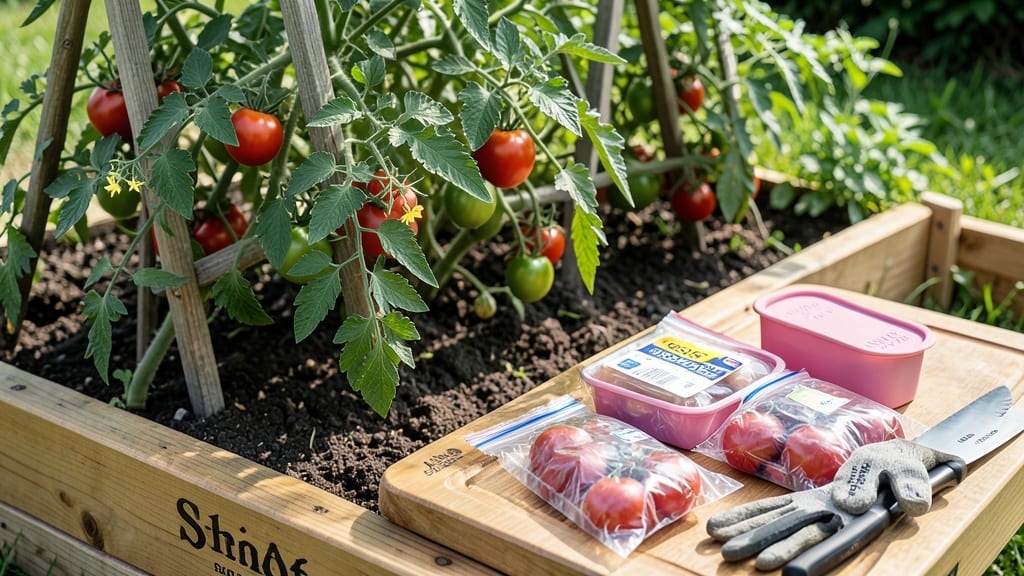
How to preserve tomatoes in the freezer lets you savor summer’s sweetness in January—no canning skills required. ✨ The secret is prepping them right: blanching locks in flavor, while proper packaging keeps them tasting fresh for months. I've frozen hundreds of pounds this way, and my winter soups and sauces never taste like freezer leftovers.
Start with vine-ripe tomatoes—they're sweeter and hold up better. You'll need a sharp knife, a pot for blanching, ice water, and freezer bags or containers.
The process takes about 20 minutes of prep time, but the payoff is worth it: tomatoes that thaw with just a fraction of their summer juiciness intact.
You'll end up with tomatoes that work perfectly in sauces, soups, or even smoothies—no one will guess they came from a freezer. The key is avoiding ice crystals that turn them mushy. With the right technique, you'll preserve that summer garden flavor all winter long.
This method works for any variety—roma, beefsteak, or cherry—and adapts to small batches or bulk freezing. Whether you're saving a glut from your garden or stocking up at the farmers' market, these steps keep your tomatoes tasting like peak season.
📚 In This Guide
- What you need
- Instructions
- Tips and common mistakes
- Wrapping up and next steps
What you need
- ● Fresh, ripe tomatoes – Choose firm, unblemished varieties like Roma, beefsteak, or cherry tomatoes (about 1 lb per quart of frozen space).
- ● Cutting board – A sturdy, food-safe surface (preferably 12" x 18" or larger for efficiency).
- ● Sharp knife – A chef’s knife (8-10") or serrated knife for clean cuts.
- ● Large mixing bowls – At least 2-3 quart-sized for washing and draining tomatoes.
- ● Colander – A stainless-steel or plastic colander (12" diameter) for rinsing.
- ○ Blender or food processor – Optional for sauces, but not required if freezing whole or halved.
- ● Freezer-safe containers or bags – Rigid containers: Quart-sized (for sauces/purees) or pint-sized (for whole/halved tomatoes).
- ● Freezer bags: Gallon-sized (for chopped tomatoes) with ziplock or vacuum-seal capabilities.
- ● Plastic wrap or parchment paper – For prepping tomatoes before freezing (e.g., laying slices flat).
- ● Permanent marker – To label containers with date and variety (e.g., "Roma Sauce – 10/2024").
- ● Freezer – A deep-freeze (-18°F or lower) for long-term storage (standard freezers work too!).
- ● Vacuum sealer – Extends shelf life and reduces freezer burn.
- ● Ice cube trays – For freezing tomato water (nutrient-rich!) or small sauce portions.
- ● Citric acid or lemon juice – 1 tsp per quart to prevent browning in cut tomatoes.
- ● Stasher bags or silicone molds – For portioning sauces or diced tomatoes neatly.
- ● Thermometer – To ensure your freezer stays at -18°F or colder.
Step-by-step instructions for freezing tomatoes
Here's my foolproof method for locking in summer flavor until next harvest.
🍅 Step 1: Select and Prepare the Tomatoes
Choose tomatoes at their peak—firm but ripe with vibrant color. I avoid overripe ones with soft spots, as they'll turn mushy when frozen. Wash them gently under cool water to remove dirt, then pat completely dry with paper towels. This step is crucial because any moisture left on the skin can cause ice crystals to form unevenly during freezing.
Cut the tomatoes in half around the stem scar. You'll see the seeds nestled inside—this is where we'll focus next. Scoop out the seeds and gel-like pulp into a fine-mesh strainer. Let the seeds and juice drain for 5-10 minutes while you prepare the remaining tomato flesh. This removes excess moisture that would make your frozen tomatoes watery later.
🌱 Step 2: Blanch and Peel (Optional but Recommended)
For a cleaner texture, blanch the tomato halves in boiling water for 30-60 seconds—just until the skins start to loosen. Immediately transfer them to an ice bath to stop cooking. The skins will slip off easily when you peel them. I skip this step for heirloom or thick-skinned varieties, as the flavor and texture hold up well without blanching.
While the tomatoes cool, prepare your freezer bags or containers. I use 1-gallon freezer bags because they're stackable and leave room for expansion. Label each bag with the date and variety—you'll thank yourself later when you're digging through the freezer in winter.
💧 Step 3: Pack Tomatoes for Freezing
Lay the blanched (or unblanched) tomato halves cut-side down in a single layer on a baking sheet. Freeze them for 1-2 hours until solid. This prevents them from sticking together when you transfer them to bags. Once frozen solid, slide the halves into your labeled freezer bags, leaving ½ inch of headspace at the top.
For the seeds and pulp you strained earlier, let them sit in the strainer for another 5 minutes to drain thoroughly. Spoon the drained seeds and pulp into ice cube trays, then freeze. Once solid, pop the cubes into your freezer bags. This concentrated flavor is perfect for soups and sauces later.
⏰ Step 4: Seal and Store Properly
Squeeze out as much air as possible from the freezer bags before sealing them tightly. I use a straw to suck out excess air—it makes a satisfying whoosh sound and maximizes shelf life. Write the date on the bag with a marker; frozen tomatoes stay best for 10-12 months but lose texture and flavor after that.
Store the bags flat in your freezer to save space. When you're ready to use them, thaw the tomatoes in the fridge overnight. They'll be slightly softer than fresh but still packed with flavor. For sauces, simply toss the thawed tomatoes into a pot and simmer until smooth—no need to peel or chop first.
☀️ Step 5: Thaw and Use Your Frozen Tomatoes
When you're ready to cook, transfer the frozen tomato halves to a bowl and let them thaw in the fridge overnight. The skins will slide right off after thawing, so you can peel them easily. For quick use, drop the frozen tomatoes directly into a pot of simmering sauce—they'll thaw and break down as they cook.
Here's the thing—I always keep a bag of frozen tomatoes on hand for homemade salsa, bruschetta, or even smoothies. The flavor is concentrated, so you'll need less than you think. Just remember: never refreeze tomatoes once they've thawed, as this degrades texture and quality.
Tips & tricks for preserving tomatoes in the freezer
A few simple tricks will ensure your frozen tomatoes stay vibrant and flavorful for months. Here's what I've learned after preserving hundreds of pounds of summer tomatoes.
Selection is Everything: Look for tomatoes that are ripe but still firm—those with soft spots or wrinkled skin will turn mushy when frozen. The riper the tomato, the more concentrated the flavor becomes after freezing, but only up to a point. I always pick tomatoes that yield slightly when gently squeezed but don't feel mushy.
Drain Those Seeds Thoroughly: The 5-10 minute draining time for seeds is non-negotiable—this removes that watery gel that would make your frozen tomatoes taste bland. For extra insurance, I sometimes press the seeds gently with a spoon in the strainer. The longer they drain, the more flavor-packed your frozen pulp will be for sauces and soups later.
Freeze in Single Layers: That 1-2 hour freezing time on the baking sheet isn't just about preventing sticking—it's about creating individual "tomato bricks" that won't clump together. I use parchment paper under the tomatoes for easy cleanup, and I always arrange them cut-side down so they stack neatly in the freezer bags. This makes thawing and peeling a breeze later.
Label Like Your Life Depends On It: Trust me on this: You'll forget what variety you froze if you don't label it. I write the date AND variety on every bag with a permanent marker. The flavor difference between a Roma and a beefsteak can be dramatic in frozen form, so knowing what you're working with is key. Pro tip: Store bags flat to save space and prevent crushing.
Pro Tips for Preserve Tomatoes In Freezer
- A few simple tricks will ensure your frozen tomatoes stay vibrant and flavorful for months.
- Selection is Everything: Look for tomatoes that are ripe but still firm—those with soft spots or wrinkled skin will turn mushy when frozen.
- Drain Those Seeds Thoroughly: The 5-10 minute draining time for seeds is non-negotiable—this removes that watery gel that would make your frozen tomatoes taste bland.
Frequently asked questions
Got questions about freezing tomatoes? You’re not alone!
Here are the most common queries—plus expert answers—to help you freeze like a pro.
Can I freeze whole tomatoes without blanching?
Blanching (dipping in boiling water then ice bath) is highly recommended to preserve texture and prevent mold. Whole tomatoes freeze best blanched for 30–45 seconds before freezing. Unblanched tomatoes may develop a mushy texture or off-flavors after thawing.
How long do tomatoes last in the freezer?
Properly frozen tomatoes stay fresh for 8–12 months at 0°F (-18°C). For peak quality, use them within 6–8 months. Check for freezer burn or ice crystals—if present, cook the tomatoes immediately to avoid texture issues.
Can I freeze cherry or grape tomatoes?
Cherry and grape tomatoes freeze great for sauces, salsas, or roasting later. Rinse, dry, and freeze them whole or halved on a tray before transferring to a bag. Their small size thaws quickly, making them ideal for quick-cook dishes.
Why do my frozen tomatoes turn gray or watery after thawing?
Gray or watery tomatoes usually mean oxidation or poor prep. To fix this:
- Blanch tomatoes before freezing (critical!).
- Pack them in airtight containers with minimal air.
- Use frozen tomatoes directly in cooked dishes (like soups or sauces) to hide texture changes.
- Avoid refreezing thawed tomatoes.
What’s the best way to use frozen tomatoes after thawing?
Frozen tomatoes shine in cooked recipes—think sauces, stews, or smoothies. For raw uses (like salads), thaw them in the fridge and drain excess liquid. Pro tip: Roast or sauté them post-thaw to revive texture and flavor!
Bonus Tip:
Label your freezer bags with the date and contents (e.g., “Heirloom Tomatoes – Blanched”). This saves time and ensures you use the oldest batches first!
Wrapping up and next steps
Preserving tomatoes in your freezer is a game-changer—it locks in their vibrant flavor, nutrients, and versatility for months to come! Whether you’ve got a bountiful harvest or just want to stock up for cozy winter meals, freezing tomatoes is easier than you think.
With the right prep (like blanching or crushing) and storage tricks, you’ll always have fresh-tasting tomatoes ready to elevate soups, sauces, or smoothies.
Ready to take the next step? Grab a handful of tomatoes, follow your favorite freezing method, and start experimenting! 🍅❄️ Try whipping up a batch of homemade tomato sauce or freezing them whole for later—your future self will thank you!