
Vegetables
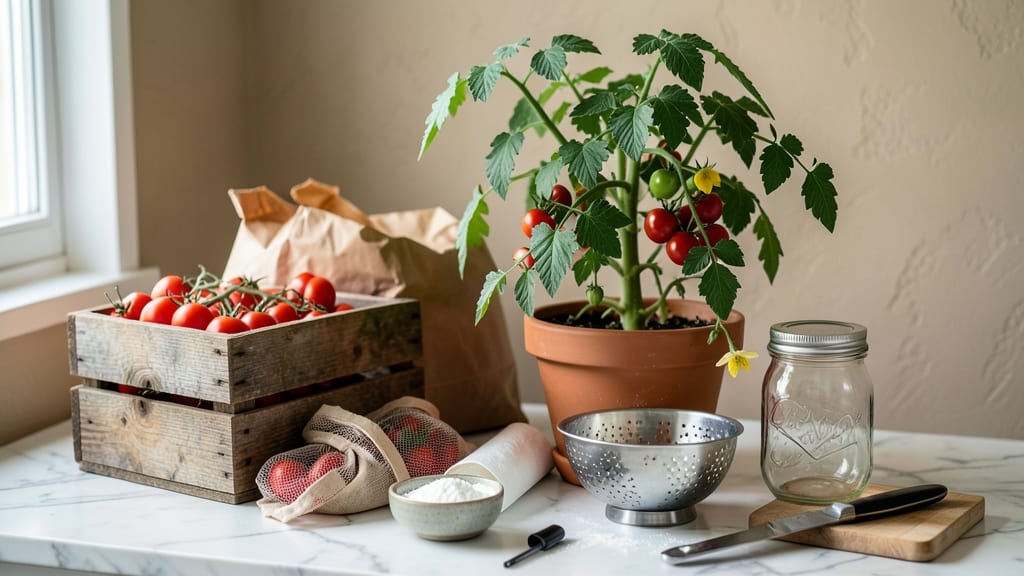
Storing cherry tomatoes properly means they stay sweet and firm for up to 10 days—no more mealy, waterlogged fruit. 🌱 I’ve learned the hard way that these delicate tomatoes need specific conditions to last, and the difference between a fresh bite and a sad, shriveled mess comes down to just a few key steps.
First, handle them gently—never store cherry tomatoes in the fridge whole, as cold temperatures destroy their flavor and texture. Instead, keep them at room temperature (60-70°F) in a well-ventilated container, like a breathable mesh bag or a paper towel-lined bowl.
Humidity matters too: too much moisture speeds up spoilage, while too little causes them to dry out.
If you’ve already cut them, transfer the pieces to an airtight container with a paper towel to absorb excess moisture, and store them in the fridge for 3-4 days max.
The goal is to slow ripening without sacrificing taste—these tomatoes should stay vibrant, juicy, and ready to eat whenever you are.
Seasonal variations matter: summer tomatoes are firmer and last longer, while winter-grown ones are more delicate. Avoid storing them with ethylene-sensitive produce like leafy greens or herbs, as they’ll speed up spoilage. With these simple steps, you’ll enjoy perfectly preserved cherry tomatoes for salads, snacks, or cooking all week long.
📚 In This Guide
- What you need
- Instructions
- Tips and common mistakes
- Wrapping up and next steps
What you need
- ● Fresh cherry tomatoes – Any variety (red, yellow, or green)
- ● Paper towels – 2-3 sheets (for drying)
- ● Storage container – Choose one: Plastic or glass container with a lid (e.g., Tupperware, mason jar)
- ● Ventilated produce bag (preferably mesh or perforated)
- ○ Small bowl or plate (optional for drying)
- ● Silica gel packets – 1-2 (to absorb excess moisture)
- ● Aluminum foil – For wrapping stems if storing long-term
- ● Vacuum sealer – For extended shelf life (3+ days)
- ● Wooden or bamboo skewers – For hanging tomatoes (if air-drying)
Step-by-Step guide to storing cherry tomatoes like a pro
Here's my foolproof method for keeping cherry tomatoes crisp and flavorful for nearly two weeks.
🪴 Step 1: Sort and Prepare for Storage
Start by separating your cherry tomatoes into two groups: those with minor blemishes (like small bruises) and those that are perfectly intact. The imperfect ones won't last as long, so handle them separately. Gently rinse all tomatoes under cool water to remove any dirt or debris, then pat them completely dry with a clean kitchen towel or paper towels. Moisture speeds up spoilage, so this step is non-negotiable.
Here's the thing—don't cut or remove stems yet. Leaving the stems intact helps maintain the tomato's natural moisture barrier, keeping them fresher longer. If you must remove stems, do it just before storing, not beforehand.
☀️ Step 2: Choose the Right Storage Method
For short-term storage (3-5 days), place tomatoes in a single layer on a wire rack or a plate lined with paper towels. Keep them in the main compartment of your refrigerator—never the crisper drawer, as tomatoes need a moderate humidity level. The airflow prevents condensation from forming, which would cause them to rot faster.
If you're storing them for up to 10 days, use a paper bag with small holes (about ¼ inch diameter) punched in it. Place the tomatoes in the bag—do not stack them—and store them in the fridge. The bag creates a slightly higher humidity environment while still allowing airflow. This mimics their natural growing conditions and slows down the ripening process.
💧 Step 3: Monitor and Maintain Freshness
Check your stored tomatoes every 2-3 days. Remove any that show signs of softening, mold, or wrinkling immediately—they'll spoil the others faster. You'll notice the good ones stay firm to the touch and maintain a bright, glossy skin. If you see any condensation inside the storage container, open it for 10-15 minutes to let excess moisture evaporate.
I know it seems counterintuitive, but don't wash tomatoes until you're ready to eat them. The moisture from washing accelerates spoilage, especially in the fridge. If you must clean them before storing, use a damp cloth instead of running water, then dry them thoroughly.
⏰ Step 4: Revive Wilted Tomatoes (If Needed)
If your tomatoes start to look slightly wilted but still firm, don't toss them. Place them in a single layer on a plate and let them sit at room temperature for 1-2 hours. The warmth helps them recover some of their crispness. This works best for tomatoes that have been stored for 5-7 days—any longer and they're past their prime.
For tomatoes that have lost some flavor but aren't moldy, try brining them for a quick refresh. Dissolve 1 tablespoon of salt in 1 cup of cold water, then soak the tomatoes for 10-15 minutes. Drain and pat dry before using. This restores some of their juiciness and crunch.
Tips & tricks for extending cherry tomato freshness
Real talk: I've learned these tricks after watching perfectly good tomatoes turn mushy within days. These small details make all the difference between fresh, vibrant cherry tomatoes and sad, mealy ones.
Humidity Control: The paper bag method in Step 2 works because those tiny holes create just the right balance of humidity and airflow. If you don't have paper bags, use a perforated plastic container with a loose lid—just make sure there's still airflow. The key is to mimic their natural growing environment where they get moisture from the soil but plenty of air circulation.
Temperature Matters: Never store cherry tomatoes in the crisper drawer—they need the moderate humidity of the main fridge compartment. Cold temperatures below 40°F can actually damage the cell walls, making them mealy. If your fridge runs cold, place a small bowl of water near the tomatoes to maintain humidity without condensation.
Visual Inspection: When monitoring your tomatoes every 2-3 days (Step 3), look for these three signs of spoilage: first, a dull skin instead of glossy; second, any soft spots when gently squeezed; and third, any white or gray fuzz (mold). Remove any questionable tomatoes immediately—they release ethylene gas that accelerates spoilage in the others.
Reviving Technique: The 1-2 hour room temperature recovery in Step 4 works because warmth reactivates the tomato's natural enzymes. For best results, place them on a wire rack or clean kitchen towel rather than a sealed container. This prevents condensation from forming on the bottom, which would actually make them soggy instead of crisp.
Pro Tips for Store Cherry Tomatoes
- Real talk: I've learned these tricks after watching perfectly good tomatoes turn mushy within days. These small detai...
- Humidity Control: The paper bag method in Step 2 works because those tiny holes create just the right balance of humi...
- Temperature Matters: Never store cherry tomatoes in the crisper drawer—they need the moderate humidity of the main fr...
Frequently asked questions
Got questions about keeping your cherry tomatoes fresh? We’ve got answers! Here are some of the most common queries—plus quick fixes to save your harvest.
Can I store cherry tomatoes in the fridge?
While the fridge extends shelf life (up to 10 days), it can also make them mealy and lose flavor. If storing long-term, refrigerate in a paper towel-lined container to absorb excess moisture. For short-term use (1–2 days), leave them at room temperature.
How long do cherry tomatoes last at room temperature?
Cherry tomatoes stay fresh for about 3–5 days at room temperature if stored properly (stem-side down, in a breathable container). Avoid stacking them—this crushes the fruit and speeds up spoilage. Check daily for soft spots or mold!
What’s the best way to store cherry tomatoes if I don’t have a ventilated container?
No fancy storage? No problem! Use a clean, dry paper bag or a mesh produce bag (like those for greens). Poke a few small holes in a plastic bag if that’s all you’ve got—just don’t seal it tightly. A wooden cutting board or a colander also works for short-term storage.
Why do my cherry tomatoes turn soft or wrinkled so fast?
Soft or wrinkled tomatoes usually mean excess moisture loss or ethylene gas buildup (a natural ripening agent). Store them stem-side down in a single layer, and avoid sealing them in airtight containers. If they’re already soft, use them in sauces or salads where texture matters less.
Can I store cherry tomatoes with other fruits or veggies?
Avoid storing cherry tomatoes near ethylene-producing foods like apples, bananas, or avocados—they’ll ripen (and spoil) faster. Keep them away from onions and potatoes too, as these can release gases that affect flavor. For best results, store them alone in a cool, dry spot.
Wrapping up and next steps
Storing cherry tomatoes the right way keeps them fresh, flavorful, and ready for your favorite dishes—whether it’s a quick salad, pasta, or snack!
With just a few simple steps, you can extend their shelf life for up to 10 days while preserving their vibrant taste and texture. Now that you’re equipped with the best methods, go ahead and enjoy those juicy tomatoes without waste!
👉 Next step: Grab a basket, fridge, or pantry space and put your new storage skills to the test. Happy cooking! 🍅✨