
Vegetables
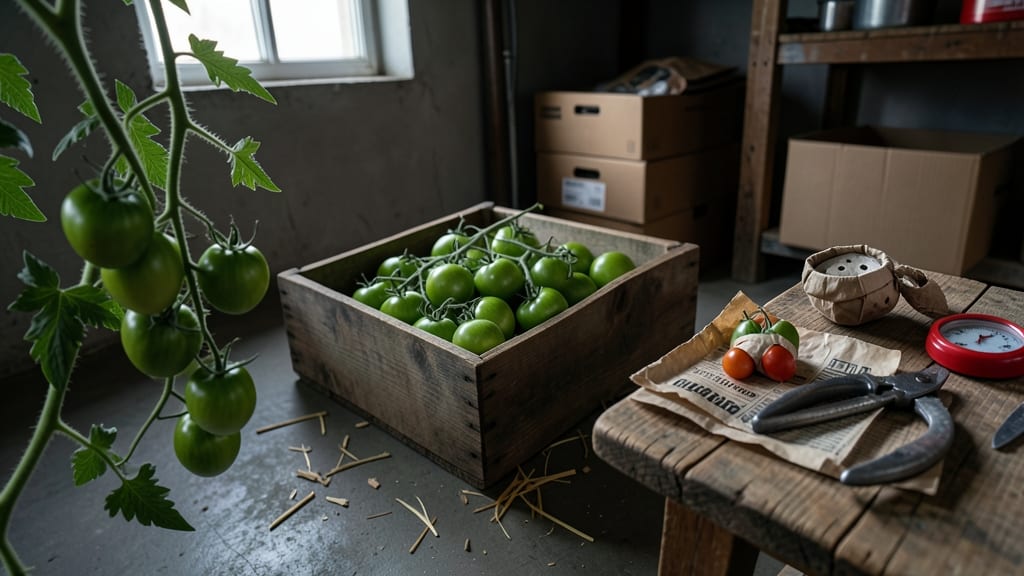
Storing green tomatoes for winter saves your harvest when frost threatens. 🌱 I learned the hard way that leaving them on the vine too long means mushy, rotting fruit—but there's a better way.
The right method preserves flavor, texture, and even lets you ripen them later when you're ready to cook.
Your best options are freezing, canning, or pickling—each with pros. Freezing is simplest for quick use, canning gives shelf-stable jars, and pickling adds tangy flavor while extending storage. The key is selecting firm, mature green tomatoes (not too small, not too soft) and processing them within 3-5 days of harvest.
With proper storage, you'll have tomatoes ready to ripen on your countertop in spring. The pickled version keeps for 6-12 months in the fridge, while frozen tomatoes last up to a year. You'll never waste another harvest again—just pack them away when the first frost hits.
Works for home gardeners with any quantity of tomatoes. Whether you're a first-timer or seasoned preserver, these methods guarantee you'll have homegrown tomatoes long after summer ends. Here's how to do it right.
📚 In This Guide
- What you need
- Instructions
- Tips and common mistakes
- Wrapping up and next steps
What you need
- ● Green tomatoes: 10–15 lbs (or more, depending on your harvest). Choose firm, unblemished tomatoes for the best results.
- ● Vinegar: 1 gallon of white vinegar (5% acidity) or apple cider vinegar (for a milder flavor).
- ● Water: 1 gallon (for diluting vinegar to a 50/50 mix). Use filtered or distilled if possible.
- ● Salt: 1–2 tbsp pickling salt or non-iodized salt (avoid table salt with anti-caking agents).
- ○ Sugar (optional but recommended): 1–2 cups granulated sugar or honey (for sweetness and preservation).
- ● Spices/herbs: 2–3 tbsp of your choice (e.g., garlic, mustard seeds, dill, or black peppercorns).
- ● Clean jars: 4–6 quart-sized mason jars (or pint jars for smaller batches) with new lids and rings.
- ● Cutting board & sharp knife: For slicing tomatoes into ¼-inch thick rounds.
- ● Large pot: A 6–8 quart stockpot for boiling vinegar brine.
- ● Jar lifter/tongs: To safely handle hot jars.
- ● Ladle or funnel: For filling jars with brine and tomato slices.
- ● Bubble remover: A non-metallic utensil (like a chopstick or bubble popper) to release air bubbles in jars.
- ● Citric acid: ¼ tsp (boosts preservation, especially in humid climates).
- ● Onion slices: 1–2 thinly sliced onions per jar (adds flavor!).
- ● Canning rack: For sterilizing jars in boiling water.
- ● Labeling supplies: Masking tape + markers to label jars with dates.
- ● Freezer bags: If you prefer freezing instead of pickling (see alternative methods!).
Step-by-step instructions for storing green tomatoes for winter
Preserving green tomatoes is easier than you think—here's my foolproof method.
🌱 Step 1: Select and Prep the Tomatoes
Pick firm, unblemished green tomatoes—avoid any with soft spots or cracks. Rinse them gently under cool water to remove dirt, then pat completely dry with a clean towel. I like to work with them at room temperature, so let them sit out for about 30 minutes before slicing.
Use a sharp knife to cut each tomato into ¼-inch thick slices. Keep them whole if you prefer, but slices pack better and freeze faster. Arrange the slices in a single layer on a baking sheet lined with parchment paper. This prevents them from sticking together during freezing.
💧 Step 2: Blanch and Cool for Preservation
Bring a large pot of water to a rolling boil. Working in batches, blanch the tomato slices for exactly 2 minutes. This step preserves color and texture. Immediately transfer the blanched slices to a bowl of ice water to stop the cooking process.
Let them cool completely in the ice bath—this usually takes about 5 minutes. Drain well and pat dry again with a clean towel. Proper drying prevents ice crystals from forming unevenly and ruining texture later.
✂️ Step 3: Pack for Freezing
Portion the cooled tomato slices into quart-sized freezer bags or airtight containers. I like to use vacuum-seal bags to save space, but regular freezer bags work too. Remove as much air as possible before sealing—this prevents freezer burn.
Label each bag with the date and contents. Store in the coldest part of your freezer (-10°F or colder) for up to 12 months. For best quality, use within 6 months. When ready to use, thaw overnight in the fridge before adding to recipes.
🌿 Step 4: Thaw and Use in Recipes
Move frozen tomato slices to the fridge 24 hours before using. This gradual thawing preserves texture better than quick methods. Once thawed, they're ready to use in salsas, soups, or sauces just like fresh tomatoes.
If you notice any ice crystals or soggy spots, drain them briefly before cooking. The flavor remains bright, but texture may soften slightly after freezing. I often add them to slow-cooked dishes where texture isn't critical.
Tips & tricks for perfectly preserved green tomatoes
Here's what I learned after freezing dozens of batches—these little details make all the difference.
Selection Matters: Green tomatoes should feel firm with no soft spots or wrinkles. The riper they are when picked, the better they'll hold up after freezing. I always check for cracks—those are weak points where texture can degrade during freezing. Look for tomatoes that are uniformly green with a slight gloss; this indicates freshness and better preservation potential.
Blanching Timing: Those exact 2 minutes of blanching are critical—any longer and the texture becomes mushy, any shorter and they won't hold their shape. I use a timer and keep the water at a full rolling boil. For large batches, work in batches of 2-3 pounds at a time to maintain water temperature. Immediately shock in ice water stops all cooking instantly, which prevents that sad, limp texture we're all trying to avoid.
Freezer Packing Strategy: The key to preventing freezer burn is removing as much air as possible. I use a straw to suck out excess air from regular freezer bags before sealing. For vacuum-sealed bags, I press out air pockets by hand before the final seal. Labeling with the date is non-negotiable—after 6 months, texture can degrade even if flavor remains. I also include a note about thawing time to remind myself to plan ahead.
Thawing Technique: The 24-hour fridge thaw is worth every minute—it prevents ice crystals from forming unevenly. I place the frozen tomatoes in a colander to drain any excess moisture that forms during thawing. This moisture can dilute flavors when cooking. For quick use, you can thaw in cold water for 30-45 minutes, but texture will be slightly softer. I reserve this method for recipes where texture isn't critical, like soups or sauces.
Pro Tips for Store Green Tomatoes For Winter
- Here's what I learned after freezing dozens of batches—these little details make all the difference.
- Selection Matters: Green tomatoes should feel firm with no soft spots or wrinkles. The riper they are when picked, th...
- Blanching Timing: Those exact 2 minutes of blanching are critical—any longer and the texture becomes mushy, any short...
Frequently asked questions
Got questions about storing green tomatoes for winter? You’re not alone! Here are answers to the most common concerns—plus a few pro tips to keep your harvest fresh and flavorful all season long.
How long can I store green tomatoes in the freezer?
Properly prepped and stored, green tomatoes can last up to 12 months in the freezer without losing quality. However, for the best texture and flavor, aim to use them within 6–8 months. Freezing halts spoilage but doesn’t preserve freshness indefinitely—so label your bags with the date!
Can I freeze green tomatoes straight from the garden?
Not ideal! For the best results, blanch them first (dip in boiling water for 3–5 minutes, then ice bath). This preserves color, texture, and flavor. Skipping blanching can lead to mushy tomatoes or off flavors. Pro tip: Wash and dry them thoroughly before freezing to prevent ice crystals.
What’s the best container for freezing green tomatoes?
Use airtight, freezer-safe containers like:
- Vacuum-sealed bags (remove excess air to prevent freezer burn)
- Glass jars or containers (leave 1-inch headspace for expansion)
- Heavy-duty freezer bags (lay flat to save space)
Why do my frozen green tomatoes turn gray or mushy when thawed?
Gray or mushy tomatoes usually mean oxidation or improper prep. To fix it:
- Blanch tomatoes before freezing (critical for texture!)
- Use freezer-safe containers (not regular plastic)
- Avoid refreezing thawed tomatoes
- Store in coldest part of the freezer (0°F or lower)
Can I store green tomatoes at room temperature instead of freezing?
Yes! If you’re patient, green tomatoes ripen slowly at room temp (60–70°F). Place them in a paper bag with a banana or apple (ethylene gas speeds ripening). Check weekly—overripe tomatoes turn mealy. For long-term storage, though, freezing or curing is better than room temp.
Wrapping up and next steps
Storing green tomatoes for winter is easier than you think—whether you’re pickling them, freezing them raw, or curing them in salt!
With the right method, you’ll enjoy homegrown flavor all season long without waste. Pickling is a fantastic choice for tangy, shelf-stable jars, while freezing keeps them fresh for quick cooking.
Now that you’ve got the know-how, grab those unripe tomatoes and get preserving! Try experimenting with flavors—spicy, sweet, or herby—to find your favorite winter treat. Next up? Share your creations or plan a cozy meal featuring your stored tomatoes—soup, salsa, or fried green tomatoes anyone? 🌱✨