
Vegetables
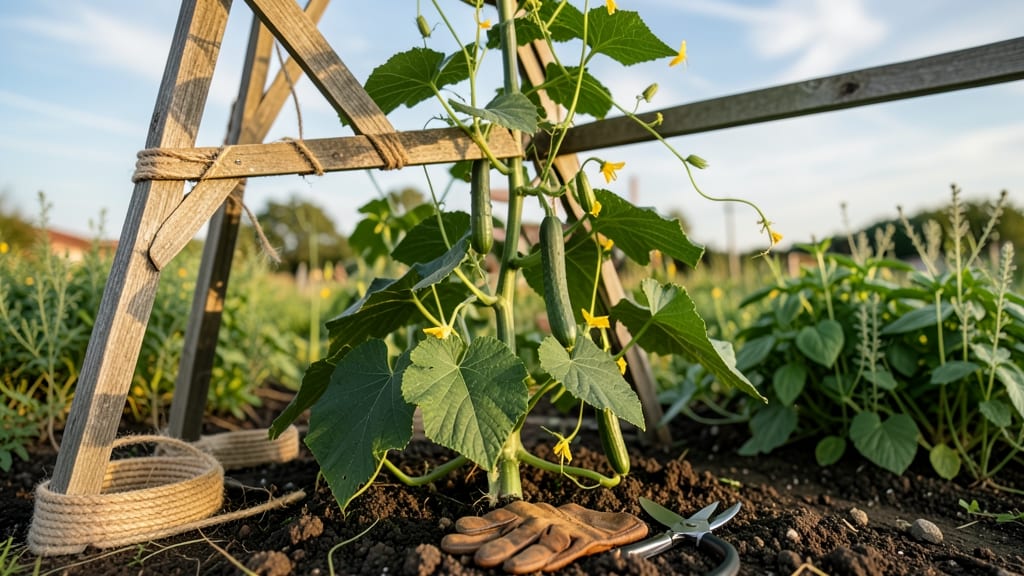
Supporting cucumber plants isn't just about keeping vines off the ground—it's the secret to bushier growth and bigger harvests. 🌱 I learned this the hard way when my sprawling vines smothered my tomatoes and attracted pests, but once I trellised them, my cucumbers thrived with better airflow and fewer diseases.
The right support transforms a messy corner into a productive vertical garden.
You don’t need fancy equipment—just sturdy stakes, cages, or strings to get started. Cucumbers love climbing, and when you give them space, they reward you with straighter stems, larger fruits, and easier harvesting.
Even in small spaces, a simple trellis can double your yield by keeping plants off the damp soil where rot lurks.
By the end of summer, you’ll be picking crisp cucumbers that stay clean and disease-free. The vines grow more efficiently, and you’ll spend less time weeding and more time enjoying the harvest. Plus, vertical growth makes your garden look intentional and organized—no more tangled messes.
Whether you’re working with backyard beds or containers, the same principles apply. The key is starting support early and pruning regularly to encourage upward growth. Let’s turn those sprawling vines into a neat, productive display!
📚 In This Guide
- What you need
- Instructions
- Tips and common mistakes
- Wrapping up and next steps
What you need
- ● Cucumber plants: 2–4 healthy seedlings or seeds (depending on space). Choose bush or vining varieties—some (like 'Bush Champion') thrive without sprawling!
- ● Trellis or support structure: DIY option: Sturdy bamboo stakes (5–6 ft tall, 2–3 per plant) or wooden posts (4x4, 6–8 ft tall).
- ● Store-bought: A cucumber trellis net (8–10 ft long) or A-frame trellis (for vertical gardens).
- ● Garden twine or soft plant ties: 1–2 spools (3/16"–1/4" width) to secure vines gently. Avoid wire—it can damage stems!
- ● Potting soil or garden bed: Well-draining, nutrient-rich mix (add compost for extra goodness!).
- ● Watering can or hose: With a gentle spray nozzle to avoid disturbing roots.
- ● Pruning shears: For trimming excess foliage (sterilize with rubbing alcohol!).
- ● Mulch (straw or shredded leaves): To retain moisture and suppress weeds.
- ● Fertilizer (balanced 10-10-10 or compost tea): Boost growth mid-season.
- ● Shade cloth (30–50% coverage): Protects young plants from scorching sun.
How to build a sturdy trellis for cucumber plants
Here's my go-to method for creating a trellis that keeps cucumbers climbing, healthy, and productive all season.
🪴 Step 1: Choose and Prepare Your Trellis Materials
For 4 plants, I use 4 bamboo stakes (5 feet tall) and twine or jute twine (100 feet)—this creates a simple but effective vertical support system. You can also use metal cages (5 feet tall) if you prefer a no-fuss option, though they take up more space. The key is sturdiness: cucumbers can get heavy, so flimsy materials will sag or break under the weight.
If using stakes, pound them 6 inches deep into the soil 6 inches from each plant. Space them evenly around your garden bed—this prevents leaning and creates a stable base. For twine, tie the top ends together with a slip knot to form a loose loop. You'll adjust this as vines grow, so don't cinch it tight yet.
🌿 Step 2: Train Vines to Climb the Trellis
Wait until vines reach 8-12 inches tall before guiding them upward. This gives roots time to establish before supporting extra weight. Gently weave the main vine around the twine or through the cage, securing it with a soft tie (like a strip of old T-shirt). Too-tight knots can damage tender stems, so leave room for growth.
Watch for side shoots—these are the smaller stems that form at leaf junctions. Pinch off the first few male flowers (they look like tiny buds without ovaries) to redirect the plant's energy into fruit-bearing vines. Once the main vine reaches the top, let it trail along the ground or loop it back down the trellis for continued growth.
✂️ Step 3: Prune and Maintain for Bushy Growth
Every 7-10 days, check for suckers (those tiny shoots growing from the stem). Remove them with your fingers—no need for pruners. Suckers drain energy from the main plant, so keeping them in check ensures bigger, healthier fruit. Focus on leaving 2-3 strong lateral branches per main vine to balance growth and production.
Adjust the twine as vines thicken—loosen knots if stems look constricted. You'll know it's working when vines cover the trellis like a green curtain and fruit hangs downward instead of rotting on the ground. Mulch around the base to retain moisture, which helps vines stay robust enough to support their own weight.
💧 Step 4: Water and Fertilize for Strong Support
Cucumbers need deep watering (1-2 inches per week)—dry soil weakens vines, making them more prone to snapping. Water at the base in the morning to avoid fungal issues from wet leaves. If your trellis sags midday, it’s a sign the plants are thirsty. Consistent moisture keeps stems plump and flexible, reducing breakage risks.
Feed plants every 3-4 weeks with a balanced fertilizer (10-10-10) or compost tea. Avoid high-nitrogen feeds—those promote leafy growth at the expense of fruit. You’ll see the difference in thicker vines and heavier cucumbers hanging from the trellis. Stop fertilizing 2 weeks before harvest to let flavors concentrate.
☀️ Step 5: Harvest and Adjust for Continued Growth
Pick cucumbers when they’re 6-8 inches long—this encourages more production. Use garden shears to cut stems cleanly, leaving a small portion attached to the vine. Harvesting frequently prevents the trellis from bending under weight. If vines slow down after the first flush, prune back the oldest leaves (the ones closest to the base) to redirect energy to new growth.
By late summer, vines may start to yellow or slow. This is normal—cut back any diseased or weak growth and focus on the healthiest sections. If your trellis is still sturdy, you can train new shoots from the base to extend the harvest season. Just like a well-built fence, a good trellis keeps your cucumbers organized, productive, and easy to care for all season long.
Tips & tricks for sturdy cucumber trellis support
These practical insights will help you build a trellis system that transforms your cucumber plants into productive, space-saving powerhouses.
Material Selection Matters: For the 4-plant setup in Step 1, I recommend using thicker bamboo stakes (at least 1-inch diameter) rather than thin ones. Thin stakes bend under cucumber weight, while sturdy ones provide the vertical support your vines need. If using metal cages, opt for 5-foot tall models with 12-gauge wire—they're the gold standard for durability. The 100 feet of twine is perfect for creating a loose, adjustable system that grows with your plants.
Root Establishment is Critical: In Step 2, waiting until vines reach 8-12 inches before training them upward gives roots time to develop strong anchor systems. I've seen many gardeners rush this step and end up with vines that snap under their own weight. The key is patience—those first few weeks of horizontal growth build the foundation for everything that follows. Trust me, the extra week pays off in stronger plants.
Pruning Strategy for Maximum Production: The 7-10 day pruning schedule in Step 3 is where the magic happens. Focus on removing suckers from the lower third of the main stem—these are the energy vampires that drain resources from your fruit production. Leave the suckers higher up to develop into secondary vines, which creates that beautiful bushy growth pattern. I always keep a small notebook nearby to track which plants are responding best to this pruning rhythm.
Watering Wisdom for Strong Vines: The deep watering recommendation of 1-2 inches per week in Step 4 is non-negotiable. I've learned this the hard way—dry soil creates brittle stems that snap like twigs. Water consistently at the base in the morning to prevent fungal issues, and you'll notice your vines develop that satisfying plumpness that tells you they're properly hydrated. This simple habit makes all the difference in trellis stability.
Pro Tips for Support Cucumber Plants
- These practical insights will help you build a trellis system that transforms your cucumber plants into productive, space-saving powerhouses.
- Material Selection Matters: For the 4-plant setup in Step 1, I recommend using thicker bamboo stakes (at least 1-inch diameter) rather than thin ones.
- Root Establishment is Critical: In Step 2, waiting until vines reach 8-12 inches before training them upward gives roots time to develop strong anchor systems.
Frequently asked questions
about supporting cucumber plants—because even the greenest thumbs need a little extra help! Here are answers to the most common questions to keep your vines thriving.How often should I prune cucumber vines when using a trellis?
Prune cucumber vines regularly—about once a week—to encourage bushier growth and better air circulation. Remove any yellow or diseased leaves immediately, and trim back overgrown tendrils to focus energy on fruit production. Pro tip: Use clean scissors or pruners to avoid spreading disease!
When is the best time to start training cucumbers up a trellis?
Begin training cucumbers as soon as they start climbing—usually 3–5 days after germination when vines are 6–12 inches tall. Early support prevents sprawling and makes harvesting easier. If you miss this window, don’t worry—just start guiding them up as soon as possible!
What if my cucumbers aren’t climbing even with a trellis?
Cucumbers may skip climbing due to poor light, weak vines, or overcrowding. Check for:
- 6+ hours of sunlight daily
- Healthy, sturdy vines (no pests or disease)
- Proper spacing (12–24 inches apart)
Can I reuse last year’s trellis for cucumbers?
Yes! Clean and disinfect old trellises with a 10% bleach solution (1 part bleach to 9 parts water) to kill fungi or bacteria. Avoid reusing materials with visible mold or rust, as these can harm new plants. Wooden trellises last years, but metal ones may rust over time.
Do all cucumber varieties need a trellis, or just bush types?
Nope! While bush cucumbers (like ‘Bush Champion’) stay compact, vining varieties (like ‘Straight Eight’ or ‘Marketmore’) thrive with trellises—they produce straighter, cleaner fruit and fewer pests. Even some hybrid types benefit from support!
Wrapping up and next steps
Growing thriving cucumber plants is all about patience, proper support, and a little know-how! 🌱 With the right trellis, pruning techniques, and care, you’ll enjoy a bountiful harvest of crisp, healthy cucumbers. Whether you’re a beginner or a seasoned gardener, these tips will set you up for success.
Now that you’re armed with the best methods, roll up your sleeves and get planting! Start small—try a single trellis or a few plants—and watch your garden transform. Happy growing, and may your vines climb high and your harvests be plentiful! 🥒✨