
Vegetables
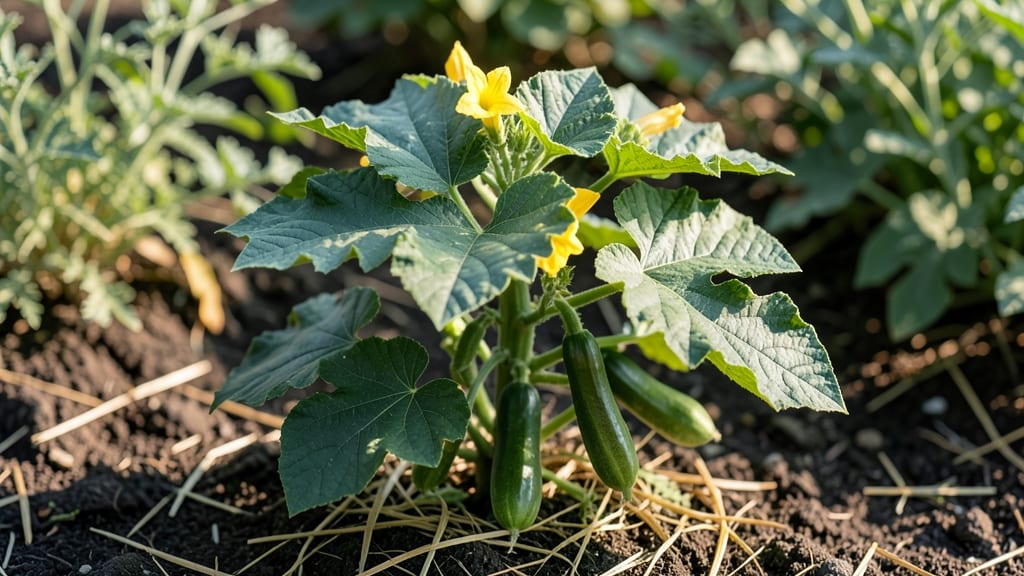
Bush cucumbers are the game-changer for small gardens—no sprawling vines, just compact plants packed with the same crisp, sweet flavor. 🌱 Unlike their vining cousins that need trellises and space, these stay tidy at 3-4 feet tall, perfect for containers or tight beds.
I grew mine last summer in a 5-gallon pot on my balcony, and they produced more cucumbers than my sprawling vines ever did. The secret to their success? They focus energy on fruit production, not climbing.
You’ll get 8-12 inches of cucumbers per plant, with varieties like ‘Bush Champion’ or ‘Spacemaster’ delivering slicing, pickling, or snacking cucumbers in just 55-60 days. They thrive in full sun, well-draining soil, and consistent water—no fancy tricks needed.
What you’ll end up with is fresh cucumbers without the mess—no tangled vines to manage, no sprawling plants overtaking your garden. The flavor? Just as sweet and crisp as traditional types, but with less maintenance and more yield per square foot.
Perfect for beginners or anyone short on space. Works in containers, raised beds, or in-ground plots—just give them 6 hours of sun daily and 1 inch of water weekly. Try them this season, and you’ll wonder why you ever grew vining cucumbers!
📚 In This Guide
- What you need
- Instructions
- Tips and common mistakes
- Wrapping up and next steps
What you need
- ● Bush cucumber seeds: Choose compact varieties like 'Bush Champion', 'Little Leaf', or 'Spacemaster'. Buy 3–5 seeds per plant (you’ll need 2–4 plants for a small harvest).
- ● Containers or garden bed: For containers: 5-gallon pots or fabric grow bags (minimum 12–18 inches deep). Use 3–5 containers if growing multiple plants.
- ● For in-ground planting: A sunny spot (6+ hours of light/day) with well-draining soil. Space plants 2–3 feet apart.
- ● Potting mix: High-quality, sterile mix (e.g., Miracle-Gro Potting Soil or FoxFarm Ocean Forest). Avoid garden soil—it can harbor diseases.
- ● Compost or organic fertilizer: Balanced, slow-release option (e.g., 10-10-10 NPK) or worm castings. Mix 1–2 tbsp per plant into the soil.
- ● Watering can or hose: With a gentle spray nozzle to avoid disturbing seedlings.
- ○ Trellis or stakes (optional): Even bush varieties benefit from light support. Use 3–4 ft bamboo stakes or a small cucumber trellis.
- ● Climate: Plant after the last frost when soil temps reach 60°F+ (ideal for germination). Bush cucumbers thrive in USDA Zones 3–11.
- ● Sunlight: Full sun (6+ hours/day) is a must—no compromises!
- ● Watering schedule: Keep soil consistently moist (not soggy). Water at the base of plants to prevent fungal issues.
- ○ Optional extras: Mulch (straw or shredded leaves) to retain moisture.
- ● Neem oil or copper fungicide (preventative measure for pests).
- ● Pruning shears (for trimming excess vines if needed).
Step-by-step guide to growing bush cucumbers
These space-saving wonders deliver the same crisp, sweet cucumbers as their vining cousins—but without the sprawl.
🌱 Step 1: Choose the Right Bush Variety
Bush cucumbers are bred to stay compact, typically reaching 3-4 feet tall with minimal spreading. Popular varieties like 'Bush Champion,' 'Spacemaster,' or 'Diva' produce abundant fruit without trellising. Look for seeds labeled "bush" or "compact"—regular cucumber seeds will vine aggressively and disappoint in small spaces.
I always verify the plant's mature size on the seed packet to avoid surprises. The key difference from vining types is their determinate growth habit, meaning they stop growing once they reach their genetic height and focus energy on fruit production instead of endless vines. This makes them ideal for containers, small patios, or tight garden corners.
☀️ Step 2: Prepare Warm Soil and Full Sun
Bush cucumbers thrive in warm soil temperatures—wait until nighttime lows stay above 55°F before planting. They demand 6-8 hours of direct sunlight daily, so choose a location that gets morning sun and afternoon light without afternoon shade. I often test spots by observing where tomatoes or peppers grow successfully.
Work 2-3 inches of compost into the topsoil to improve drainage and fertility. Bush cucumbers are heavy feeders but hate soggy roots, so amending clay soil with sand or perlite prevents rot. A soil test reveals pH needs—ideal range is 6.0-6.8. If your soil tests acidic, add lime; if alkaline, work in sulfur.
🪴 Step 3: Plant Deeply for Strong Roots
Sow seeds ½ inch deep, spacing them 3-4 feet apart in rows 4-5 feet apart to allow airflow. I use a 2-inch deep hole for each seed, place 2-3 seeds per hole, then cover lightly. Bush cucumbers germinate best in 70-85°F soil, so a seedling heat mat helps in cooler climates.
Thin to the strongest seedling once true leaves appear (not the initial cotyledons). The remaining plant should have 3-4 strong leaves before transplanting. If starting from transplants, bury half the stem—this encourages deeper root systems. Water deeply after planting to settle soil around roots and prevent air pockets.
💧 Step 4: Water Consistently and Mulch Heavily
Bush cucumbers need 1-2 inches of water weekly, delivered at the base to avoid wetting leaves (which spreads disease). I water early morning to let foliage dry before evening. Let the top 1-2 inches of soil dry between waterings—consistent moisture prevents bitter fruit and blossom-end rot.
Spread 3-4 inches of organic mulch (straw or shredded leaves) around plants to retain moisture and suppress weeds. Mulch also keeps fruit clean and off the soil, reducing rot risk. Avoid plastic mulch—it traps heat and can scorch roots. Every 3-4 weeks, side-dress with balanced fertilizer (10-10-10) to sustain growth.
✂️ Step 5: Harvest and Prune for Continuous Production
Pick cucumbers when they're 6-8 inches long for best flavor—overripe fruit saps energy from new blooms. Use pruners or sharp scissors to cut stems cleanly, leaving a ¼-inch stub. I harvest every 2-3 days during peak production to encourage more flowers. Bush varieties produce fruit in clusters, so check each plant daily.
Remove any yellowing or diseased leaves immediately to improve airflow. If plants start looking leggy, pinch back the top set of leaves to redirect energy to fruit production. Most bush cucumbers produce for 4-6 weeks before slowing—succession planting every 2 weeks extends your harvest season effortlessly.
Tips & tricks for perfect bush cucumber cultivation
These game-changing insights will help you maximize your compact cucumber harvest without the sprawl.
Variety Selection: When choosing seeds, pay close attention to the label—look for terms like "bush" or "compact" rather than just "cucumber." The determinate growth habit means these plants focus all their energy on fruit production once they reach their mature height of 3-4 feet, rather than growing endless vines. I've found that 'Bush Champion' produces the most consistent yields in my small garden plots, delivering fruit that's every bit as crisp as its vining relatives.
Soil Temperature Secret: The 55°F nighttime low threshold isn't just a suggestion—it's crucial for germination and root development. If you're in a cooler climate, consider using a seedling heat mat to maintain soil temperatures between 70-85°F during germination. I've seen germination rates drop dramatically when soil stays below 60°F, so don't rush planting just because your last frost date has passed. The extra week waiting for proper soil warmth pays off with stronger, more vigorous plants.
Planting Depth Strategy: Those ½-inch deep seed holes might seem shallow, but they're perfect for encouraging strong root systems. The key is to create a loose, well-aerated soil environment where roots can spread horizontally. I've noticed that planting seeds slightly deeper (up to ¾ inch) in heavy clay soils helps prevent rot while still allowing proper germination. Just make sure to keep the soil consistently moist during this critical early stage.
Harvest Timing: The 6-8 inch size window is where these cucumbers shine—harvesting at this stage ensures peak flavor and texture. I've learned that checking plants every 2-3 days during peak production prevents overripe fruit from sapping energy from new blooms. For continuous harvests, succession planting every 2 weeks works beautifully, giving you fresh cucumbers throughout the growing season without the space requirements of vining varieties.
Pro Tips for What Is A Bush Cucumber
- These game-changing insights will help you maximize your compact cucumber harvest without the sprawl.
- Variety Selection: When choosing seeds, pay close attention to the label—look for terms like "bush" or "compact" rather than just "cucumber."
- Soil Temperature Secret: The 55°F nighttime low threshold isn't just a suggestion—it's crucial for germination and root development.
Frequently asked questions
about bush cucumbers—because every gardener deserves clarity! Whether you're a beginner or a seasoned grower, these answers will help you cultivate success in even the tiniest space.What’s the difference between bush cucumbers and vining cucumbers?
Bush cucumbers are compact, bushy plants (typically 3–5 feet tall) that don’t require trellises, while vining cucumbers sprawl 6–10+ feet and need support. Bush varieties are perfect for containers, small gardens, or urban spaces—no sprawling chaos!
How long does it take for bush cucumbers to produce fruit?
Most bush cucumbers mature in 50–65 days from transplanting, depending on the variety and growing conditions. Start seeds indoors 3–4 weeks before your last frost for an earlier harvest. Patience pays off with crisp, homegrown cucumbers!
Can bush cucumbers grow in containers? If so, what size pot do I need?
Bush cucumbers thrive in 5-gallon containers or larger (at least 12–18 inches deep). Ensure pots have drainage holes and use a lightweight potting mix. Place them in a sunny spot (6+ hours of light) and fertilize regularly for best results.
Are bush cucumbers as productive as vining cucumbers?
Bush cucumbers yield slightly less than vining types but make up for it with ease of care and space efficiency. Expect 5–10 cucumbers per plant, depending on variety and growing conditions. Perfect for small gardens or when you want low-maintenance harvests!
What are common pests for bush cucumbers, and how do I prevent them?
Watch for cucumber beetles, aphids, and spider mites. Prevent pests with:
- Row covers (early in the season)
- Neem oil or insecticidal soap
- Interplanting with herbs like basil or dill
- Regularly inspecting leaves for damage
Wrapping up and next steps
Bush cucumbers are a fantastic choice for small gardens, offering high yields in minimal space with minimal effort—perfect for beginners or urban gardeners! Their compact growth, disease resistance, and quick harvest times make them a low-maintenance superstar for fresh, homegrown produce.
Whether you’re craving crisp salads, pickles, or zesty snacks, these cucumbers deliver flavor and convenience without the fuss.
Ready to grow your own? Start by picking a variety that suits your climate and space, then grab your gardening tools and soil—your first harvest could be just 6-8 weeks away! 🌱✨