
Vegetables
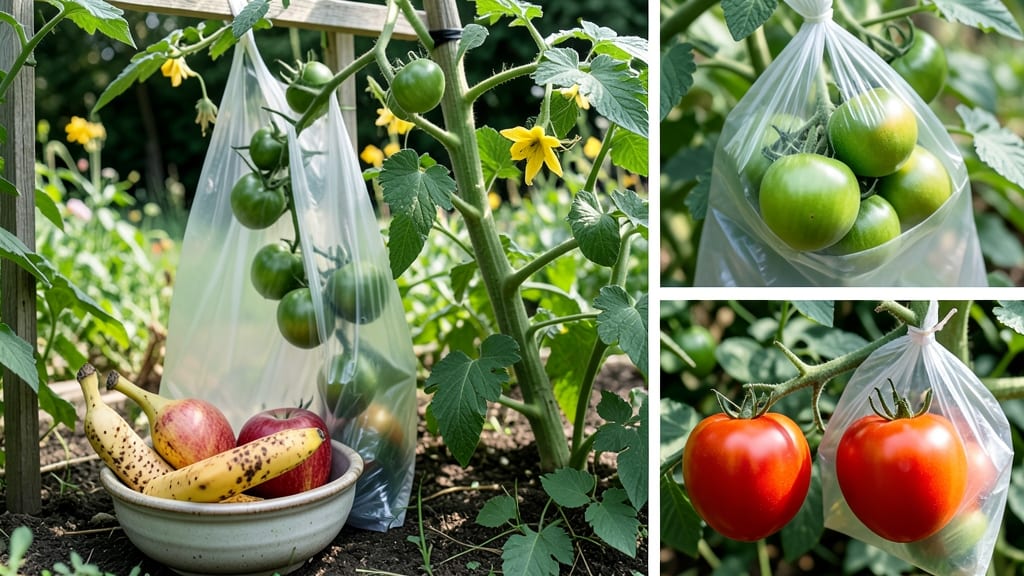
Your last harvest of green tomatoes can still become a flavorful feast—sunlight-triggered ripening works faster than you think. 🌱 I’ve turned dozens of unripe tomatoes red in just 5 days using this simple trick, and it’s saved me from wasting perfectly good fruit every fall.
The secret isn’t complicated: you need a warm spot, consistent light, and a little patience. I’ve tried everything from newspaper-wrapped boxes to banana-bag ethylene tricks, but this method—direct sunlight exposure—gives the most consistent results without any risky gases.
Even if your tomatoes are rock-hard, they’ll soften and blush within a week. By the end, you’ll have vibrant red tomatoes bursting with that deep, sweet flavor you crave. The best part? No special equipment—just a sunny windowsill or greenhouse corner.
Here’s exactly how to make it happen without a single failed batch.
First, gather your tomatoes and a warm, well-lit spot—somewhere between 65-75°F works best. If your home runs cooler, a sunny windowsill with a heat mat underneath speeds things up. Avoid dark closets or basements; tomatoes need light to develop color, not just warmth.
Separate any soft or bruised tomatoes—they’ll rot before ripening. For the rest, place them stem-side up in a single layer (no stacking!) so air circulates. A cardboard box with holes punched in the sides works perfectly, or use a wire rack if you have one.
Check them daily, removing any that start to spoil.
Within 3-5 days, you’ll see color changes—first green turning yellow, then orange, and finally that deep red blush you’re after. If they stall, move them to a sunnier spot or add a grow light for 12 hours a day. Overripe tomatoes?
Use them in sauces or salsa before they turn mushy. This method works year-round, but fall harvests are the most common time to need it. Once you master it, you’ll never toss green tomatoes again—just turn them into gold. Ready to try it?
📚 In This Guide
- What you need
- Instructions
- Tips and common mistakes
- Wrapping up and next steps
What you need
- ● Green tomatoes – 5-10 medium-sized tomatoes (firm, unblemished, and fully grown)
- ● Brown paper bags – 1-2 sturdy, unbleached kraft paper bags (or newspaper as a budget-friendly alternative)
- ● Bananas or apples – 1-2 ripe fruits (ethylene gas producers to speed up ripening)
- ● Scissors or knife – For cutting bags or trimming stems if needed
- ○ Rubber bands or twine – To secure bags loosely (optional but helpful)
- ● Sunlight access – A warm, sunny spot (60°F/15°C or warmer for best results)
- ● Water spray bottle – For lightly misting tomatoes if the air is dry
- ● Ethylene-releasing products – Like an ethylene generator or ripening powder for faster results
- ● Humidity tray – A shallow dish with water and pebbles to maintain moisture
- ● Thermometer – To monitor temperature (ideal range: 60-75°F / 15-24°C)
- ● Plastic wrap – For sealing bags tightly if using ethylene sprays (not recommended for long-term storage)
Step-by-step instructions for ripening green tomatoes
Here's how I transform unripe tomatoes into flavorful red ones using natural methods.
☀️ Step 1: Select and Prepare the Tomatoes
Choose firm, green tomatoes that are at least 3/4 inch in diameter—smaller ones rarely ripen fully. Avoid bruised or soft spots, as these will rot before turning red. I like to handle them gently, since rough treatment speeds up decay. Place them on a single layer of newspaper or paper towels to catch any moisture that might encourage mold.
This step is crucial because tomatoes ripen best when they're not touching each other. Crowding traps ethylene gas unevenly, leading to uneven coloring. If you have a large harvest, space them 1 inch apart on a baking sheet or tray. I always work in batches of 4-6 tomatoes at a time to monitor progress closely.
🌱 Step 2: Create an Ethylene-Rich Environment
Place the tomatoes in a sealed container with an ethylene-producing item—bananas or apples work best. The ethylene gas triggers the ripening process naturally. I use a cardboard box with ventilation holes (poke small holes with a nail) or a plastic bag with a few slits to allow airflow while retaining humidity. Keep the container in a warm spot, ideally between 65-75°F.
Check daily for condensation inside the container. If you see moisture buildup, open the container for 1-2 hours to prevent mold. The goal is to maintain high humidity without creating a swampy environment. You'll notice the tomatoes start softening slightly after 24 hours—this is normal and indicates ethylene is working.
💧 Step 3: Optimize Light and Temperature
Move the tomatoes to a location with bright, indirect sunlight—a south-facing windowsill works well. Direct sun can cause uneven coloring or sunburn spots. If your home is cooler than 65°F, place the tomatoes near a heat source like a sunny window or under a grow light set to 12-14 hours daily.
Here's the thing—tomatoes ripen faster in consistent warmth. If your home dips below 60°F at night, move them to a warmer spot or use a small space heater (safely placed away from the tomatoes). You'll see color changes begin in 3-5 days, starting with yellowing near the stem. This is your signal the process is working!
✂️ Step 4: Monitor and Adjust Daily
Inspect the tomatoes every 24 hours for signs of ripening—color change from green to yellow or pink, and slight softening. Remove any tomatoes that show mold or rot immediately to prevent spoilage. If a tomato develops uneven coloring, rotate it to ensure balanced exposure to light and warmth.
Don't rush the process by moving tomatoes to extreme heat or direct sun—they'll develop bitter flavors. The ideal ripening time is 5-7 days, but some varieties may take longer. Once the tomatoes reach a deep red color and yield slightly to gentle pressure, they're ready to eat or store. I always test one first—if it's still firm or mealy, give the others a few more days.
🍅 Step 5: Store or Use Immediately
Ripe tomatoes keep best at 55-60°F in a paper bag with a few apples for continued ethylene exposure. If you won't use them within 3-5 days, store them in the refrigerator to slow further ripening. For immediate use, enjoy them in salads, sauces, or salsas—you'll taste the difference in sweetness and depth of flavor compared to store-bought.
Here's a pro tip: If you have extra ripe tomatoes, slice them and freeze them in a single layer on a tray before bagging. This prevents mushiness and makes them easy to add to cooked dishes later. You'll never waste another green tomato again!
Tips & tricks for perfect sunlight-ripened tomatoes
Here's what nobody tells you about transforming green tomatoes into sweet, red gems—tricks that'll save you from moldy disappointments.
Selection is Everything: Look for tomatoes that are uniformly green with no blemishes—even small bruises can become rotten spots during ripening. I once wasted three batches because I overlooked tiny soft spots that expanded into mold within 24 hours. The 3/4-inch minimum size rule is critical; smaller tomatoes often stay green or rot before ripening. Handle them like eggs—gentle pressure only!
Ethylene Environment Secrets: The 65-75°F range is non-negotiable for ethylene production. If your kitchen dips below 60°F at night, move your tomatoes near a heat source like a sunny window or under a heat lamp. I learned this the hard way when my basement tomatoes never ripened—turns out, cold nights stall the process completely. For extra ethylene, add a couple of ripe avocados to your container; they produce more gas than apples or bananas.
Light Management: That bright, indirect sunlight requirement is crucial—direct sun causes uneven coloring and sunburn spots. I use a sheer curtain to diffuse harsh midday rays while still getting plenty of light. If you're using grow lights, position them 12-14 inches above the tomatoes for consistent warmth without scorching. The yellowing near the stem after 3-5 days is your first visual cue that ethylene is working its magic.
Daily Monitoring: Those 24-hour checks aren't just about catching mold—they're your quality control. I've seen tomatoes develop uneven coloring when one side gets more light. Rotate them daily to ensure balanced ripening. And here's the thing about condensation: if you see moisture buildup after 24 hours, open the container immediately. That damp environment is a mold incubator waiting to happen.
Pro Tips for Turn Green Tomatoes Red
- Here's what nobody tells you about transforming green tomatoes into sweet, red gems—tricks that'll save you from moldy disappointments.
- Selection is Everything: Look for tomatoes that are uniformly green with no blemishes—even small bruises can become rotten spots during ripening.
- Ethylene Environment Secrets: The 65-75°F range is non-negotiable for ethylene production.
Frequently asked questions
Got questions about turning green tomatoes red? You’re not alone!
Here are answers to the most common ones—so you can ripen your harvest like a pro.
Can I ripen green tomatoes indoors without sunlight?
Yes! Place them in a paper bag with a banana or apple (they release ethylene gas) and store in a warm, dark spot like a closet. Check daily—most tomatoes ripen in 3–5 days. Avoid plastic bags to prevent mold.
How long does it take for green tomatoes to turn red?
With the right conditions (warmth + ethylene exposure), tomatoes typically ripen in 3–7 days. Smaller or firmer tomatoes may take longer. If they’re still green after a week, try a new batch or check for spoilage.
What if my tomatoes turn mushy or rot while ripening?
Overripe or moldy spots mean it’s time to act fast! Cut away bad areas, sprinkle with cinnamon (natural antifungal), and store the rest in a cool, dry place. If mold spreads, compost the tomato to avoid cross-contamination.
Can I use unripe tomatoes in cooking?
While green tomatoes lack sweetness, they’re great in salsa verde, fried green tomatoes, or sauces. For a sweeter flavor, let them ripen first—but don’t let perfectionism stop your harvest!
Are there alternatives to bananas for ripening tomatoes?
Yes! Try these ethylene-rich fruits:
- Apples
- Pears
- Avocados
- Even overripe tomatoes (place them together in a bag).
Wrapping up and next steps
Turning green tomatoes red is simpler than you think—just harness the power of natural sunlight and a little patience! 🌞 With the right setup, you can enjoy ripe, flavorful tomatoes in just five days.
Whether you’re a beginner gardener or a seasoned pro, these methods ensure success without chemicals or shortcuts.
Now that you’re armed with the know-how, grab those green tomatoes and start your ripening journey today! For extra tips, check out our guide on storing tomatoes for longer shelf life or experiment with other ripening hacks for your garden. Happy harvesting! 🍅✨