
Vegetables
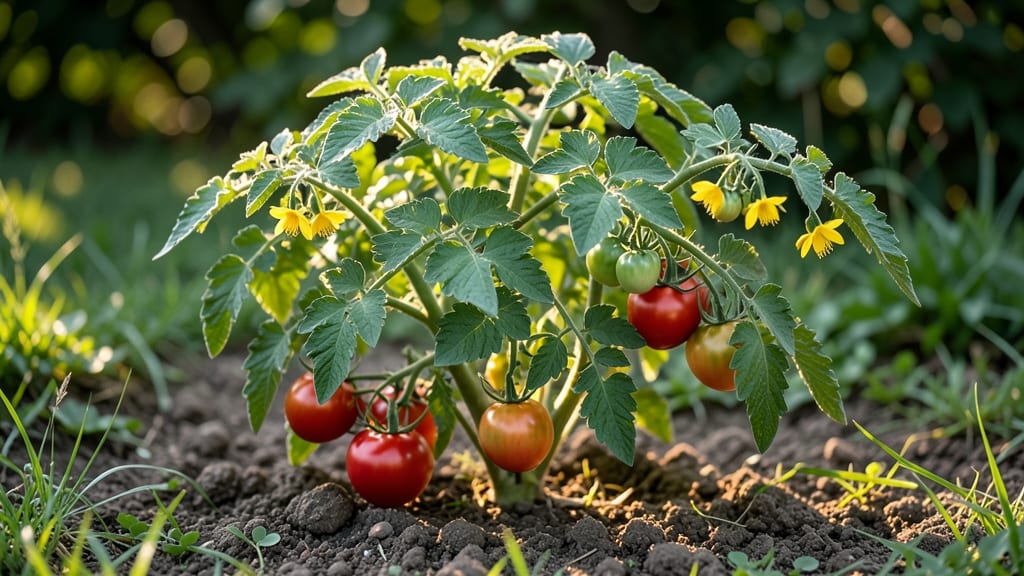
Growing Husky Cherry Red tomatoes feels like cheating the system—these cold-hardy plants keep producing sweet, tangy fruit long after most varieties quit. 🌱 I’ve grown them for years, and they’ve become my go-to for late-season harvests, even when temperatures dip into the 40s. The secret lies in their ability to bounce back from frost and their compact growth habit, making them perfect for small spaces or container gardens.
These tomatoes thrive in full sun (6-8 hours daily) and well-draining soil with a pH between 6.0 and 6.8. Unlike their heat-loving cousins, Husky Cherries tolerate cooler climates, so they’re ideal for USDA Zones 3-10.
Start seeds indoors 6-8 weeks before your last frost, or plant transplants after all danger of frost has passed. The key is spacing—give them 18-24 inches apart in rows spaced 2-3 feet apart to ensure airflow and reduce disease risk.
Once established, these plants are surprisingly low-maintenance. Water deeply 1-2 times per week, aiming for 1-1.5 inches of water per week, and mulch to retain moisture. Prune suckers regularly to encourage bushier growth, and watch for common pests like aphids or whiteflies—neem oil works wonders for organic control.
When ripe, these 1-inch red orbs burst with a sweet-tart flavor that’s perfect for snacking, salads, or sauces.
What makes them truly special is their perennial nature in warmer climates—with proper care, they’ll return year after year, producing even more fruit. Harvest continuously to encourage new growth, and don’t be surprised if they keep yielding into October or November.
For beginners, they’re a foolproof choice—hardy, productive, and delicious without the fuss.
📚 In This Guide
- What you need
- Instructions
- Tips and common mistakes
- Wrapping up and next steps
What you need
- ● Husky Cherry Red Tomato Seeds or Seedlings: 3–5 plants (or 10–15 seeds if starting from scratch). Look for cold-resistant varieties labeled "perennial" or "cold-hardy."
- ● Well-draining potting mix or garden soil: 1–2 cubic yards (or enough to fill 5-gallon containers if container-growing). Mix in compost for nutrients.
- ● Organic fertilizer (balanced 10-10-10 or tomato-specific): 1–2 cups per plant at planting time, plus monthly feedings.
- ● Mulch (straw, wood chips, or leaves): 2–3 inches to retain moisture and protect roots in cold climates.
- ● Garden trowel or transplanting spade (for digging holes or containers).
- ● Watering can or hose with a gentle spray nozzle (avoid overwatering!).
- ● Pruning shears (for trimming suckers and shaping plants).
- ● Garden stakes or tomato cages (3–4 feet tall to support vines).
- ○ Row covers or frost cloth** (optional, for early/late-season protection).
- ● Sunlight: Full sun (6–8+ hours daily).
- ● Temperature: Plant after last frost (spring) or in late summer for fall harvests. Husky varieties tolerate temps down to 20°F (-7°C) with protection.
- ● Water access: Consistent moisture (1–1.5 inches per week).
Step-by-step instructions for cultivating husky cherry red tomatoes
Here's how to coax these cold-hardy, prolific producers into thriving plants that reward you with sweet fruit year after year.
🌱 Step 1: Select the Perfect Planting Site
Husky Cherry Reds thrive in full sun—choose a location that gets at least 8 hours of direct sunlight daily. I always scout my yard in late winter when the sun angle is lowest; this helps me identify true sun spots versus those that get afternoon shade from trees or buildings. The soil should drain well, as these tomatoes hate soggy roots. If your garden soil is heavy clay, amend it with 2-3 inches of compost mixed into the top 12 inches of soil.
These perennials are surprisingly cold-hardy, surviving Zone 3 winters when mulched properly. I plant them in raised beds or mounds to improve drainage and prevent rot during spring thaws. The key is avoiding waterlogged soil—Husky Cherries will tolerate brief cold snaps but won't forgive poor drainage.
🌿 Step 2: Plant at the Right Time and Depth
For spring planting, wait until after the last frost date when nighttime temperatures stay above 50°F consistently. These tomatoes grow quickly once established, so don't rush—planting too early in cold soil delays growth. Dig a hole twice as wide as the root ball but only as deep as it was in its container. The top of the root ball should sit just below soil level—burying too deep causes stem rot.
Space plants 3-4 feet apart in rows 4 feet apart to allow for air circulation and future growth. I always plant mine in a slightly raised mound (about 6 inches high) to improve drainage. Water deeply right after planting to settle the soil and remove any air pockets around the roots. You'll know it's right when water drains through the bottom of the hole within 15-20 minutes.
☀️ Step 3: Provide Consistent Care Through the Growing Season
Water deeply 1-2 times per week, aiming for 1-1.5 inches of water per week. These tomatoes are drought-tolerant once established, but consistent moisture prevents cracking and improves fruit quality. I water in the early morning to reduce evaporation and fungal risks. Stop watering 2-3 days before harvest to concentrate flavors.
Fertilize lightly in early spring with a balanced 10-10-10 fertilizer applied at half-strength. Too much nitrogen encourages leafy growth at the expense of fruit. I side-dress with compost tea every 4-6 weeks to provide slow-release nutrients. Watch for yellowing leaves—this usually means it's time for another feeding or that roots need better drainage.
✂️ Step 4: Prune and Support for Maximum Yield
These indeterminate tomatoes benefit from light pruning to direct energy toward fruit production. Remove suckers (the small shoots that form in the leaf axils) when they're 2-3 inches long. I prune in the early morning when plants are turgid and less stressed. Never remove more than one-third of the plant's foliage at once—this can shock the plant and reduce fruit set.
Install sturdy tomato cages or stakes at planting time to support the vines as they grow. Husky Cherries can reach 6-8 feet tall with proper care, so choose supports that won't topple in wind or rain. Prune lower leaves that touch the ground to prevent soil-borne diseases. You'll know you're doing it right when the plant focuses its energy upward, producing heavy clusters of sweet cherries rather than sprawling vines.
🍅 Step 5: Harvest and Overwinter for Next Year
Harvest when tomatoes are fully red and slightly soft to the touch—they won't ripen further off the vine. I pick in the morning when sugars are highest. Use pruning shears to avoid damaging the plant, and harvest every 2-3 days to encourage continuous production. These tomatoes are prolific, often yielding pints of fruit per plant in ideal conditions.
After the first frost, cut back vines to 6 inches above ground level. Mulch heavily with 4-6 inches of straw or leaves to protect roots. These perennials are surprisingly resilient—with proper winter care, they'll regrow from the base each spring. I always mark their location with stakes so I don't accidentally dig them up when preparing the garden for spring planting.
Tips & tricks for perfect husky cherry red tomato cultivation
These cold-hardy gems demand attention to detail—here's how to transform good intentions into a bountiful harvest.
Sunlight Strategy: While the instructions call for 8 hours of direct sunlight daily, I've found that positioning plants to catch morning sun and afternoon shade in hot climates actually improves fruit quality. The key is avoiding the hottest midday rays that can scorch leaves while still ensuring full sun exposure. If your garden has afternoon shade from trees, plant on the north side of the obstruction to maximize light exposure.
Drainage is Non-Negotiable: The 15-20 minute drainage test after planting is your best friend—don't skip it! I've seen too many gardeners assume their soil drains well only to have their Husky Cherries develop root rot. For heavy clay soils, create a raised bed with a 6-inch mound in the center to ensure proper drainage. You can also mix in perlite or coarse sand to improve soil structure without compromising fertility.
Fertilizer Timing Matters: The instructions mention using a 10-10-10 fertilizer at half-strength in early spring, but I've learned that timing is everything. Apply this fertilizer 2 weeks after planting when roots are actively growing. Too early, and you'll encourage leafy growth at the expense of fruit. For established plants, switch to a low-nitrogen fertilizer (like 5-10-10) once flowering begins to promote fruit development rather than foliage.
Pruning for Productivity: When removing suckers at 2-3 inches long, I always look for the first flower cluster as my guide. Suckers that form below this cluster should be removed completely, while those above can be left to develop. This technique directs the plant's energy toward producing fruit rather than unnecessary foliage. Remember, these indeterminate plants will continue growing all season—regular pruning keeps them focused on production.
Pro Tips for Husky Cherry Red Tomato
- These cold-hardy gems demand attention to detail—here's how to transform good intentions into a bountiful harvest.
- Sunlight Strategy: While the instructions call for 8 hours of direct sunlight daily, I've found that positioning plan...
- Drainage is Non-Negotiable: The 15-20 minute drainage test after planting is your best friend—don't skip it! I've see...
Frequently asked questions
Got questions about growing and enjoying Husky Cherry Red Tomatoes? You’re not alone! Here are some of the most common queries—plus quick, practical answers to help you thrive with this cold-hardy variety.
Can Husky Cherry Red Tomatoes survive frost?
Yes! This variety is one of the few perennial tomato types that can tolerate light frost (down to 20°F/-7°C) when established. However, heavy or prolonged freezes may still damage foliage. In colder climates, grow them in containers and move them indoors during winter or mulch heavily for protection.
How long does it take for Husky Cherry Red Tomatoes to produce fruit?
Expect a 60–70-day harvest from transplanting in warm soil (after last frost). Unlike annual tomatoes, these perennials may take 2–3 years to reach full productivity. Patience pays off—once mature, they’ll reward you with abundant, sweet cherries for decades!
Are Husky Cherry Red Tomatoes sweet?
Their name isn’t just for show—these tomatoes are juicy, tangy, and packed with sweetness (sugar content: ~4% Brix). The deep red hue signals high lycopene, too. Perfect for snacking, salads, or no-cook salsas—no blandness here!
How do I prune Husky Cherry Red Tomatoes for better yield?
Light pruning encourages more fruit. Remove suckers (shoots between stems) but leave 3–5 main stems for support. In cold climates, prune aggressively in early spring to redirect energy to fruit. Pro tip: Use cage supports to prevent sprawling and disease.
What can I do if my Husky Cherry Red Tomatoes stop producing?
Common culprits: overcrowding, nutrient deficiency (especially potassium), or stress from extreme temps. Try fertilizing with compost, spacing plants 18–24 inches apart, and providing afternoon shade in hot summers. If it’s a perennial, it may just need a rest year—don’t panic!
Can I grow Husky Cherry Red Tomatoes in containers?
Yes! They thrive in 5–10 gallon pots with well-draining soil. Use a balanced fertilizer and ensure pots get 6+ hours of sun. Move containers indoors or to a garage during frost. Bonus: Container growing makes them mobile, protecting them from pests or harsh weather.
Wrapping up and next steps
The Husky Cherry Red Tomato isn’t just a resilient plant—it’s a burst of flavor and color that thrives even in challenging climates! Whether you’re a seasoned gardener or a curious beginner, growing these cold-hardy perennials brings big rewards with minimal fuss.
Their vibrant red cherries are perfect for salads, snacks, or gifting, making them a must-have for any garden.
Ready to take the next step? Start by planting a few seeds or seedlings this season—your taste buds (and neighbors!) will thank you. Happy growing! 🌱🍅