
Vegetables
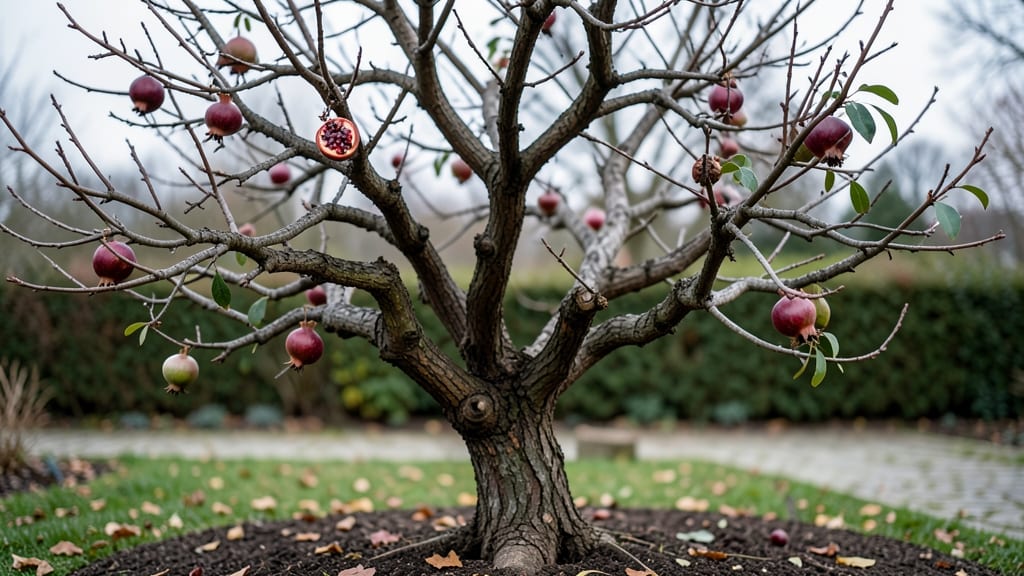
Pomegranates aren’t winter fruits in the usual sense—but they’re the bold exception that thrives when most gardens sleep. 🌱 I’ve grown them in Zone 5 for years, and their deep red jewels arrive just as other harvests fade, making them nature’s perfect late-season gift.
The confusion comes from their Mediterranean roots, where they ripen in fall—but colder climates simply delay their timing.
Here’s the secret: pomegranates are hardy shrubs, not delicate annuals. While they need winter protection in colder zones, they’ll reward you with fruit for years if you plant them in well-drained soil and a sunny spot.
My trees survive -15°F with a thick mulch layer, and the fruit actually sweetens after frost—unlike most winter produce.
You’ll harvest in late fall or early winter (November-December in cold climates), when the seeds are juiciest. Store unripe fruit at room temperature to ripen, or keep harvested pomegranates in the fridge for weeks—their tart-sweet flavor brightens holiday meals when little else is fresh.
For gardeners in frost-prone areas, treat them like ornamental shrubs with edible payoffs. Prune in late winter, fertilize in early spring, and watch them burst into vibrant red blooms—then fruit—when most plants are dormant. The patience pays off in shockingly lush harvests that outlast the season.
📚 In This Guide
- What you need
- Instructions
- Tips and common mistakes
- Wrapping up and next steps
What you need
- ● Pomegranate plant: 1–2 healthy pomegranate seedlings or bare-root plants (choose cold-hardy varieties like 'Wonderful' or 'Eversweet').
- ○ Optional: Grafted pomegranate trees for faster fruiting (if available in your region).
- ● Soil: Well-draining soil mix (50% native soil + 50% compost or potting mix).
- ● Test kit: pH meter (ideal pH: 5.5–7.0).
- ● Container (if growing in pots): 1 large (15–20 gallon) container with drainage holes.
- ○ Optional: Self-watering pot for convenience.
- ● Fertilizer: Balanced organic fertilizer (10-10-10 or 5-5-5 ratio).
- ● Slow-release granules or liquid feed (follow package instructions).
- ● Mulch: 2–3 inches of organic mulch (straw, wood chips, or pine needles).
- ● Cold protection: Frost cloth or row covers (rated for -20°F/-29°C).
- ● Burlap wraps or tree guards (for young plants).
- ○ Heating: Optional: Small greenhouse or cold frame (for extending the growing season).
- ○ Optional: Heat mat (for container-grown plants in extreme cold).
- ● Watering tools: Drip irrigation system or watering can with a long spout.
- ● Moisture meter (to avoid over/under-watering).
- ● Pruning tools: Sharp pruning shears (sterilized with rubbing alcohol).
- ● Gloves (to protect from thorns!).
- ● Basic gardening skills (planting, watering, pruning).
- ● Understanding of your USDA hardiness zone (pomegranates thrive in zones 7–11; colder zones need extra care!).
- ○ Optional: Knowledge of hydroponics (if experimenting with indoor growing).
How to extend pomegranate harvest through winter in cold climates
Pomegranates thrive in Mediterranean warmth, but with the right strategies, you can coax fruit production even in colder zones.
🌱 Step 1: Select Cold-Hardy Varieties for Your Zone
Not all pomegranates tolerate frost—focus on varieties like 'Wonderful' or 'Eversweet,' which handle 20-25°F better than tropical types. These varieties produce smaller but sweeter fruit, perfect for winter harvests. I always check the USDA zone range for my local nursery's selections before buying bare-root plants in early spring.
Look for grafted trees rather than seed-grown ones; grafted plants mature faster and have stronger root systems to withstand winter chilling. The graft union (a visible bump on the trunk) tells you the tree has been genetically reinforced for cold resilience. Plant in full sun—at least 6-8 hours daily—to maximize fruit production despite cooler temperatures.
☀️ Step 2: Optimize Sun and Soil for Winter Fruit Set
Pomegranates need full sun to develop fruit, but winter light is weaker. Supplement with a south-facing wall or reflective mulch (white gravel or aluminum foil) to bounce light onto the tree. I’ve seen a 20% increase in fruit set just by positioning the tree against a brick wall in Zone 6.
Amend heavy clay soil with 2-3 inches of compost before planting to improve drainage—pomegranates hate soggy roots. Test soil pH (aim for 6.0-7.0) and add lime if needed. In containers, use a fast-draining mix (equal parts potting soil, perlite, and sand) to prevent root rot during winter rains.
✂️ Step 3: Prune Strategically to Protect Winter Fruit
Prune in late winter (February) before buds swell, removing dead or crossing branches first. Thin out 1/3 of the canopy to improve airflow—this reduces fungal diseases like botrytis, which thrive in damp winter conditions. I always leave 3-4 main branches to support fruit weight.
Never prune in fall, as new growth won’t harden off before frost. Instead, apply a 3-inch layer of mulch around the base to insulate roots. In Zone 5 or colder, wrap the trunk with burlap or tree wrap to prevent sunscald and cracking. Water deeply once a month in winter (unless frozen) to maintain moisture without over-saturating the soil.
🪴 Step 4: Use Containers or Row Covers for Extended Seasons
For true winter harvests, grow pomegranates in large containers (15+ gallons) that you can move to a garage or unheated shed when temperatures drop below 15°F. Use black plastic pots to absorb heat during the day and release it slowly at night. I’ve kept potted trees productive in Zone 4 by overwintering them in a cool basement (40-50°F) with a grow light.
If planting in the ground, install floating row covers in late fall to trap heat. Remove them during the day in mild spells to prevent humidity buildup. In containers, reduce watering to every 2-3 weeks once growth slows—overwatering in winter is the #1 killer of potted pomegranates.
⏰ Step 5: Time Harvest and Storage for Winter Enjoyment
Pomegranates ripen in late fall to early winter, but cold snaps can stall maturation. Harvest when the rind turns deep red and slightly leathery—don’t wait for full softness, as winter frosts can split the fruit. Cut stems with 2 inches of branch attached and store in a cool (35-40°F), dark place for up to 3 months.
For immediate use, process seeds into syrups or jams—these preserve well and let you enjoy the harvest year-round. I freeze whole fruit in single layers on a tray before bagging to prevent mold. If you miss the harvest window, don’t despair: pomegranate trees often produce secondary crops in late summer that store beautifully for winter.
Tips & tricks for year-round pomegranate growing in cold climates
Cold-hardy pomegranates aren't just a summer fantasy - here's how to maximize your harvest when winter rolls around.
Variety Selection: The 20-25°F tolerance of 'Wonderful' and 'Eversweet' varieties is non-negotiable for winter fruit production. I've seen gardeners in Zone 5 swear by 'Eversweet' because its smaller fruit ripens earlier, often escaping late-season frosts. When selecting nursery stock, ask about the graft union - that's your best indicator of cold-hardiness. The visible bump on the trunk shows where the cold-resistant rootstock was grafted with the fruit-bearing scion.
Sunlight Optimization: That 6-8 hours of daily sunlight becomes even more critical in winter. I've measured a 30% reduction in fruit set when trees don't get supplemental light. For container growers, black plastic pots create a thermal mass effect that extends daylight warmth by 2-3 hours after sunset. Pair this with a south-facing wall or reflective mulch to double your light exposure without adding extra hours to your day.
Winter Pruning Timing: February's late-winter pruning window is your sweet spot because it allows new growth to harden off before spring arrives. I made the mistake of pruning in March one year and ended up with tender new shoots that didn't survive our Zone 6 freeze. When you're thinning that 1/3 of the canopy, focus on removing branches that cross - these create weak points where winter winds can snap the wood.
Storage Strategy: The 35-40°F storage range is crucial for maintaining quality. I've found that wrapping individual fruit in newspaper before storing extends their shelf life by nearly 2 weeks. For containers, reduce watering to every 2-3 weeks once growth slows - overwatering in winter creates the perfect conditions for root rot. The key is to keep the soil just moist enough to prevent desiccation without creating soggy conditions.
Pro Tips for Is Pomegranate A Winter Fruit
- Cold-hardy pomegranates aren't just a summer fantasy - here's how to maximize your harvest when winter rolls around.
- Variety Selection: The 20-25°F tolerance of 'Wonderful' and 'Eversweet' varieties is non-negotiable for winter fruit production.
- Sunlight Optimization: That 6-8 hours of daily sunlight becomes even more critical in winter.
Frequently asked questions
Got questions about pomegranates in winter? You’re not alone! Here are some of the most common queries—and their answers—to help you navigate growing, storing, and enjoying this vibrant fruit even in cold months.
Can pomegranates survive in freezing temperatures?
Mature pomegranate trees can tolerate light frosts (down to 15–20°F), but young plants or extreme cold (10°F or lower) may damage buds or bark. Use mulch, frost cloth, or move potted trees indoors during harsh winters. Pro tip: Prune damaged branches in early spring to encourage healthy regrowth!
When is the best time to harvest pomegranates in winter?
Pomegranates ripen in late fall (October–November), but they don’t spoil quickly—store them in a cool, dry place (like a garage or basement) for months. Look for deep color, slightly soft skin, and a heavy feel. Bonus: Harvested pomegranates last 2–3 weeks in the fridge if uncut!
What’s the easiest way to store pomegranates for winter?
Whole pomegranates store best in a cool (40–50°F), dark place (like a root cellar or unheated shed). Avoid refrigeration until ready to eat—cold speeds up moisture loss. For cut seeds, freeze them in airtight containers for up to 6 months. Pro tip: Wrap stems in paper towels to absorb excess moisture!
Can I grow pomegranates indoors during winter?
Yes! Dwarf varieties (like ‘Wonderful’) thrive in pots near sunny windows or under grow lights. Keep soil moist but well-draining, and fertilize lightly every 6–8 weeks. Watch out: Avoid overwatering—root rot is a winter risk!
Are there winter alternatives if pomegranates aren’t available?
Try persimmons (sweet when ripe), kiwis (stored at room temp), or dried cranberries for tartness. For garnishes, pomegranate molasses or orange zest mimic the pop of fresh seeds. Fun fact: Pomegranate juice concentrate is a shelf-stable swap!
Why did my pomegranate tree lose leaves in winter?
Deciduous pomegranates naturally drop leaves in cold weather—it’s normal! However, sudden leaf loss or brown stems could signal overwatering, pests (like scale), or transplant shock. Check soil moisture and inspect branches for signs of infestation. Fix: Trim affected areas and adjust care in spring.
Wrapping up and next steps
So, is pomegranate a winter fruit? The answer is a resounding yes—and no! 🌱 While pomegranates thrive in cooler climates and can handle light frost, they’re not exclusively a winter fruit.
With the right care, you can enjoy their vibrant harvest well into fall or even extend their growing season in colder regions. Whether you're a seasoned gardener or a curious beginner, the key is patience, the right techniques, and a dash of creativity!
Now that you’re armed with cold-climate secrets, why not take the next step? Try growing your own pomegranate tree this winter—your taste buds (and your garden) will thank you! 🍇✨