
Vegetables
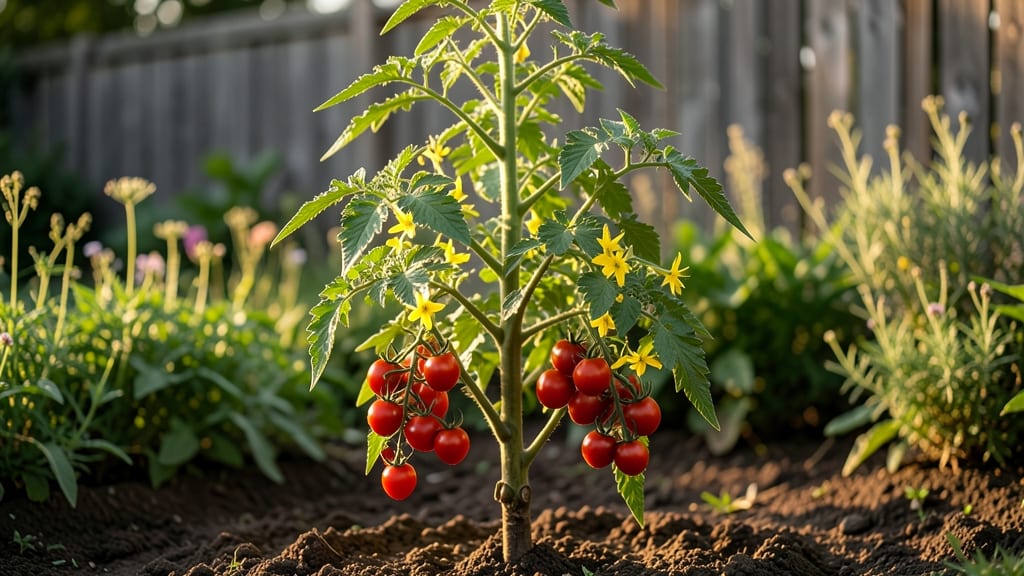
Growing Italian Ice tomatoes means frost-tolerant, perennial harvests that outlast your annual varieties. 🌱 These cold-hardy plants thrive where regular tomatoes would freeze—perfect for gardeners in zones 5-9 who want tomatoes without replanting every spring.
The secret lies in their unique ability to survive winter and bounce back stronger each year, especially when grown in containers.
You’ll need well-draining soil, 5-gallon pots for each plant, and a sunny spot with at least 6-8 hours of light daily. Italian Ice tomatoes love cool weather and hate soggy roots, so raised beds or containers with drainage holes are ideal.
Start with transplants in early spring or sow seeds indoors 8-10 weeks before last frost—they germinate slower than heirlooms but reward patience with sweeter, more complex flavor than store-bought varieties.
Once established, these plants produce small, icebox-sized tomatoes with a tangy, almost citrusy kick—think garden-fresh salsa or bruschetta toppings. They resist common tomato diseases like blight and crack less than beefsteaks, making them low-maintenance superstars for busy gardeners.
Water consistently but avoid wetting leaves to prevent fungal issues, and feed lightly with compost tea every 4-6 weeks.
Harvest begins 60-70 days after transplanting, and the plants keep producing until frost. In pots, you can even bring them indoors over winter in mild climates, though they’ll need dormancy in colder zones.
The real magic? No replanting, no seed shopping—just perennial productivity that turns your patio into a year-round tomato powerhouse.
📚 In This Guide
- What you need
- Instructions
- Tips and common mistakes
- Wrapping up and next steps
What you need
- ● Container: At least 5-gallon fabric grow bags or pots (12"+ diameter) with drainage holes. Pro tip: Use two pots for better stability if growing in colder climates! 🌡️
- ● Potting Mix: High-quality, well-draining mix (e.g., 50% coco coir, 30% perlite, 20% compost). Avoid garden soil—it compacts too easily! 🌱
- ● Italian Ice Tomato Seeds or Plants: Seeds: 2–3 per pot (germination rate varies; plant extras just in case!).
- ● Young Plants: 1 per pot (transplant after last frost).
- ● Support: 6-foot tomato cage, trellis, or stakes (this vine needs climbing space!).
- ● Fertilizer: Balanced 10-10-10 or 5-5-5 organic fertilizer (start with 1 tbsp per pot at planting).
- ○ Slow-release osmocote (optional but helpful for perennials).
- ● Mulch: Straw or shredded leaves (2–3 inches) to retain moisture and regulate soil temp. ✨
- ● Watering Can or Hose: With a gentle spray nozzle (avoid soaking the leaves!).
- ● Pruning Shears: For trimming suckers and shaping the plant (sterilize with rubbing alcohol!).
- ● Cold Frame or Row Cover: For overwintering perennials in zones 7–9 (extends growing season!).
- ● Mycorrhizal Fungi: Adds to potting mix to boost root health (especially for perennials).
- ● pH Test Kit: Ideal pH for tomatoes: 6.0–6.8 (adjust with lime or sulfur if needed).
- ● Compost Tea: Weekly foliar spray for extra nutrients (great for perennials!).
- ● Heat Mat: If starting seeds indoors (keeps soil at 70–80°F for faster germination).
Step-by-step instructions for growing Italian Ice tomatoes in pots
Here's how to revive this cold-hardy heirloom variety with minimal fuss—your first harvest will surprise you.
🌱 Step 1: Select Containers and Prepare Soil Mix
Choose 10-12 gallon containers with drainage holes for each plant—Italian Ice tomatoes thrive in deep pots that mimic their natural vine growth. I use unglazed terra cotta because it breathes and prevents root rot in cooler climates. Fill each pot with a mix of 60% premium potting soil, 30% compost, and 10% perlite for aeration.
Moisten the mix until it feels like a damp sponge—you should see moisture bead on the surface but not pool. Press down lightly to eliminate air pockets, then create a 2-inch deep planting hole in the center. This ensures roots establish quickly in the cooler soil temperatures these tomatoes prefer.
☀️ Step 2: Plant Transplants and Position for Light
Set your 4-week-old transplant into the hole, spreading roots gently without bending them. Italian Ice tomatoes hate root disturbance, so I always use biodegradable pots for the initial transplant to avoid transplant shock. Fill the hole with soil, pressing firmly around the base to eliminate gaps.
Place containers in a location with 6-8 hours of direct sun daily—morning sun is ideal for cooler climates. If your space gets intense afternoon heat, move pots to partial shade after 10 AM to prevent sunscald on tender leaves. You'll notice stronger stems and earlier fruiting when plants aren't stressed by midday heat.
💧 Step 3: Water Deeply and Establish Routine
Water immediately after planting until water runs freely from drainage holes—this settles soil and removes air pockets. Italian Ice tomatoes need 1-1.5 inches of water weekly, but I check soil moisture by sticking my finger 2 inches deep. When it feels dry, water thoroughly at the base rather than overhead.
Mulch with 2 inches of straw to retain moisture and regulate soil temperature. This is especially important for perennials—they'll reward you with years of production if you maintain consistent moisture without waterlogging. Avoid wetting leaves to prevent fungal diseases common in humid climates.
✂️ Step 4: Prune and Support for Maximum Yield
Install tall tomato cages (6 feet minimum) or a sturdy trellis immediately—Italian Ice tomatoes grow 6-8 feet tall and need support. Prune suckers (the small shoots in leaf axils) when they're no larger than a pencil to redirect energy to fruit production. I remove suckers weekly during the growing season.
Pinch off the first flower cluster when the plant reaches 24 inches tall—this encourages stronger vine growth before fruiting. You'll see bushier plants with more clusters when you delay flowering until the plant has established a robust root system. Harvest when tomatoes reach full color but remain slightly firm to the touch.
🌿 Step 5: Overwinter and Revive for Next Season
When frost threatens, cut back vines to 6 inches above soil level and move pots to a protected location (like a garage with natural light). Water sparingly during dormancy—just enough to prevent soil from drying completely. Italian Ice tomatoes are hardy to Zone 5, but container-grown plants need winter protection.
In early spring, resume regular watering and fertilize with balanced 10-10-10 when new growth appears. You'll often see leaves emerge within 2-3 weeks of breaking dormancy—this is your signal to resume care. With proper overwintering, these perennials produce heavier yields each subsequent year.
Tips & tricks for growing Italian Ice tomatoes in pots
These cold-hardy perennials reward patience—here's how to maximize your harvest without the guesswork.
Container Selection: Unglazed terra cotta pots are ideal for Italian Ice tomatoes because their porous nature helps regulate soil moisture and temperature, which these cool-climate varieties thrive in. If you must use plastic, choose containers with at least 10 gallons capacity and ensure they have proper drainage—root rot from waterlogging is the silent killer of container-grown tomatoes. I've found that wider pots (18-20 inches in diameter) actually perform better than tall, narrow ones because they provide more stable base support for the plant's eventual height.
Light Management: The 6-8 hours of direct sun requirement is non-negotiable, but timing matters just as much. In hotter climates, I've seen Italian Ice tomatoes develop sunscald when exposed to intense afternoon sun. Try positioning your pots to receive morning sun first, then move them to partial shade after 10 AM if your area experiences temperatures above 85°F. You'll notice healthier foliage and fewer sunspots on the fruit when you follow this schedule—it's worth the extra effort for a better harvest.
Pruning Strategy: When pruning suckers, aim for consistency—remove them when they're no larger than a pencil, but don't wait until they're thicker than your thumb. These small shoots compete with your main plant for nutrients, and removing them weekly keeps energy flowing to fruit production. I also recommend pruning in the morning when the plants are turgid—this makes the stems easier to handle and reduces stress on the plant. The 24-inch height before pinching the first flower cluster is crucial; this ensures the plant has developed enough root mass to support heavy fruiting.
Overwintering Insight: The 6-inch pruning before winter is more about protecting the plant's energy reserves than about aesthetics. When you cut back aggressively, you're encouraging the plant to focus on root development rather than maintaining above-ground growth. In Zone 5 and colder, I've had success moving pots to unheated garages with natural light—just make sure temperatures don't drop below 30°F. You'll be amazed at how quickly these perennials bounce back in spring with proper winter care.
Pro Tips for Italian Ice Tomato
- These cold-hardy perennials reward patience—here's how to maximize your harvest without the guesswork.
- Container Selection: Unglazed terra cotta pots are ideal for Italian Ice tomatoes because their porous nature helps r...
- Light Management: The 6-8 hours of direct sun requirement is non-negotiable, but timing matters just as much. In hott...
Frequently asked questions
Got questions about growing Italian ice tomatoes?
You’re not alone! Here are some of the most common concerns—plus quick, practical answers to help you cultivate these cold-hardy beauties like a pro.
Can Italian ice tomatoes really survive frost?
Unlike traditional tomatoes, Italian ice tomatoes are bred to tolerate light frosts (down to 20°F/-7°C) and can even regrow from the roots after winter. Just protect young plants with row covers or mulch in early spring for extra safety. Their cold-hardy nature makes them perfect for growers in cooler climates.
How long does it take for Italian ice tomatoes to produce fruit?
Patience pays off! From seed, expect 60–80 days to harvest, though established plants may fruit faster in subsequent years. Early blooms often get nipped by frost, but don’t worry—once temperatures stabilize, you’ll see a steady crop. Prune suckers lightly to encourage faster fruiting.
What’s the best way to overwinter Italian ice tomatoes?
These perennials thrive with minimal winter care. After the first frost, cut back foliage to 6–12 inches and mulch heavily with straw or leaves. In Zone 5 or colder, move potted plants to a sheltered spot (like a garage) or bury them in the ground for insulation. Resume pruning in early spring.
Can I grow Italian ice tomatoes in containers?
Yes! They’re ideal for pots—use a 5-gallon container minimum with drainage holes and a mix of potting soil and compost. Place them in full sun and water consistently. Just ensure the pot stays stable (they can get top-heavy with fruit) and fertilize lightly every 4–6 weeks during growing season.
Why aren’t my Italian ice tomatoes fruiting?
Common culprits include cool temps (they need warmth to pollinate), over-pruning (leave some leaves for energy), or nutrient deficiencies (add compost or a balanced fertilizer). Hand-pollinate flowers with a brush if bees are scarce, and check for pests like aphids that can stress plants.
Wrapping up and next steps
Growing Italian ice tomato in pots isn’t just a rewarding hobby—it’s a delicious way to enjoy a cold-hardy, perennial gem year after year! With the right soil, sunlight, and care, you’ll soon be savoring sweet, tangy tomatoes that thrive even in cooler climates. 🌱
Ready to take the next step? Start by planting your seedlings this season, and don’t forget to share your progress with fellow gardeners—your harvest might inspire others to try this unique variety! 🍅✨