
Vegetables
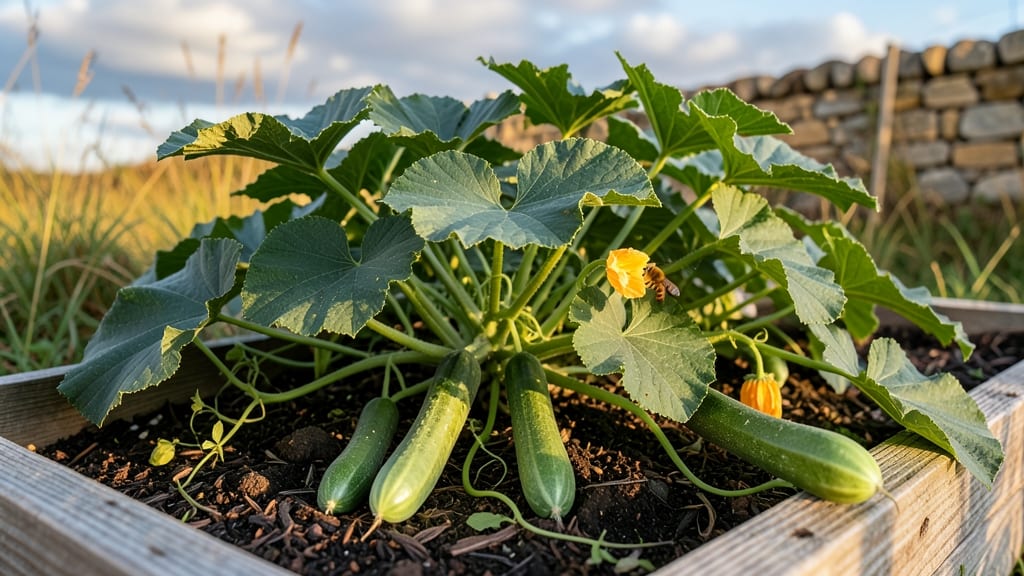
Growing jelly melon cucumbers and cucumbers together in containers is my secret weapon for small-space gardens. 🌱 These tiny, sweet fruits thrive side by side, producing harvests that outshine store-bought produce—especially when you follow the right spacing and care routine.
The beauty of this duo is their adaptability: jelly melons love warm climates but tolerate cooler seasons better than most cucumbers. Both plants climb happily on a simple trellis, saving space and keeping fruits clean.
My 5-gallon containers produce enough for summer snacks, and the combination of textures—crisp cucumbers alongside jelly melons' unique bumpy skin—makes every harvest exciting. You'll start seeing tiny jelly melons in just 6-8 weeks, while cucumbers follow shortly after. The flavor?
A perfect balance of sweet and tangy, especially when picked young. This pair is ideal for balconies, patios, or even sunny windowsills with the right setup. Here's the game-changer: these plants are disease-resistant and rarely attract pests, meaning fewer sprays and more eating. Let's get your container garden growing!
📚 In This Guide
- What you need
- Instructions
- Tips and common mistakes
- Wrapping up and next steps
What you need
- ● Containers: 2–3 5-gallon fabric grow bags or plastic pots with drainage holes (12–18 inches deep).
- ○ Optional: Self-watering containers to reduce maintenance.
- ● Growing Medium: High-quality potting mix (sterilized, well-draining). Avoid garden soil.
- ○ Optional: Perlite or vermiculite (10% by volume) for extra aeration.
- ● Seeds or Seedlings: Jelly melon seeds (Melothria scabra) – 3–5 seeds per container.
- ● Cucumber seeds (Cucumis sativus, bush variety) – 2–3 seeds per container.
- ○ Optional: Pre-sprouted seedlings (check local nurseries for cold-hardy varieties).
- ● Support Structures: Small trellis or tomato cages (for cucumbers; jelly melons are vining but compact).
- ● Tools: Gloves (for handling soil/seeds).
- ● Watering can with spray nozzle or drip irrigation kit.
- ● Trowel or small hand shovel.
- ● 🌤️ Sunlight: Full sun (6–8 hours daily). Place containers in a south-facing spot or under grow lights.
- ● 🌡️ Temperature: Ideal: 60–75°F (15–24°C) for germination.
- ● Avoid frost (below 50°F/10°C)—these are warm-season plants!
- ● 💧 Watering: Keep soil consistently moist (not soggy). Containers dry out faster!
- ○ Optional: pH test kit (ideal range: 6.0–6.8 for cucumbers; jelly melons are more flexible).
Step-by-Step instructions for growing jelly melons and cucumbers in containers
Here’s how to pair these cool-season vining plants for maximum yield in limited space.
🪴 Step 1: Select and Prepare Containers for Both Plants
Choose a 5-gallon container with multiple drainage holes—jelly melons and cucumbers need room to sprawl. I use fabric grow bags because they prevent root circling and allow excess water to evaporate. Fill the container with a lightweight potting mix amended with 20% perlite for drainage. Avoid garden soil; it compacts and suffocates roots.
Tap the container gently to settle the soil without compacting it. The mix should feel like a damp sponge—moist but not soggy. Add a slow-release fertilizer (5-10-5 ratio) mixed into the top 2 inches of soil. This ensures nutrients are available as roots establish. I also place a 3-inch layer of coconut coir at the bottom for extra moisture retention.
🌱 Step 2: Plant Seeds or Transplants at the Right Time and Depth
Sow jelly melon and cucumber seeds 4-6 weeks before the last frost indoors or direct-sow after soil reaches 60°F. Plant 2-3 seeds per container, spaced 1 inch apart, at a depth of ½ inch. Cover lightly with soil and mist gently with water. Overwatering now can cause seeds to rot before sprouting.
If using transplants, choose healthy 4-6 inch seedlings with 3-4 true leaves. Plant them 12 inches apart in the container to allow room for vines. Bury the stem up to the first set of leaves—this encourages stronger root growth. Water deeply after planting to settle the soil and eliminate air pockets around the roots.
☀️ Step 3: Provide Support and Optimal Light Conditions
Install a 5-foot trellis or tomato cage immediately after planting. Jelly melons and cucumbers are vigorous vines that need support to climb. Train the main stem along the trellis and prune side shoots to 6 inches to encourage upward growth. You’ll see faster fruit production when vines are vertical and not sprawling.
Place the container in a spot with full sun (6-8 hours daily). A south-facing window or balcony works, but supplement with a grow light if natural light is insufficient. Leggy seedlings with pale leaves mean more light is needed. Keep the container 4-6 inches from the light source to prevent burning.
💧 Step 4: Water and Fertilize for Maximum Yield
Water deeply every 2-3 days, ensuring the top 2 inches of soil feel dry before rewatering. Drip irrigation or a self-watering system works best—it keeps moisture consistent without overwatering. Avoid wetting the leaves, as this can lead to powdery mildew, a common fungal issue with cucurbits.
Feed plants every 2 weeks with a balanced liquid fertilizer (10-10-10) once vines reach 12 inches. Reduce nitrogen slightly (5-10-10) when flowers appear to encourage fruiting. You’ll notice healthier foliage and more blooms within a week of consistent feeding. Stop fertilizing 2 weeks before harvest to improve flavor.
✂️ Step 5: Prune and Harvest for Continuous Production
Prune yellow or diseased leaves immediately to improve airflow and prevent spread. Pinch off the tip of the main vine after 4-5 leaves to encourage bushier growth. This method increases fruit yield by promoting lateral branches. Harvest jelly melons when they’re 4-6 inches long and firm, and cucumbers at 6-8 inches for best texture.
Pick fruits every 2-3 days to stimulate more production. Overripe fruits on the vine signal the plant to slow down. Store harvested jelly melons at 50-55°F for up to 2 weeks, and cucumbers at 45-50°F for 5-7 days. You’ll get continuous harvests if you keep up with pruning and picking.
Tips & tricks for growing jelly melons and cucumbers in containers
These pro tips will help you maximize your harvest while avoiding common pitfalls with container gardening.
Container Selection: Fabric grow bags are ideal because they expand as roots grow, preventing root-bound stress. If using traditional pots, choose ones with at least 5 gallons capacity and multiple drainage holes—this is non-negotiable for preventing root rot. I've seen gardeners use old rain barrels with holes drilled in the bottom for creative solutions, but ensure the material won't degrade over time.
Soil Preparation: The 20% perlite amendment in Step 1 is crucial for preventing compaction. For even better drainage, I like to add 1 cup of vermiculite per 5-gallon container—this creates air pockets while retaining moisture. Avoid mixing in compost at this stage; wait until after germination when roots need organic matter more. The 3-inch coconut coir layer at the bottom works wonders for moisture retention in hot climates.
Light Optimization: The 6-8 hours of full sun requirement means positioning matters. If your balcony faces east-west, consider a rotating trellis system to ensure both plants get equal sunlight exposure throughout the day. For indoor growers, LED grow lights should be placed 12-18 inches above plants during the 12-14 hours of light they need daily—closer for seedlings, farther for mature plants.
Pruning Strategy: When pinching the main vine after 4-5 leaves in Step 5, focus on creating a bushier growth habit rather than just removing leaves. I recommend keeping 2-3 lateral branches per main stem**—this balances fruit production with plant energy. For jelly melons specifically, prune any side shoots growing below the first 6 inches of the main stem to direct energy upward where it's needed most.
Pro Tips for Jelly Melon Cucumber
- These pro tips will help you maximize your harvest while avoiding common pitfalls with container gardening.
- Container Selection: Fabric grow bags are ideal because they expand as roots grow, preventing root-bound stress. If u...
- Soil Preparation: The 20% perlite amendment in Step 1 is crucial for preventing compaction. For even better drainage,...
Frequently asked questions
Got questions about growing jelly melons and cucumbers together?
You’re not alone! Here are answers to the most common queries to help you cultivate this refreshing duo with confidence.
Can jelly melons and cucumbers grow well together in the same container?
Both thrive in similar conditions—warm soil, full sun, and consistent moisture. Just ensure your container is at least 12–18 inches deep and 18+ inches wide to accommodate their sprawling vines. Use a trellis or cage to save space and improve airflow, reducing disease risk.
How long does it take for jelly melons and cucumbers to produce fruit?
Timing varies slightly, but expect:
- Cucumbers: 50–70 days from transplanting (or 60–75 days from seed).
- Jelly melons (e.g., Cucumis melo var. flexuosus): 70–90 days. Warmer temperatures (75–90°F) speed up fruiting.
Start seeds indoors 2–3 weeks before your last frost for a head start!
What’s the best way to water jelly melons and cucumbers in containers?
Consistency is key! Water deeply 1–2 inches per week, aiming for the soil (not leaves) to prevent fungal issues. Containers dry out faster, so check moisture daily during heatwaves. Use drip irrigation or a soaker hose to avoid wetting foliage. Mulch with straw to retain moisture and keep roots cool.
Can I substitute jelly melons with another vine for my cucumbers?
Yes! Try these container-friendly alternatives:
- Winter melons (e.g., Benincasa hispida): Hardy and drought-tolerant.
- Sponge gourds (Luffa aegyptiaca): Edible fruit and fibrous cores for scrubbing.
- Mini pumpkins (e.g., ‘Jack Be Little’): Compact and ornamental.
Just match their sun, water, and space needs to cucumbers.
Why are my jelly melons or cucumbers wilting or developing yellow leaves?
Common culprits include:
- Underwatering: Soil feels dry 1–2 inches down. Increase frequency.
- Overwatering: Roots suffocate in soggy soil. Ensure pots have drainage holes.
- Pests: Check for aphids, cucumber beetles, or spider mites. Spray with neem oil or insecticidal soap.
- Nutrient deficiency: Yellowing leaves? Fertilize with a balanced veggie feed (10-10-10) every 3–4 weeks.
Rotate containers for even sun exposure too!
Wrapping up and next steps
Growing jelly melon and cucumber together in containers isn’t just space-efficient—it’s a refreshing way to enjoy two vibrant, cool-season crops with minimal effort! 🌱 Their complementary needs make them the perfect pair, whether you’re a beginner or a seasoned gardener.
Now that you’re armed with the right materials and answers to common questions, it’s time to roll up your sleeves and get planting.
Ready to harvest the rewards? Start small with a container, experiment with varieties, and watch your garden thrive. Happy growing—your future salads (or snacks!) are waiting! 🥒✨