
Vegetables
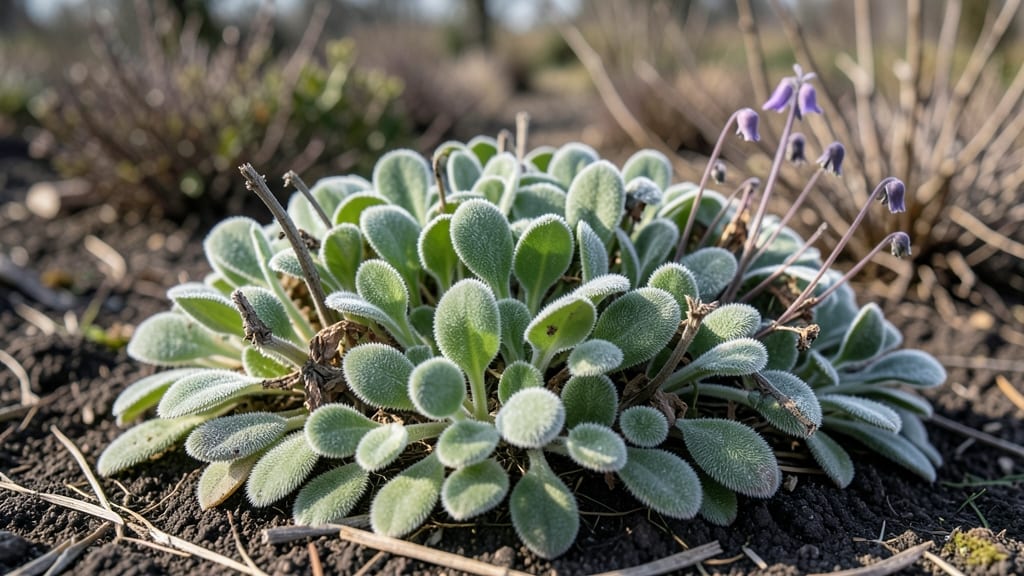
Lamb's ear survives winter with the right care—its silvery-fuzzy foliage becomes even more stunning after frost. 🌿 I've kept mine thriving through Zone 5 winters by treating it like a frost-tolerant perennial, not an annual.
The key is protecting the roots while letting the leaves take on that magical winter sheen. Most gardeners make one critical mistake: cutting back too early. Wait until late winter (just before new growth appears) to prune—this gives the plant time to recover.
A 3-4 inch layer of mulch around the base insulates roots from temperature swings, while a lightweight frost cloth on especially cold nights prevents leaf burn. By spring, your lamb's ear will bounce back with vibrant new growth, often greener than before winter.
The plant's natural resilience means you'll enjoy its velvety texture for years, not just one season. Even in colder zones, it often returns stronger than ever. For gardeners in Zone 8 and warmer, lamb's ear stays evergreen year-round with minimal care.
The real magic happens in transitional zones—where it gets that frost-kissed look without dying back completely. Here's how to make it work in your climate!
📚 In This Guide
- What you need
- Instructions
- Tips and common mistakes
- Wrapping up and next steps
What you need
- ● Lamb’s ear plants (Stachys byzantina): 3–5 mature plants (or seeds, if starting from scratch). Choose healthy, disease-free specimens with lush, silver-gray foliage.
- ● Well-draining potting soil: 1–2 bags (10–15 quarts each) of high-quality, organic potting mix. Pro tip: Amend with perlite or sand (1 part perlite to 3 parts soil) for extra drainage!
- ● Containers or garden beds: For containers: 3–5 pots (12–14 inches in diameter) with drainage holes. Terracotta or ceramic works best!
- ● For garden beds: A sunny, sheltered spot (6+ hours of light) with loose, rocky soil. Avoid heavy clay.
- ● Garden gloves: 1 pair (to protect your hands from prickly stems).
- ● Pruning shears: Small, sharp pair for trimming and shaping.
- ● Watering can or hose with a gentle spray nozzle: Lamb’s ear hates soggy roots—water lightly but consistently.
- ● Mulch (gravel or straw): Spread a 1–2 inch layer around plants to insulate roots during frosty nights.
- ● Slow-release fertilizer (balanced 10-10-10): 1–2 tablespoons per plant in early spring to boost growth.
- ● Decorative stones or pebbles: For a polished, winter-ready look in containers.
- ● Frost cloth (lightweight): If your zone dips below 10°F (-12°C), drape over plants for extra protection.
Step-by-Step guide for preparing lamb's ear for winter
Here's how to transform your lamb's ear into a frost-tolerant winter star—keeping its velvety texture and silvery charm through cold months.
🪴 Step 1: Select Healthy Plants and Assess Winter Hardiness
Choose lamb's ear plants that show no signs of disease or pest damage—look for sturdy stems and vibrant silver foliage. Lamb's ear (Stachys byzantina) thrives in USDA zones 4-9, but younger plants or those in containers need extra protection. If your plants are in the ground and established, they’ll likely survive winter with minimal intervention.
Check your local frost dates—once temperatures consistently drop below 20°F, your lamb's ear will need winter care. The key is preventing frost damage to the foliage while allowing roots to stay dormant naturally. I always inspect plants in late fall to ensure they’re healthy enough for winter.
✂️ Step 2: Prune and Prepare for Dormancy
In late autumn, trim back any yellowed or damaged leaves to 1-2 inches above the ground, using clean, sharp pruners. This reduces moisture retention and prevents rot. Avoid cutting into woody stems—lamb's ear is a perennial, and new growth will emerge from the base in spring.
Remove any spent flowers or seed heads to redirect the plant’s energy toward root development. I like to do this in early November, just before the first hard frost. The goal is to create a tidy, low-profile plant that can better withstand snow and ice accumulation.
🌿 Step 3: Mulch for Insulation and Moisture Control
Spread a 2-3 inch layer of organic mulch (like shredded bark or straw) around the base of the plant, keeping it 2-3 inches away from the stems to prevent rot. Mulch acts as an insulator, protecting roots from extreme temperature fluctuations and retaining soil moisture during dry winter spells.
For container-grown lamb's ear, move pots to a sheltered location (like a garage or under an eave) before temperatures drop below 15°F. If you can’t move them, wrap pots in burlap or frost cloth and place them on a bed of straw or leaves to cushion against freezing. Check mulch periodically—if it compacts, fluff it up to maintain airflow.
☀️ Step 4: Monitor and Adjust for Frost Conditions
Once winter arrives, keep an eye on your lamb's ear during hard freezes. If temperatures are forecasted to drop below 10°F, cover the plant with a lightweight frost blanket or even an old sheet, securing it with rocks or stakes. Remove the cover on warm days to prevent overheating or moisture buildup.
Watch for signs of frost damage—crispy, brown edges on leaves mean the plant is struggling. If this happens, trim back the damaged foliage in early spring to encourage fresh growth. Lamb's ear is resilient, and even severely frosted plants often bounce back with proper care.
🌱 Step 5: Plan for Spring Revival
As temperatures rise in late winter, reduce mulch thickness to 1 inch to allow soil to warm and encourage root activity. Lamb's ear typically emerges from dormancy when soil temperatures reach 45°F, so avoid disturbing it too early.
Once new growth appears (usually by mid-to-late March in most climates), remove any remaining mulch and fertilize lightly with a balanced, slow-release fertilizer. This jumpstarts the plant’s energy for the growing season ahead. I always do a final check for overwintering pests—like slugs or aphids—and treat if necessary before growth takes off.
Tips & tricks for perfect winter lamb's ear care
These pro strategies will help your lamb's ear survive winter with its signature velvety texture intact.
Timing for Pruning: When you're trimming in Step 2, focus on removing only the damaged foliage—never cut into the woody stems. I've learned the hard way that cutting too aggressively can expose the plant to cold air currents that weaken it. The goal is to create a low profile that naturally sheds snow, not to strip the plant bare. Aim for that 1-2 inch height above ground to balance protection and airflow.
Mulch Layer Precision: That 2-3 inch mulch layer in Step 3 is critical for insulation, but placement matters just as much. Keep it 2-3 inches away from stems to prevent rot—this creates a microclimate that protects roots while allowing air circulation. I've seen many gardeners make the mistake of piling mulch right against the stems, which can trap moisture and lead to fungal issues during winter's occasional thaws.
Frost Protection Strategy: When temperatures drop below 10°F in Step 4, your frost blanket should be lightweight enough to allow sunlight penetration during daytime thaws. I use old bedsheets that let light through while still providing protection. The key is to remove covers during warm days to prevent overheating—lamb's ear can't handle the stress of rapid temperature swings, even in winter.
Spring Revival Cues: The 45°F soil temperature threshold in Step 5 is your signal to reduce mulch thickness. I test soil temperature with a simple thermometer inserted 2 inches deep—this gives you an accurate reading of what the roots are experiencing. Once you see new growth in mid-to-late March, that's your cue to remove remaining mulch completely and prepare for the growing season ahead.
Pro Tips for Lambs Ear Winter
- These pro strategies will help your lamb's ear survive winter with its signature velvety texture intact.
- Timing for Pruning: When you're trimming in Step 2, focus on removing only the damaged foliage—never cut into the woody stems.
- Mulch Layer Precision: That 2-3 inch mulch layer in Step 3 is critical for insulation, but placement matters just as much.
Frequently asked questions
Got questions about growing lamb’s ear through winter? You’re not alone! Here are some of the most common queries—and their answers—to help you master this frost-tolerant beauty.
Can lamb’s ear survive heavy frost or snow?
Lamb’s ear (Stachys byzantina) is a hardy perennial that thrives in winter’s chill—even down to -20°F (-29°C)! Its fuzzy leaves act like a natural insulator, protecting the plant from light frost. Snow? No problem! Just brush it off gently to prevent mold. For extra protection in extreme zones, mulch with straw or leaves.
How do I prepare lamb’s ear for winter planting?
Start by choosing a well-draining, sunny spot (6+ hours of light). Amend soil with compost for nutrients, then plant in early fall (4-6 weeks before first frost). Water deeply but avoid soggy soil—lamb’s ear hates wet feet. Trim back any leggy growth in late summer to encourage bushier, frost-resistant foliage.
Will lamb’s ear grow back in spring if cut back in winter?
Yes! While it’s tempting to prune lamb’s ear in winter, resist the urge until early spring (when new growth appears). Cutting back too early removes the plant’s energy reserves. Instead, lightly shape it in late winter or wait until spring to revive its velvety texture. Deadheading spent blooms in fall also encourages healthier regrowth.
Are there winter-hardy alternatives to lamb’s ear?
If you love winter texture but want variety, try these cold-resistant plants:
- Sedum (Stonecrop) – Succulent leaves stay crisp in frost.
- Heuchera (Coral Bells) – Vibrant foliage thrives in shade.
- Russian Sage – Silvery stems add height and winter interest.
- Ornamental Grasses (e.g., Miscanthus) – Feathery plumes hold up to snow.
Why is my lamb’s ear turning brown in winter?
Brown patches in winter are usually caused by overwatering, fungal issues, or cold stress. Check soil moisture—lamb’s ear prefers dry conditions. If mold appears, improve airflow by spacing plants farther apart. For severe browning, trim affected leaves in early spring. A light application of copper fungicide (if needed) can also help prevent spread.
Still stumped? Drop your question in the comments—we’re happy to help your lamb’s ear shine all winter long!
Wrapping up and next steps
Transforming your winter garden with lamb’s ear is a rewarding way to add soft, velvety texture and year-round interest—even in the coldest months! 🌿 Whether you’re a seasoned gardener or just starting out, these frost-resistant plants bring elegance and resilience to your outdoor space.
With the right care and a little creativity, you’ll enjoy their lush beauty long after other greenery fades.
Ready to elevate your garden? Start small—plant a few lamb’s ear varieties this season and experiment with placement. Before you know it, your winter landscape will be a serene, touchable masterpiece! 🌟