
Vegetables
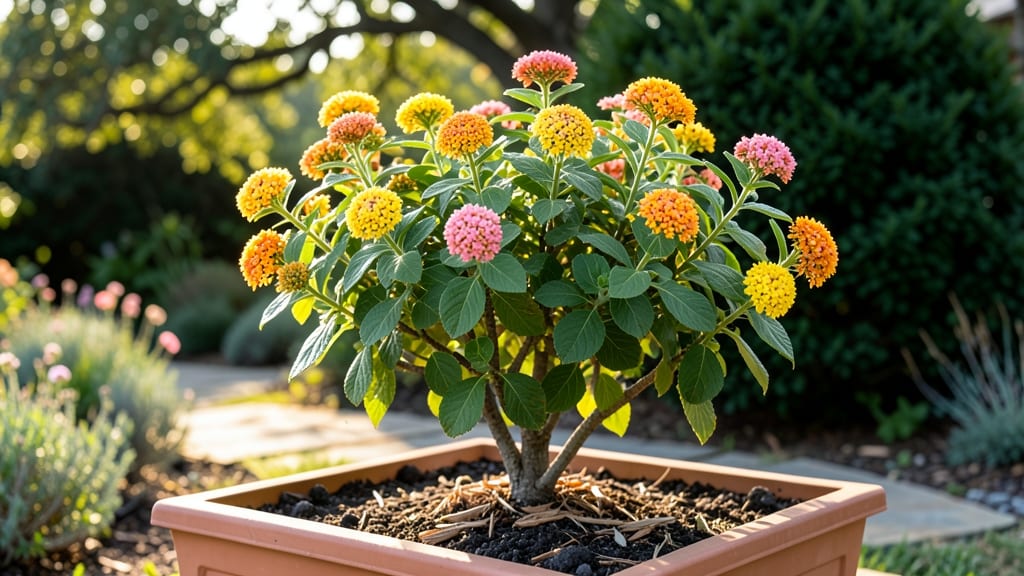
Lantana in winter isn’t as scary as it seems—these tough plants bounce back with the right care. 🌱 I’ve learned the hard way that a little pruning and protection go a long way, especially in zones where frost hits hard.
The key is understanding whether your lantana will die back or survive, then giving it the support it needs to rebound. Most lantana varieties aren’t cold-hardy below 10°F, but they handle light freezes surprisingly well.
In colder climates, you’ll need to prune back the stems to 6-12 inches and either mulch heavily or bring potted plants indoors. The secret is keeping the roots alive—once spring arrives, new growth will burst from the base like clockwork.
You’ll end up with a bushier, more vibrant plant by spring, often flowering even earlier than before. The foliage might look crispy after frost, but don’t panic—those stems are just waiting for warmer weather to regrow.
With the right approach, your lantana will reward you with months of blooms instead of a winter write-off. Works for garden beds, containers, or even as a houseplant with proper light. Here’s how to keep yours thriving through the cold months—no green thumb required!
📚 In This Guide
- What you need
- Instructions
- Tips and common mistakes
- Wrapping up and next steps
What you need
- ● Cold-hardy lantana plants: Choose varieties like Lantana camara ‘New Gold’ or Lantana ‘Bandana’, which tolerate light frost (down to 20–25°F). Verify your zone’s hardiness!
- ● Mulch: Organic mulch (e.g., straw, shredded leaves, or pine needles) – 2–3 inches to insulate roots.
- ○ Inorganic mulch (e.g., landscape fabric) – Optional for extra protection in Zone 8 or colder.
- ● Pruning shears: Sharp, bypass-pruners (for clean cuts) or hedge shears (for shaping).
- ● Frost cloth or row covers: Lightweight (30–50% shade) fabric for temporary cover during hard freezes (<25°F).
- ● Container or pot (if repotting): 1–2 gallons per plant, with drainage holes. Use terracotta or fabric pots for better airflow.
- ● Slow-release fertilizer: Balanced (10-10-10 or 20-20-20), 1–2 tbsp per plant in early spring.
- ● Greenhouse or cold frame: For Zone 7 or colder—extends the growing season by 2–4 weeks.
- ● Heat mat or grow lights: If overwintering indoors (6–8 hours of light/day).
- ● Anti-desiccant spray (e.g., Wilt-Pruf): Protects leaves from winter drying if humidity drops.
- ● Soil moisture meter: Ensures roots stay lightly moist (not soggy) during dormancy.
How to protect and revive lantana through winter freezes
Lantana thrives on resilience—here’s how to shield it from frost and coax those vibrant blooms back to life.
🪴 Step 1: Assess Your Lantana’s Hardiness Zone
First, check your USDA hardiness zone to determine how much protection your lantana needs. Most common varieties (like Lantana camara) survive light frosts down to zone 9, but anything below 25°F will damage or kill the plant. If you’re in zones 8 or colder, plan for winter protection—even if your lantana has rebounded before.
Look for signs of past frost damage: brown, crispy leaves or blackened stems. If your lantana has survived winters before, it’s likely tougher than you think—but don’t assume. Cold snaps can still sneak in. I always err on the side of caution, especially for young plants still establishing roots.
☀️ Step 2: Choose the Right Winter Protection Method
For mild winters (zones 9-10), lantana can often handle frost with minimal intervention. Just mulch the base with 2-3 inches of shredded bark or straw to insulate roots. This is enough to protect most varieties from brief dips below 28°F. If you’re in zone 8 or colder, you’ll need more aggressive protection.
For colder climates, I wrap the entire plant in burlap or frost cloth after the first frost warning. Secure it loosely—lantana needs airflow to avoid rot. If your lantana is in a container, move it to a sheltered spot like a garage or under an eave, but never indoors—lantana needs dormancy to rebound properly.
⏰ Step 3: Prune Back After Frost Damage
Once temperatures rise above 40°F in spring, inspect your lantana for damage. Cut back any blackened or mushy stems with clean, sharp pruners—these won’t recover. Healthy green stems will sprout new growth from the base. I prune aggressively but leave 2-3 inches of stem above the soil line to encourage regrowth.
If your lantana looks completely dead, don’t give up. Lantana roots are tough—even if the top dies back, new shoots often emerge from the base within 2-4 weeks. Water lightly after pruning to help the plant focus energy on recovery rather than wilting.
💧 Step 4: Water and Fertilize for Spring Revival
After the last frost, resume watering once a week unless your area experiences heavy rain. Lantana needs consistent moisture to push new growth, but soggy soil invites root rot. Water at the base in the early morning to let foliage dry before evening—this prevents fungal issues.
Hold off on fertilizer until you see new green leaves emerging. Then, apply a balanced 10-10-10 fertilizer lightly around the base. Over-fertilizing stressed plants can burn roots. I use about ½ teaspoon per plant to encourage blooms without shocking the system.
🌱 Step 5: Monitor for Pests and Disease
Stressed lantana is vulnerable to pests like aphids or spider mites, which thrive on new growth. Check the undersides of leaves weekly for sticky residue or tiny webs. If you spot pests, spray with neem oil (mix 1 tablespoon per gallon of water)—it’s gentle but effective.
Watch for powdery mildew, which appears as white, dusty patches on leaves. Improve airflow by pruning crowded branches and avoid overhead watering. If mildew appears, treat with baking soda spray (1 teaspoon baking soda + 1 quart water + a drop of dish soap) to protect your plant’s recovery.
Tips & tricks for cold-hardy lantana care
These practical strategies will help your lantana survive winter freezes—and come back even stronger next season.
Zone-Specific Prep: If you're in zone 8 or colder, don't wait until the first frost to act. Start monitoring weather forecasts a week before the first predicted freeze. I've seen lantana survive unexpected late-season cold snaps because I moved potted varieties under eaves or into unheated garages a few days early. For in-ground plants, apply a thick layer of mulch (3-4 inches) when nighttime temps consistently drop below 40°F. This creates an insulating blanket that can make a 10°F difference in root protection.
Pruning Precision: When you're ready to prune back damaged stems in Step 3, use a sharp pair of pruners and make clean cuts at a 45-degree angle just above a leaf node. This encourages stronger regrowth. I've learned the hard way that leaving stubs or cutting too close to the base can invite disease. For severely damaged plants, don't be afraid to cut back nearly to the ground—lantana responds remarkably well to aggressive pruning. The key is to leave those 2-3 inches of stem to protect the plant from further cold damage while allowing new shoots to emerge.
Frost Cloth Technique: When wrapping your lantana in frost cloth for colder zones, leave the top open like a tent. This allows heat to escape during the day while trapping warmth at night. I've seen many gardeners make the mistake of completely enclosing the plant, which can actually trap too much moisture and cause rot. Secure the cloth loosely with stakes or clothespins, allowing for some airflow. For container plants, consider using a clear plastic dome (like a large storage bin with the lid) instead—it creates a mini greenhouse effect that can raise temperatures by 10-15°F inside.
Spring Revival Timing: The most common mistake I see is fertilizing too early in spring. Wait until you see those first fresh green leaves pushing through—this tells you the plant's actively growing and ready to benefit from nutrients. I've found that applying fertilizer too soon can actually stress the plant, especially if it's still recovering from frost damage. Once you do fertilize, use that ½ teaspoon measurement carefully. Too much can burn tender new roots, while too little won't give your lantana the energy it needs to produce those vibrant blooms.
Pro Tips for Lantana In Winter
- These practical strategies will help your lantana survive winter freezes—and come back even stronger next season.
- Zone-Specific Prep: If you're in zone 8 or colder, don't wait until the first frost to act.
- Pruning Precision: When you're ready to prune back damaged stems in Step 3, use a sharp pair of pruners and make clean cuts at a 45-degree angle just above a leaf node.
Frequently asked questions
Got questions about keeping your lantana thriving—or even surviving—through winter’s chill? Here are answers to the most common concerns, from frost protection to post-winter care.
Will lantana die in winter, or can it come back?
Most lantana varieties are semi-evergreen and will drop leaves in frost but regrow from the roots once temperatures warm. Hardy types (like Lantana camara) can survive light freezes, but severe cold (below 10°F/-12°C) may kill stems. Prune back dead growth in spring—new shoots will sprout!
How cold can lantana tolerate before it’s damaged?
Lantana’s cold tolerance varies by type:
- Hardy varieties (e.g., L. camara): Down to 15–20°F (-9 to -7°C) with some leaf drop.
- Tropical types (e.g., L. montevidensis): 25°F (-4°C) max—frost will kill stems.
Should I cut back lantana in winter, or wait until spring?
Prune dead or brown stems in late winter (Feb–March) to encourage fresh growth, but avoid heavy cuts—lantana stores energy in roots. Wait until after the last frost to shape the plant. Pro tip: Use sterilized shears to prevent disease.
Are there cold-hardy lantana alternatives for winter gardens?
Yes! Try these frost-tolerant picks:
- Butterfly Bush (Buddleia davidii): Survives 0°F (-18°C) and attracts pollinators.
- Russian Sage (Perovskia atriplicifolia): Thrives in Zone 4 (-30°F/-34°C) with silvery foliage.
- Coneflower (Echinacea): Hardy to Zone 3 (-40°F/-40°C) and blooms late summer.
My lantana leaves turned black after frost—is it dead?
Not necessarily! Blackened leaves often signal frost damage, but the plant may still recover. Wait until spring to prune—new growth from the base confirms life. If no regrowth appears by April, replace it. Pro tip: Fertilize lightly in spring to boost recovery.
How do I protect potted lantana from winter cold?
Move pots to a sheltered spot (garage, porch, or against a sunny wall) before temps drop. Wrap containers in bubble wrap and add mulch. Water sparingly—overwatering in cold can rot roots. Bring indoors if temps hit 25°F (-4°C) or lower.
Wrapping up and next steps
Winter may test your lantana’s resilience, but with the right care, these vibrant plants can thrive and bounce back stronger than ever! 🌱 Whether you’re pruning, protecting from frost, or nurturing new growth, your efforts will reward you with a burst of color come spring.
Ready to give your lantana the love it deserves?
Start by assessing your plant’s health—are the leaves crispy or still firm? Use the tips above to guide your next steps, and don’t hesitate to experiment with mulching or indoor pots if your climate gets extra chilly. Your lantana’s comeback story is just beginning!
Next step: Grab your pruners and review the tools you’ll need to prep for winter—your garden will thank you! 🌿