
Vegetables
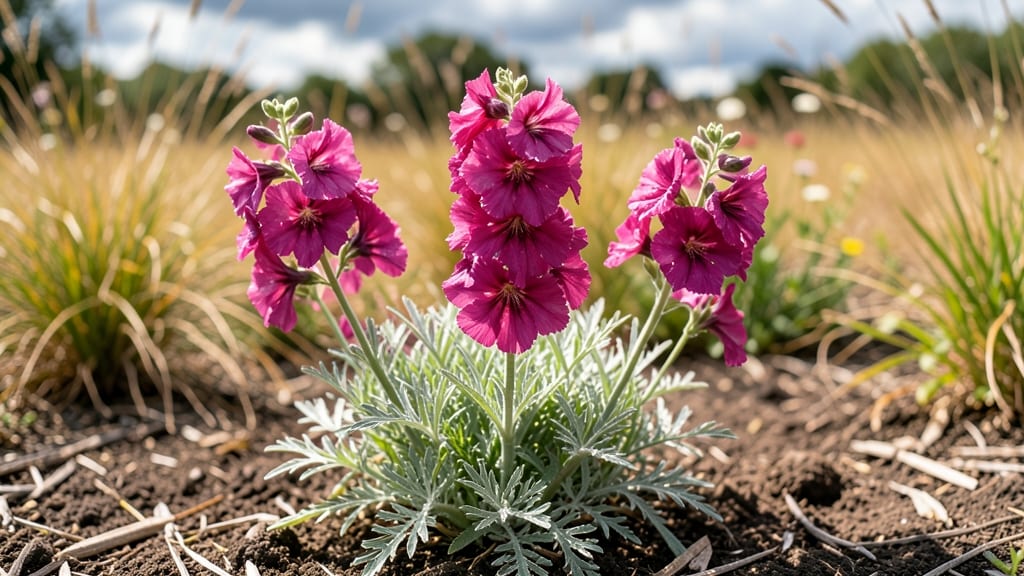
Large flowered gaura transforms any garden into a cloud of delicate pink and white blooms that dance in the breeze. ✨ I fell in love with this cold-hardy perennial after my first season—it blooms from early summer through frost, with almost no care required.
The secret lies in its adaptability: it thrives in poor soil, handles drought once established, and rebounds from winter like nothing else. This isn't just another pretty face—it's a workhorse that attracts pollinators while keeping pests away.
Most varieties flop under heavy rain, but large flowered gaura stays upright and keeps flowering. You'll spend more time admiring it than fussing over it, which is exactly what I want in a perennial. Start with well-draining soil and full sun, then let it grow wild.
Deadhead spent blooms in early fall to encourage a second flush, and watch it spread naturally over time. The first year is all about establishing roots, but by year two, you'll have a football-sized cloud of color that never quits. Perfect for borders, meadow gardens, or even containers.
Once you plant it, you'll understand why gardeners keep coming back—it's the kind of plant that makes gardening feel effortless.
📚 In This Guide
- What you need
- Instructions
- Tips and common mistakes
- Wrapping up and next steps
What you need
- ● Seeds or transplants: 1–2 packets of Oenothera macrocarpa seeds (or hybrid varieties like ‘Crimson Butterflies’ or ‘Siskiyou Pink’)
- ● OR 3–5 healthy nursery transplants (4–6 inches tall)
- ● Soil: Well-draining potting mix (for containers) or amended garden soil (sandy loam ideal)
- ○ 1–2 cups of compost or aged manure per planting area (optional but recommended)
- ● Sunlight: Full sun (6+ hours/day) or partial shade (4+ hours in hot climates)
- ● Garden trowel or transplanting spade
- ● Watering can or hose with a gentle spray nozzle
- ● Pruning shears (for deadheading or shaping)
- ○ Optional: Mulch (straw or shredded bark to retain moisture)
- ● Fertilizer (balanced 10-10-10 or slow-release granules)
- ● Container pots (5–7 inches deep for seedlings)
- ● Hardiness zone: 3–9 (cold-hardy but may need winter protection in zones 3–4)
- ● Planting time: Seeds: Start indoors 6–8 weeks before last frost OR direct-sow after soil warms (60°F+)
- ● Transplants: Spring (after frost) or early fall (for fall blooms)
- ● Spacing: 12–18 inches apart (or 6–12 inches in containers)
Step-by-step guide to planting and caring for large flowered gaura
This cold-hardy perennial thrives with minimal fuss—here’s how to get those dreamy, airy blooms going strong.
🌱 Step 1: Choose the Perfect Planting Spot
Large flowered gaura loves full sun—at least 6-8 hours daily—but tolerates light shade in hotter climates. I always scout the site first: look for areas where other perennials thrive, as gaura shares similar growing conditions. The key is well-draining soil—this plant hates soggy roots, so avoid low spots where water pools after rain.
Loosen the soil to a depth of 12 inches with a garden fork or tiller. Amend heavy clay with 2-3 inches of compost to improve drainage. If your soil is sandy, mix in a handful of organic matter to help retain moisture without compacting. Gaura’s delicate roots spread easily, so space plants 18-24 inches apart for full, bushy growth.
☀️ Step 2: Plant at the Right Time and Depth
Spring or early fall are ideal planting times—gaura establishes roots quickly in cooler weather. Dig a hole twice as wide as the root ball but only as deep as the container’s base. This prevents burying the crown too deeply, which can cause rot. Gently remove the plant from its container and tease apart any circling roots with your fingers.
Place the gaura in the hole, backfill with native soil, and press lightly around the base. Water deeply to settle the soil and eliminate air pockets. You’ll know it’s right when the soil surface looks settled and the plant sits at the same depth it did in the container. Mulch with 2-3 inches of shredded bark to retain moisture and suppress weeds—just keep the mulch 2 inches away from the stem to avoid rot.
💧 Step 3: Water Wisely for Strong Establishment
Water deeply once a week for the first 4-6 weeks to encourage deep root growth. Gaura is drought-tolerant once established, but young plants need consistent moisture. Check soil moisture by sticking your finger 1 inch deep—if it feels dry, water again. Overwatering is the biggest mistake here; gaura’s roots need air as much as water.
After the initial establishment period, reduce watering to every 10-14 days, unless your area experiences extreme heat or drought. You’ll see the plant’s resilience when it bounces back from dry spells with fresh blooms. Fertilizer isn’t necessary unless your soil is particularly poor—gaura thrives in lean conditions. If you do fertilize, use a balanced, slow-release formula in early spring.
✂️ Step 4: Prune for Longer Blooms and Shape
Deadhead spent blooms regularly to encourage more flowers—gaura’s airy, fern-like foliage makes it a standout in borders. I snip off faded flowers with clean pruners, cutting just above a set of leaves. This keeps the plant looking tidy and prompts new growth. If the plant gets leggy by mid-summer, give it a light trim to about half its height—it’ll bounce back with fresh, bushy growth and a second flush of blooms.
In early spring, cut back any dead or damaged stems to the ground. Gaura is incredibly forgiving—even if you wait until late winter to prune, it’ll still produce stunning blooms. The goal is to maintain an open, airy habit that lets light and air circulate freely. Avoid heavy pruning in fall, as the plant relies on its foliage for some winter protection.
⏰ Step 5: Overwinter for Year-Round Beauty
Gaura is one of the most cold-hardy perennials, surviving USDA Zones 3-9 with ease. In colder climates, the foliage may turn brown in winter, but the roots stay alive. Leave the dead stems in place until late winter—they provide some insulation and protect the crown from extreme temperature swings. When new growth appears in early spring, cut back the old stems to make room for fresh foliage.
In areas with heavy snow or ice, a light mulch layer (2-3 inches) helps protect the roots. Gaura’s tolerance for cold means you’ll enjoy its delicate blooms earlier in spring than many other perennials. The key to long-term success is minimal intervention—once established, gaura thrives with almost no care, making it perfect for busy gardeners or low-maintenance landscapes.
Tips & tricks for perfect large flowered gaura growth
Common pitfalls—and how to sidestep every one when nurturing these dreamy perennials.
Sunlight Strategy: While gaura thrives in full sun (6-8 hours daily), I’ve learned the hard way that "full sun" isn't one-size-fits-all. In hotter climates, it actually performs better with light afternoon shade—look for areas where other perennials show signs of heat stress but still get morning sun. The key is avoiding the intense midday rays that can scorch delicate foliage while maintaining enough light for continuous blooming.
Soil Test Before Planting: Before amending your soil, do a simple moisture test: dig a hole 12 inches deep and fill it with water. If water drains within 1 hour, your soil drains well. If it takes longer, you need more compost or sand. I always add a handful of perlite to my amendments for extra insurance against compaction—gaura’s roots will thank you with vigorous growth and fewer rot issues.
Watering Wisdom: The finger-check method (1 inch deep) works, but I’ve found a visual cue helps too: when the soil surface starts pulling away from the edges of your planting hole, it’s time to water. This tells you the roots have used up moisture in the top inch. For container-grown gaura, I water until it drains from the bottom—this ensures deep hydration without overwatering.
Pruning Precision: When giving that mid-summer trim to half the plant’s height, I always cut just above a leaf node where new growth will emerge. This creates a natural branching point rather than a bare stem. For deadheading, I use small floral scissors—regular pruners can crush stems and invite disease. The goal is clean cuts that heal quickly and encourage more blooms.
Pro Tips for Large Flowered Gaura
- Common pitfalls—and how to sidestep every one when nurturing these dreamy perennials.
- Sunlight Strategy: While gaura thrives in full sun (6-8 hours daily), I’ve learned the hard way that "full sun" isn't one-size-fits-all.
- Soil Test Before Planting: Before amending your soil, do a simple moisture test: dig a hole 12 inches deep and fill it with water.
Frequently asked questions
When is the best time to plant large flowered gaura?
Plant large flowered gaura in early spring or fall for best results. This gives roots time to establish before summer heat or winter cold. If planting in summer, water deeply and mulch to reduce stress. Pro tip: Avoid transplanting during peak heat—wait for cooler temperatures!
Is large flowered gaura really cold-hardy? How do I protect it in winter?
Yes! Most varieties tolerate USDA Zones 5-10. In colder climates, mulch heavily with straw or leaves to insulate roots. Cut back dead foliage in early spring—new growth will emerge quickly. For extreme winters, a light frost cloth can offer extra protection.
How often should I water large flowered gaura?
Once established, large flowered gaura is drought-tolerant but thrives with 1 inch of water per week. Water deeply at the base (avoid wetting foliage) to encourage strong roots. Overwatering can cause root rot—soak, then let soil dry slightly between waterings!
What pests or diseases should I watch for with large flowered gaura?
Common issues include aphids, spider mites, and powdery mildew. Spray affected areas with neem oil or insecticidal soap. Improve airflow by spacing plants 18-24 inches apart. Prevention tip: Remove spent blooms to reduce mildew risk and attract beneficial insects like ladybugs!
Can I grow large flowered gaura in containers? What’s the best setup?
Use a 5-gallon container minimum with well-draining soil (mix potting soil with perlite). Place in full sun and water regularly. Container hack: Add a time-release fertilizer in spring to keep blooms vibrant all season!
Wrapping up and next steps
Large flowered gaura is a dream for gardeners who crave low-maintenance, cold-hardy beauty with year-round charm. Whether you're a beginner or a seasoned pro, its drought tolerance, pollinator appeal, and vibrant blooms make it a standout addition to any landscape. Ready to transform your garden? Start small—plant a few this season—and watch your outdoor space thrive with effortless elegance!
🌱 Next step: Grab your seeds or seedlings, pick a sunny spot, and get growing! Refresh your supplies list or check out common questions to hit the ground running.