
Vegetables
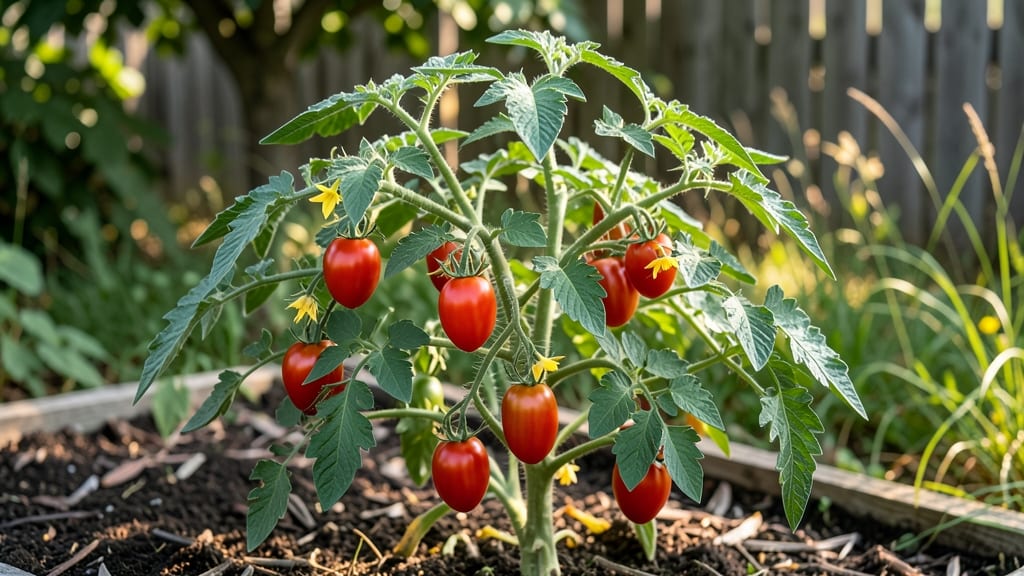
Growing large Roma tomatoes that keep coming back year after year changed everything in my garden. 🌱 These cold-hardy perennials don't just produce—they regrow boldly, giving you heavy, meaty fruits for fresh pasta, sauces, and salsa all season long.
The secret lies in treating them like the workhorses they are: sturdy, productive, and built to thrive even when other tomatoes falter.
Start with well-draining soil rich in organic matter—think compost mixed into the top 12 inches—and plant in full sun where temperatures stay above 50°F at night. Unlike annual tomatoes, these perennials need 3-4 feet of space to sprawl, so choose a sunny corner where they won’t compete.
Water deeply 2-3 times a week, keeping the soil consistently moist but never soggy, and you’ll see vigorous vines within weeks.
Prune aggressively to direct energy into fruit production: remove suckers early and trim back leggy growth in late summer. The payoff? Plants that keep flowering into fall, yielding pound after pound of glossy, deep-red tomatoes.
Even in cooler climates, they bounce back year after year, making them the ultimate low-maintenance high-yield crop.
Troubleshoot blossom end rot by ensuring steady calcium levels—add crushed eggshells or lime to the soil—and avoid overwatering during fruit set. Cracking? Keep soil evenly moist and mulch heavily to prevent temperature swings. With the right care, you’ll harvest enough for dozens of jars and still have extras to share.
📚 In This Guide
- What you need
- Instructions
- Tips and common mistakes
- Wrapping up and next steps
What you need
- ● Seeds or Seedlings: Roma tomato seeds (choose cold-hardy varieties like ‘Roma VF’ or ‘Plum Hybrid’ for resilience).
- ● OR 6–8 healthy Roma tomato seedlings (transplant-ready, 4–6 weeks old).
- ● Growing Containers or Garden Bed: For containers: 5-gallon pots or larger (1 plant per container).
- ● For ground planting: Well-draining soil with a pH of 6.0–6.8. Add compost or aged manure for fertility.
- ● Soil Amendments: 1–2 cups of balanced fertilizer (10-10-10 or organic options like fish emulsion).
- ● 1 cup of perlite or vermiculite (for drainage, if container-growing).
- ● Hand Trowel or Transplant Spade (for digging).
- ● Garden Gloves (to protect hands from thorns and soil).
- ● Watering Can or Hose with Nozzle (gentle watering prevents soil erosion).
- ○ Stakes or Cages (4–6 ft tall to support vines; optional but highly recommended).
- ● Pruning Shears (for trimming suckers and dead leaves).
- ● Mulch (straw or shredded leaves to retain moisture and suppress weeds).
- ● Sunlight: Full sun (6–8+ hours daily).
- ● Temperature: Seeds: Start indoors at 70–80°F 6–8 weeks before last frost.
- ● Transplants: Harden off seedlings at 50–60°F before moving outdoors.
- ● Cold-hardy varieties tolerate light frosts (28–32°F) but thrive in 65–85°F.
- ● Water: Consistent moisture (1–2 inches per week; drought-stressed plants yield smaller fruits).
- ● Drip Irrigation System (automates watering and saves time).
- ● Tomato Cage Ties (soft cloth strips to secure vines to stakes).
- ● Compost Tea or Seaweed Extract (boosts growth and disease resistance).
- ● Row Covers (protects young plants from pests or late frosts).
Step-by-step guide to growing large, cold-hardy Roma tomatoes
Here’s how to cultivate bold, repeat-harvesting Roma plants that thrive in cooler climates.
🌱 Step 1: Select and Prepare the Planting Site
Roma tomatoes need full sun—at least 8 hours daily—and well-draining soil with a pH of 6.0-6.8. I always choose a spot with afternoon shade in hot climates to prevent sunscald. Amend the soil with 2-3 inches of compost mixed into the top 12 inches to improve fertility and drainage. Roma plants hate soggy roots, so if your soil compacts easily, add 10% perlite or coarse sand to the amended area.
Dig a hole slightly larger than the root ball if transplanting, but don’t bury the stem deeper than it was in the pot. Roma plants are perennial in zones 7-10, so I mark the location with a stake or flag to avoid disturbing roots in future seasons. A mulch ring of straw or shredded leaves keeps soil temperatures stable and reduces water evaporation.
☀️ Step 2: Plant and Provide Support Early
Set the plant so the topmost set of leaves sits just above soil level—this encourages strong root development. Roma tomatoes grow 6-8 feet tall, so install a 6-foot sturdy stake or trellis immediately after planting. I use bamboo stakes because they’re lightweight yet strong enough to support heavy fruit loads. Secure the main stem with soft garden twine, tying it loosely to avoid girdling.
Water deeply right after planting to settle the soil and eliminate air pockets. You’ll know it’s right when water drains freely from the bottom of the hole. Avoid overhead watering for the first 3-5 days—this prevents soil-borne diseases from splashing onto leaves. Instead, use a soaker hose or drip irrigation at the base.
💧 Step 3: Water and Fertilize for Continuous Growth
Roma tomatoes need consistent moisture—about 1-1.5 inches per week—but never soggy soil. I water early in the morning to let foliage dry before evening, which reduces fungal risks like blight. Let the top 2 inches of soil dry out between waterings; you’ll see leaves slightly wilting as a signal. In zones 7-10, mulch heavily to retain moisture and regulate soil temperature.
Fertilize every 4-6 weeks with a balanced organic fertilizer (like 5-5-5) or compost tea. Roma plants are heavy feeders, but too much nitrogen leads to lush foliage and few fruits. I switch to a low-nitrogen, high-phosphorus formula (like 3-6-3) when flowers appear to boost fruit set. Always water before fertilizing to prevent root burn.
✂️ Step 4: Prune and Train for Maximum Yield
Prune suckers—those little shoots in the leaf axils—weekly to direct energy into fruit production. Roma tomatoes benefit from indeterminate pruning, where you remove all suckers below the first flower cluster. Leave 2-3 leaves above each pruning point to maintain photosynthesis. I use clean, sharp pruners dipped in rubbing alcohol between cuts to prevent disease spread.
Train the main stem along the stake, tying it every 12-18 inches as it grows. Remove any leaves touching the ground to improve airflow and reduce pests. In cooler climates, you might see blossom-end rot—a calcium deficiency causing dark spots on fruits. Prevent it by applying crushed eggshells or calcium nitrate to the soil monthly and keeping soil moisture even.
🍅 Step 5: Harvest and Overwinter for Next Season
Roma tomatoes ripen 70-80 days after transplanting, but I harvest when they’re firm, deep red, and slightly soft—they’ll continue ripening off the vine. Pick in the morning when sugars are highest. Cut stems with scissors to avoid damaging the plant. In zones 7-10, Roma tomatoes are perennial, so I prune back to 6 inches in late fall, mulch heavily, and protect with row covers if frost threatens.
Here’s the thing—Roma plants often regrow from the base in spring, but I’ve found dividing mature plants every 2-3 years revives vigor. Dig carefully in early spring, separate root clumps, and replant with fresh compost. You’ll get bold, repeat harvests for years with minimal effort.
Tips & tricks for growing cold-hardy Roma tomatoes
These practical insights will help you cultivate vigorous, repeat-harvesting Roma plants that thrive even in cooler climates.
Soil Preparation Insight: When amending your soil with 2-3 inches of compost and 10% perlite or coarse sand, mix them thoroughly into the top 12 inches of soil. This creates an ideal root zone where Roma plants can establish deep, stable roots. I've found that adding a handful of crushed eggshells during soil prep provides extra calcium, which prevents blossom-end rot—a common issue in cooler climates. The key is patience: let the amended soil settle for at least 24 hours before planting to avoid disturbing the root ball.
Support System Strategy: Roma tomatoes' 6-8 feet stature demands immediate support. I recommend installing bamboo stakes or heavy-duty trellises right after planting—before the plant gets too top-heavy. Use soft garden twine to loosely tie the main stem, adjusting as it grows. Here's what I learned the hard way: if you wait until the plant is already leaning, you risk snapping the stem when securing it later. The 12-18 inch spacing for ties is perfect because it allows flexibility while maintaining stability during wind or heavy fruit loads.
Watering Wisdom: The 1-1.5 inches per week watering guideline assumes consistent rainfall or irrigation. In practice, I check soil moisture by pushing my finger 2 inches deep—if it feels dry, that's your cue to water. The morning watering routine is non-negotiable: it prevents fungal diseases by allowing foliage to dry before evening. For established plants in zones 7-10, I've found that mulching with straw reduces water needs by 30%, maintaining even moisture while regulating soil temperature. This is especially critical during Roma tomatoes' 70-80 day growth cycle when consistent hydration is essential for fruit development.
Pruning Precision: When pruning suckers weekly below the first flower cluster, aim to leave 2-3 leaves above each cut. This maintains photosynthesis while directing energy to fruit production. I use clean, sharp pruners dipped in rubbing alcohol between cuts—a habit that prevents disease spread. The indeterminate pruning method works wonders for Roma tomatoes because it encourages vertical growth rather than bushy foliage. Pro tip: remove any leaves touching the ground to improve airflow and reduce pest risks. This might seem tedious, but it's the difference between a plant that produces bold, repeat harvests and one that struggles with disease.
Pro Tips for Large Roma Tomatoes
- These practical insights will help you cultivate vigorous, repeat-harvesting Roma plants that thrive even in cooler climates.
- Soil Preparation Insight: When amending your soil with 2-3 inches of compost and 10% perlite or coarse sand, mix them thoroughly into the top 12 inches of soil.
- Support System Strategy: Roma tomatoes' 6-8 feet stature demands immediate support.
Frequently asked questions
Got questions about growing large Roma tomatoes? You’re not alone! Here are answers to the most common queries—from troubleshooting to timing—to help you cultivate those juicy, beefsteak-worthy gems.
How long does it take for Roma tomatoes to produce fruit?
Roma tomatoes typically take 60–85 days from transplanting to harvest, depending on your climate and variety. In warmer regions, expect fruit as early as 50 days, while cooler zones may see delays. Patience pays off—once established, they’ll reward you with bold, meaty tomatoes for weeks!
Can Roma tomatoes survive winter and regrow?
Yes! Unlike annuals, cold-hardy Roma varieties (like 'Roma VF' or 'Plum Perfect') can regrow if protected. Mulch heavily with straw or leaves, wrap containers in burlap, and move potted plants to a sheltered spot. Prune back damaged foliage in spring—they’ll bounce back with even bigger yields!
Why are my Roma tomatoes cracking?
Cracking usually means uneven watering—soak roots deeply 1–2x/week, then let soil dry slightly between waterings. Avoid overhead sprinklers (they burst skin). For extra insurance, prune lower leaves to improve airflow and reduce stress. Pro tip: Harvest when 75% ripe to minimize splits!
Are Roma tomatoes better in containers or in the ground?
Both work! For containers, use 5-gallon pots with well-draining soil and stake plants early. In-ground, amend soil with compost and space plants 2–3 feet apart. Containers are great for small spaces or urban gardens—just ensure they get 6+ hours of sun daily.
Can I substitute Roma tomatoes in recipes?
Roma’s thick flesh and low seed count make them ideal for sauces, salsas, and stuffing. For slicing, opt for beefsteak or heirloom varieties. Need a quick swap? San Marzano or paste tomatoes work similarly, but Romas pack more bold flavor per bite!
Wrapping up and next steps
Growing large, juicy Roma tomatoes is a rewarding journey that blends patience with delicious results! Whether you're a seasoned gardener or a curious beginner, these cold-hardy perennials prove that big flavors come from thoughtful care—not just luck. Now that you’ve got the know-how, it’s time to roll up your sleeves and plant those seeds (or seedlings) with confidence!
Ready to harvest the fruits of your labor? Start by marking your calendar for transplanting or sowing—then watch your garden transform into a Roma tomato paradise. Happy growing! 🌱🍅