
Vegetables
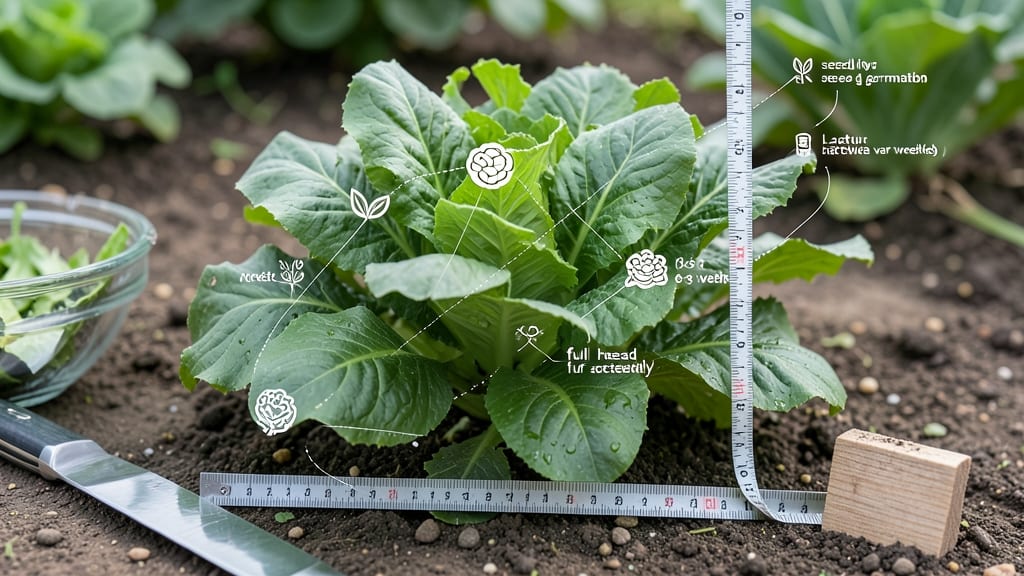
Tracking your leaf lettuce's progress month by month turns guesswork into predictable harvests. 🌱 From the first sprout to crisp, ready-to-eat leaves, this growth chart shows exactly what to expect at each stage—and how to keep your plants thriving without bolting or bitterness.
You'll spot the true leaf stage around day 10, when those tiny seed leaves fall away and real lettuce foliage unfurls. That's when to thin seedlings to 4 inches apart so they don't compete for sunlight. Too crowded? You'll get tough, slow-growing leaves instead of the tender greens you want.
By 3-4 weeks, your lettuce will be 6-8 inches tall with fully formed heads (for romaine) or loose leaves (for butterhead). This is prime harvest time if you want baby greens, or when to start succession planting for continuous harvests all season long.
The key to avoiding bitter lettuce? Consistent moisture and shade cloth on hot days. Skip these, and you'll end up with tough, seedy leaves instead of the mild, buttery texture that makes homegrown worth growing.
📚 In This Guide
- What you need
- Instructions
- Tips and common mistakes
- Wrapping up and next steps
What you need
- ● Seeds: 1 packet of leaf lettuce seeds (choose varieties like Buttercrunch, Black Seeded Simpson, or Looseleaf for fast growth).
- ● Growing Containers or Garden Bed: For containers: 4–6-inch deep pots (1–2 per seedling) or a shallow tray (12"x24" for direct sowing).
- ● For garden beds: Well-draining soil in a sunny spot (6+ hours of sunlight daily).
- ● Soil: 1 bag of high-quality potting mix or garden soil amended with compost (aim for 20–30% compost by volume).
- ● Watering Can or Spray Bottle: With a fine mist nozzle for gentle watering.
- ● Fertilizer: Balanced organic fertilizer (e.g., 5-5-5 or fish emulsion) or compost tea.
- ○ Mulch (Optional): Straw or shredded leaves to retain moisture and deter weeds.
- ● Grow Lights (Indoor Only):strong> LED grow lights (12–16 hours/day) if natural light is insufficient.
- ○ Row Covers or Shade Cloth (Optional): 30–50% shade cloth to protect seedlings from intense sun.
- ● Weather Check: Ideal temps for germination: 50–75°F. Avoid planting during extreme heat or frost.
- ○ pH Test (Optional but Helpful): Aim for soil pH 6.0–7.0 (use a test kit or vinegar/baking soda DIY method).
- ● Space Planning: Space seedlings 6–12 inches apart (closer for baby leaves, wider for full heads).
- ● Consistency: Commit to daily checks for water, pests, or weeds!
How to track leaf lettuce growth month by month
Here's how I track lettuce progress—no guesswork, just clear milestones.
🌱 Step 1: Germination (Days 5-14)
Start by sowing seeds ¼ inch deep in moist soil, keeping it consistently damp at 60-70°F. You'll see tiny sprouts poking through the soil in 5-10 days—this is your first true checkpoint. The seedlings will look like tiny green needles at first, but don't be fooled by their delicate appearance. They're tougher than they look.
Watch for true leaves (the second set after the initial seed leaves) to appear in 10-14 days. These will look broader and more defined than the first sprouts. This is when you can start thinking about thinning if you've planted multiple seeds per spot. I like to use a small pair of scissors to snip unwanted seedlings at soil level—it's cleaner than pulling.
🌿 Step 2: Early Growth (Weeks 2-4)
Once the seedlings have 3-4 true leaves, they're ready to be transplanted if you started them indoors. You'll notice the leaves growing faster now, with the plant putting energy into establishing a stronger root system. Keep the soil moist but not soggy—lettuce hates wet feet. You'll see the leaves develop a deeper green color as they mature.
At this stage, 2-3 weeks after germination, the plants will be about 2-3 inches tall. This is when you can start fertilizing lightly with a balanced, water-soluble fertilizer diluted to half strength. Too much fertilizer now will cause rapid leaf growth, but the leaves may be bitter. Think of this as the "training wheels" phase—lettuce is building strength for the harvest ahead.
☀️ Step 3: Mid-Growth (Weeks 4-6)
By week 4, your lettuce will be 4-6 inches tall with a bushier appearance. You'll notice the outer leaves starting to form, which is a good sign that harvest is approaching. This is also when you should check for pests like aphids or slugs—early intervention prevents major problems. I like to spray the undersides of leaves with a neem oil solution if I spot any signs of trouble.
If you're growing in cooler climates, you might see slightly slower growth, but the plants will still follow this general timeline. The key is to keep the soil consistently moist and provide 4-6 hours of sunlight daily. Lettuce can handle partial shade, but too much shade will result in leggy, pale leaves. You'll know your lettuce is thriving when the leaves are crisp and vibrant.
✂️ Step 4: Harvest Readiness (Weeks 6-8)
Your lettuce is ready for harvest when the outer leaves reach 4-6 inches in length. You don't have to wait for the entire plant to mature—this is the beauty of leaf lettuce! Start harvesting the outer leaves first, cutting them at the base with clean scissors or a knife. This encourages the inner leaves to grow larger, giving you a continuous harvest.
For a full harvest, you'll want to wait until the entire head is about 6-8 inches tall, which usually takes 6-8 weeks from seed. The leaves should be firm and crisp, not wilted or yellowing. If you see the lettuce bolting (sending up a tall flower stalk), it's past its prime. This usually happens in hot weather, so I always plant lettuce in early spring or fall to avoid this issue.
🌿 Step 5: Post-Harvest Care (Ongoing)
After the first harvest, your lettuce will often regrow, giving you a second chance at a full head. Keep the soil moist and fertilize lightly every 2-3 weeks to encourage regrowth. You'll see new leaves emerging from the center of the plant within 1-2 weeks after the first harvest. This is a great way to extend your growing season and get more out of your plants.
If your lettuce starts to look tired or the leaves turn bitter, it's time to pull it and start a new batch. Lettuce is a cool-season crop, so it won't tolerate heat well. I always keep a few plants going in the shade during the hottest months of summer. With this growth chart, you'll know exactly what to expect at each stage—no surprises, just steady progress toward a fresh, homegrown harvest.
Tips & tricks for growing leaf lettuce like a pro
Let me save you the trial-and-error—these are the exact tricks I use to get crisp, vibrant lettuce every time.
Soil Temperature Secret: That 60-70°F soil temperature range in Step 1 is non-negotiable for germination. I use a soil thermometer to check—if it's cooler than 60°F, cover the seed tray with plastic wrap to trap heat. Too cold, and your seeds will take forever to sprout or worse, rot. The goal is consistent warmth, not scorching.
Thinning Technique: When those true leaves appear around 10-14 days, don't just yank seedlings—use clean scissors to snip at soil level. This prevents disturbing the roots of your keepers. I like to do this on a dry morning so the soil holds its shape better. You'll be amazed how much cleaner this looks compared to pulling!
Sunlight Strategy: The 4-6 hours of sunlight in Step 3 is your golden window. If your lettuce starts stretching toward the light (leggy growth), it's getting too little. I often rotate my containers every few days to ensure even exposure. For container growers, place your lettuce near a south-facing window or use a grow light for 6 hours daily if natural light is limited.
Pest Prevention: That neem oil spray in Step 3 works wonders, but here's the pro move: spray in the early morning when pests are most active. Mix 1 tablespoon neem oil with 1 quart water and a drop of dish soap (as an emulsifier). Reapply every 7-10 days or after rain. The key is consistency—don't wait until you see major damage!
Pro Tips for Leaf Lettuce Growth Chart
- Let me save you the trial-and-error—these are the exact tricks I use to get crisp, vibrant lettuce every time.
- Soil Temperature Secret: That 60-70°F soil temperature range in Step 1 is non-negotiable for germination.
- Thinning Technique: When those true leaves appear around 10-14 days, don't just yank seedlings—use clean scissors to snip at soil level.
Frequently asked questions
Got questions about growing leaf lettuce? You’re not alone! Here are some of the most common queries—plus quick answers to help you cultivate a thriving crop.
How long does it take for leaf lettuce to grow from seed to harvest?
Most varieties of leaf lettuce are ready for harvest in 30 to 50 days from seeding, depending on the type. Loose-leaf varieties (like Black Seeded Simpson) mature faster (around 30-40 days), while butterhead types may take closer to 50-60 days. Check your seed packet for exact timelines!
Can I grow leaf lettuce in hot weather?
Leaf lettuce thrives in cool temperatures (45–75°F), but it can bolt (go to seed) or turn bitter in heat. For summer growing, opt for heat-tolerant varieties like Jericho or Romaine, provide afternoon shade, and keep soil moist. Alternatively, grow it in fall or spring for ideal conditions.
Why are my lettuce leaves turning yellow?
Yellowing leaves usually signal overwatering, nutrient deficiency, or disease. Check the soil—it should be moist but not soggy. If leaves are pale yellow, add nitrogen-rich fertilizer or compost. For brown spots, reduce watering and ensure good airflow to prevent fungal issues like downy mildew.
How do I harvest leaf lettuce without killing the plant?
Use the "cut-and-come-again" method: Snip outer leaves 1–2 inches above the base with clean scissors or shears. Avoid pulling leaves, which can damage the plant. Harvest in the morning for crispest texture, and leave the center to regrow for 2–3 weeks of continuous harvests!
What’s the best companion plant for leaf lettuce?
Leaf lettuce loves companions like carrots, radishes, strawberries, and cucumbers, which deter pests. Avoid planting near celery, parsley, or fennel, as they can stunt its growth. For pest control, interplant with marigolds or nasturtiums—they repel aphids and other critters!
Wrapping up and next steps
Growing leaf lettuce is a rewarding journey that brings fresh, crisp greens right to your kitchen—without the hassle of a full garden! 🌱 By following this month-by-month growth chart, you’ll gain confidence in nurturing fast-growing, low-maintenance crops.
Whether you’re a beginner or a seasoned gardener, every stage—from seedling to harvest—is an opportunity to learn and celebrate small victories.
Ready to crunch into success? Your next step? Plant those seeds! Grab your supplies, mark your calendar, and watch your lettuce thrive. Happy growing—your taste buds (and wallet) will thank you! 🥗✨