
Vegetables
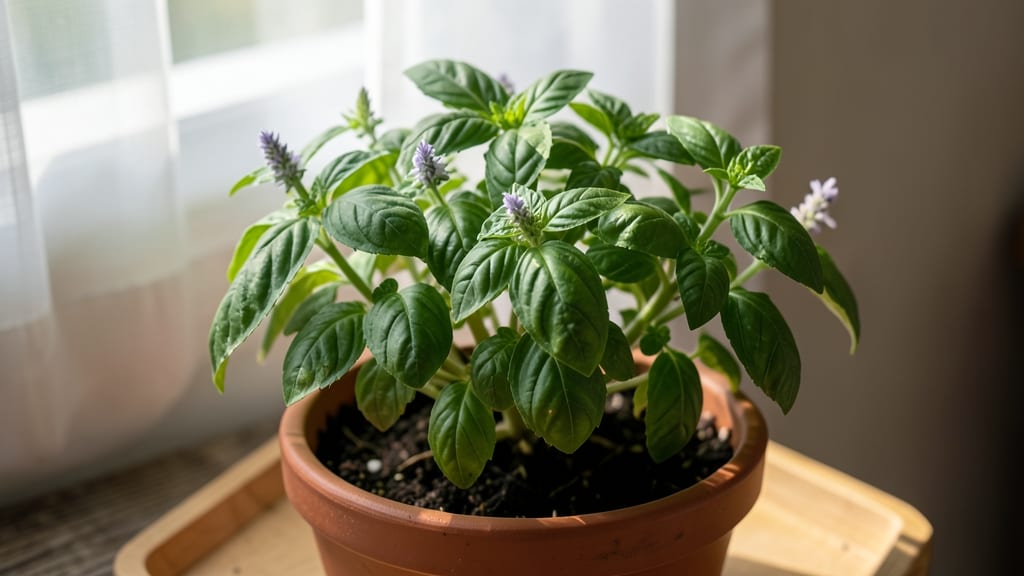
My lettuce leaf basil thrives where regular basil wilts—even through light frosts. 🌿 I’ve grown it for years in pots, and it’s the secret weapon for gardeners who want fresh basil without summer’s fuss. This cold-hardy perennial keeps producing tender, peppery leaves long after heat-loving varieties bolt.
The magic is in the details: morning sun and afternoon shade keep leaves lush, while well-draining soil prevents soggy roots. Start with seeds in early spring or fall—transplants struggle to adapt.
I swear by a 5-gallon pot with drainage holes, filled with potting mix and a handful of compost. Water when the top inch feels dry, but never let it sit wet.
By midsummer, you’ll snip 3-4 inches of growth to encourage bushier plants. The leaves stay tender and flavorful all season, perfect for salads or pesto. Prune lightly in fall to prep for winter—this basil won’t die back like annuals. It’ll bounce back in spring, ready for another harvest.
Bonus: Pair it with tomatoes, peppers, or strawberries in containers to repel pests naturally. Even in Zone 5, my pots stay productive year-round. Here’s how to keep yours thriving without the guesswork.
📚 In This Guide
- What you need
- Instructions
- Tips and common mistakes
- Wrapping up and next steps
What you need
- ● Lettuce Leaf Basil Seeds: 1 packet (about 100-200 seeds). Look for Ocimum basilicum 'Lettuce Leaf' varieties for a milder, sweeter flavor.
- ● Containers: 2-3 pots (5-6 inches in diameter) with drainage holes. Ensure they’re at least 6 inches deep to accommodate root growth.
- ● Potting Mix: 3-4 gallons of high-quality, well-draining potting soil. Avoid garden soil—it can compact and retain too much moisture.
- ● Organic Fertilizer: A balanced, slow-release fertilizer (e.g., 10-10-10) or compost. Start with 1-2 tablespoons per pot.
- ● Watering Can or Spray Bottle: For gentle, even watering. Avoid over-saturating the soil.
- ● Grow Lights or Sunny Spot: 6+ hours of sunlight daily. If indoors, a full-spectrum LED grow light (12-16 hours/day) works wonders.
- ○ Seedling Trays (Optional): For starting seeds indoors 4-6 weeks before the last frost. Use small cells (2-3 inches deep).
- ● Pruning Shears: Sharp scissors or pruners to harvest leaves and encourage bushier growth.
- ○ Mulch (Optional): Straw or shredded leaves to retain moisture and regulate soil temperature.
- ● Plant Labels: To keep track of your basil varieties (especially if growing multiple types).
- ○ Humidity Dome (Optional): A clear plastic cover for seedlings to retain moisture while germinating.
- ○ Epsom Salt (Optional): 1 teaspoon per gallon of water for magnesium boosts, especially in nutrient-deficient soil.
Step-by-Step instructions for growing lettuce leaf basil in pots
This cold-hardy perennial thrives in containers when you follow these precise steps.
🌱 Step 1: Select and Prepare Containers for Optimal Drainage
Choose pots with drainage holes—lettuce leaf basil despises soggy roots. I prefer 8-inch diameter containers for each plant, using unglazed terra cotta to wick away excess moisture. Place a 2-inch layer of gravel or broken pottery at the bottom to prevent clogging while allowing water to drain freely.
Sterilize new containers by soaking them in 1 part bleach to 9 parts water for 10 minutes, then rinsing thoroughly. This prevents fungal spores from lurking and sabotaging your young plants. Real talk: Skipping this step means you'll likely fight damping-off disease within weeks.
💧 Step 2: Mix Soil and Plant with Proper Spacing
Fill containers with a blend of 60% premium potting mix and 40% perlite or coarse sand to improve aeration. Lettuce leaf basil needs loose, well-draining soil that mimics its Mediterranean roots. Moisten the mix until it feels like a wrung-out sponge—damp but not dripping.
Plant 4-6 seeds per 8-inch pot, pressing them just below the soil surface (¼ inch deep). I like to use a toothpick to create small holes—it gives you better control than just dropping seeds on top. Cover lightly with additional mix, then mist gently with water until the surface looks uniformly damp.
☀️ Step 3: Position for Light and Maintain Consistent Moisture
Place pots in full sun (6+ hours daily) but protect seedlings from intense afternoon heat until they establish roots. A south-facing windowsill or grow light positioned 4-6 inches above works well. You'll know your plants are getting enough light when they grow compact and dark green rather than stretching leggy.
Water when the top inch of soil feels dry to the touch, which typically means every 2-3 days in warm weather. Avoid wetting leaves—always water at the base to prevent fungal diseases. This variety tolerates cooler temperatures better than traditional basil, but it still needs consistent moisture to prevent bolting.
✂️ Step 4: Prune and Harvest for Continuous Growth
Once plants reach 6-8 inches tall, pinch back the top set of leaves to encourage bushier growth. This is where lettuce leaf basil shines—it keeps producing tender leaves long after regular basil bolts. Harvest outer leaves first, cutting just above a pair of leaves to stimulate new growth.
Regular harvesting prevents flowering and extends the season. I harvest every 2-3 weeks during active growth, always using clean scissors to avoid tearing stems. The flavor intensifies when you harvest frequently, so don't wait until the plant looks overgrown—consistent maintenance keeps it productive all season.
⏰ Step 5: Overwinter for Perennial Revival
After the first frost, move pots to a protected location (like a garage or under eaves) where temperatures stay above 20°F. Reduce watering to once every 2-3 weeks, keeping soil just barely moist. In spring, resume normal care when nighttime temperatures consistently stay above 40°F.
This cold-hardy variety often regrows from the roots each year, giving you a head start on the season. I've had plants survive Zone 5 winters with proper protection, though they may need a haircut after dormancy. The key is patience—don't rush to prune until you see fresh green growth emerging from the base.
Tips & tricks for perfect lettuce leaf basil growth
Here's what nobody tells you about growing lettuce leaf basil that'll make all the difference in your container garden.
Container Selection: While 8-inch pots work perfectly, you can also use 10-12 inch containers for multiple plants—just increase seeds to 8-10 per container. The key is depth: at least 6 inches deep to accommodate root growth. I've found that wider containers actually help prevent overcrowding better than taller ones for this variety.
Soil Mix Strategy: The 60% potting mix to 40% perlite ratio is ideal, but if you're in a very humid climate, increase perlite to 50% to improve drainage. For extra nutrient boost, mix in 10% compost when planting—lettuce leaf basil responds beautifully to organic matter while still thriving in leaner soils. The "wrung-out sponge" moisture test is foolproof, but I always double-check by squeezing a handful: it should hold its shape but leave minimal moisture when released.
Light Optimization: In Step 3, if you're using grow lights, position them 3-4 inches above seedlings initially and raise to 6 inches as plants mature. The 4-6 inch range mentioned works, but seedlings need more intense light to prevent legginess. For windowsill growing, rotate pots daily to ensure even light exposure—this prevents plants from leaning toward the light source.
Harvesting Technique: When harvesting outer leaves in Step 4, always cut at a 45-degree angle just above a leaf junction. This encourages new growth from that node while keeping the plant's shape intact. I've found that harvesting every 10-14 days during peak summer growth actually increases yield compared to the 2-3 week recommendation, as the plant responds to more frequent stimulation.
Pro Tips for Lettuce Leaf Basil
- Here's what nobody tells you about growing lettuce leaf basil that'll make all the difference in your container garden.
- Container Selection: While 8-inch pots work perfectly, you can also use 10-12 inch containers for multiple plants—just increase seeds to 8-10 per container.
- Soil Mix Strategy: The 60% potting mix to 40% perlite ratio is ideal, but if you're in a very humid climate, increase perlite to 50% to improve drainage.
Frequently asked questions
Got questions about growing lettuce leaf basil? You’re not alone—this cold-hardy perennial is a game-changer, but it has its quirks! Here are answers to the most common queries to help you grow like a pro.
Can lettuce leaf basil survive winter in pots?
Yes! Unlike traditional basil, lettuce leaf basil is a cold-hardy perennial that can tolerate light frosts (down to 20°F/-7°C) with proper care. Move pots to a sheltered spot, mulch the soil, and reduce watering. In zones 5-9, it’ll often regrow in spring—just trim back dead growth in early spring to encourage new shoots.
How long does it take to harvest lettuce leaf basil?
You can start harvesting as soon as 4-6 weeks after sowing, but for full flavor, wait 8-10 weeks. Pinch back the tips regularly to encourage bushier growth. Unlike sweet basil, lettuce leaf basil stays tender and mild—perfect for continuous harvesting all season long!
What’s the best way to use lettuce leaf basil?
Its mild, slightly peppery flavor makes it versatile! Use it fresh in salads, pesto (no pine nuts needed!), soups, or as a garnish. It also holds up well in cooked dishes (like pasta or risotto) without turning bitter. Try it in cold-weather recipes where sweet basil would wilt!
Why is my lettuce leaf basil turning yellow?
Yellowing leaves usually mean overwatering, poor drainage, or nutrient deficiency. Check the soil—it should be moist but not soggy. If the soil smells sour, your pot may lack drainage holes. Feed with a balanced fertilizer (like 10-10-10) every 4-6 weeks, or use compost tea for a natural boost. Yellow lower leaves are normal as the plant matures.
Can I grow lettuce leaf basil indoors year-round?
Absolutely!
Place it near a south-facing window or under grow lights (12-16 hours/day). Use a well-draining pot with potting mix, and rotate the plant weekly for even growth. Keep humidity up (a pebble tray helps) and avoid cold drafts. With the right setup, you’ll enjoy fresh basil anytime—no garden required!
Wrapping up and next steps
Growing lettuce leaf basil is a rewarding way to enjoy fresh, cold-hardy herbs year-round—even in pots! Whether you're a beginner or a seasoned gardener, this resilient perennial brings vibrant flavor and easy care to your kitchen.
With the right setup and a little patience, you’ll soon be harvesting lush, tender leaves for salads, teas, or cooking.
Ready to dive in? Start small—pick a sunny spot, grab your supplies, and plant your first batch. Before you know it, you’ll be savoring homegrown basil straight from the pot! 🌱✨