
Vegetables
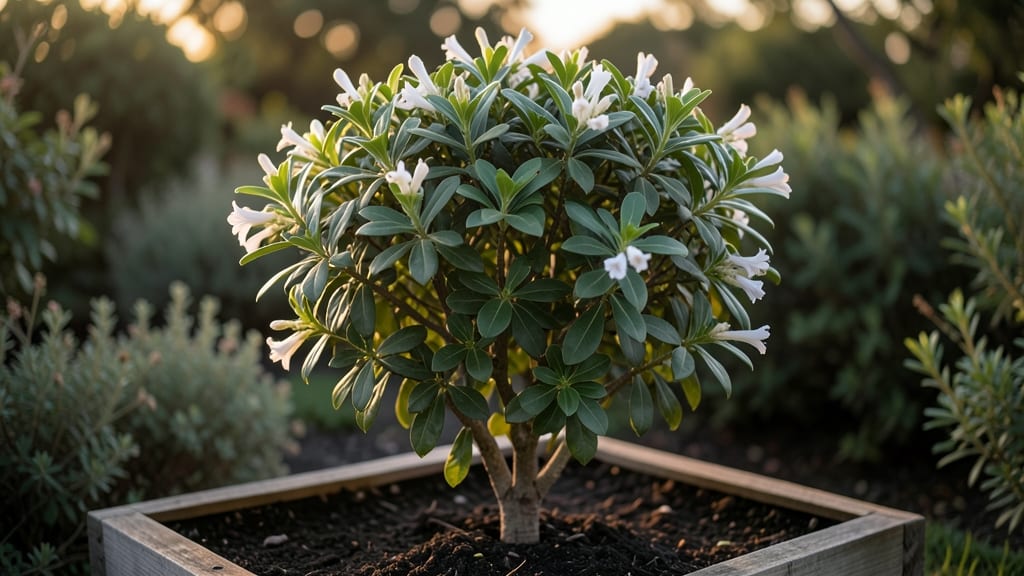
Nothing beats the intoxicating fragrance of Lilac of the South blooming in July heat. 🌿 These heat-tolerant varieties—like Syringa meyeri—bring bold purple blooms when traditional lilacs wilt, and they thrive in zones 5-9 with minimal fuss.
The secret lies in their southern roots: they crave sun, hate soggy soil, and reward patience with three weeks of intense fragrance that fills the whole yard.
Start with well-draining soil mixed with compost (avoid heavy clay) and plant in full sun—at least 6 hours daily. Water deeply once a week after establishment (they’re drought-tolerant once rooted), and fertilize lightly in early spring with a balanced 10-10-10.
These lilacs bloom on new wood, so prune right after flowering to shape them without sacrificing next year’s blooms—just snip back any leggy growth by a third.
What you’ll end up with is a fragrant, low-maintenance shrub that outshines traditional lilacs in summer heat. The flowers attract bees, the foliage stays lush even in drought, and the scent lingers long after store-bought bouquets wilt.
For best results, plant in early spring or fall when temperatures are mild—no rushing, just patience for a showstopper that lasts.
Bonus: These varieties resist powdery mildew better than northern lilacs, and deer usually leave them alone. Just watch for spider mites in extreme heat—hose them off if you spot webbing. Once established, they’re basically set-and-forget shrubs that pay dividends for decades.
📚 In This Guide
- What you need
- Instructions
- Tips and common mistakes
- Wrapping up and next steps
What you need
- ● Seeds: 10–20 Lilac of the South seeds (organic or heirloom preferred).
- ● Containers or Garden Bed: Large pots (12+ inches deep) with drainage holes or
- ● A sunny garden bed (6+ hours of sunlight daily).
- ● Well-Draining Soil: 5–10 gallons of potting mix or garden soil amended with: 1 part compost
- ● 1 part perlite or sand (for aeration).
- ● Fertilizer: Balanced organic fertilizer (10-10-10 or 5-5-5) or compost tea.
- ● Watering Can or Hose: With a gentle spray nozzle (avoid soaking leaves).
- ○ Stakes or Trellis (Optional but Helpful): 3–4 ft tall for vining varieties.
- ● Gloves (for handling seeds/soil).
- ● Trowel or Transplanter (for planting/seeding).
- ● Pruning Shears (to trim dead leaves or encourage bushier growth).
- ○ Mulch (Optional): Straw or shredded leaves to retain moisture.
- ○ pH Test Kit (Optional): Ideal soil pH: 6.0–6.8 (adjust with lime or sulfur if needed).
Step-by-Step instructions for planting and cultivating Lilac of the South
Here's how to establish these heat-loving shrubs for years of fragrant, purple blooms.
🪴 Step 1: Select the Perfect Planting Location
Choose a site with full sun exposure—at least 6 hours daily—where the soil drains quickly but retains moisture. The Lilac of the South thrives in USDA zones 7-10, making it ideal for southern climates where traditional lilacs often struggle. Avoid low spots where water pools after rain, as soggy roots lead to root rot.
Test your soil's pH before planting—these shrubs prefer 6.0-7.0. If your soil runs acidic, amend with crushed limestone. I like to dig a hole twice as wide as the root ball but only as deep as the container's base. Loosen the sides of the hole with a shovel to encourage root spread.
🌱 Step 2: Prepare the Hole and Plant
Place the shrub in the hole so the top of the root ball sits 1-2 inches above ground level. This prevents water from pooling at the stem during heavy rains. Gently remove the plant from its container and tease apart any circling roots—this encourages outward growth instead of girdling.
Fill the hole halfway with native soil mixed with 2-3 inches of compost (if not already incorporated). Water the root ball thoroughly before backfilling to eliminate air pockets. Tap the soil gently as you fill to settle it around the roots. Finish by creating a 2-inch-high berm around the base to catch irrigation water.
☀️ Step 3: Establish Watering and Mulching Routine
Water deeply 2-3 times per week for the first 6-8 weeks until the plant establishes roots. You'll know it's time to reduce watering when new leaves appear and the plant shows vigorous growth. After establishment, these shrubs tolerate drought once mature, but young plants need consistent moisture.
Apply 2-3 inches of organic mulch (like pine straw or shredded bark) around the base, keeping it 6 inches away from the trunk. This conserves soil moisture, regulates temperature, and suppresses weeds. Replenish mulch annually—it breaks down over time and loses effectiveness.
✂️ Step 4: Prune for Shape and Encourage Blooms
Prune immediately after flowering to maintain shape and encourage next year's blooms. Remove 1/3 of the oldest stems at the base to rejuvenate the plant and open the center for airflow. Cut back any crossing branches or stems growing inward to prevent disease.
For established plants, a light pruning in late winter (just before buds swell) keeps the shrub compact. Avoid heavy pruning—these plants bloom on old wood, so aggressive cuts reduce next year's flowers. I use clean, sharp pruners and make cuts at a 45-degree angle just above a bud or lateral branch.
🌿 Step 5: Monitor for Pests and Seasonal Care
Watch for aphids or spider mites, which thrive in dry conditions. Spray with water to dislodge pests or apply neem oil if infestations persist. These shrubs rarely suffer from disease, but powdery mildew can appear in humid summers. Improve airflow by pruning and avoid overhead watering to prevent fungal issues.
In late fall, apply a slow-release fertilizer (like 10-10-10) to support root growth over winter. If your region experiences freezing temperatures, protect young plants with burlap wraps or a thick layer of mulch. Mature shrubs handle cold well but benefit from winter moisture.
Tips & tricks for perfect Lilac of the South cultivation
These heat-loving shrubs reward patience with stunning blooms—here’s how to set them up for success from day one.
Sunlight Strategy: While the instructions call for at least 6 hours of full sun daily, I’ve found that these shrubs actually perform best with 8 hours or more in hotter climates (zones 9-10). In the afternoon, when UV intensity peaks, consider providing light afternoon shade during the first summer after planting to prevent leaf scorch. This temporary measure helps young plants acclimate while still meeting the core requirement of full sun exposure.
Root Ball Prep: Before planting, give the root ball a thorough soaking in a bucket of water for 10-15 minutes—this ensures the roots are hydrated before hitting your prepared hole. I also like to trim any damaged or overly long roots with clean pruners, which helps redirect energy to new growth. Just avoid cutting into healthy roots, as this can slow establishment. The 1-2 inches above ground level placement in Step 2 is critical: use a level or straightedge to verify this height before backfilling.
Watering Wisdom: The 2-3 times per week guideline works well, but timing matters just as much as frequency. Water in the early morning to allow foliage to dry completely by evening, which helps prevent fungal issues. For the first 6-8 weeks, I recommend using a soaker hose or drip irrigation system to deliver water directly to the root zone—this minimizes evaporation and ensures moisture penetrates deeply. Avoid overhead sprinklers, which can spread disease and waste water through evaporation.
Pruning Pro Tip: When removing 1/3 of the oldest stems in Step 4, look for stems that are thicker than your thumb—these are the ones to prioritize. Cut them back to the base, but leave any thinner stems for next year’s blooms. For the 45-degree angle cuts, I use a small notched trowel to mark my cut line first. This ensures clean cuts that heal properly and reduces the risk of disease entry points. Always sterilize your pruners with rubbing alcohol between cuts to prevent cross-contamination.
Pro Tips for Lilac Of The South
- These heat-loving shrubs reward patience with stunning blooms—here’s how to set them up for success from day one.
- Sunlight Strategy: While the instructions call for at least 6 hours of full sun daily, I’ve found that these shrubs a...
- Root Ball Prep: Before planting, give the root ball a thorough soaking in a bucket of water for 10-15 minutes—this en...
Frequently asked questions
When is the best time to plant Lilac of the South?
Plant seeds or transplants in early spring (after the last frost) or late summer (6–8 weeks before your first frost). This gives roots time to establish before extreme heat or cold. For container growing, start seeds indoors 8–10 weeks before transplanting.
How long does it take to harvest after planting?
Expect 60–80 days from seed to harvest if planted in ideal conditions. Transplants may produce blooms (and edible buds!) sooner—often within 45–60 days. Pro tip: Prune spent flowers to encourage more blooms and extend your harvest season!
Can Lilac of the South survive in extreme heat?
This variety thrives in USDA Zones 7–11 and handles heat better than many other eggplants. To boost resilience:
- Use mulch to retain moisture.
- Water deeply at the base (avoid wetting leaves).
- Provide afternoon shade in scorching climates (Zone 10+).
What’s the difference between Lilac of the South and other eggplants?
Lilac of the South stands out with its deep purple, elongated fruits (6–8 inches long) and heat tolerance. Unlike standard eggplants, it’s:
- More disease-resistant (especially to powdery mildew).
- Slower to turn bitter in heat.
- Great for grilling or roasting—its thick skin holds up well!
Why aren’t my plants flowering or fruiting?
Common culprits include:
- Too much nitrogen (focus on balanced fertilizer like 10-10-10).
- Inconsistent watering (drought stress halts blooms).
- Overcrowding (space plants 18–24 inches apart).
- Extreme temps (below 55°F or above 95°F can delay blooms).
Are there alternatives if my climate is too hot/dry?
If conditions are too extreme, try these heat-tolerant swaps:
- Ichiban – Compact, purple-skinned eggplant.
- Rosa Bianca – White, creamy flesh, heat-resistant.
- Thai Long Eggplant – Slender, mild flavor, thrives in tropical climates.
Wrapping up and next steps
The Lilac of the South isn’t just a stunning addition to your garden—it’s a hardy, heat-loving superstar that rewards patience with gorgeous purple blooms and delicious harvests. Whether you’re a seasoned gardener or just starting, this variety proves that growing vegetables in warm climates can be beautiful and bountiful.
Ready to dive in? Start small—plant a few seeds or seedlings this season, experiment with companion plants, and watch your garden transform. And if you love the results? Share the joy by gifting your harvest or inspiring others to try their hand at this sun-kissed gem! 🌿✨