
Vegetables
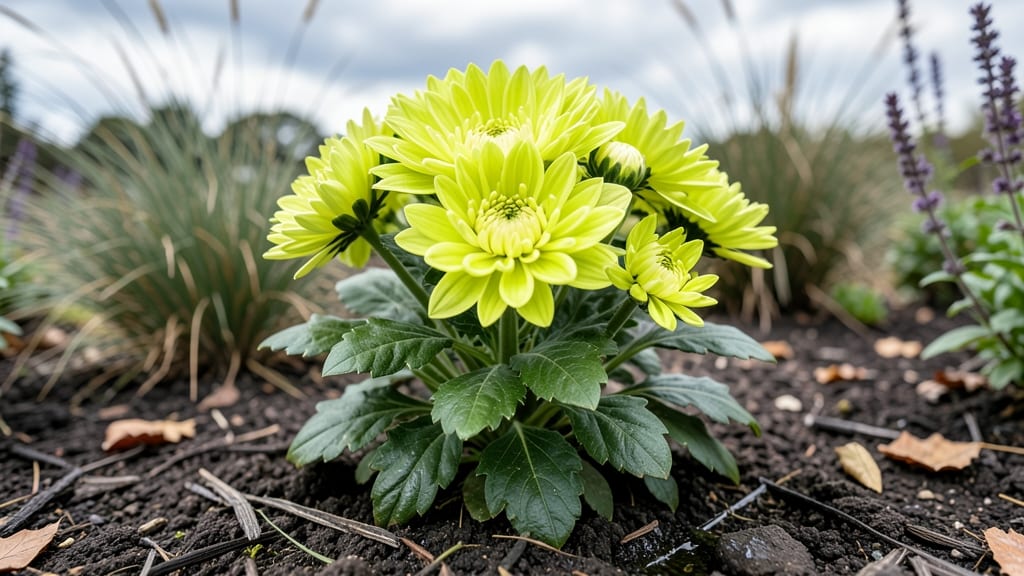
That lime green chrysanthemum in your garden isn’t just a pop of color—it’s a four-season workhorse that transforms borders, containers, and mixed beds into vibrant focal points. I’ve used them to brighten shady corners where nothing else would thrive, and the results?
A bold, unexpected splash that turns heads in every season. The key to making them shine lies in placement: pair them with deep purples (like salvia or pansies) for contrast, or tuck them alongside silver foliage (like lamb’s ear) to make the green glow.
In containers, mix with trailing plants to create a cascading effect that draws the eye. And here’s the secret—plant them where they get at least 4-6 hours of light, but they’ll tolerate partial shade better than most perennials. Once established, these plants need almost no maintenance.
A light trim in early spring keeps them tidy, and they’ll reward you with nonstop blooms from late summer through frost. The frost? That’s when they get their best—those lime centers turn to a soft, frosty white, creating a magical winter display.
For maximum impact, use them as a border edging or in mass plantings where their color can really sing. And if you’re worried about them fading in summer heat, don’t be—their deep roots keep them cool and crisp even when temperatures rise.
Let’s make your garden the envy of the neighborhood!
📚 In This Guide
- What you need
- Instructions
- Tips and common mistakes
- Wrapping up and next steps
What you need
- ● Lime green chrysanthemum plants – 3–5 healthy nursery-grown plants (check for vibrant foliage and sturdy stems).
- ● Well-draining potting mix or garden soil – 10–15 gallons (for containers) or amended native soil (for in-ground planting).
- ● Organic compost or slow-release fertilizer – 2–3 cups per plant (10-10-10 NPK ratio recommended).
- ● Mulch (straw, pine needles, or shredded bark) – 2–3 inches to retain moisture and protect roots.
- ● Watering can or hose with a gentle spray nozzle – For consistent moisture without damaging leaves.
- ● Garden trowel or hand shovel – For planting and soil amendments.
- ● Pruning shears – Sharp, clean pair for trimming dead or overgrown stems.
- ○ Gloves (optional but recommended) – To protect hands from thorns or soil.
- ○ Container (optional, for patio gardening) – 12–15 inch diameter pots with drainage holes (if not planting in-ground).
- ● Sunlight – Full sun to partial shade (6+ hours of sunlight daily for best color).
- ● Climate suitability – Hardy in USDA Zones 5–9; tolerates light frost.
- ● Spacing – 12–18 inches apart (for in-ground) or 1 plant per 12-inch pot.
- ● pH preference – Slightly acidic to neutral soil (pH 6.0–7.0).
How to plant and care for lime green chrysanthemums
These vibrant perennials thrive with the right timing and conditions—here's how to establish them for lasting beauty.
Choose the Right Planting Location and Time
Lime green chrysanthemums thrive in full sun to partial shade, with at least 6 hours of direct sunlight daily. I always plant mine in late spring after the last frost when soil temperatures reach 60°F—this gives roots time to establish before summer heat. The ideal spot balances sun exposure with afternoon shade in hotter climates to prevent leaf scorch.
Test your soil's drainage by digging a 6-inch deep hole and filling it with water. If it drains completely within 2 hours, your soil is suitable. Amend heavy clay with compost or sand to improve aeration. These perennials tolerate a wide pH range but flourish best in slightly acidic to neutral soil between 6.0 and 7.0.
Prepare the Soil and Plant Correctly
Dig a hole twice as wide as the root ball but only as deep as the container's base. Gently remove the plant from its container and loosen any circling roots with your fingers. This prevents root-bound stress that weakens establishment. Place the chrysanthemum in the hole so the top of the root ball sits 1 inch below soil level—this ensures stability and prevents stem rot.
Backfill with native soil mixed with 2-3 inches of compost to provide nutrients without overwhelming the plant. Water deeply immediately after planting to settle the soil and eliminate air pockets. You'll see the soil surface firm up slightly as it absorbs moisture—this confirms proper root contact.
Establish a Consistent Watering Routine
Water newly planted chrysanthemums 1-2 times per week for the first 4 weeks, providing 1 inch of water per week. Check moisture by pushing a finger 2 inches into the soil—if it feels dry, water again. Overhead watering can spread fungal diseases, so I use drip irrigation or water at the base early in the morning to allow foliage to dry quickly.
Once established, these perennials develop deep roots that make them drought-tolerant. You'll notice healthier growth when leaves remain vibrant green without wilting. Reduce watering to 1 inch every 10-14 days during summer, increasing slightly in extreme heat. Mulch with 2-3 inches of organic mulch to retain moisture and regulate soil temperature.
Fertilize and Prune for Optimal Growth
Apply a balanced, slow-release fertilizer (10-10-10) at planting time, then again in early spring and mid-summer. I avoid high-nitrogen fertilizers that promote leafy growth at the expense of blooms. Look for signs of nutrient deficiency—yellowing leaves indicate nitrogen deficiency, while purple stems suggest phosphorus needs. Adjust your fertilizer blend accordingly for the next application.
Deadhead spent blooms regularly to encourage continuous flowering throughout the season. Pinch back leggy stems in early summer to promote bushier growth. In late fall, cut back stems to 4-6 inches above the ground to prepare for winter dormancy. The plant will regrow vigorously in spring from these shortened stems.
Prepare for Winter and Encourage Year-Round Growth
Lime green chrysanthemums are cold-hardy but benefit from winter protection in colder climates. Apply a 4-6 inch layer of mulch after the first frost to insulate roots. In zones with temperatures below -10°F, consider covering plants with burlap or frost cloth for added protection. You'll see new growth emerge in early spring as temperatures rise above 50°F.
These perennials reward patience with extended blooming seasons. Divide mature plants every 3-4 years in early spring to maintain vigor. Simply dig up the clump, separate into sections with at least 3-5 stems each, and replant immediately. The vibrant lime foliage provides year-round interest, even when not in bloom, making these a standout perennial for any garden.
Tips & tricks for perfect lime green chrysanthemum growth
Here's what I've learned after years of growing these stunning perennials—tricks that make all the difference in establishing vibrant, long-lasting plants.
Sunlight Strategy: While the instructions mention full sun to partial shade, I've found that morning sun with afternoon shade in hotter climates (zones 7-9) actually produces more vibrant lime foliage. The intense afternoon sun can cause leaf scorch, which dulls that signature color. If you're in a hotter region, consider planting near a building or under light tree canopy for that afternoon protection.
Soil Preparation Insight: The 2-hour drainage test is crucial, but I always go one step further by mixing in a handful of perlite or vermiculite with the compost. This extra amendment prevents compaction around the roots, which is especially important for these perennials that develop deep root systems. The soil should feel like a well-squeezed sponge—firm but not dense.
Watering Wisdom: Those first 4 weeks are critical for root establishment, but I've discovered a subtle trick: water in the late afternoon instead of morning. This gives the soil time to warm up during the day, encouraging root growth downward rather than spreading outward. Just be sure to water before sunset so foliage has time to dry overnight and prevent fungal issues.
Fertilizer Timing: While the instructions specify early spring and mid-summer applications, I've found that adding a light application of fish emulsion (1-2 tablespoons per plant) in late summer can boost fall blooming. This isn't about heavy feeding—just a gentle nutrient boost to encourage those late-season flowers that provide winter interest.
Pro Tips for Lime Green Chrysanthemum
- Here's what I've learned after years of growing these stunning perennials—tricks that make all the difference in esta...
- Sunlight Strategy: While the instructions mention full sun to partial shade, I've found that morning sun with afterno...
- Soil Preparation Insight: The 2-hour drainage test is crucial, but I always go one step further by mixing in a handfu...
Frequently asked questions
Got questions about growing and caring for your lime green chrysanthemum? You’re not alone! Here are some of the most common queries—and their answers—to help you keep your cold-hardy beauty thriving year-round.
What’s the best time to plant lime green chrysanthemums?
For optimal growth, plant them in early spring after the last frost (USDA Zones 5-9) or in early fall (4-6 weeks before the first frost). This gives roots time to establish before extreme temperatures hit. If planting in containers, ensure they have drainage holes to prevent root rot.
Can lime green chrysanthemums survive winter?
These perennials are cold-hardy (Zones 5-9) and can handle light frosts. For extra protection in colder zones, mulch the base with 2-3 inches of straw or shredded leaves after the first frost. In containers, move them to a sheltered spot or bring indoors if temps drop below 20°F.
How often should I water lime green chrysanthemums?
Water them deeply once a week (or more in extreme heat/drought). Aim for 1-1.5 inches of water per week, focusing on the soil—not the leaves—to avoid fungal issues. Let the top inch of soil dry out between waterings, and reduce frequency in winter (unless in containers).
Why aren’t my chrysanthemums blooming?
Blooming hinges on light and pruning. Ensure they get 6+ hours of sunlight daily and pinch back tips in early summer to encourage bushier growth. If blooms are sparse, check for over-fertilization (too much nitrogen) or lack of deadheading. Stressed plants (from pests or drought) may also skip flowering.
What pests should I watch for, and how do I treat them?
Common pests include aphids, spider mites, and slugs. For mild infestations, spray with a soapy water solution (1 tsp mild soap per quart of water). For slugs, set out beer traps or diatomaceous earth. Severe cases may need neem oil or insecticidal soap. Always treat early to avoid plant damage!
Wrapping up and next steps
Adding a lime green chrysanthemum to your garden isn’t just about beauty—it’s about resilience, versatility, and year-round charm! This cold-hardy perennial thrives with minimal fuss, offering vibrant color even in cooler months.
Whether you’re a seasoned gardener or just starting out, its low-maintenance nature makes it a fantastic choice for any space.
Ready to bring this cheerful bloom into your garden? Start by selecting the perfect spot—whether it’s a sunny border, a container, or a mixed bed—and watch your outdoor space transform! 🌿✨