
Vegetables
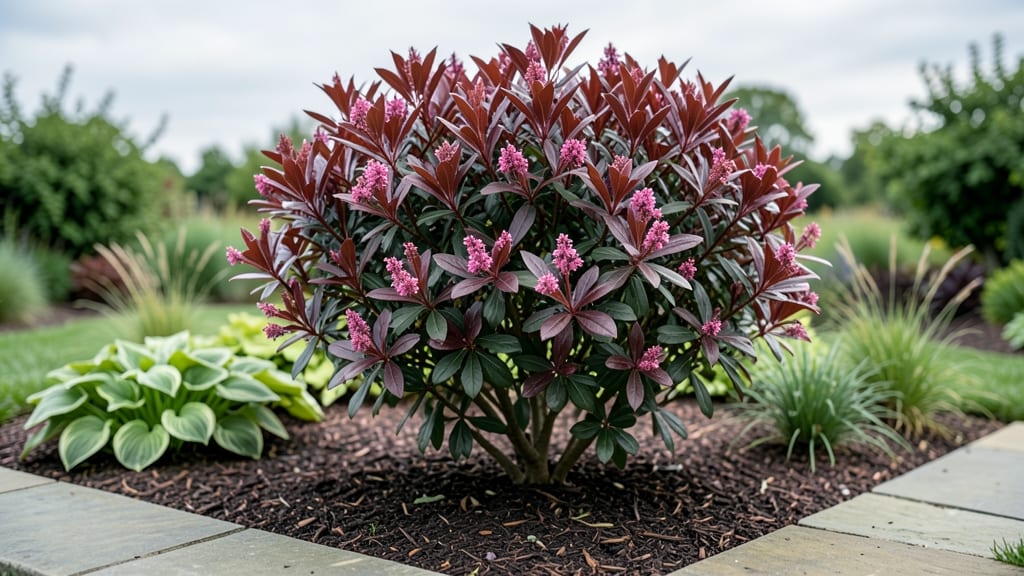
Your loropetalum keeps its stunning foliage even when temperatures drop—here’s how to protect it from winter’s worst. 🌿 I’ve watched my purple loropetalum shrug off 10°F nights while neighbors’ plants wilted, and the secret lies in smart prep: mulching, pruning timing, and knowing when to intervene.
The key is three layers of protection: a thick mulch ring (4-6 inches of shredded bark or leaves), wrapping young plants in burlap, and avoiding heavy watering once temps hit 35°F.
Loropetalum’s evergreen leaves stay vibrant when roots stay insulated—just don’t overdo it, or you’ll trap moisture and invite rot. By spring, you’ll see fresh growth where others see brown stems.
The plants reward patience with earlier blooms and denser foliage, proving winter care isn’t just survival—it’s setting up next year’s showstopper. Here’s exactly how to do it right.
Start with late fall pruning (after first frost) to remove dead branches and shape the plant. Skip heavy cuts—loropetalum blooms on old wood, and aggressive pruning steals next year’s flowers. Focus on air circulation to prevent fungal issues, a common winter weakness in dense shrubs.
Watch for leaf scorch—a sure sign of winter stress. If edges turn crispy, your plant needs better shelter or a lighter mulch layer.
A quick spray of anti-desiccant (like Wilt-Pruf) in late fall adds an extra shield against drying winds, though most varieties handle cold just fine with proper prep.
Pro tip: Test your mulch—pine needles lower soil pH, which loropetalum prefers, while hardwood chips stay neutral. And if you’re in a Zone 7 or colder, group plants together to create a microclimate that stays warmer. Your winter care today means bold purple blooms by May.
📚 In This Guide
- What you need
- Instructions
- Tips and common mistakes
- Wrapping up and next steps
What you need
- ● Loropetalum plant: Mature shrubs (3–6 ft tall) with established roots for better cold tolerance.
- ● Cold-hardy mulch: 2–4 inches of pine straw, shredded bark, or wood chips (avoid fresh wood chips—use aged or cypress mulch to prevent nitrogen theft).
- ● Burlap or frost cloth: Enough to wrap the entire shrub (or sections if large). Tip: Use staples or clothespins to secure.
- ● Garden twine or plant ties: For loosely securing protective wraps (avoid tight binding!).
- ● Watering can or hose with a gentle nozzle: For deep (but not soggy) watering—aim for 1 inch per week in winter.
- ● Pruners (sterilized): Sharp, clean bypass pruners for trimming dead or damaged branches post-winter.
- ● Gloves & long sleeves: For handling thorny varieties (some loropetalum have mild spines!).
- ● Anti-desiccant spray: Lightly coat leaves with wax-based spray (like Wilt-Pruf) to reduce moisture loss.
- ● Mini greenhouse or cold frame: For potted loropetalum or young plants in Zone 7 or colder.
- ● Soil thermometer: To monitor ground temps—ideal range: 40–50°F for root health.
- ● Slow-release fertilizer: Balanced 10-10-10 (apply lightly in early spring).
- ● Decorative stakes or lattice: To shape large shrubs and improve airflow (prevents fungal issues).
How to care for loropetalum through winter’s freeze
Here’s how I keep my loropetalum’s bold foliage thriving when temps drop—no dead branches in sight.
🌿 Step 1: Assess Your Loropetalum’s Hardiness Zone
First, check your USDA hardiness zone—loropetalum varieties differ in cold tolerance. Most Loropetalum chinense handle 10-15°F without issues, but purple-leaf types like ‘Purple Pizzazz’ may need winter protection below 5°F. I always verify my zone online before assuming my plant is tough enough.
Look for signs of stress after the first frost: if leaves turn mushy or stems ooze sap, your zone’s too harsh for unprotected growth. In Zone 7 or colder, I wrap young plants in burlap or use frost cloth—older, established shrubs usually survive fine on their own.
☀️ Step 2: Prune for Winter Resilience
Wait until after the first hard frost to prune—this lets the plant harden off naturally. Cut back any dead, damaged, or crossing branches using clean, sharp pruners. I focus on shaping the shrub into a vase-like form, which helps snow slide off easily and prevents branch breakage.
Remove only 10-20% of the plant’s volume—over-pruning stresses loropetalum in winter. Leave the inner branches intact; they’ll provide insulation for tender new growth. If your plant looks leggy, I recommend a light trim now rather than waiting until spring.
🪴 Step 3: Mulch and Protect the Root Zone
Spread a 3-inch layer of mulch around the base of the plant, keeping it 6 inches away from the trunk to prevent rot. I use shredded bark or pine straw—both insulate roots while allowing moisture to escape. Avoid piling mulch against the stems, as this traps dampness and invites fungal issues.
For extra protection in Zone 6 or colder, I wrap the entire shrub loosely in burlap or frost cloth, securing it with twine. Leave the top open to allow airflow—trapped moisture is worse than cold for loropetalum. Water deeply before covering to ensure the roots have enough moisture to last through dry winter spells.
⏰ Step 4: Monitor for Winter Burn and Thaw Damage
After heavy frosts or rapid temperature swings, inspect your loropetalum for signs of winter burn: crispy leaf edges or brown patches. I check plants on warm, sunny days—this is when damage becomes visible. If you see browning, don’t panic: loropetalum often recovers once temperatures rise.
If a branch looks completely dead (no green beneath the bark), prune it back in early spring. But leave any branches that show green buds—they’ll leaf out again. Avoid pruning in late winter or early spring, as new growth can be damaged by late frosts.
🌱 Step 5: Plan for Spring Revival
As soon as the ground thaws, remove any winter wraps or frost cloth. I wait until consistent daytime temperatures above 40°F before uncovering plants—this prevents shock from sudden warmth. Loosen the mulch slightly to let air circulate and encourage root activity.
Fertilize lightly in early spring with a balanced 10-10-10 formula to support new growth. I hold off on heavy feeding until I see fresh leaves emerging—loropetalum doesn’t need much to bounce back, but a little boost helps it recover faster after winter stress.
Tips & tricks for perfect winter loropetalum care
Keeping your loropetalum vibrant through winter takes just a few smart moves—here’s how to avoid common pitfalls and keep those bold leaves thriving.
Zone-Specific Prep: If you're in Zone 6 or colder, don't wait until the last frost to prepare. Start monitoring temperatures when forecasts drop below 15°F—this gives you time to gather frost cloth or burlap. I always keep these supplies ready by early November, especially for purple varieties like 'Purple Pizzazz' which need extra protection below 5°F. A quick online zone check ensures you're not caught off guard when sudden cold snaps hit.
Pruning Precision: That 10-20% pruning rule in Step 2 is non-negotiable—over-pruning weakens the plant's ability to store energy for spring. Look for branches that cross or grow inward; these are prime candidates for removal. I like to prune on a dry day when temps are above freezing—this helps prevent sap bleeding. And here's a pro move: leave the pruned branches on the ground beneath the shrub. They'll decompose and add organic matter to the soil as winter progresses.
Mulch Mastery: That 3-inch layer of mulch isn't just about insulation—it's about moisture control too. In dry winters, I actually reduce mulch to 2 inches to prevent excessive moisture retention. For extra protection in Zone 6, I add a second layer of straw on top of the bark mulch. This creates an additional insulating barrier while still allowing water to penetrate during occasional winter thaws. Just remember to keep it 6 inches away from the trunk—this prevents rot that can kill your plant before spring arrives.
Spring Revival Shortcut: When you're ready to remove winter wraps in Step 5, don't rush to uncover everything at once. Start by loosening the top of the frost cloth for a few days before fully removing it. This gradual exposure prevents shock from sudden temperature swings. I also recommend adding a 1-inch layer of fresh mulch when uncovering—this helps moderate soil temperature as the ground warms up.
Pro Tips for Loropetalum In Winter
- Keeping your loropetalum vibrant through winter takes just a few smart moves—here’s how to avoid common pitfalls and ...
- Zone-Specific Prep: If you're in Zone 6 or colder, don't wait until the last frost to prepare. Start monitoring tempe...
- Pruning Precision: That 10-20% pruning rule in Step 2 is non-negotiable—over-pruning weakens the plant's ability to s...
Frequently asked questions
Got questions about keeping your loropetalum vibrant through winter? You’re not alone!
Here are answers to the most common concerns—from cold hardiness to care tweaks—to help your freeze-resistant beauty shine all season long.
How cold can loropetalum handle before damage occurs?
Loropetalum is tougher than it looks! Most varieties tolerate temperatures down to 10–15°F (-12 to -9°C), but younger plants or newly planted shrubs may need extra protection. If your area dips below 10°F, wrap the base with burlap or use a frost cloth—especially for Loropetalum chinense ‘Purple Pizzazz’ or ‘Rising Sun.’
Do I need to prune loropetalum in winter?
Pruning in winter is optional but helpful for shaping! Wait until late winter or early spring (after the last frost) to trim dead or crossing branches. Avoid heavy pruning now—it stresses the plant. If you spot frozen leaves, snip them back in spring when new growth emerges. Pro tip: Use sterilized shears to prevent disease!
Should I water loropetalum during winter?
Watering depends on your climate. In dry, cold winters, give a deep watering every 3–4 weeks to prevent root stress. If the ground is frozen or snow-covered, skip it—overwatering can rot roots. In mild winters (like coastal areas), keep soil lightly moist but well-drained. Mulch (2–3 inches) helps retain moisture and insulate roots.
Why did my loropetalum lose leaves in winter?
Don’t panic! Leaf drop is normal if temps plunged below 10°F or your plant was young/stressed. Most varieties regrow leaves by late spring. If browning persists, check for:
Give it time—new growth should appear by April!
Are there winter-blooming loropetalum varieties?
While most loropetalum focus on foliage, a few varieties offer late-winter/early-spring blooms:
- Loropetalum chinense ‘Yoda’ – Pink flowers + purple leaves
- ‘Flying Dragon’ – Deep purple foliage + occasional blooms
- ‘Little Spire’ – Compact size, cold-hardy, and sometimes blooms
Wrapping up and next steps
Loropetalum’s stunning winter foliage proves that cold seasons can be just as vibrant as spring! With its freeze-resistant leaves and low-maintenance care, this plant is a game-changer for gardeners craving year-round color.
Whether you’re a beginner or a seasoned pro, adding loropetalum to your landscape is a rewarding way to defy winter drabness.
Ready to transform your garden? Start by selecting the perfect variety for your climate and soil, then explore our planting guide to get growing—your winter wonderland awaits! 🌿❄️