
Vegetables
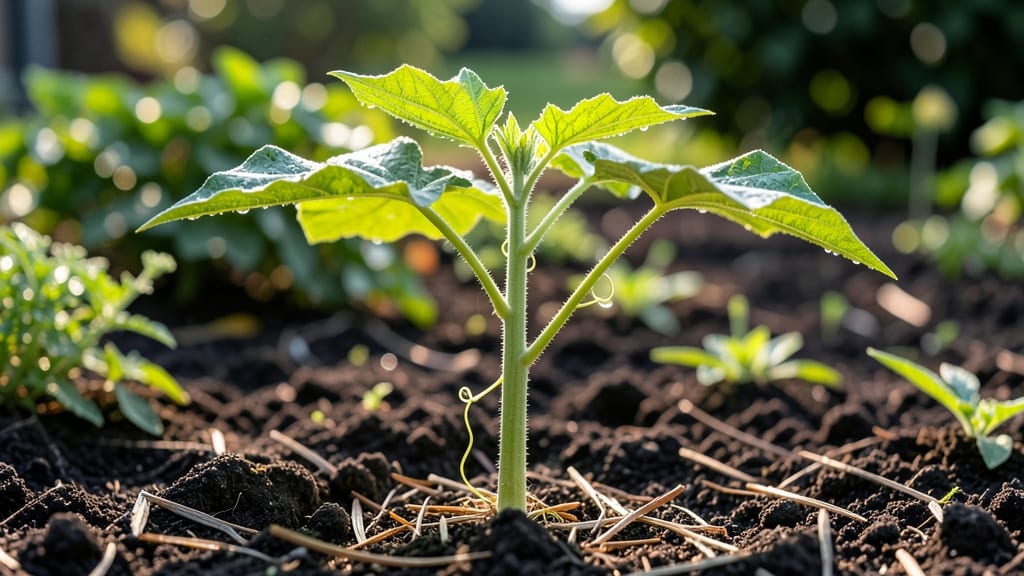
Your luffa gourd seedlings could be thriving in just 10-14 days—if you nail the first critical steps. 🌱 I’ve grown luffa for years, and the difference between a strong, healthy start and a leggy, struggling vine comes down to soil warmth, moisture balance, and patience.
Most beginners rush the process, but luffa gourds reward careful attention with year-round harvests of their signature sponge-like fruits.
Start with 70-80°F soil—too cold, and seeds rot; too hot, and they dry out. Use a seed-starting mix (not garden soil) in small pots or a flat, and keep it consistently moist (not soggy).
A heat mat helps speed germination, but even without one, seeds should sprout in 7-10 days if conditions are right. The key? Never let the soil dry out—luffa seedlings hate drought stress.
Once sprouted, give them bright, indirect light (a south-facing window or grow light) and fertilize lightly with a balanced 10-10-10 mix after the first true leaves appear. You’ll know you’re on track when seedlings develop thick stems and broad leaves—signs they’re ready for transplanting in 2-3 weeks.
Avoid overcrowding; luffa gourds need space to sprawl, so give them room to grow.
Here’s the secret most gardeners miss: luffa gourds love heat and humidity, so if your climate cools below 60°F at night, wait to transplant until temperatures stabilize.
With the right start, your vines will climb, flower, and produce sustainable harvests for months—no greenhouses or fancy setups required. Let’s get those seeds going!
📚 In This Guide
- What you need
- Instructions
- Tips and common mistakes
- Wrapping up and next steps
What you need
- ● Luffa gourd seeds – 5–10 seeds (organic, non-GMO preferred for best results).
- ● Seed-starting trays or small pots – 2–4 inch pots (biodegradable options work great!).
- ● Seed-starting mix – 1–2 gallons of lightweight, sterile potting soil (avoid garden soil—it can compact).
- ● Grow lights or sunny windowsill – A full-spectrum LED grow light (12–16 hours/day) or a south-facing window.
- ● Spray bottle – For gentle watering (avoid over-saturating seeds).
- ● Plastic wrap or humidity dome – To retain moisture while seeds germinate.
- ● Heat mat – Speeds up germination (70–80°F ideal).
- ● Fertilizer – Balanced liquid fertilizer (5-5-5 or 10-10-10) for seedlings.
- ● Transplanting tweezers – For delicate seedling handling.
- ● Pruning shears – Later, for trimming vines if needed.
- ● Trellis or stakes – For vertical growth (4–6 feet tall).
How to start luffa gourd seedlings indoors
Here's how to get your luffa gourds off to a strong start—no fancy equipment needed.
🌱 Step 1: Select and Prepare Your Containers
Luffa gourds need room to grow, so choose 4-inch deep pots with drainage holes for each seedling. I use biodegradable peat pots because they eliminate transplant shock later—just pop them straight into the garden when ready. Fill each pot with sterile seed-starting mix (never garden soil—it's too dense and can harbor diseases). Moisten the mix until it feels like a damp sponge, not dripping wet.
Press the soil down lightly with your fingers to remove air pockets, but don't compact it. You want the mix loose enough for roots to penetrate easily. Tap the pot gently on the table to settle the soil evenly. This step ensures your seedlings won't struggle to establish roots later.
🌱 Step 2: Plant Seeds at the Right Depth and Temperature
Luffa seeds are large, so plant just 1 seed per pot, about 1 inch deep. The seed's size means it needs plenty of space—crowding leads to weak, tangled roots. Press the seed into the soil firmly enough to hold it in place, then cover lightly with additional mix. Mist the surface gently with water until the soil looks evenly damp.
Here's the thing—luffa seeds need warmth to germinate. Place the pots in a warm spot, ideally 80-85°F. A seedling heat mat works wonders, or you can set them on top of your fridge. Germination takes 7-14 days, so be patient. Keep the soil consistently moist but never soggy—overwatering now will rot the seeds before they sprout.
☀️ Step 3: Provide Light and Prevent Leggy Growth
The instant those first green shoots appear, move them to bright, indirect light immediately. Luffa seedlings stretch toward any light source, and once they get leggy, they never recover. I use a grow light positioned 4-6 inches above the seedlings for 14-16 hours daily. If using natural light, a south-facing window works, but rotate the pots daily so they don’t lean.
You’ll know your light setup is right when the seedlings grow stocky and dark green, with leaves spaced 1-2 inches apart. If they look pale and stretched, your light is too far away. Strong seedlings have thick stems—this is your cue that they’re ready for the next step. Avoid touching or disturbing the seedlings once they sprout; luffa roots are sensitive.
🪴 Step 4: Harden Off and Transplant for Outdoor Success
Two weeks before your last frost date, start hardening off your seedlings. Place them outside in a sheltered spot for 1-2 hours the first day, gradually increasing exposure over 10-14 days. This slow adjustment prevents shock when they move to the garden. Luffa gourds thrive in full sun and warm soil, so wait until nighttime temperatures stay above 60°F before transplanting.
When transplanting, dig a hole twice as wide as the pot to encourage root spread. Gently remove the seedling (if using peat pots, the biodegradable material breaks down naturally). Place the seedling in the hole, firm the soil around the base, and water deeply. Space plants 3-5 feet apart—luffa vines spread fast, and they need room to climb or sprawl. Mulch around the base to retain moisture and keep roots cool.
Tips & tricks for starting luffa gourd seedlings indoors
These simple yet game-changing tips will help you avoid the most common pitfalls when growing luffa gourds from seed.
Container Selection: While 4-inch pots work perfectly, consider using slightly larger 6-inch pots if you're growing multiple seeds per pot. The extra space gives roots room to establish without crowding, which is especially helpful if you're starting more than one seedling. Just remember to thin to the strongest seedling once they sprout—luffa plants don't tolerate competition well.
Germination Temperature: Maintaining that 80-85°F range is crucial, but don't worry if your home can't reach those temps. A simple DIY solution is to place pots inside a clear plastic bag with a small weight on top to create a mini greenhouse effect. Check soil moisture daily—condensation inside the bag means you're doing it right. The bag creates humidity while trapping heat from your home.
Lighting Strategy: For those 14-16 hours of daily light, I've found that positioning grow lights on a timer is worth the investment. If you don't have a timer, set an alarm on your phone—consistent light exposure is what prevents those leggy seedlings. And here's a pro move: angle your lights slightly to encourage upward growth rather than stretching toward the light source.
Transplanting Preparation: Two weeks before transplanting, start your hardening off process by placing seedlings near an open window where they'll experience natural breezes. This acclimates them to outdoor conditions without the full sun exposure. I also recommend fertilizing lightly with a balanced organic fertilizer during the last week of indoor growing—it gives them a nutrient boost before they face the challenges of outdoor life.
Pro Tips for Luffa Gourd Seedling
- These simple yet game-changing tips will help you avoid the most common pitfalls when growing luffa gourds from seed.
- Container Selection: While 4-inch pots work perfectly, consider using slightly larger 6-inch pots if you're growing m...
- Germination Temperature: Maintaining that 80-85°F range is crucial, but don't worry if your home can't reach those te...
Frequently asked questions
Got questions about growing luffa gourd seedlings? You’re not alone! Here are answers to the most common concerns—whether you’re a first-time gardener or a seasoned grower looking to optimize your harvest.
How long does it take for luffa gourd seedlings to sprout?
With the right conditions (warm soil, 70–90°F, and consistent moisture), luffa gourd seeds typically sprout within 7–14 days. If you’re using pre-germinated seeds or soaking them overnight, expect faster results—sometimes as early as 3–5 days! Patience is key, but avoid overwatering, which can cause rot.
When is the best time to plant luffa gourd seedlings outdoors?
Luffa gourds thrive in warm climates and need no frost. Plant seedlings outdoors 2–3 weeks after your last frost date (when soil temps hit 70°F+). In cooler zones, start indoors 4–6 weeks before transplanting or use black plastic mulch to warm the soil faster. Pro tip: Wait until nighttime temps stay above 60°F!
Can I grow luffa gourds from seed or do I need seedlings?
Both work! While seedlings give you a head start (6–8 weeks of growth before fruiting), seeds are cheaper and just as effective if planted in warm soil. For faster results, opt for seedlings from a nursery. If starting from seed, soak them 24 hours in water before planting to boost germination rates.
Why are my luffa gourd seedlings wilting or turning yellow?
Wilting or yellowing often signals overwatering, underwatering, or pests. Check soil moisture—it should be damp but not soggy. Yellow leaves can also mean nutrient deficiency (add compost or balanced fertilizer) or aphids/spider mites. Inspect undersides of leaves and spray with neem oil if needed. Pro tip: Ensure pots have drainage holes!
Do luffa gourds need full sun, and how much space do they need?
Yes! Luffa gourds are sun-worshippers and need 6–8+ hours of direct sunlight daily. They’re vigorous vines, so allocate 10–15 feet of trellis space per plant (or 3–5 feet apart in containers). If grown vertically, prune side shoots to encourage upward growth. Bonus: Train vines along a trellis to save garden space!
Wrapping up and next steps
Growing luffa gourd seedlings is a rewarding journey that unlocks year-round harvests with minimal effort! Whether you're a beginner or seasoned gardener, these four simple steps—soaking seeds, planting, nurturing, and harvesting—make it easy to cultivate your own natural sponges or edible fruits.
With the right care, you’ll enjoy a thriving garden and sustainable, eco-friendly luffas.
Ready to take the next step? Start small—plant a few seedlings in a sunny spot this week and watch your garden transform! For extra tips, check out our FAQ section or share your progress with fellow gardeners. Happy growing! 🌱✨