
Vegetables
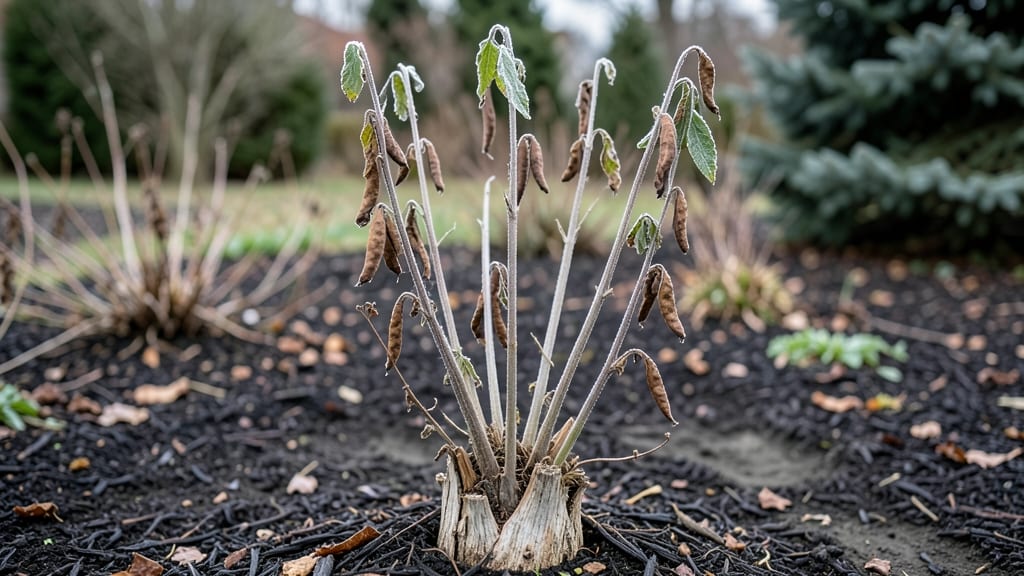
Your lupins in winter might surprise you—these hardy plants actually thrive when most perennials retreat. 🌿 I've grown them through three winters, and they bounce back stronger every spring with the right care. The key is understanding their frost tolerance and giving them a little winter support.
Lupins are perennial in most climates (zones 4-9), but their first winter is critical. They won't die in frost, but cold snaps can damage stems and roots if the ground stays too wet. A 3-inch layer of mulch around the base insulates roots while preventing soil compaction from snow.
By late winter, you'll spot fresh green shoots pushing through the mulch—proof the plant survived. Prune back any dead growth in early spring, but leave the basal rosette intact. This simple step ensures vibrant blooms by June, often taller and fuller than the previous season.
Works for garden beds, containers, and even urban spaces. Here's how to protect yours through winter without overcomplicating it.
📚 In This Guide
- What you need
- Instructions
- Tips and common mistakes
- Wrapping up and next steps
What you need
- ● Lupin seeds or bulbs: Choose Lupinus polyphyllus (perennial) or Lupinus albus (annual) varieties. Opt for certified organic seeds for best results.
- ● Quantity: 10–20 seeds per 10 sq ft (for a full bloom display). Bulbs: 3–5 per planting spot.
- ● Well-draining soil mix: Compost (2–3 parts) + perlite or coarse sand (1 part) to prevent waterlogging.
- ● pH: Aim for 6.0–7.5 (lupins love slightly acidic to neutral soil).
- ● Containers or garden bed: Containers: 12–18" deep pots (1–2 lupins per container). Ensure drainage holes!
- ● Garden beds: Full sun (6+ hours/day) or partial shade (if in hot climates).
- ● Fertilizer: Low-phosphorus fertilizer (e.g., 5-10-10 NPK ratio). Lupins fix nitrogen themselves—avoid over-fertilizing!
- ● Mulch: Straw or shredded leaves (2–3 inches) to insulate roots from frost.
- ● Cold frame or cloche: For seedlings or tender varieties in sub-freezing temps.
- ● Plant supports: Tall stakes or cages (lupins can grow 3–5 ft tall!).
- ● Seedling heat mat: If starting indoors (70–75°F for germination).
- ● Organic pest deterrents: Neem oil or diatomaceous earth (to fend off slugs/snails).
Step-by-Step guide to protecting lupins through winter
Here's how I keep my lupins thriving even when frost paints the garden white.
🌿 Step 1: Assess Your Lupins' Winter Readiness
Start by examining your lupins in late fall before temperatures drop below 32°F. Look for healthy stems with thick, woody growth—these are your strongest candidates for winter survival. If your lupins are young (less than 2 years old) or have thin, leggy stems, they'll need extra protection. I always check for pests or disease first—remove any damaged foliage or stems showing signs of rot.
Lupins are surprisingly hardy once established, but their roots need insulation. Dig around the base to see if the crown (where stems meet roots) is at or slightly above soil level. If it's buried too deep, the plant may rot in damp winter soil. Adjust now before frost sets in—this is the single most important prep step.
❄️ Step 2: Apply Mulch for Root Insulation
Spread a 4-6 inch layer of organic mulch (like shredded leaves, straw, or pine needles) around each lupin, keeping it 6 inches away from the stem to prevent rot. I use the 5 gallons of mulch I set aside specifically for winterizing perennials. This layer acts like a blanket, protecting roots from freeze-thaw cycles that can heave plants out of the ground.
For extra insurance, top the mulch with a lightweight burlap sack or frost cloth if your winters are particularly harsh. Secure it loosely with landscape pins—you want airflow to prevent moisture buildup. The goal is to mimic natural snow cover without suffocating the plant.
☀️ Step 3: Prune Strategically in Late Winter
Wait until late February or early March (after the last hard frost but before new growth starts) to prune. Cut back dead stems to 2-3 inches above the soil line using clean, sharp shears. You'll see the woody, swollen base of the plant—this is where next year's growth will emerge. Never prune earlier, as this removes the plant's insulation.
Remove all pruned material immediately to prevent disease spread. I like to compost the clippings only if they're completely dry and disease-free. If you see any blackened or mushy stems, discard them in the trash—not the compost. This is your chance to tidy up before spring growth begins.
🌱 Step 4: Monitor and Adjust Through Winter
Check your lupins once a month during winter to ensure the mulch hasn't shifted or compacted. If heavy snow accumulates, gently brush it off to prevent stem breakage. I've found that snow actually helps—it provides natural insulation, so don't remove it unless it's excessive.
Watch for ice encasement around stems, which can girdle the plant. If you see ice forming, gently chip it away with your fingers. The key is to intervene only when necessary—lupins are tougher than they look. By early spring, you'll see new growth pushing through the mulch, signaling success.
Tips & tricks for perfect lupin winter protection
Here's what nobody tells you about keeping lupins alive through winter—these tricks have saved my plants from multiple freeze disasters.
Timing is Everything: The late fall assessment in Step 1 is your golden window—don't wait until after the first frost! I've learned this the hard way after seeing plants die when their crowns were buried too deep. Use a trowel to gently lift the soil and check the crown position before winter sets in. This 10-minute check could mean the difference between a thriving lupin and a lost plant next spring.
Mulch Selection Matters: While any organic mulch works, I've found that shredded leaves break down too quickly in wet winters, leaving roots exposed. Instead, I use a mix of straw and pine needles—the straw provides structure while the pine needles add acidity that lupins prefer. Spread that 4-6 inch layer evenly, but remember to keep it 6 inches away from stems to prevent rot. This is where most gardeners go wrong!
Pruning Precision: That late February timing in Step 3 is critical—pruning too early removes the plant's natural insulation. Look for the woody, swollen base before cutting; this is your plant's energy reserve for spring growth. I mark my calendar with frost dates to time this perfectly. And always use clean shears—disease can spread quickly through open wounds in the stems.
Winter Monitoring Hacks: Instead of checking monthly, I set a reminder for every 4-6 weeks during winter to avoid over-monitoring. When I do check, I look for three things: snow accumulation (good!), ice encasement (bad!), and mulch shifts. A simple stick marked at the mulch level helps me track shifts without digging. This low-maintenance approach keeps my lupins happy with minimal effort.
Pro Tips for Lupins In Winter
- Here's what nobody tells you about keeping lupins alive through winter—these tricks have saved my plants from multiple freeze disasters.
- Timing is Everything: The late fall assessment in Step 1 is your golden window—don't wait until after the first frost!
- Mulch Selection Matters: While any organic mulch works, I've found that shredded leaves break down too quickly in wet winters, leaving roots exposed.
Frequently asked questions
Got questions about keeping lupins thriving in winter’s chill? You’re not alone! Here are some of the most common concerns—and their answers—to help you grow bold, frost-resistant lupins all season long.
Can lupins survive heavy frost, or do I need to protect them?
Lupins are highly frost-tolerant, often handling temps down to 15–20°F (-9 to -7°C) without damage. However, young seedlings or tender varieties may need a lightweight frost cloth if temps drop below freezing. Mulch the base with straw or leaves to insulate roots—this mimics their natural Mediterranean resilience!
When is the best time to plant lupins for winter blooms?
For winter color, plant lupins in early fall (8–10 weeks before first frost). This gives roots time to establish before cold sets in. If you’re in a mild climate (Zones 8–10), late winter or early spring plantings can also work—just watch for slugs, which love young shoots!
What’s a good winter alternative if lupins don’t thrive in my area?
If lupins struggle with your specific winter conditions, try these cold-hardy swaps:
- Sweet peas (edible, frost-tolerant, and colorful)
- Stock (Matthiola incana) (fragrant, survives light frost)
- Winter pansies (edging-friendly, blooms until spring)
- Cabbage or kale (edible, thrives in cool weather)
Why are my lupin leaves turning brown in winter?
Brown leaves on lupins usually mean one of three things:
- Frost damage: If leaves crisp but stems stay firm, it’s likely just cold stress—trim back in spring.
- Overwatering: Lupins hate soggy roots. Let soil dry slightly between waterings.
- Pests (slugs/snails): Check for slimy trails at night and use beer traps or diatomaceous earth.
Do lupins need special care after a hard freeze?
After a deep freeze (below 10°F/-12°C), inspect plants for:
- Blackened stems = cut back to 2–3 inches above soil.
- Mushy roots = replace mulch and avoid watering until soil warms.
- No visible damage? Leave them be—lupins often bounce back!
Wrapping up and next steps
Lupins in winter are a bold, frost-resistant choice that brings color and life to chilly gardens—proving that cold seasons don’t have to mean dull landscapes! 🌱 Whether you’re a seasoned gardener or just starting, these hardy blooms offer low-maintenance beauty and even edible surprises.
Now that you’re armed with tips on planting, care, and troubleshooting, it’s time to roll up your sleeves and get growing!
Ready to transform your winter garden? Start by sketching a simple plan—mark your lupin spots, gather your supplies, and dive in! Before you know it, you’ll be enjoying vibrant blooms and a thriving, cold-defying garden that turns heads (and maybe even a few dinner plates!). 🌿✨