
Vegetables
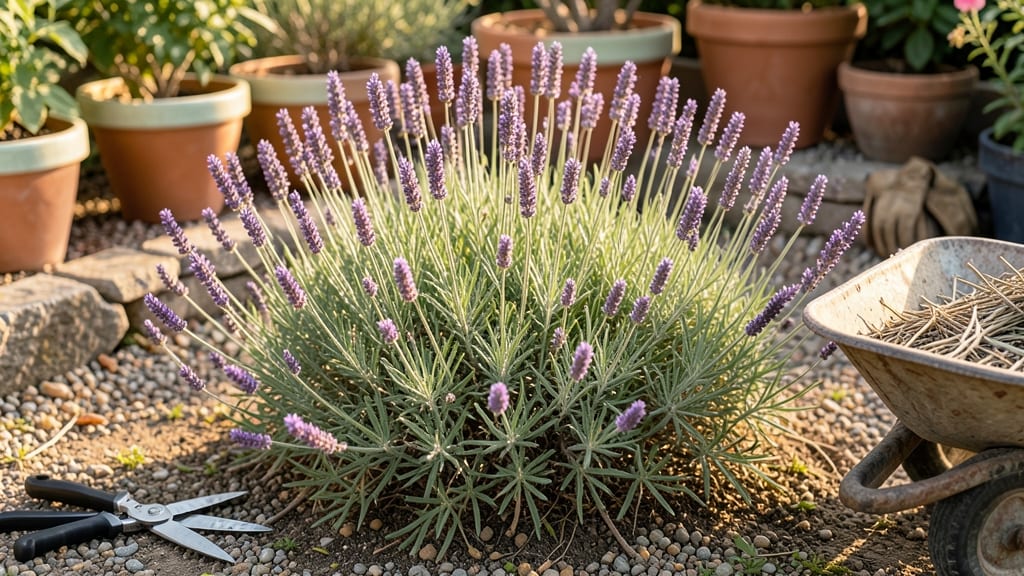
Monty Don’s Italian gardens are all about sun-drenched terraces and fragrant herbs spilling over stone walls. 🌿 The secret lies in layering Mediterranean plants—lavender, rosemary, and citrus—that thrive with minimal fuss while creating a sensory escape.
My first attempt used just three terraces: one for cooking herbs, one for ornamental, and one for climbing vines that softened the edges.
Start with sun-loving plants that handle dry spells once established—think sage, thyme, and bay laurel alongside vibrant salvias and purple coneflowers. Terraces add drama and solve tricky slopes, while narrow pathways invite exploration.
A small fountain or shallow pool adds the classic Italian touch, drawing hummingbirds and creating a soothing soundtrack.
By summer, your garden will burst with color and scent, and the herbs will be so lush you’ll forget they’re edible. The key is repetition—group plants in odd numbers for balance, and let them spill over edges naturally.
Even in small spaces, this style works with raised beds or vertical planters.
For year-round interest, mix evergreen rosemary with seasonal blooms like geraniums and marigolds. Add climbing jasmine or clematis to trellises for vertical drama. The result? A garden that feels like a Mediterranean retreat, no matter your yard size.
📚 In This Guide
- What you need
- Instructions
- Tips and common mistakes
- Wrapping up and next steps
What you need
- ● Herb Seeds or Plants: Start with Monty Don’s favorites—basil, rosemary, thyme, oregano, sage, bay, marjoram, and lemon verbena. Opt for organic, disease-resistant varieties for best results.
- ● Well-Draining Soil: 5–10 bags of cactus/succulent mix or herb-specific potting soil (amend with perlite or grit for sandy texture).
- ● Containers or Beds: Pots: 6–12-inch diameter containers (terracotta or fabric) for herbs like basil and thyme.
- ● Raised Beds: 4’x8’ frame (minimum 12” deep) for larger spreads like rosemary or oregano.
- ● Fertilizer: Slow-release organic granules (e.g., fish bone meal or composted worm castings) or liquid seaweed fertilizer for a nutrient boost.
- ● Mulch: Gravel or coarse sand (to retain heat) or straw/chopped herbs (to suppress weeds).
- ● Tools: Trowel, pruners, and garden gloves.
- ● Watering can with a rose attachment (for gentle hydration).
- ○ pH test kit (optional but helpful—Italian herbs thrive in 6.0–7.0 pH).
- ● Sunlight: 6+ hours of full sun daily (south-facing spots are ideal in the Northern Hemisphere).
- ● Drainage: Ensure pots/beds have drainage holes to prevent root rot.
- ● Climate Considerations: In cooler zones, use black plastic mulch or cloche covers to extend the growing season.
- ● Drought-tolerant herbs like rosemary and thyme need minimal watering once established.
- ● Patience: Some herbs (like bay) grow slowly—plan for 1–2 years to reach full maturity!
- ● Decorative Elements: Terracotta pots, wrought-iron trellises, or lavender-scented sachets for ambiance.
- ● Companion Plants: Add edible flowers (nasturtiums, calendula) or citrus trees for pollinators and aesthetics.
- ● Harvesting Tools: Sharp herb scissors and a drying rack for preserving your bounty.
Step-by-Step instructions for creating a Mediterranean herb haven
Monty Don's Italian gardens thrive on simplicity and sun—here's how to bring that effortless charm to your space.
🪴 Step 1: Choose the Perfect Mediterranean Sunspot
Find a location with at least 6 hours of direct sunlight daily. Italian gardens embrace the sun, so avoid shady corners—herbs like rosemary, thyme, and oregano will wilt without it. A south-facing wall or patio works best, but even west-facing spots deliver great results. If your space is limited, prioritize the sunniest area first.
Check the spot at different times of day. Morning sun is gentle, but afternoon rays can be intense—Italian herbs handle both. You'll notice the leaves of established plants will be crisp and vibrant in the right spot, while those in shade grow pale and leggy.
🌱 Step 2: Select Drought-Tolerant Mediterranean Herbs
Start with classic Italian herbs: rosemary, thyme, oregano, basil, and bay. These thrive in Mediterranean conditions and need minimal care once established. I always begin with 3-4 plants of each variety to ensure a full, fragrant garden. Rosemary and thyme are the hardiest—plant them first—they'll anchor your space.
For a true Italian feel, add lavender and marjoram—their silvery foliage and delicate flowers mirror the countryside. Avoid moisture-loving herbs like parsley or cilantro; they won't survive the dry conditions. You'll see the difference immediately: Mediterranean herbs grow compact and woody, not floppy and leafy.
☀️ Step 3: Plant in Well-Draining Soil and Containers
Use a light, sandy, well-draining soil mix—Italian gardens avoid heavy clay. Amend your native soil with 20% coarse sand or perlite to mimic the Mediterranean terrain. For containers, choose terracotta pots—they breathe and prevent root rot. Group plants by water needs: rosemary and thyme together, basil and oregano together.
Plant in early spring or late summer to avoid extreme heat. Dig holes twice as wide as the root ball but no deeper. Space plants 12-18 inches apart—herbs need room to spread. Water deeply after planting, but don't overdo it. You'll know the soil is right when water drains through in 10-15 minutes.
💧 Step 4: Water Deeply but Infrequently
The key to Mediterranean herbs is deep, infrequent watering. Water only when the top 2 inches of soil feel dry. This encourages strong root growth and drought resistance. I water my garden once a week in summer, less in spring and fall. Avoid wetting the leaves—water at the base to prevent fungal diseases.
Mulch with gravel or coarse sand to retain moisture and suppress weeds. Italian gardens often use pebbles—this keeps roots cool and mimics the rocky terrain. You'll see herbs with deep green, glossy leaves after a few weeks of proper watering. Wilting or yellowing means you're overwatering.
✂️ Step 5: Prune and Harvest Regularly
Prune herbs after flowering to encourage bushier growth. Cut back one-third of the plant in early spring and again after harvest. Rosemary and thyme can be trimmed lightly year-round. Basil, however, needs frequent harvesting—pinch off flowers and outer leaves to keep it productive. You'll notice new growth within 2-3 weeks of pruning.
Harvest in the morning for the strongest flavor. Use clean scissors or pruners to avoid damaging stems. Never take more than one-third of the plant at once. Italian cooks know: fresh herbs taste best when used immediately, but they'll keep in the fridge for 5-7 days if wrapped in damp paper towels.
Tips & tricks for perfect Mediterranean herb gardens
Here's what nobody tells you about creating a thriving Italian herb garden that actually survives the heat.
Sunspot Strategy: That 6-hour minimum of sunlight is non-negotiable, but here's the secret: morning sun is your friend, while afternoon sun can be brutal. If your space gets intense afternoon rays, consider planting taller herbs like rosemary on the north side of containers to shade more delicate varieties. I've seen basil completely crisp in just two hours of hot afternoon sun—trust me on this.
Soil Science: The 20% sand or perlite amendment in Step 3 isn't just about drainage—it's about creating that perfect Mediterranean texture. I like to mix in a handful of crushed granite or small pebbles too, right into the planting hole. This mimics the rocky Italian terrain and helps prevent soil compaction. The water should drain completely within those 10-15 minutes, leaving no standing moisture.
Watering Wisdom: That once-a-week summer watering guideline works perfectly when your soil is properly amended, but here's the real trick: water deeply enough that moisture reaches 6 inches down. Use a long screwdriver to check—if it comes out dry, water again. The top 2 inches being dry is just the surface indicator; roots need that deep hydration to establish properly. Early morning watering prevents fungal issues from evening moisture.
Pruning Payoff: When you're cutting back that one-third of the plant in Step 5, focus on removing leggy stems and spent flowers. The new growth that appears within 2-3 weeks will be more compact and flavorful. I always prune basil just above a set of leaves where new growth is already starting—this encourages bushier plants. For rosemary and thyme, a light trim after flowering keeps them from becoming woody and unproductive.
Pro Tips for Monty Don Italian Gardens
- Here's what nobody tells you about creating a thriving Italian herb garden that actually survives the heat.
- Sunspot Strategy: That 6-hour minimum of sunlight is non-negotiable, but here's the secret: morning sun is your friend, while afternoon sun can be brutal.
- Soil Science: The 20% sand or perlite amendment in Step 3 isn't just about drainage—it's about creating that perfect Mediterranean texture.
Frequently asked questions
Got questions about creating your own Monty Don-inspired Italian herb garden? We’ve got answers!
Whether you're wondering about timing, space, or troubleshooting common issues, this FAQ will help you grow a thriving Mediterranean herb haven—just like the expert.
When is the best time to plant an Italian herb garden?
For most Mediterranean herbs like rosemary, thyme, and oregano, spring (after the last frost) or early fall is ideal. These herbs thrive in warm soil and hate soggy roots, so avoid planting in winter unless you’re in a mild climate. Pro tip: If starting from seeds, sow them indoors 6-8 weeks before the last frost for a head start!
Can I grow Italian herbs in containers, or do I need a full garden bed?
Containers are perfect
for herbs like basil, parsley, and chives—they’re compact and love well-draining soil. Just ensure pots have drainage holes and are at least 6 inches deep. For larger herbs like rosemary or sage, opt for bigger containers (12+ inches). Bonus: Containers make it easy to move herbs to sunny spots or indoors during cold snaps.
How often should I water my Italian herb garden?
Herbs from Mediterranean climates hate excess moisture—water only when the top inch of soil feels dry. Most herbs prefer infrequent, deep watering (about once a week, more in extreme heat). Watch out: Overwatering can cause root rot, so always check soil moisture before reaching for the hose.
What are the most common pests for Italian herbs, and how do I prevent them?
Herbs like basil and parsley can attract aphids, spider mites, or whiteflies, while rosemary may face snails or slugs. Prevent pests naturally: Use neem oil spray, companion plant with marigolds, or handpick pests early. Healthy soil = fewer pests! Mulch with straw to deter slugs and keep weeds at bay.
How do I keep my Italian herbs productive year-round?
Many Mediterranean herbs are perennial in mild climates, but a few tricks help extend their life: Prune regularly to encourage bushier growth, harvest leaves early in the morning for peak flavor, and move pots indoors (near a sunny window) during winter. Cold-hardy herbs like thyme and oregano can often survive light frosts with a little mulch protection.
Wrapping up and next steps
Monty Don’s Italian-inspired herb garden is more than just a pretty plot—it’s a flavor-packed, low-maintenance powerhouse that brings the Mediterranean’s magic to your doorstep. 🌿 Whether you’re a seasoned gardener or a curious beginner, this design proves that year-round abundance is achievable with the right herbs, soil, and a little love.
Now that you’ve got the tools, tips, and answers, it’s time to roll up your sleeves and start planting!
💡 Next step: Pick your favorite herbs from Monty’s lineup, grab your supplies, and transform a sunny corner of your garden (or balcony!) into a fragrant, edible paradise. Your taste buds—and future pasta dishes—will thank you! 🍝✨