
Vegetables
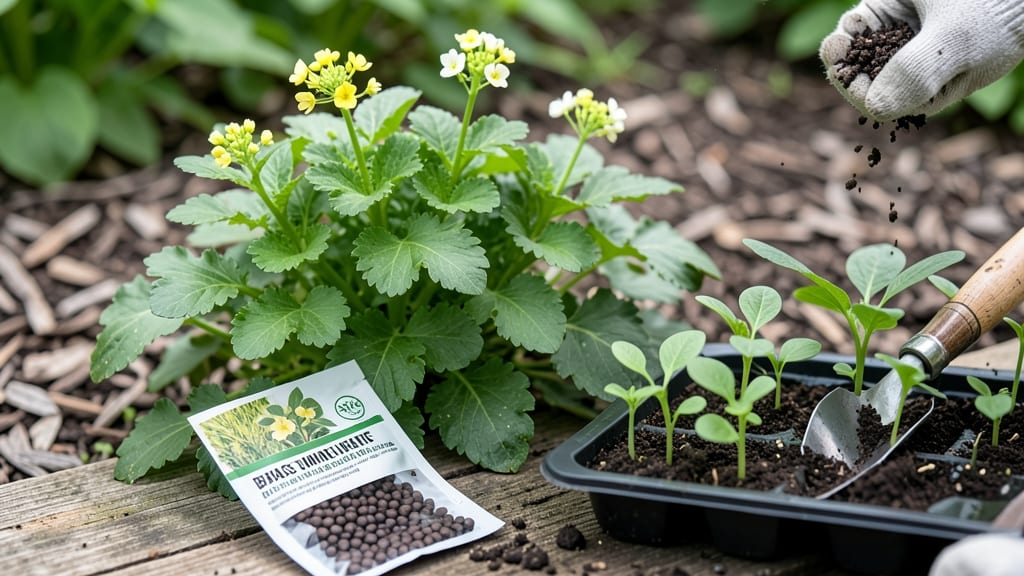
Planting mustard seeds gives you fast-growing greens in just 10 days—perfect for impatient gardeners who want quick harvests. 🌱 I’ve grown oriental mustard, brown mustard, and even the peppery green mustard in containers, and they all deliver bold flavor without waiting months for maturity.
The secret? Loose soil, consistent moisture, and a sunny spot. Skip the fancy prep—mustard thrives with basic care and rewards you with harvests faster than most leafy greens.
Mustard seeds need well-draining soil (even sandy works) and a sunny location—at least 6 hours of direct sunlight daily. Scatter seeds ¼-inch deep, spacing them 1-2 inches apart in rows 12 inches apart.
Press lightly and water gently to avoid washing them away. Varieties like oriental mustard (for stir-fries) and brown mustard (for greens) germinate within 3-7 days, so you’ll see sprouts popping up faster than you expect.
Once sprouted, keep the soil evenly moist—not soggy, but never dry. Mustard grows aggressively, so thin seedlings to 3-4 inches apart when they’re 2 inches tall to give them room.
Within 3-4 weeks, you’ll have tender greens ready for salads, and in 5-6 weeks, mature leaves perfect for sautéing. The peppery kick intensifies as they age, so harvest young for milder flavor.
Bonus: Mustard makes a great green manure—toss spent plants into the compost or till them into the soil to boost nitrogen. Or let it bolt for ornamental yellow flowers that attract pollinators.
Whether you’re growing for food, soil health, or beauty, mustard delivers fast, bold results with almost no fuss.
📚 In This Guide
- What you need
- Instructions
- Tips and common mistakes
- Wrapping up and next steps
What you need
- ● Mustard seeds: 1–2 tbsp (about 10–20 grams) of Brassica juncea or Sinapis alba (yellow or brown seeds). Choose organic, non-GMO seeds for best results.
- ● Growing containers: For indoor starts: 4–6" deep pots with drainage holes (1–2 per seed variety).
- ● For direct sowing: A raised bed, in-ground plot (6–12" deep), or large shallow tray (10"x20").
- ● Potting soil: 5–10 lbs of well-draining, sterile seed-starting mix (avoid garden soil—it’s too dense!).
- ● Watering can or spray bottle: With a fine mist nozzle for gentle hydration.
- ● Grow lights or sunny windowsill: A full-spectrum LED grow light (12–16 hours/day) or a south-facing window (if indoors).
- ● Hand trowel or planting tray: For precise seed placement (1–2 tbsp capacity).
- ● Plastic wrap or humidity dome: To retain moisture during germination (clear plastic works!).
- ● Fertilizer: Essential: Balanced 5-5-5 or 10-10-10 fertilizer (½ tsp per gallon of water, applied after sprouts emerge).
- ○ Optional: Fish emulsion or compost tea for a nutrient boost (1 tbsp per gallon).
- ● Stakes or trellis: If growing tall varieties (e.g., oriental mustard), use 12–18" stakes for support.
- ○ pH test kit: Optional but helpful—mustard thrives in pH 6.0–7.0 soil.
Step-by-Step instructions for planting mustard seeds
Mustard greens grow aggressively and fast—here’s how to harness that energy for a bold harvest.
🌱 Step 1: Prepare the Soil for Fast Germination
Mustard seeds thrive in loose, nutrient-rich soil with excellent drainage. Work 2-3 inches of compost into the top layer of your planting area to ensure quick root development. Mustard greens prefer slightly acidic to neutral soil (pH 6.0-7.0), so test your soil if your garden tends toward alkaline conditions.
Rake the surface smooth and remove any rocks or debris—mustard seeds are tiny and need direct contact with fine soil to sprout efficiently. Lightly tamp the soil with your hands to create a firm seedbed, but avoid compacting it too tightly. The goal is a texture similar to crumbly cake batter: just firm enough to hold seeds in place but loose enough for roots to penetrate easily.
💧 Step 2: Sow Seeds at the Right Depth and Spacing
Mustard seeds germinate best when planted ¼ inch deep—any deeper, and they’ll struggle to reach the surface. Scatter seeds ½ inch apart in rows spaced 12-18 inches apart to allow for thinning later. For a continuous harvest, you can also broadcast seeds loosely over the bed and thin later.
Water gently but thoroughly after sowing to settle seeds into the soil without displacing them. Use a fine-mist setting on your hose or a watering can to avoid washing seeds away. You’ll see tiny sprouts emerge within 3-5 days—this is mustard’s signature speed. If germination takes longer than a week, the soil may be too cold or dry.
☀️ Step 3: Provide Ideal Light and Moisture for Rapid Growth
Mustard greens crave full sun (6+ hours daily), but they tolerate partial shade if temperatures exceed 80°F. In hot climates, morning sun with afternoon shade prevents bolting (premature flowering). Keep the soil consistently moist—mustard roots are shallow, so let the top ½ inch dry out between waterings.
Watch for leggy growth, a sign of insufficient light. If seedlings stretch toward the sun with pale stems, move them to a sunnier spot or supplement with a grow light. Mustard greens grow best when harvested young, so aim for 3-4 inch leaves for tender greens. If you let them mature, they’ll bolt quickly—mustard’s fast life cycle is its defining trait.
✂️ Step 4: Thin and Maintain for Continuous Harvest
When seedlings reach 1-2 inches tall, thin to 3-4 inches apart to prevent overcrowding. Use sharp scissors to snip unwanted plants at soil level, leaving the strongest stems. This reduces competition and encourages larger leaves on remaining plants.
Mustard greens thrive with regular harvesting—cut outer leaves first to allow inner growth to continue. For a continuous supply, succession plant every 2-3 weeks in warm climates. In cooler regions, mustard grows best in spring and fall, withstanding light frosts but bolting in summer heat.
Tips & tricks for bold mustard seed planting
Here's what nobody tells you about getting mustard greens to sprout like clockwork—and how to avoid the most common pitfalls along the way.
Soil Texture Matters: In Step 1, when you're preparing that crumbly cake-batter texture, add a handful of perlite or coarse sand to your compost mix. This improves drainage while maintaining that perfect loose structure mustard seeds need. I learned this the hard way after watching seeds rot in compacted soil—mustard roots are shallow but need air circulation to thrive. For container gardening, use a mix that's 60% compost and 40% perlite for optimal results.
Seed Depth Precision: That ¼-inch depth in Step 2 is critical—any deeper and you'll smother the tiny seeds. Use a ruler or seed-starting tool to mark your planting depth before sowing. For visual reference, think of a standard pencil's lead thickness: that's about ¼ inch. If you're planting in rows, lightly drag a stick through the soil to create furrows at exactly this depth before scattering seeds.
Germination Speed Hack: The 3-5 day germination window in Step 2 can be accelerated by soaking seeds overnight in lukewarm water before planting. This isn't required but can shave off 24 hours if you're impatient (and who isn't?). Just make sure to plant them immediately after soaking—don't let them dry out. After planting, cover the bed with a light layer of row fabric to retain moisture and speed up sprouting, especially in cooler climates.
Light Management: When dealing with the 6+ hours of sunlight in Step 3, remember that mustard greens will bolt faster in hot weather. If your area exceeds 80°F consistently, provide afternoon shade using shade cloth (30-50% coverage) to maintain that tender leaf quality. For container growers, rotate pots daily to ensure even light exposure—mustard plants will lean toward the light source if not given full exposure from all sides.
Pro Tips for Mustard Seeds To Plant
- Here's what nobody tells you about getting mustard greens to sprout like clockwork—and how to avoid the most common p...
- Soil Texture Matters: In Step 1, when you're preparing that crumbly cake-batter texture, add a handful of perlite or ...
- Seed Depth Precision: That ¼-inch depth in Step 2 is critical—any deeper and you'll smother the tiny seeds. Use a rul...
Frequently asked questions
Got questions about growing mustard seeds? You’re not alone! Here are answers to the most common queries—from timing to troubleshooting—to help you crush your fast-growing harvest.
When is the best time to plant mustard seeds?
Mustard seeds thrive in cool weather (50–75°F). Plant them 4–6 weeks before the last frost in spring or 6–8 weeks before the first frost in fall. Avoid extreme heat—they bolt quickly when temperatures rise above 80°F. For year-round growth, try succession planting every 2–3 weeks!
How long does it take for mustard seeds to germinate?
Mustard seeds are fast germinators—expect sprouts in 3–10 days under ideal conditions (warm soil, consistent moisture, and sunlight). Keep soil moist but not soggy to speed up germination. Thin seedlings to 4–6 inches apart once they’re 2–3 inches tall for optimal growth.
Can I grow mustard seeds indoors or in containers?
Mustard greens grow well in containers 6+ inches deep with drainage holes. Use a lightweight potting mix and place them in full sun (6+ hours/day). For indoor growth, supplement with grow lights 12–14 hours daily. Just ensure your container is wide enough—mustard plants spread!
What pests or diseases should I watch for?
Mustard greens attract aphids, flea beetles, and cabbage worms. Prevent pests with row covers or neem oil. Watch for downy mildew (gray fuzz on leaves) in humid conditions—improve airflow and avoid overhead watering. Rotate crops yearly to reduce soil-borne diseases like clubroot.
Can I save seeds from store-bought mustard greens?
Store-bought greens are often hybrids and may not produce viable seeds. For seed-saving, grow open-pollinated varieties like ‘Southern Giant Curled’ or ‘Tendergreen’. Let some plants bolt and flower, then collect seeds from dry pods. Store them in a cool, dry place for up to 3 years!
Wrapping up and next steps
Growing mustard seeds is a rewarding and speedy way to add fresh, peppery greens to your garden—literally in just 10 days! Whether you’re a beginner or a seasoned gardener, their bold flavor and fast germination make them a must-have.
With the right soil, sunlight, and care, you’ll be harvesting crisp, vibrant leaves in no time.
Ready to green your plate? Start by gathering your supplies, follow the simple steps, and soon you’ll be enjoying homegrown mustard greens straight from your garden. 🌱 Next, try experimenting with varieties—like red or oriental mustard—for even more flavor possibilities!